*By Carlo Versano*
Tesla CEO Elon Musk [tweeted](https://twitter.com/elonmusk/status/1053060766771761152) Thursday night that a long-awaited cheaper version of the Model 3 is now on sale.
According to the re-launched Model 3 [website](https://3.tesla.com/model3/design?#battery), the sticker for the new variant ー which has a "mid-range" battery that can go 260 miles between charges ー will be $45,000. But Musk said the cost is closer to $35,000 "after federal & state tax rebates in California."
He added: "But true cost of ownership is closer to $31k after gas savings."
The surprise announcement came as Musk seeks to right the ship at Tesla after a string of controversies and high-level departures. Most recently, Tesla's manufacturing VP stepped down, following resignations from its HR, supply chain, and accounting chiefs, among others . Musk has also agreed to relieve himself of his chairman role in a settlement with the SEC over accusations he manipulated the company's stock price with his tweets about taking it private over the summer.
But the company has been firing on all cylinders in terms of production, having built 53,000 Model 3s in its last reported quarter. Those vehicles were priced higher and came with a longer-range battery.
Fathom Digital Manufacturing, one of the largest on-demand digital manufacturing platforms in North America, went public late last year and serves the product development and manufacturing needs of companies such as Google, Amazon, Tesla, Johnson & Johnson, and more. CEO Ryan Martin joined Cheddar's Opening Bell to discuss what the IPO means to the company and how he thinks digital manufacturing can help mitigate supply chain issues seen throughout the pandemic. "We can take parts that would take 4-6 weeks condense that down into just days using additive manufacturing in many cases. And so it's all about speed," he said.
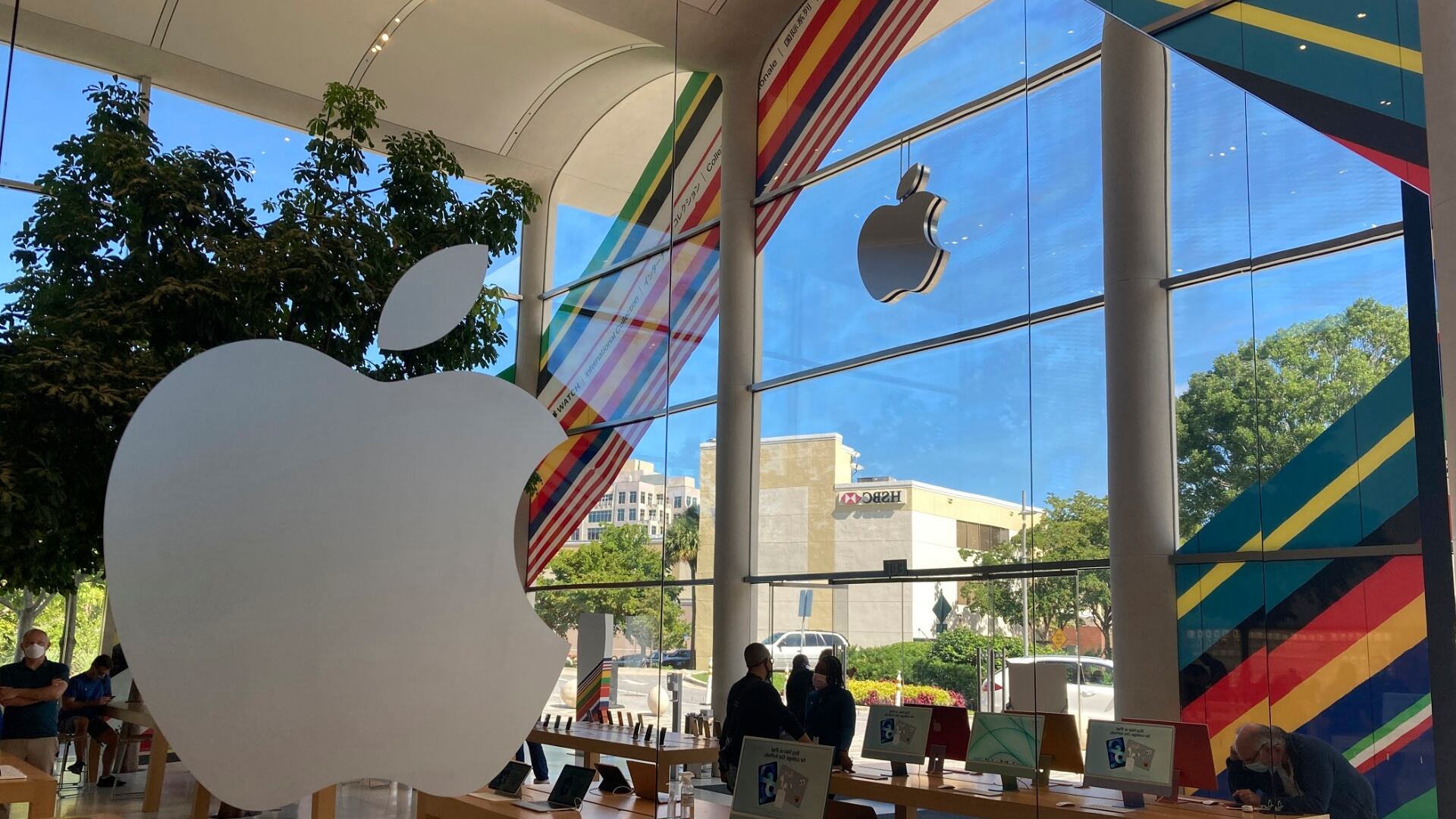
Apple has revealed that the tech giant is working more on going green, reporting the use of more recycled materials than ever before. It's setting sustainability goals, aiming to cut emissions by 75 percent in the next 10 years and eventually ending the use of plastic in packaging.