Most Millennials Couldn't Afford a $1,000 Emergency, Survey Says
*By Carlo Versano*
Sixty percent of millennials would have to beg, borrow, or steal if confronted with a mere $1,000 in emergency expenses, according to a new [survey](https://www.prnewswire.com/news-releases/lendingtree-survey-finds-more-than-half-of-americans-cant-cover-a-1-000-emergency-with-savings-300769040.html) from LendingTree, which defines the generation as those between 22 and 37 in age.
But the rest of the country doesn't fare much better. Only 42 percent of Gen-X could come up with a grand to cover an emergency, and just 60 percent of Boomers. All told, less than half of all Americans could cover the cost with cash or savings.
The other half said they'd either borrow from family or friends (16 percent), sell something or use a credit card (9 percent each), work more (7 percent), or take out a loan (6 percent).
Brian Karimzad, vice president of research at LendingTree, told Cheddar that millennials were least prepared in part due to the combined $1.5 trillion in student loan debt they are carrying. But asked whether they fared worse than past generations at the same point in time, he said: "the answer is mixed."
Obviously, younger generations are more stretched and less liquid than older generations, though Karimzad noted that millennials born in the 1980s had 34 percent smaller net worth than would have been predicted based on prior generations.
And yet, there is reason to remain optimistic. "This is the most educated generation in history," he said. As millennials advance in their careers and earning potential, that 60 percent number will shrink.
In the meantime, he has some age-old advice: Save. A 401(k) that automatically debits from a paycheck is the best way to avoid the temptation to spend that money instead, he said. However, he noted that money would not typically be available in an emergency situation.
"Try to force that savings," he said. It may be the difference between bouncing back from an emergency or going bankrupt.
For full interview [click here](https://cheddar.com/videos/60-of-millennials-dont-have-enough-for-emergency-expenses).
YouTube will offer creators a way to rejoin the streaming platform if they were banned for violating COVID-19 and election misinformation policies that are no longer in effect.
Lukas Alpert of MarketWatch explores how networks, brands, and ad buyers absorb the shockwaves when late‑night show hosts are suddenly cut — and brought back.
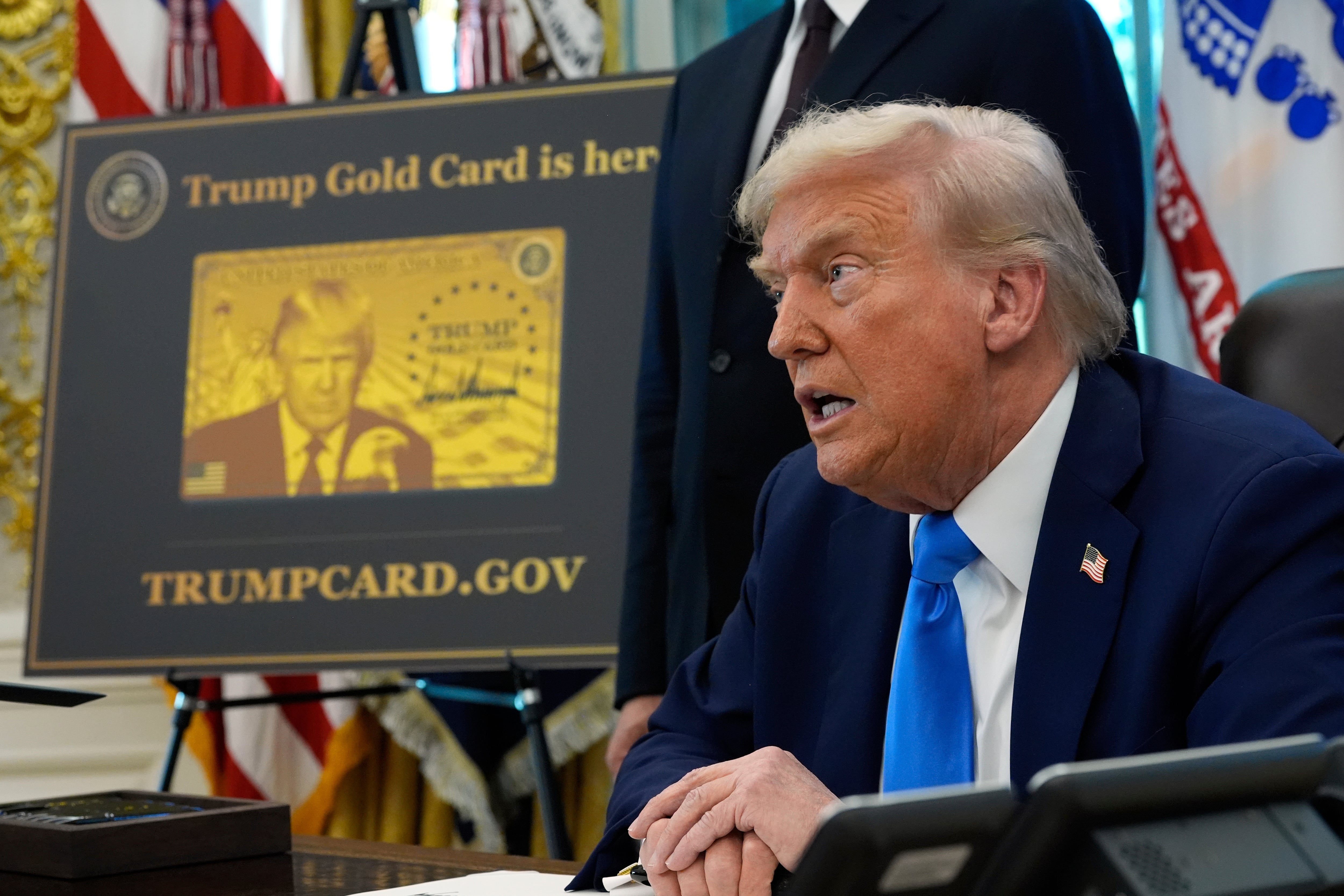
A new poll finds U.S. adults are more likely than they were a year ago to think immigrants in the country legally benefit the economy. That comes as President Donald Trump's administration imposes new restrictions targeting legal pathways into the country. The Associated Press-NORC Center for Public Affairs Research survey finds Americans are more likely than they were in March 2024 to say it’s a “major benefit” that people who come to the U.S. legally contribute to the economy and help American companies get the expertise of skilled workers. At the same time, perceptions of illegal immigration haven’t shifted meaningfully. Americans still see fewer benefits from people who come to the U.S. illegally.
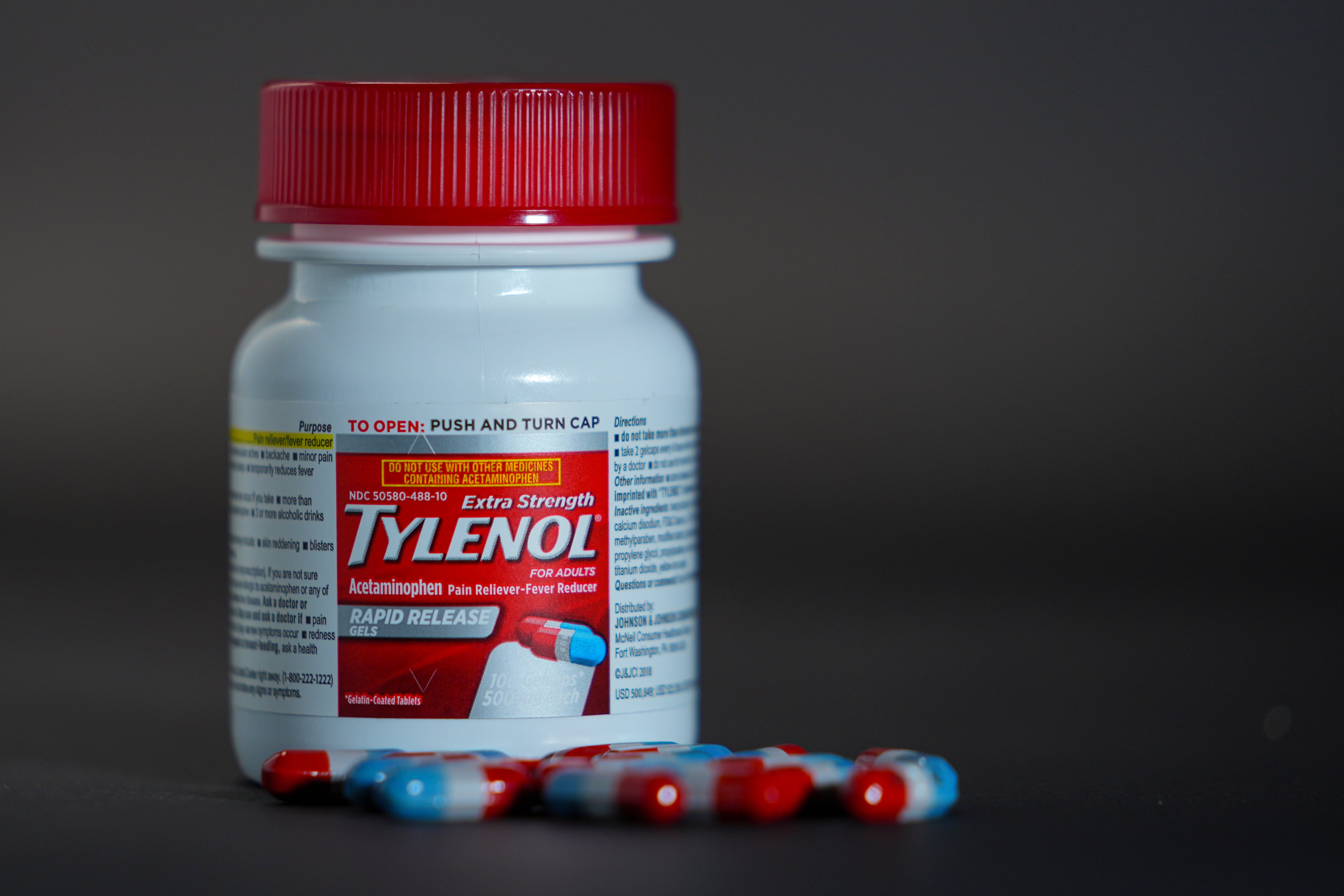
Shares of Tylenol maker Kenvue are bouncing back sharply before the opening bell a day after President Donald Trump promoted unproven and in some cases discredited ties between Tylenol, vaccines and autism. Trump told pregnant women not to use the painkiller around a dozen times during the White House news conference Monday. The drugmaker tumbled 7.5%. Shares have regained most of those losses early Tuesday in premarket trading.