Most Millennials Couldn't Afford a $1,000 Emergency, Survey Says
*By Carlo Versano*
Sixty percent of millennials would have to beg, borrow, or steal if confronted with a mere $1,000 in emergency expenses, according to a new [survey](https://www.prnewswire.com/news-releases/lendingtree-survey-finds-more-than-half-of-americans-cant-cover-a-1-000-emergency-with-savings-300769040.html) from LendingTree, which defines the generation as those between 22 and 37 in age.
But the rest of the country doesn't fare much better. Only 42 percent of Gen-X could come up with a grand to cover an emergency, and just 60 percent of Boomers. All told, less than half of all Americans could cover the cost with cash or savings.
The other half said they'd either borrow from family or friends (16 percent), sell something or use a credit card (9 percent each), work more (7 percent), or take out a loan (6 percent).
Brian Karimzad, vice president of research at LendingTree, told Cheddar that millennials were least prepared in part due to the combined $1.5 trillion in student loan debt they are carrying. But asked whether they fared worse than past generations at the same point in time, he said: "the answer is mixed."
Obviously, younger generations are more stretched and less liquid than older generations, though Karimzad noted that millennials born in the 1980s had 34 percent smaller net worth than would have been predicted based on prior generations.
And yet, there is reason to remain optimistic. "This is the most educated generation in history," he said. As millennials advance in their careers and earning potential, that 60 percent number will shrink.
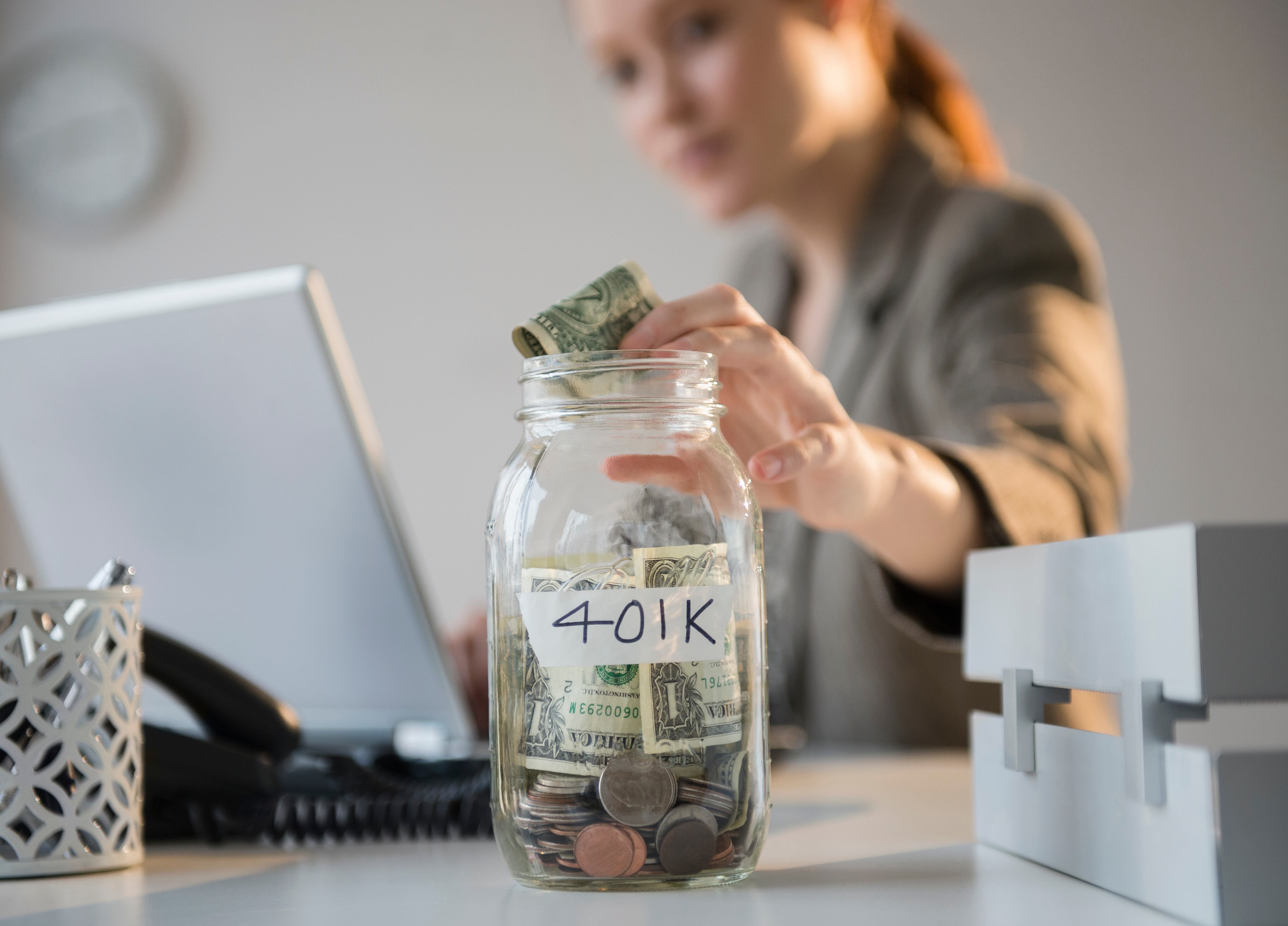
In the meantime, he has some age-old advice: Save. A 401(k) that automatically debits from a paycheck is the best way to avoid the temptation to spend that money instead, he said. However, he noted that money would not typically be available in an emergency situation.
"Try to force that savings," he said. It may be the difference between bouncing back from an emergency or going bankrupt.
For full interview [click here](https://cheddar.com/videos/60-of-millennials-dont-have-enough-for-emergency-expenses).
Bambu Ventures's Kyle Pretsch dives into Lemonaid’s $10M buyout, down from 23andMe’s $400M price tag, and what’s next after Chrome Co.’s dramatic pivot.
Former Cisco Systems CEO John Chambers learned all about technology’s volatile highs and lows as a veteran of the internet’s early boom days during the late 1990s and the ensuing meltdown that followed the mania. And now he is seeing potential signs of the cycle repeating with another transformative technology in artificial intelligence. Chambers is trying take some of the lessons he learned while riding a wave that turned Cisco into the world's most valuable company in 2000 before a crash hammered its stock price and apply them as an investor in AI startups. He recently discussed AI's promise and perils during an interview with The Associated Press.
Grove Collaborative’s CEO shares how the company is reinventing everyday goods with sustainability at the core and working toward a plastic-free future.
Atlanta Mayor Andre Dickens shares plans for affordable housing, community-led growth, and why private and public grocery stores could be key to food equity.
Tesla reported a surprise increase in sales in the third quarter as the electric car maker likely benefited from a rush by consumers to take advantage of a $7,500 credit before it expired on Sept. 30. The company reported Thursday that sales in the three months through September rose 7% compared to the same period a year ago. The gain follows two quarters of steep declines as people turned off by CEO Elon Musk’s foray into right-wing politics avoided buying his company’s cars and even protested at some dealerships. Sales rose to 497,099 vehicles, compared with 462,890 in the same period last year.
Tom’s Guide Editor-in-Chief Mark Spoonauer breaks down Apple & Amazon's latest product drops—what's hot, what's hype, and what really matters for users.