The U.S. government is offering to send another round of four at-home virus tests ahead of the typical surge in cases during the winter holiday season.
Anyone who did not order a batch of four COVID-19 tests in September can secure up to eight of them this time around starting Monday at COVIDtests.gov. The U.S. Postal Service will deliver them for free.
The government is mailing out the coronavirus tests as the flu season kicks off and a spike in RSV cases has been reported in some spots around the country. Hospitalizations for COVID-19, which has killed more than 1 million people in the United States, were on the rise this fall but have stayed steady in recent weeks. Immunity from previous vaccinations and infections has kept case counts lower compared with other years.
The new release of free COVID-19 nasal swab tests also comes ahead of the first winter since the pandemic started that insurers are no longer required to cover the cost of them. On average, at-home tests now cost $11 out of pocket, according to an analysis by the nonprofit health research firm KFF.
The Food and Drug Administration also approved updated COVID-19 vaccines in September in the hopes of revving up protection for Americans this winter. The shots target an omicron descendant named XBB.1.5, replacing older vaccines that targeted the original coronavirus strain and a much earlier omicron version. Shots are recommended for everyone age 6 months or older, but uptake has been slow.
U.S. taxpayers have spent tens of billions of dollars to develop COVID-19 tests, vaccines and treatments in the three years since the pandemic started.
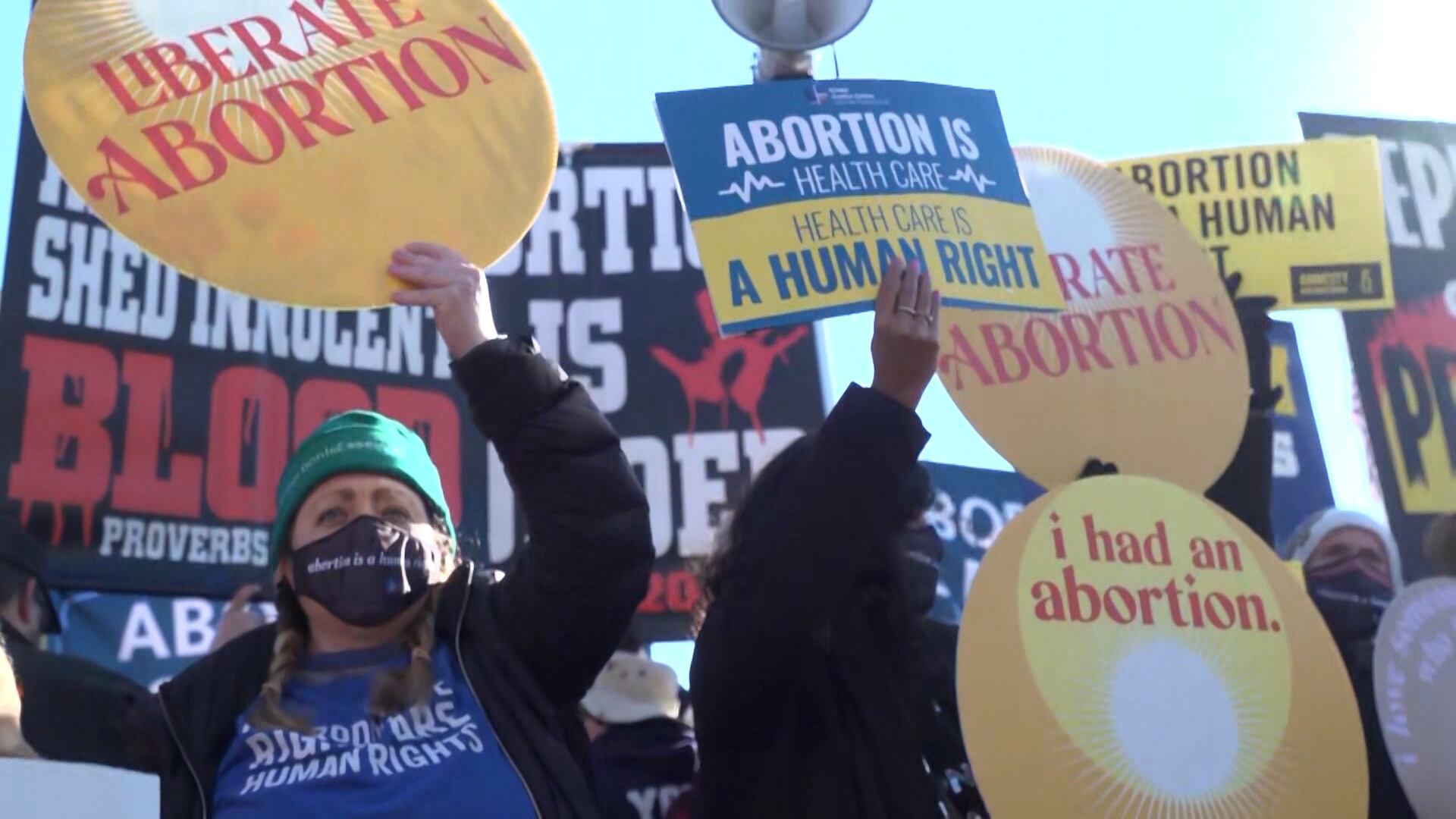
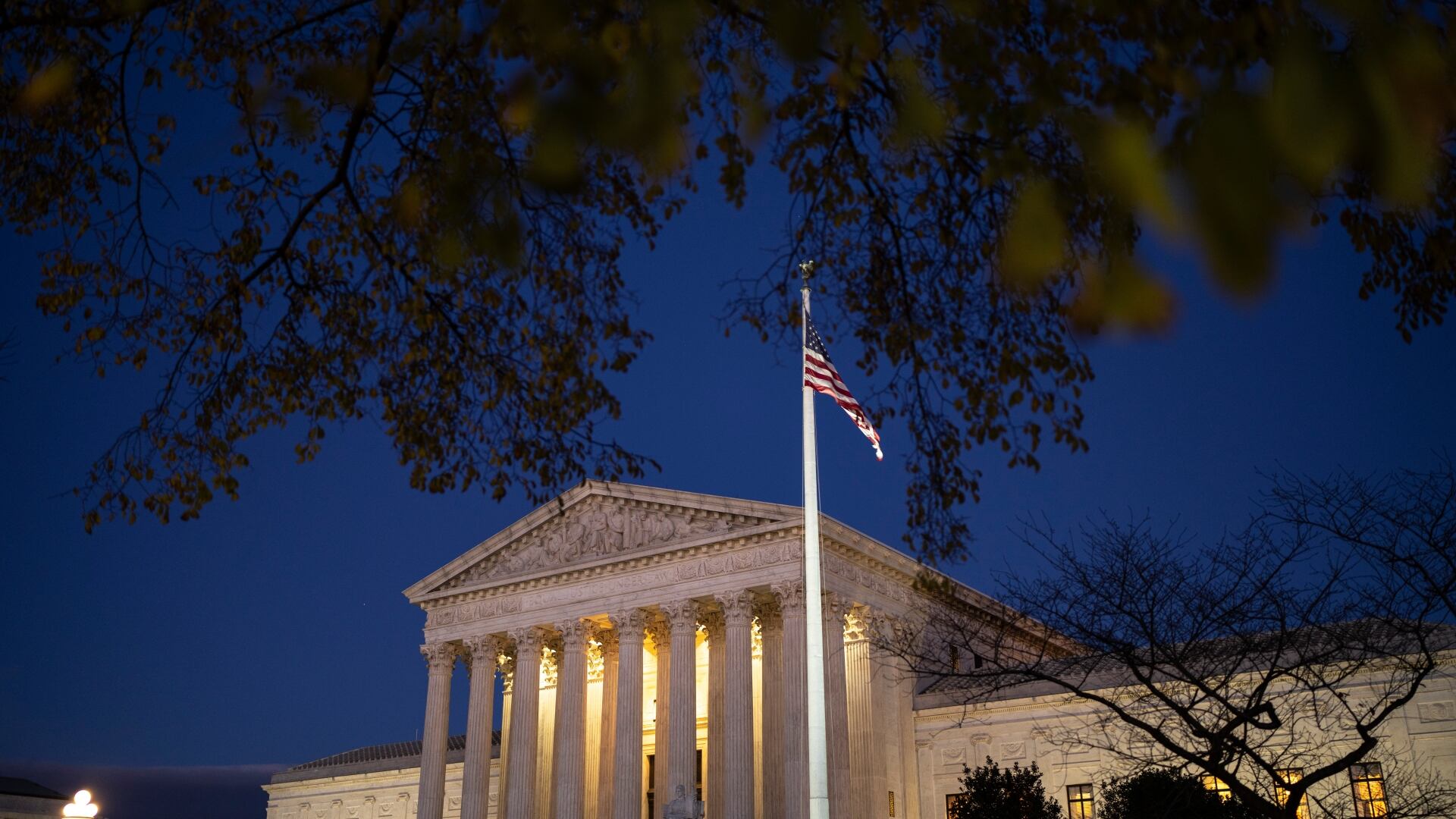
The Supreme Court appeared prepared Wednesday to uphold a Mississippi law that would ban almost all abortions after 15 weeks of pregnancy. The ruling is far from over, with Roe V. Wade at risk. Susan Rinkunas, senior reporter at Jezebel, joins Cheddar News to share the developments of the hearing.
The nine justices heard arguments Wednesday, around a Mississippi abortion law that bans the procedure after 15 weeks and appeared to lean toward upholding the law, while leaving uncertainty about the landmark precedent, Roe v. Wade. Kristin Ford, vice president of communications and research at NARAL Pro-Choice America joins Cheddar News to discuss.
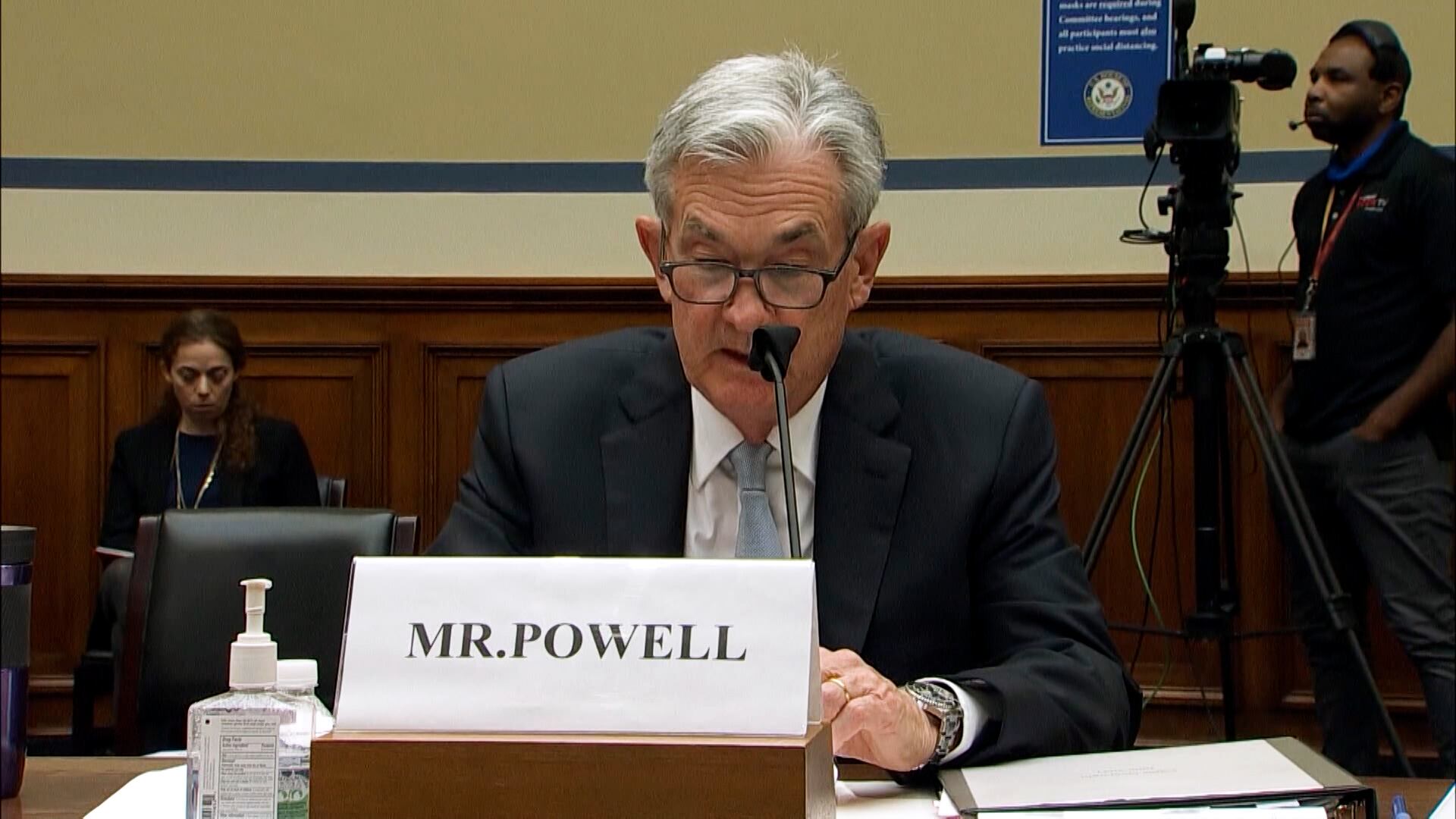
Just about a week after being re-nominated, Federal Reserve Chair Jermone Powell is changing his tune. After nearly a year of referring to inflation as 'transitory,' Powell said he will retire the 'T' word as inflation remains elevated. Christopher Russo, Post-Graduate Research Fellow, Mercatus Center joined Cheddar's Opening Bell to discuss.
Airbnb has come under fire after an Axios report found that the rental company has properties available in China's Xinjiang region where the nation has been accused of committing genocide against Uyghur Muslims, demolishing their homes, and replacing them with tourist attractions.
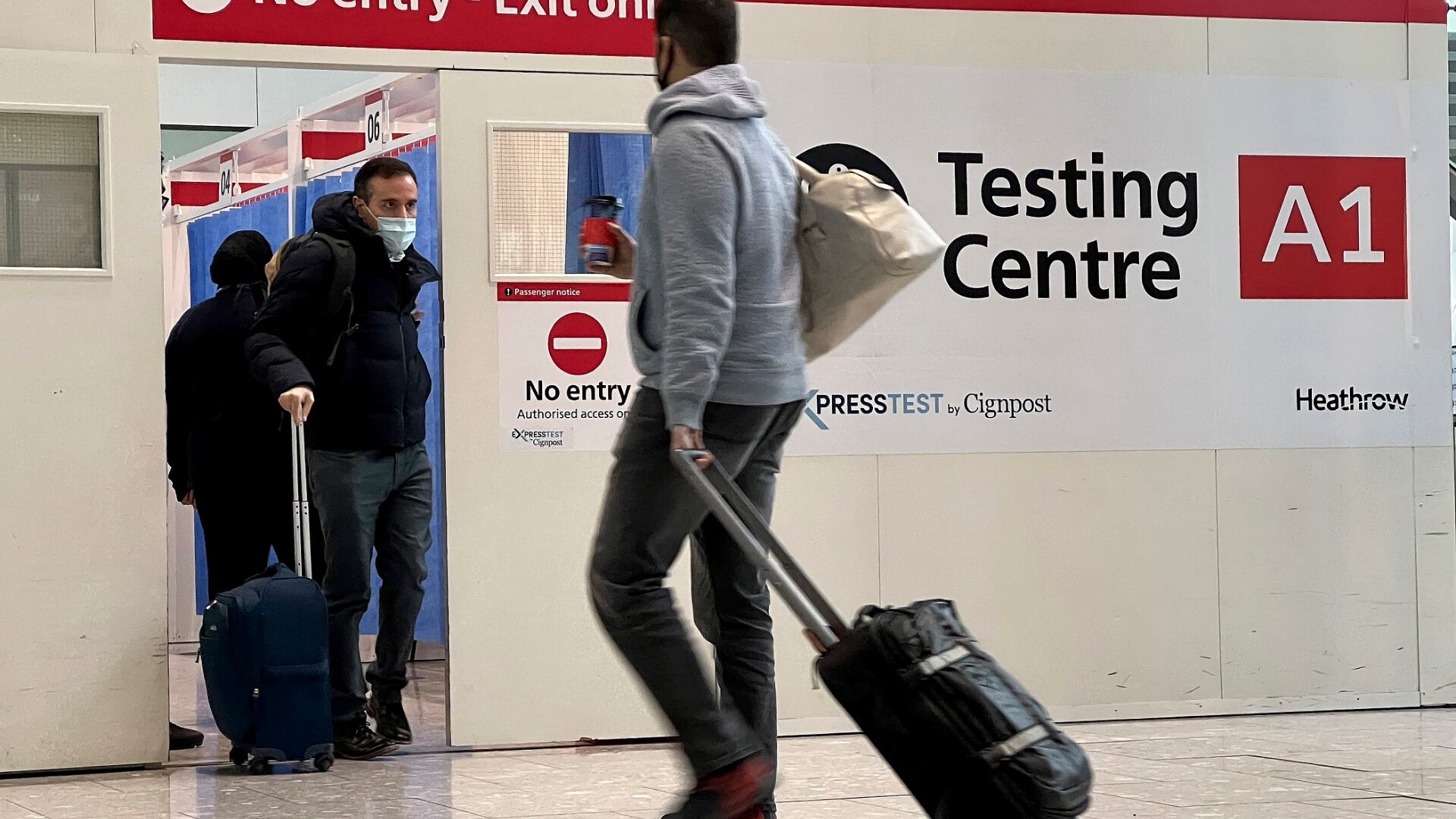
With the emergence of the omicron variant, the U.S. is considering tightening international travel guidelines. The CDC said it might reduce the window for foreign travelers to submit a negative COVID-19 test from three days prior to one day before allowing entry.
Jill and Carlo cover the latest on Omicron, another school shooting in America and more. Plus, bidding farewell to 'transitory' inflation, and the controversy surrounding 'Lovely Bones' author Alice Sebold.
Disparities in tree coverage across America is a huge issue that affects air quality, heat exposure, and ultimately determines how resilient communities are against climate change. The Build Back Better Act is allocating $2.5 billion to boost 'tree equity.' Lemir Teron, assistant professor at SUNY College of Environmental Science and Forestry, joins Cheddar News to explain why this is a priority for Democrats today.