The U.S. government is offering to send another round of four at-home virus tests ahead of the typical surge in cases during the winter holiday season.
Anyone who did not order a batch of four COVID-19 tests in September can secure up to eight of them this time around starting Monday at COVIDtests.gov. The U.S. Postal Service will deliver them for free.
The government is mailing out the coronavirus tests as the flu season kicks off and a spike in RSV cases has been reported in some spots around the country. Hospitalizations for COVID-19, which has killed more than 1 million people in the United States, were on the rise this fall but have stayed steady in recent weeks. Immunity from previous vaccinations and infections has kept case counts lower compared with other years.
The new release of free COVID-19 nasal swab tests also comes ahead of the first winter since the pandemic started that insurers are no longer required to cover the cost of them. On average, at-home tests now cost $11 out of pocket, according to an analysis by the nonprofit health research firm KFF.
The Food and Drug Administration also approved updated COVID-19 vaccines in September in the hopes of revving up protection for Americans this winter. The shots target an omicron descendant named XBB.1.5, replacing older vaccines that targeted the original coronavirus strain and a much earlier omicron version. Shots are recommended for everyone age 6 months or older, but uptake has been slow.
U.S. taxpayers have spent tens of billions of dollars to develop COVID-19 tests, vaccines and treatments in the three years since the pandemic started.
As the U.S. continues to face supply chain shortages, President Joe Biden is reassuring U.S. consumers that the supply chain is in "very strong shape" ahead of the all-important holiday season. As supply bottlenecks start to show signs of improvement, the industry may be faced with yet another challenge: the Omicron variant. Rob Caucci, Co-Founder & Co-CEO of Fillogic joined Cheddar's Opening Bell to discuss.
Markets rebounded Monday morning after Friday's deep sell-off that saw the Dow suffer its worse day since 2020. It comes as investors continue to react to the impact of the omicron variant on the broader reopening. Eddie Ghabour, Co-Owner at the Key Advisors Group joined Cheddar's Opening Bell to discuss.
Markets bounced back this morning with travel leading the gains after plunging on Monday as the first case of Omicron was detected in the U.S. Jimmy Lee, CEO, Wealth Consulting Group joined Cheddar's Opening Bell to discuss.
The market saw investors react to comments by the World Health Organization's chief scientist, who suggested existing vaccines are likely to offer protection against the new variant. According to Thomas Hayes, chairman of Great Hill Capital, the next two weeks will be crucial as the markets watch for not only the effects of the Omicron variant, but also the Fed's decision on a taper.
It's Friday at long last. Jill and Carlo cover the latest on Omicron, including a possible superspreader event in NYC. Plus, previewing the November jobs report, a new Zoom feature no one asked for, and when it's no longer a good idea to eat Thanksgiving leftovers.
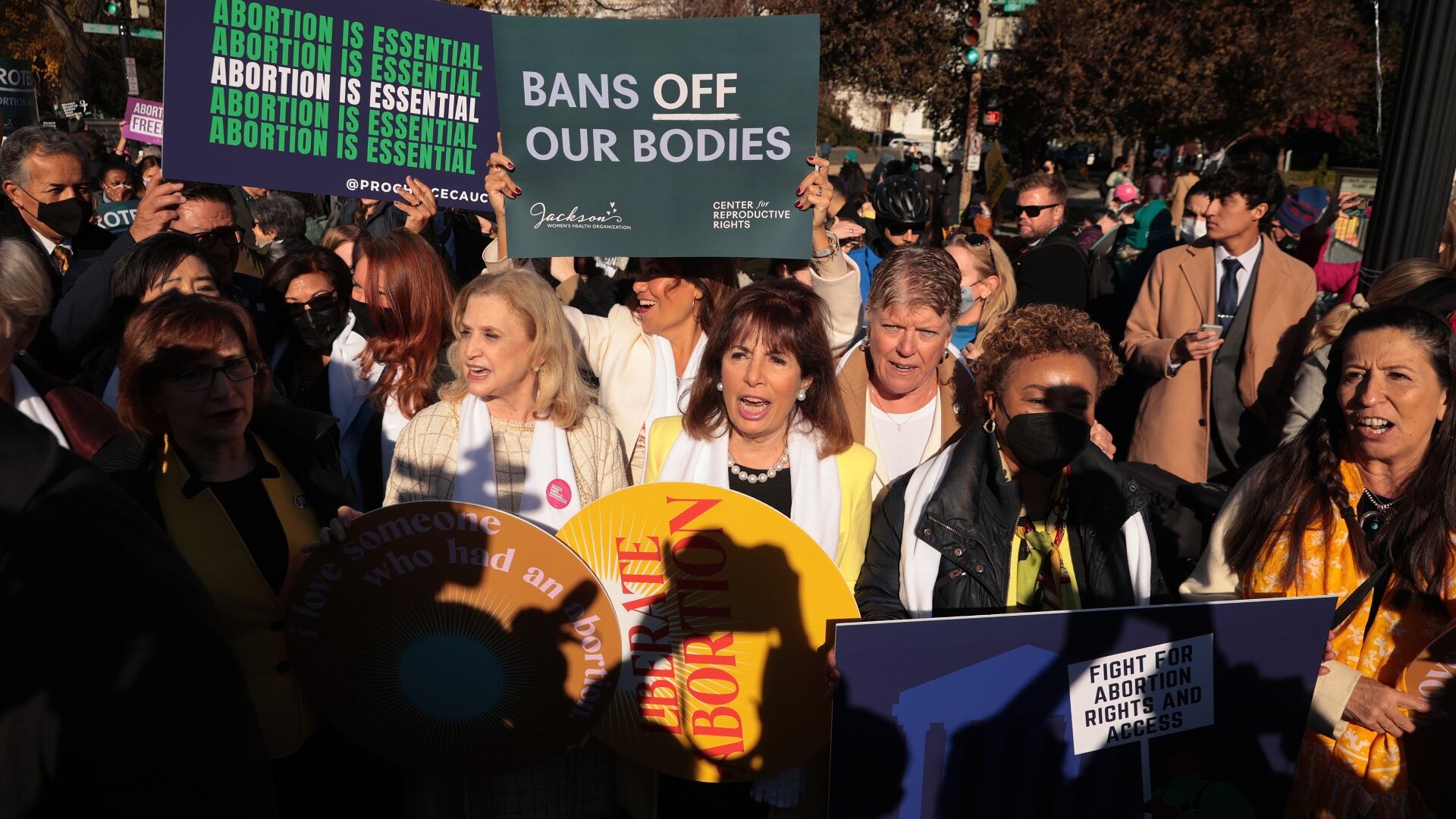
Following the Mississippi abortion case, the fate of Roe V. Wade is at stake. A decision is expected next summer, right around the time midterm candidates will be making their cases to voters. Laura Packard, executive director of Health Care Voter, joins Cheddar News to discuss how the ruling will impact upcoming elections.
Stock markets around the world continue to be impacted by fears of the new Omicron COVID-19 variant. President Biden today reiterated his stance that the new strain is cause for concern, but not cause for panic. Wells Fargo Investment Institute Global Equity Strategist Scott Wren joined Cheddar News' Closing Bell to discuss.
Jill and Carlo discuss what appears to be the beginning of the end of Roe v. Wade, another victim dies following the school shooting in Michigan, Omicron in the U.S., Trump's Covid chronology and more.