Microsoft's planned $69 billion purchase of video game company Activision Blizzard was blocked by a federal judge Tuesday, giving more time for an antitrust review of the deal.
U.S. District Judge Jacqueline Scott Corley in San Francisco ruled in support of a temporary restraining order sought by the Federal Trade Commission that will stop Microsoft from closing the deal.
In a court filing Monday, the commission had sought both a restraining order and injunction to stop Microsoft’s acquisition of the California company behind hit games such as Call of Duty, World of Warcraft and Candy Crush Saga.
Microsoft, maker of the Xbox game system, has spent months trying to win worldwide approval for the merger. While a number of countries have approved the acquisition, regulators for two important economies — the U.S. and the U.K. — have taken action to stop it, arguing it could suppress competition in the video game market.
The judge said her order temporarily blocking the deal “is necessary to maintain the status quo” while the Federal Trade Commission's legal cases against it are still pending. The bar for issuing an urgent restraining order is lower than it is to issue a preliminary injunction blocking the deal. A hearing on the commission's request for an injunction is set for June 22.
The commission said it brought its case to a federal court this week because it was concerned that Microsoft was trying to imminently close the deal before the trial begins, which would make it "difficult, if not impossible” to reverse course if the acquisition was later found to be illegal.
Microsoft said in a written statement late Tuesday that “accelerating the legal process in the U.S will ultimately bring more choice and competition to the gaming market."
“A temporary restraining order makes sense until we can receive a decision from the Court, which is moving swiftly,” the company said.
Andy Challenger, Senior Vice President of Outplacement and Executive Coaching at Challenger, Gray & Christmas, talks about the challenges employers face in hiring skilled workers and how easing requirements could impact the labor market.
Rishabh Bhandari, Managing Director, and Senior Portfolio Manager at Capstone Investment Advisors, discusses the Feds approach of aggressively tapering the balance sheet and how the energy market could fair amid top oil executives' testimony before Congress.
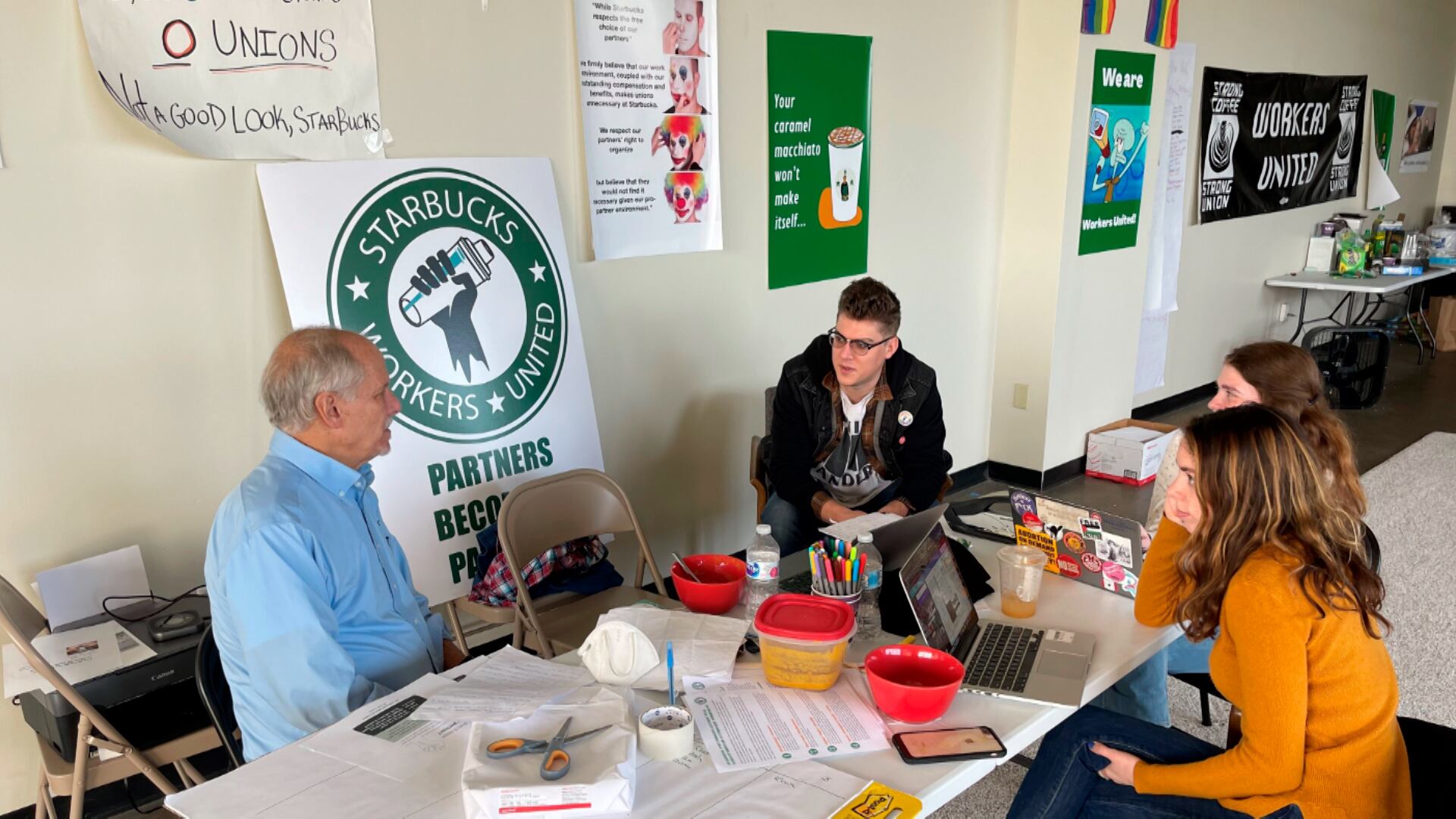
In a historic win for the organized labor movement, employees at Amazon's massive warehouse on Staten Island voted by a wide margin to form a union. Activists are now hoping the hard-won victory will offer a playbook for other workers trying to unionize, not just at Amazon, but for other major corporations and smaller organizations across the country. Mike Oles, National Field Director for Our Revolution, joined Cheddar's Opening Bell to discuss the impact of this victory on the growing organized labor movement.
The $2 trillion crypto market will soon be subject to much greater governmental oversight. SEC Chair Gary Gensler announced this week that his agency plans to register and regulate digital currencies. He also revealed that the U.S. will focus on three different areas - crypto platforms, stablecoins, and crypto tokens. Jarrod Loadholt, partner at the law firm Ice Miller, LLP, joined Cheddar News' Closing Bell to discuss.
Catching you up on what you need to know on April 6, 2022, with updates on the FDA’s meeting to discuss a second COVID booster shot, more on the war in Ukraine, tornadoes on the Gulf coast, a third suspect arrested in connection to the mass shooting in California, Darwin’s lost notebooks mysteriously returned, and more.
General Motors and Honda are teaming up to produce more affordable electric vehicles. The two carmaking giant are looking to hit a price point of less than $30,000, a much lower price when compared to most other electric vehicles priced toward luxury buyers..
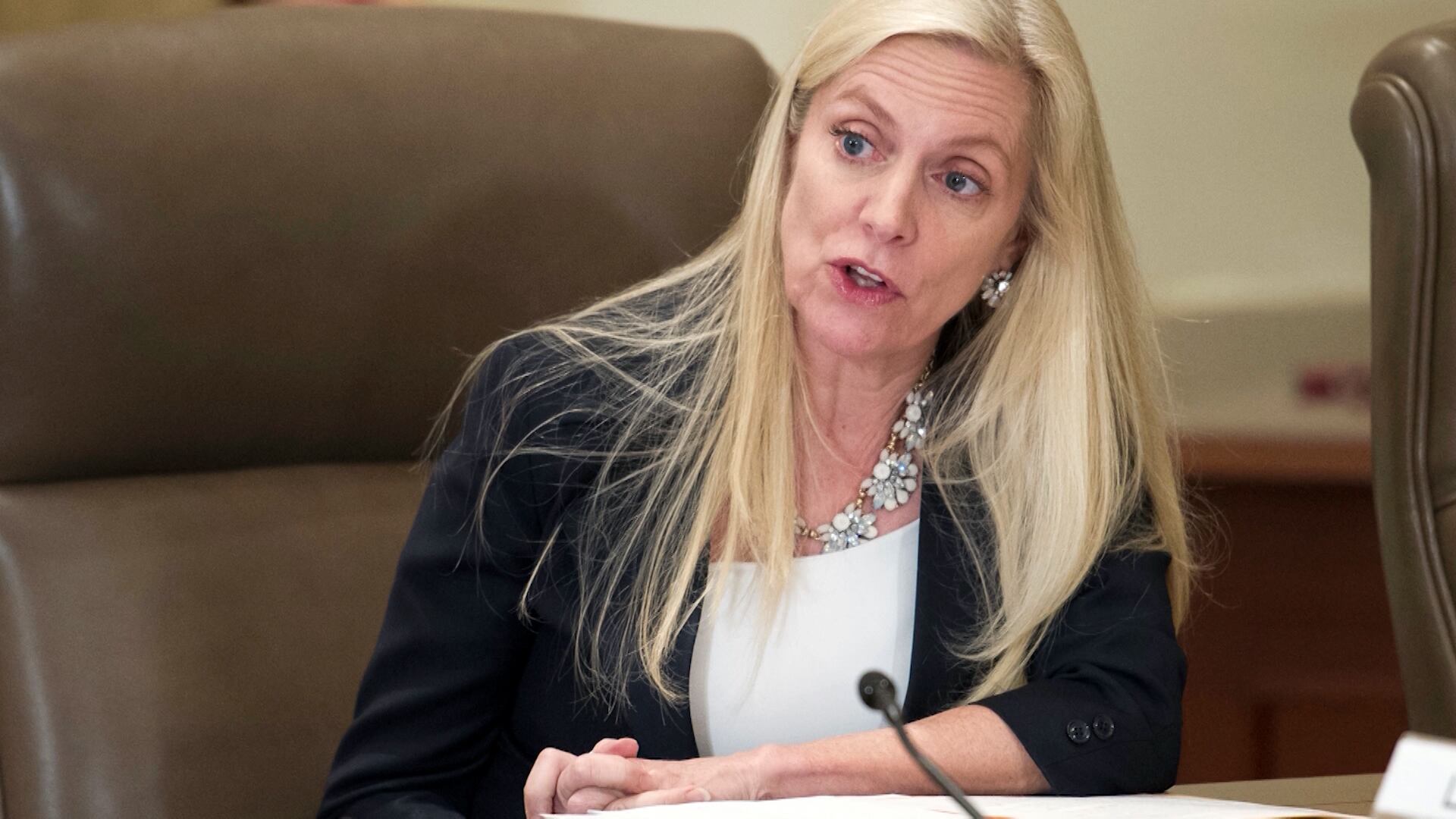
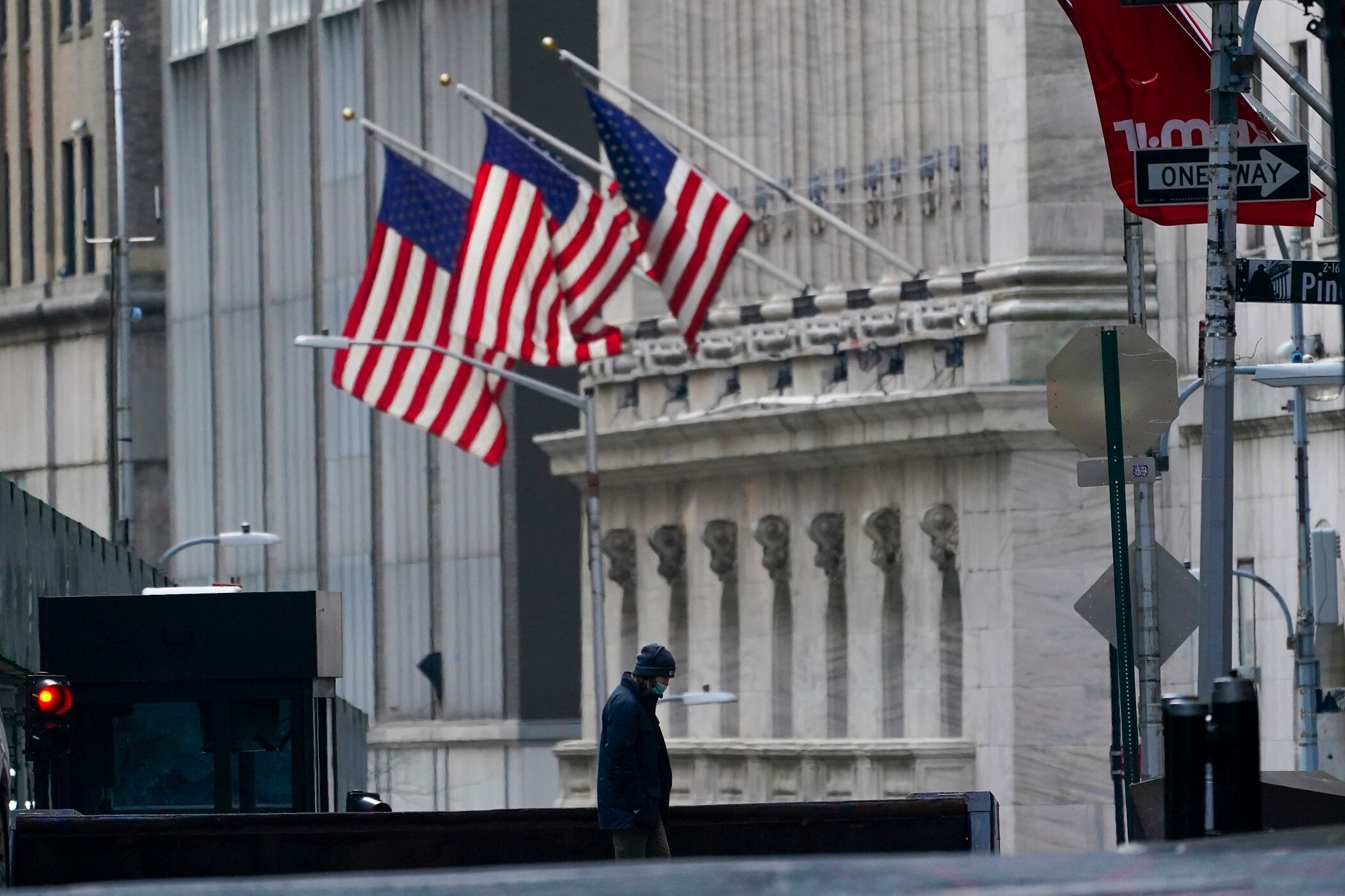
Stocks fell and bond yields rose on Wall Street Wednesday after details from last month’s Federal Reserve meeting showed the central bank intends to be aggressive in its efforts to fight inflation.