Microsoft's planned $69 billion purchase of video game company Activision Blizzard was blocked by a federal judge Tuesday, giving more time for an antitrust review of the deal.
U.S. District Judge Jacqueline Scott Corley in San Francisco ruled in support of a temporary restraining order sought by the Federal Trade Commission that will stop Microsoft from closing the deal.
In a court filing Monday, the commission had sought both a restraining order and injunction to stop Microsoft’s acquisition of the California company behind hit games such as Call of Duty, World of Warcraft and Candy Crush Saga.
Microsoft, maker of the Xbox game system, has spent months trying to win worldwide approval for the merger. While a number of countries have approved the acquisition, regulators for two important economies — the U.S. and the U.K. — have taken action to stop it, arguing it could suppress competition in the video game market.
The judge said her order temporarily blocking the deal “is necessary to maintain the status quo” while the Federal Trade Commission's legal cases against it are still pending. The bar for issuing an urgent restraining order is lower than it is to issue a preliminary injunction blocking the deal. A hearing on the commission's request for an injunction is set for June 22.
The commission said it brought its case to a federal court this week because it was concerned that Microsoft was trying to imminently close the deal before the trial begins, which would make it "difficult, if not impossible” to reverse course if the acquisition was later found to be illegal.
Microsoft said in a written statement late Tuesday that “accelerating the legal process in the U.S will ultimately bring more choice and competition to the gaming market."
“A temporary restraining order makes sense until we can receive a decision from the Court, which is moving swiftly,” the company said.
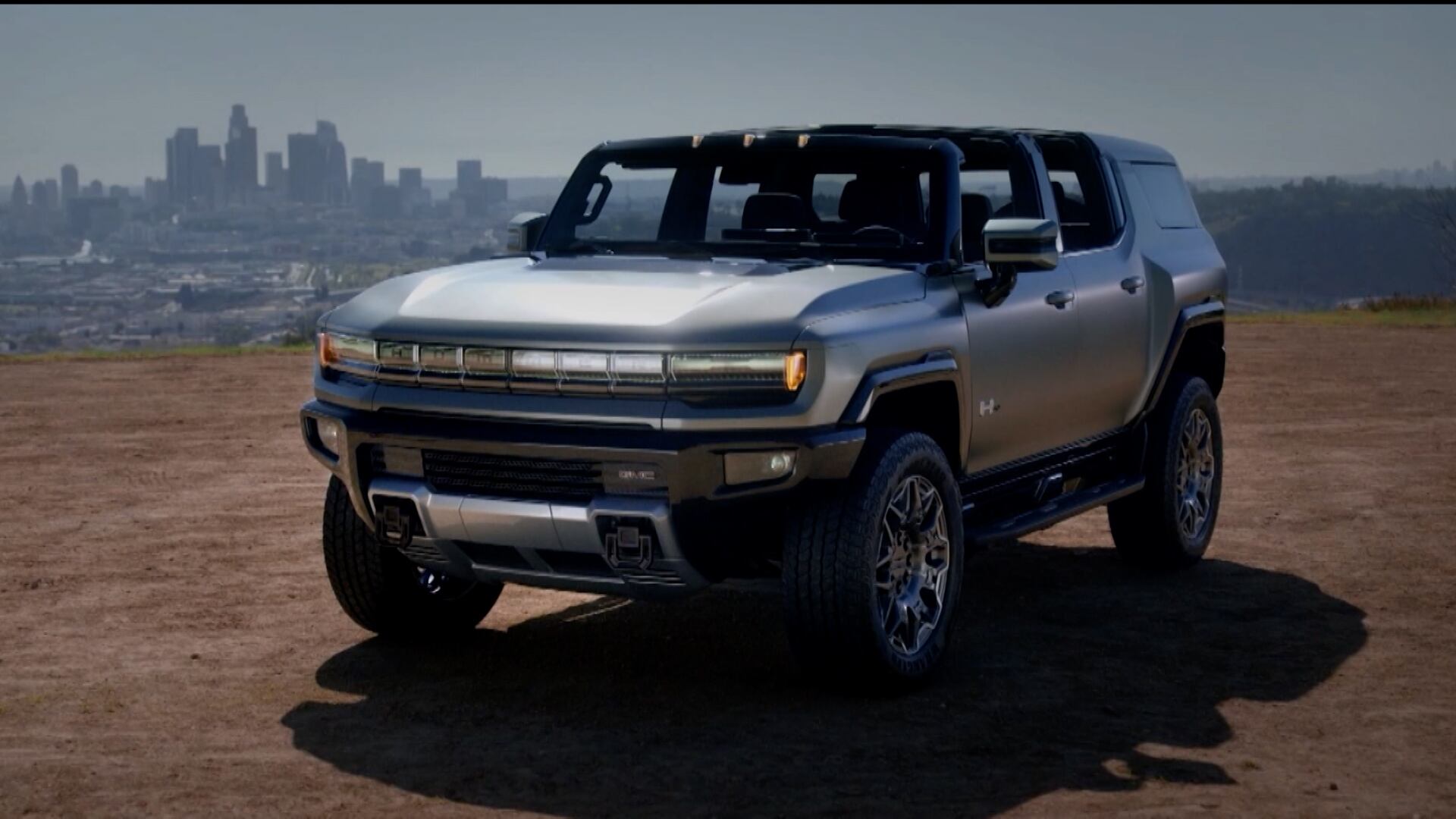
GM CFO Paul Jacobson joined Cheddar to talk about the automaker's Q3 earnings beat. Despite COVID concerns at some of its plants overseas as well as the ongoing global chip shortage, Jacobson said he expects the average sale price of GM's vehicles — around $50,000 — to remain the same going into 2022, even as inventory remains low. He also talked about plans to open more battery plants in coordination with the efforts to transform GM's fleet fully into electric vehicles.
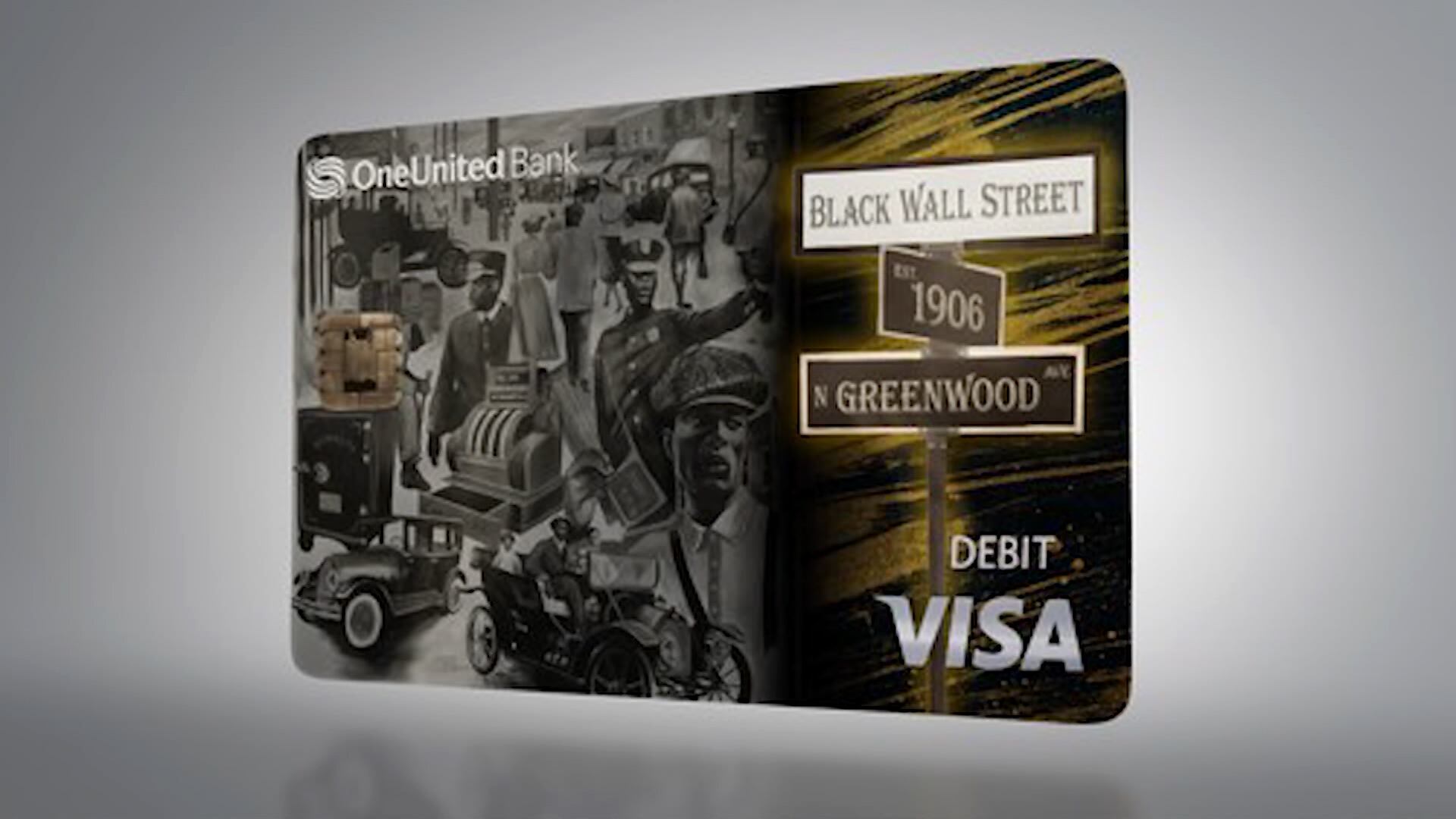
Kevin Cohee, chairman and CEO of OneUnited Bank, joined Cheddar's "Opening Bell" to talk about the launch of its Greenwood debit card keeping alive the legacy of Tulsa, Oklahoma's historic Black Wall Street. Cohee also discussed the importance of shopping with Black businesses and investing in Black-led and owned financial institutions. "Our leaders have understood, since the end of slavery, the importance of us being organized in order to be effective in a capitalist society," he said.
Alex Wilhelm, a senior editor at TechCrunch, joined Cheddar to talk about the ups and downs of fashion rental company Rent the Runway as it went public on the Nasdaq. "In the case of Rent the Runway, the economics of its core business are a little bit suspect, I think, and the company's high debt load puts a pretty serious drag on its operations," he said. "And so when you consider it's going to spend a lot of its IPO paying down debt, you wonder what's going to be left over to fund future growth."
Following the 100,000 Tesla Model-3 order by rental car company Hertz, Uber announced its drivers will be able to rent Teslas for work beginning in 2023. Of the Hertz purchased Model 3 cars, 50,000 of those will be available to Uber drivers starting at $344 per week.
A wave of companies spanning several industries is reporting their Q3 earnings reports on Wednesday. Strategic marketing across brands is said to have played a role in what's looking like a successful quarter overall.