Microsoft's planned $69 billion purchase of video game company Activision Blizzard was blocked by a federal judge Tuesday, giving more time for an antitrust review of the deal.
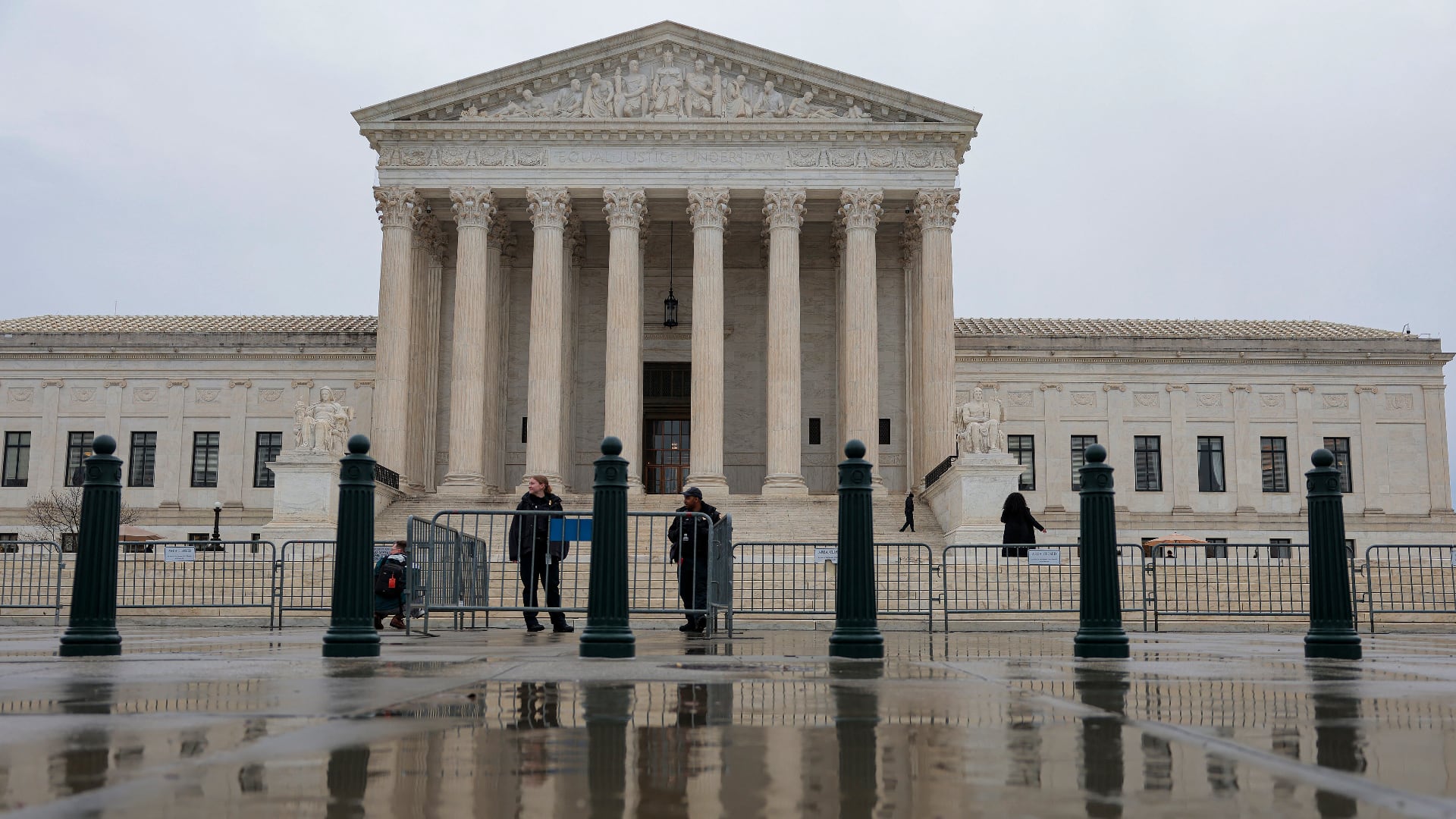
U.S. District Judge Jacqueline Scott Corley in San Francisco ruled in support of a temporary restraining order sought by the Federal Trade Commission that will stop Microsoft from closing the deal.
In a court filing Monday, the commission had sought both a restraining order and injunction to stop Microsoft’s acquisition of the California company behind hit games such as Call of Duty, World of Warcraft and Candy Crush Saga.
Microsoft, maker of the Xbox game system, has spent months trying to win worldwide approval for the merger. While a number of countries have approved the acquisition, regulators for two important economies — the U.S. and the U.K. — have taken action to stop it, arguing it could suppress competition in the video game market.
The judge said her order temporarily blocking the deal “is necessary to maintain the status quo” while the Federal Trade Commission's legal cases against it are still pending. The bar for issuing an urgent restraining order is lower than it is to issue a preliminary injunction blocking the deal. A hearing on the commission's request for an injunction is set for June 22.
The commission said it brought its case to a federal court this week because it was concerned that Microsoft was trying to imminently close the deal before the trial begins, which would make it "difficult, if not impossible” to reverse course if the acquisition was later found to be illegal.
Microsoft said in a written statement late Tuesday that “accelerating the legal process in the U.S will ultimately bring more choice and competition to the gaming market."
“A temporary restraining order makes sense until we can receive a decision from the Court, which is moving swiftly,” the company said.
The collaboration platform Slack is launching a massive revamp at its annual customer conference, aimed at creating a more flexible and connected work experience. CEO and co-founder Stewart Butterfield joined Cheddar to provide some additional details about the digital HQ upgrade.
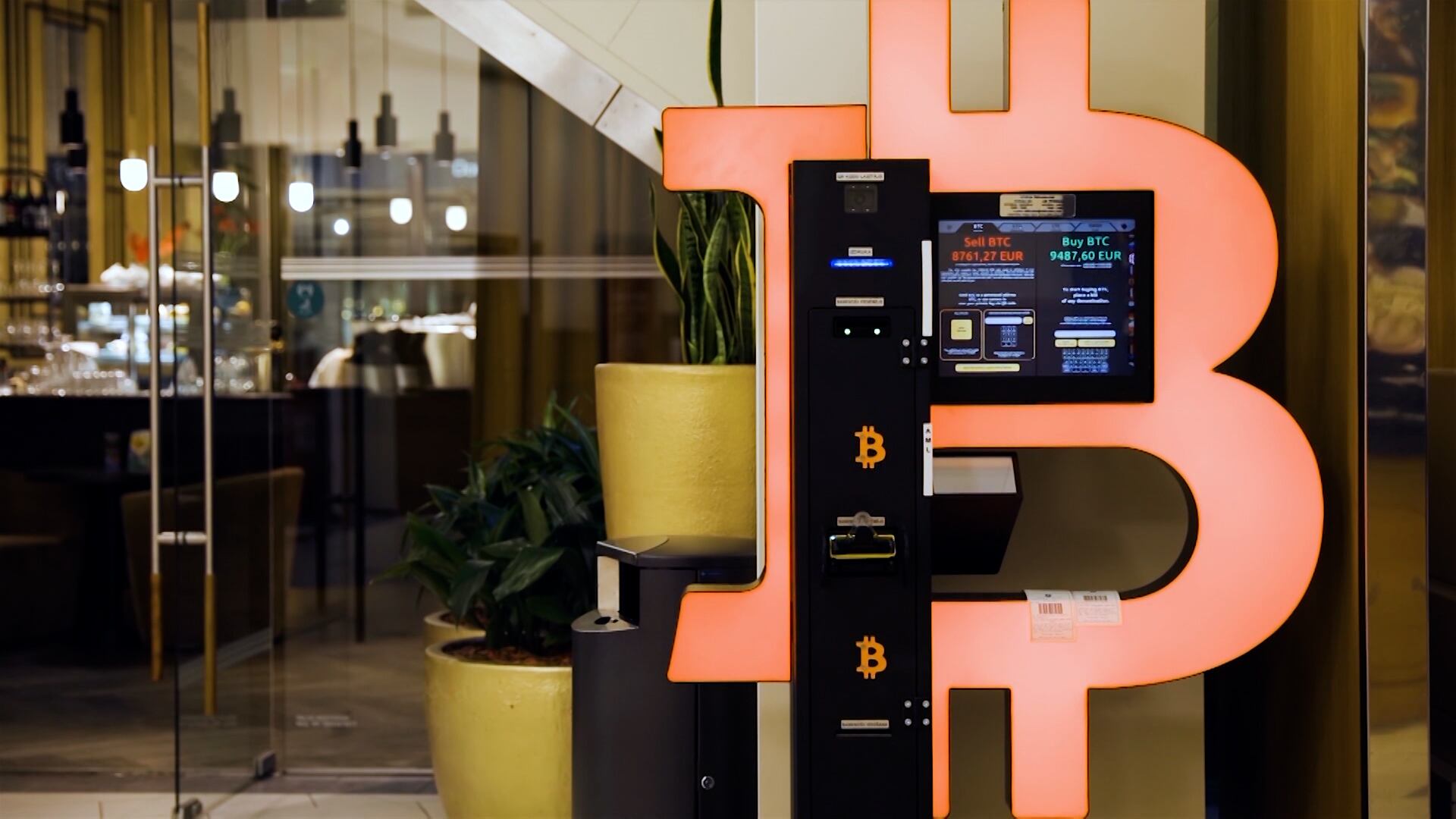
Bitcoin received its first update in four years called Taproot. Unlike the previous bitcoin update in 2017, Taproot has widespread support — in part because these changes involve fairly incremental improvements to the code. Christie Harkin, tech managing editor at CoinDesk, explained what the move could mean for the future of cryptocurrencies as a whole.
Snap has announced a licensing deal with Sony Music, giving its social media platform Snapchat access to the label's entire catalog. The deal now gives the company agreements with all of the major industry labels.
Jay-Z's Roc Nation is teaming up with The Reform Alliance to host a job fair at Madison Square Garden later this week. The event is aimed at helping disadvantaged people in NYC, including single parents and the formerly incarcerated, get jobs in the city. Participating companies include Zara, Amazon, Live Nation, VICE, and a slew of others. Dania Diaz, Managing Director, Roc Nation, joined Cheddar's Opening Bell to discuss what attendees can expect.
Kyndryl isn't wasting any time as an independent company. Just over a week after spinning off from IBM, the IT infrastructure services provider has announced its first global strategic partner in Microsoft. The two tech giants are coming together to form a new kind of power duo, creating multi-billion dollar revenue opportunities between the companies. Stephen Leonard, global alliances & partnerships leader for Kyndryl, told Cheddar more about the partnership and what it aims to achieve.
Eric Diton, President & Managing Director of The Wealth Alliance, discusses why inflation remains a long-term headwind for the market and what it means for consumer spending for the rest of the year.
Francis Oh, APAC CEO at Qraft Technologies, discusses how inflationary pressures could impact corporate earnings, and why the electric vehicle market is one to watch as ESG investing picks up.
Bitcoin has successfully activated Taproot, the cryptocurrency's first major upgrade since 2017 and a highly anticipated change to the blockchain. Taproot will introduce what's known as Schnorr signatures, which will help transactions become more private, efficient and perhaps even less expensive. Robert Hackett, a cryptocurrency expert and journalist, breaks down the new upgrade and what it means for bitcoin users.