Microsoft's planned $69 billion purchase of video game company Activision Blizzard was blocked by a federal judge Tuesday, giving more time for an antitrust review of the deal.
U.S. District Judge Jacqueline Scott Corley in San Francisco ruled in support of a temporary restraining order sought by the Federal Trade Commission that will stop Microsoft from closing the deal.
In a court filing Monday, the commission had sought both a restraining order and injunction to stop Microsoft’s acquisition of the California company behind hit games such as Call of Duty, World of Warcraft and Candy Crush Saga.
Microsoft, maker of the Xbox game system, has spent months trying to win worldwide approval for the merger. While a number of countries have approved the acquisition, regulators for two important economies — the U.S. and the U.K. — have taken action to stop it, arguing it could suppress competition in the video game market.
The judge said her order temporarily blocking the deal “is necessary to maintain the status quo” while the Federal Trade Commission's legal cases against it are still pending. The bar for issuing an urgent restraining order is lower than it is to issue a preliminary injunction blocking the deal. A hearing on the commission's request for an injunction is set for June 22.
The commission said it brought its case to a federal court this week because it was concerned that Microsoft was trying to imminently close the deal before the trial begins, which would make it "difficult, if not impossible” to reverse course if the acquisition was later found to be illegal.
Microsoft said in a written statement late Tuesday that “accelerating the legal process in the U.S will ultimately bring more choice and competition to the gaming market."
“A temporary restraining order makes sense until we can receive a decision from the Court, which is moving swiftly,” the company said.
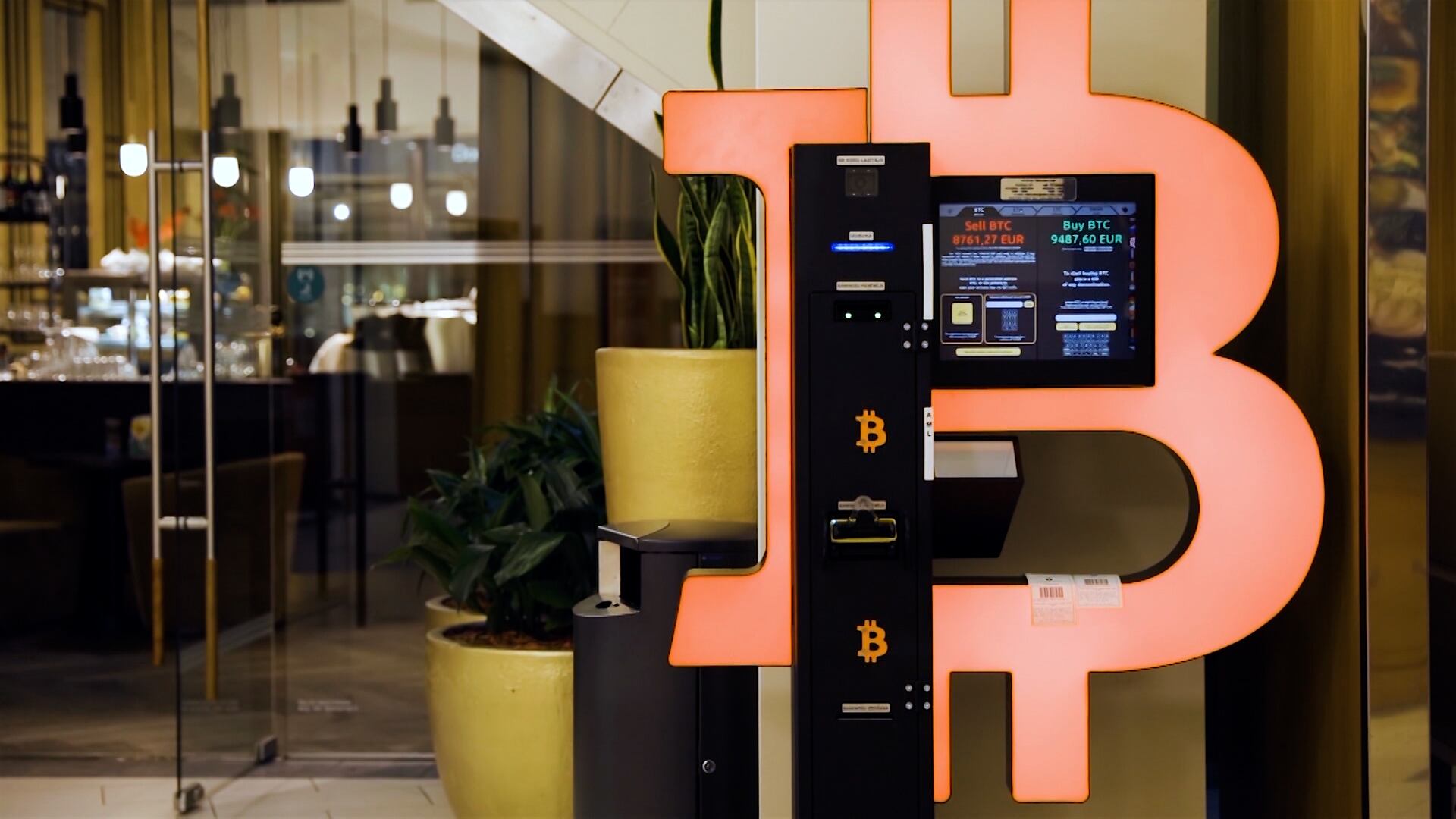
Caitlin Cook, Head of Community at Onramp Invest and VP of Operations at Onramp Academy, joins Cheddar News' Closing Bell, where she breaks down the multiple factors that contributed to the major sell-off of Bitcoin, Ether, and other cryptocurrencies late Friday night.
A lockout is now in place for Major League Baseball. The collective bargaining agreement between the league and players association expired at 11:59 p.m. Wednesday night.
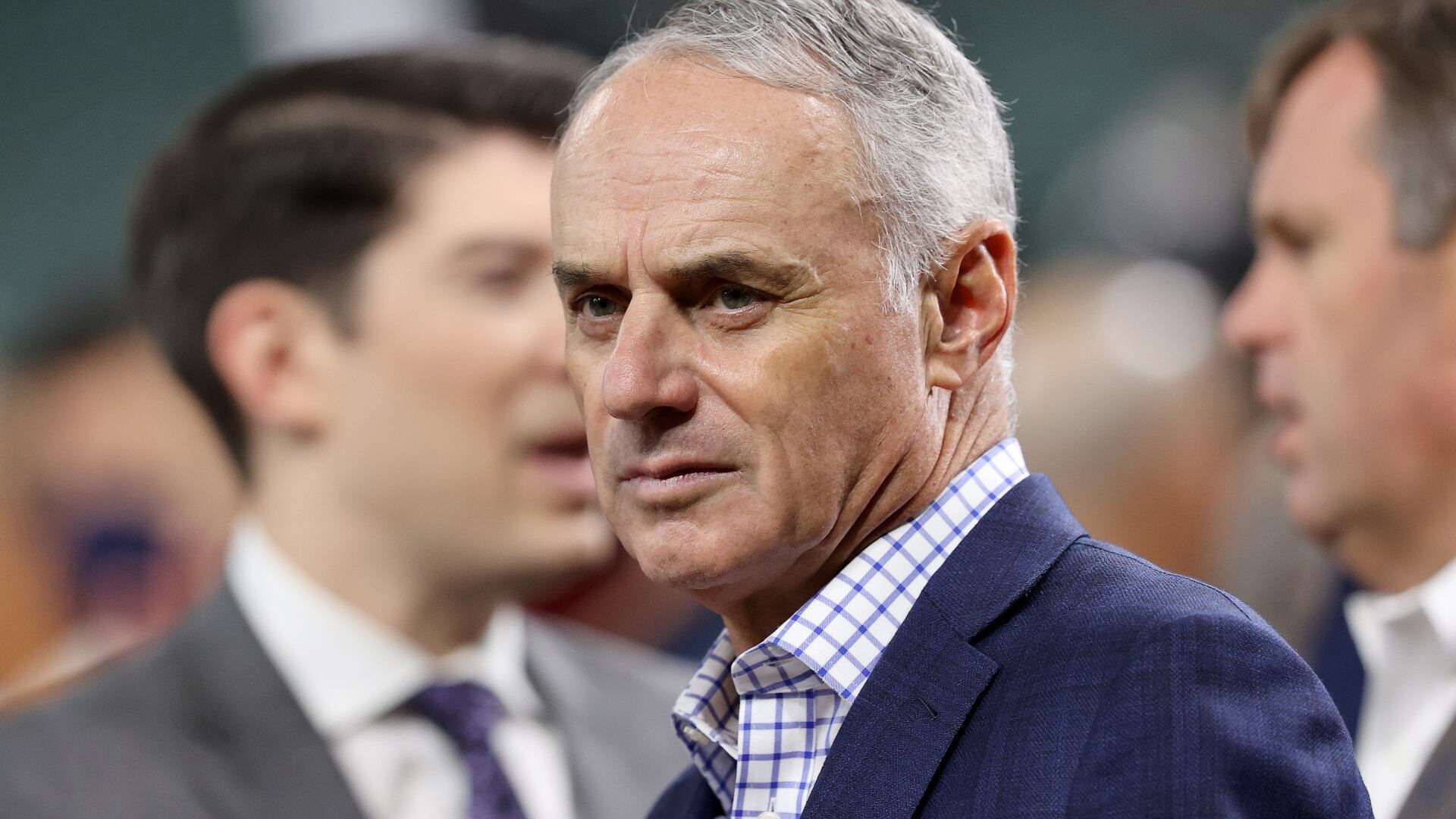
MLB commissioner Rob Manfred said both sides were unable to negotiate a new contract by that time, so the league locked out the players on Thursday at 12:01 a.m. The lockout also means trades and free agency deals have to stop for now. Dodgers Nation lead editor Clint Pasillas joined Cheddar News' Closing Bell to discuss.
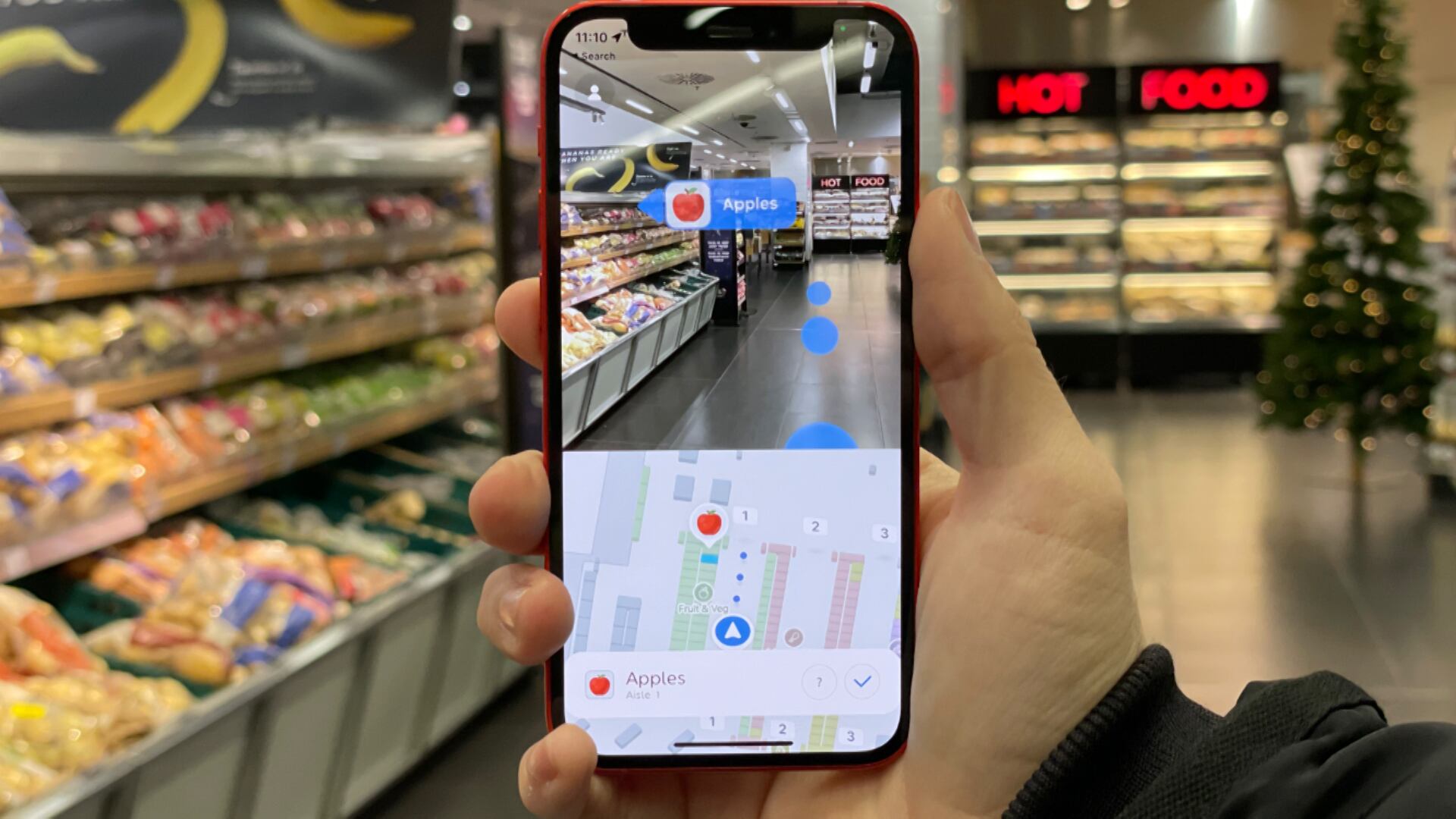
The UK-based augmented reality startup, Dent Reality, raised the equivalent of $3.4 million USD in its most recent funding round. Dent Reality has created an AR app for smartphones that helps shoppers navigate retail locations by providing a layout of a store's aisles, while showing where to find specific items. The company works mainly with grocery stores but aims to integrate its tech with all types of physical spaces. Dent Reality CEO Andrew Hart joins Cheddar News' Closing Bell to discuss.
As the electric vehicle sector continues to heat up, one company could be poised to knock Tesla from its top spot. Many analysts have issued buy ratings and raised their price targets for EV-maker Rivian, and say that the company's push into under-developed areas like electric SUVs, pickups, and delivery trucks could give it the right competitive edge to push Tesla from the number one spot. Dan Ives, Managing Director of Equity Research at Wedbush Securities, joins Cheddar News' Closing Bell to discuss Rivian's potential market domination, why their business plan sets them up for success, and more.
Cheddar's Chloe Aiello joined "Closing Bell" to break down the progress of the SAFE Banking Act in Congress as cannabis businesses operators struggle to find financial institutions that will service them. Banks face steep federal penalties, including the risk of losing a bank charter, if found to be servicing marijuana businesses even if their state has legalized operations. Aiello reported that while there was some bipartisan support for the measure in the Senate, the bill faces some opposition from conservatives with "longstanding concerns" about cannabis and progressives who prefer a more comprehensive approach to reform.
Not everything is as it seems in the supermarket. From name brands under different labels, to confusing store layouts, supermarkets employ a variety of tactics to keep you spending. Including selling products with surprising ingredients. This episode of Who Knew? unveils the secrets of our supermarkets.
The world is amidst a skyscraper boom. In 2018, 146 buildings over 650 feet were constructed. That’s more than the total amount of skyscrapers constructed between 1979 and 1999. And all this construction is transforming our cities.
Amazon and online shopping have forever changed how we shop. While I love that I can order almost anything I need with the click of the mouse, this transition from in- person retail is shuttering MUCH of the brick and mortar landscape. But in what’s been deemed the “retail apocalypse” some brick and mortar stores are actually thriving.
From talking animals, to celebrity endorsements, to commercials that pull at your heart strings, agencies are always looking for new ways to connect with you. So it’s no surprise that trends come and go. But what might surprise you is how quickly trends change. In fact, most changes can be pinpointed to a single moment.
Over the decades American pastimes have come and gone. From the soda fountain, to carhop diners, to roller rinks. These former staples of American life have slowly faded into the void. And today, it looks like the time has come for a few other beloved businesses.