Microsoft's planned $69 billion purchase of video game company Activision Blizzard was blocked by a federal judge Tuesday, giving more time for an antitrust review of the deal.
U.S. District Judge Jacqueline Scott Corley in San Francisco ruled in support of a temporary restraining order sought by the Federal Trade Commission that will stop Microsoft from closing the deal.
In a court filing Monday, the commission had sought both a restraining order and injunction to stop Microsoft’s acquisition of the California company behind hit games such as Call of Duty, World of Warcraft and Candy Crush Saga.
Microsoft, maker of the Xbox game system, has spent months trying to win worldwide approval for the merger. While a number of countries have approved the acquisition, regulators for two important economies — the U.S. and the U.K. — have taken action to stop it, arguing it could suppress competition in the video game market.
The judge said her order temporarily blocking the deal “is necessary to maintain the status quo” while the Federal Trade Commission's legal cases against it are still pending. The bar for issuing an urgent restraining order is lower than it is to issue a preliminary injunction blocking the deal. A hearing on the commission's request for an injunction is set for June 22.
The commission said it brought its case to a federal court this week because it was concerned that Microsoft was trying to imminently close the deal before the trial begins, which would make it "difficult, if not impossible” to reverse course if the acquisition was later found to be illegal.
Microsoft said in a written statement late Tuesday that “accelerating the legal process in the U.S will ultimately bring more choice and competition to the gaming market."
“A temporary restraining order makes sense until we can receive a decision from the Court, which is moving swiftly,” the company said.
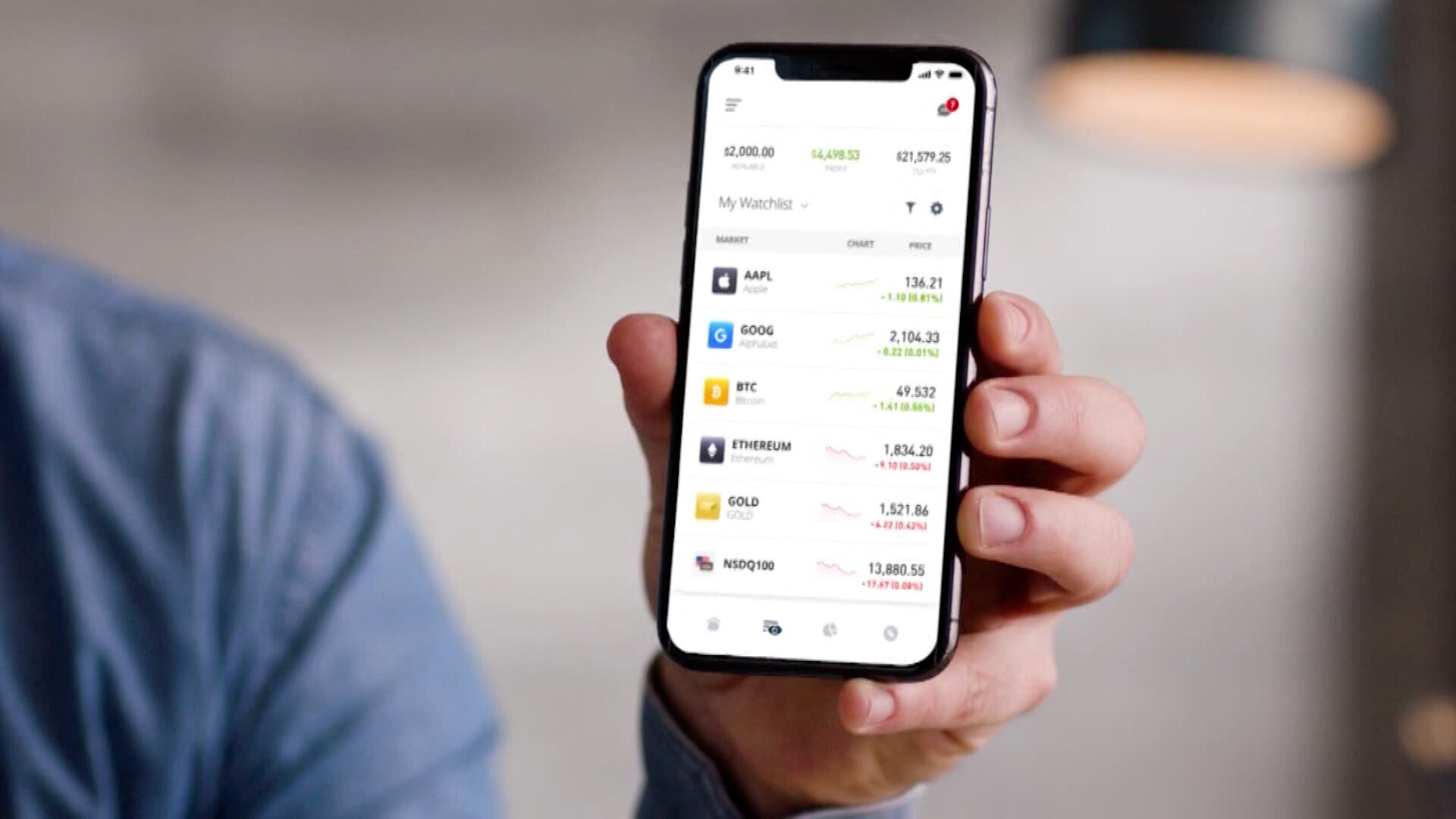
eToro, the social trading platform that offers crypto, forex, and equities, recently announced that it's giving U.S. users the option to include stocks and ETFs as part of their investment portfolios. Lule Demmissie, CEO of eToro U.S., joined Cheddar to talk about the company’s expanded offerings. "We felt, although crypto is a fantastic asset class, that individuals benefit from having a broader access to different kinds of investments, and equities is definitely one of them," Demmissie noted.
Coming off of CES, Blink Charging announced a partnership with legacy automaker General Motors to provide charging stations for its newest electric cars. The company specializes in stations they own and operate that also accommodate residential and commercial locations. Michael D. Farkas, founder and CEO, noted that they "don’t discriminate” when it comes to locating their chargers while also taking the philosophy of seeing their hardware more like hot water heaters rather than smartphones constantly in need of upgrading. "We believe it's one of the reasons why we were selected by GM," Farkas said. "These dealerships have to invest in these locations and make sure that this hardware is workable for a very, very long period of time."
Simeon Siegel, managing director and senior analyst at BMO Capital Markets joins Cheddar News to discuss CNBC's report that Peloton plans to halt production, despite the company's CEO denying those claims.
Mona Zhang, states cannabis policy reporter at POLITICO Pro joins Cheddar News to discuss major factors that caused Canada's retail marijuana sales to drop last year.
Jackie Rotman, founder and CEO of the Center for Intimacy Justice joins Cheddar News to talk about why Facebook is banning ads by companies targeting women's sexual health but not ads catered to men.
TikTok recently announced that it is testing a paid subscription model. The news comes days after Instagram publicized a similar service. TikTok has made $2.3 billion from in-app purchases, but mostly through tips, in 2021, showing that its users may be open to spending money on the platform.
The NCAA voted to streamline their constitution at their annual convention on Thursday. Each of the three college divisions can decide how student-athletes can make money from outside sources but still restricts schools from directly paying its players.
Netflix beat its earnings projections for Q4 — but the stock still plummeted as the streaming pioneer cut back on its forecast for future subscribers. Michael Robinson, the chief technology strategist at Money Map Press, joined Cheddar to discuss the report and what's driving the downward pressure on its shares. "It's the growth is really what's worrying people," he said. "'A' we have slowing economic growth, and 'B' we've got slowing growth for this company, as 'C' we have an increase in competition."