Microsoft's planned $69 billion purchase of video game company Activision Blizzard was blocked by a federal judge Tuesday, giving more time for an antitrust review of the deal.
U.S. District Judge Jacqueline Scott Corley in San Francisco ruled in support of a temporary restraining order sought by the Federal Trade Commission that will stop Microsoft from closing the deal.
In a court filing Monday, the commission had sought both a restraining order and injunction to stop Microsoft’s acquisition of the California company behind hit games such as Call of Duty, World of Warcraft and Candy Crush Saga.
Microsoft, maker of the Xbox game system, has spent months trying to win worldwide approval for the merger. While a number of countries have approved the acquisition, regulators for two important economies — the U.S. and the U.K. — have taken action to stop it, arguing it could suppress competition in the video game market.
The judge said her order temporarily blocking the deal “is necessary to maintain the status quo” while the Federal Trade Commission's legal cases against it are still pending. The bar for issuing an urgent restraining order is lower than it is to issue a preliminary injunction blocking the deal. A hearing on the commission's request for an injunction is set for June 22.
The commission said it brought its case to a federal court this week because it was concerned that Microsoft was trying to imminently close the deal before the trial begins, which would make it "difficult, if not impossible” to reverse course if the acquisition was later found to be illegal.
Microsoft said in a written statement late Tuesday that “accelerating the legal process in the U.S will ultimately bring more choice and competition to the gaming market."
“A temporary restraining order makes sense until we can receive a decision from the Court, which is moving swiftly,” the company said.
American semiconductor company, Intel officially announcing plans to build a new $20 billion chip manufacturing complex outside Columbus, Ohio. This comes as the global chip shortage continues to hamper production of everything from smart phones, to cars. Jennifer Smith - Logistics and Supply Chain Reporter, WSJ joined Cheddar's Opening Bell to discuss.
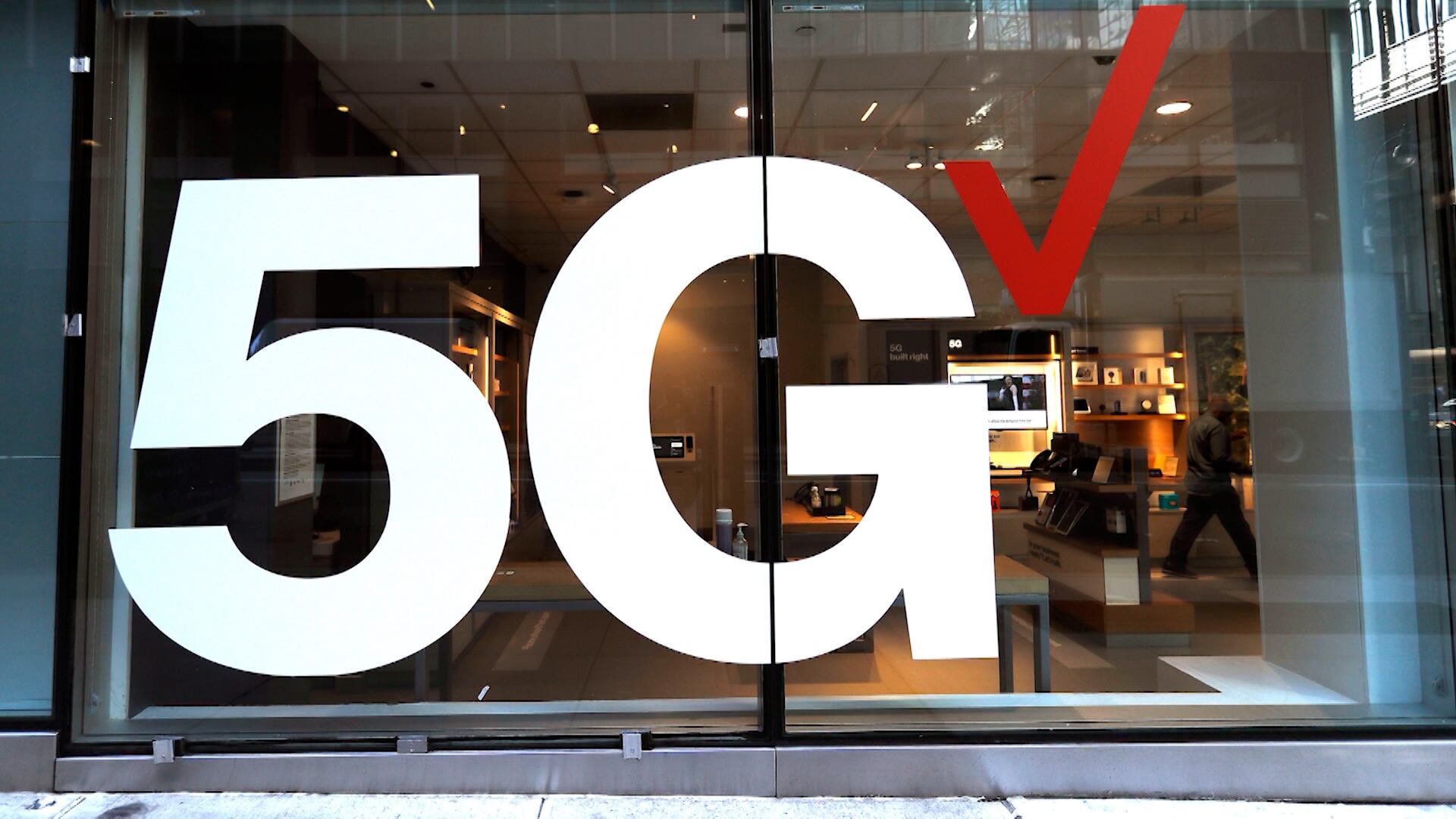
Verizon and AT&T officially launched their 5G wireless services Wednesday across the U.S. Despite pushback from U.S. airlines and the FAA over safety concerns, the telecom giants rolled out the next generation of wireless cellular technology, with speeds up to 20 times faster than 4G LTE. John Biggs, Editor, Tech Crunch joined Cheddar's Opening Bell to discuss.
Earnings season kicks into high gear this week as big players are on tap to report their Q4 numbers, including Microsoft, Apple, and Tesla. Investors will be watching for key indicators on how the companies are dealing with inflation, Omicron and interest rates. Christine Short, VP of Research, Wall Street Horizon joined Cheddar's Opening Bell to discuss.
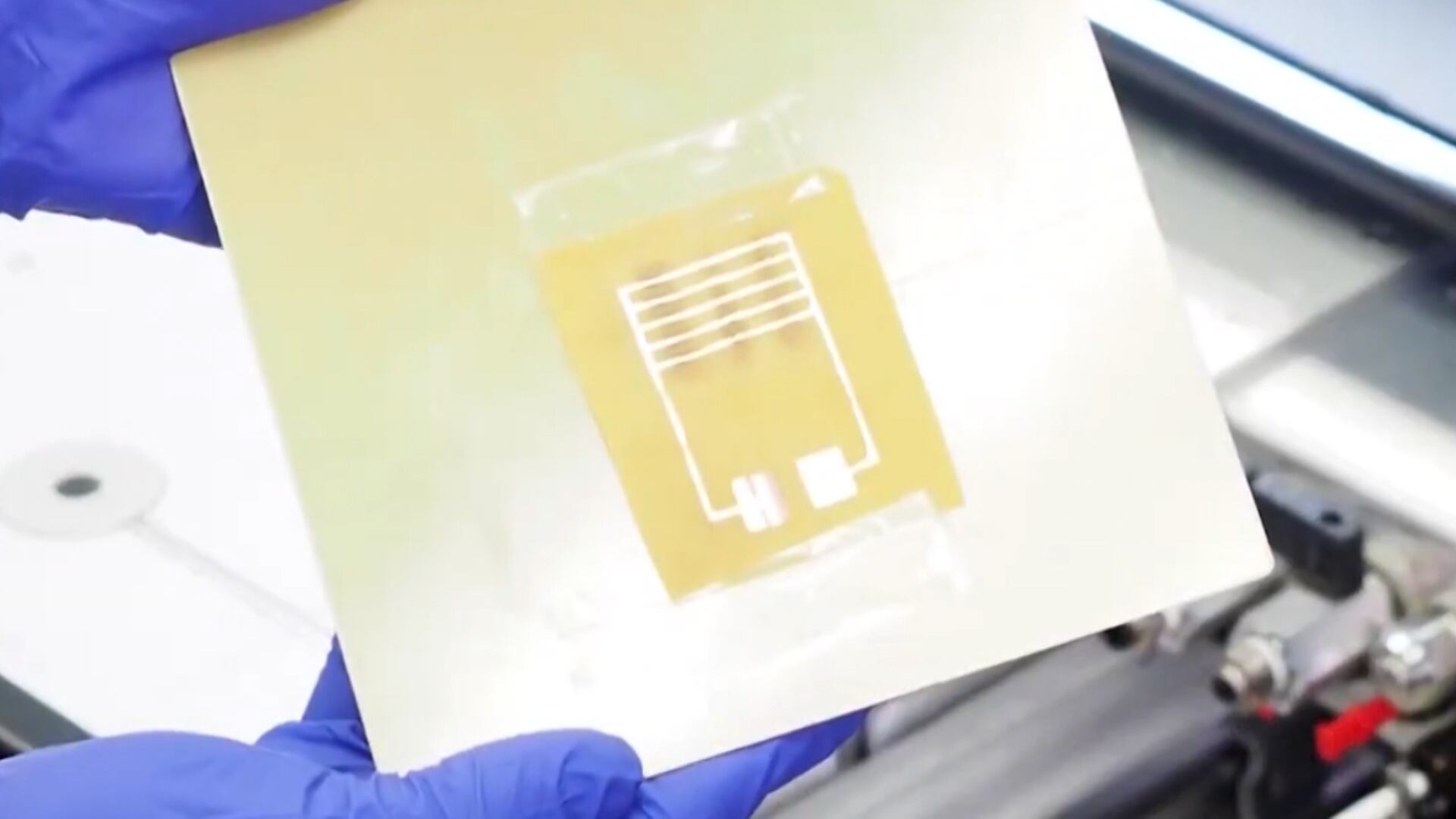
Stan Farnsworth, chief marketing officer at PulseForge, joined Cheddar to talk about his company's debut at CES 2022 and how it plans to innovate the sustainable tech manufacturing space. PulseForge is bringing a new approach to industrial thermal processing, which contributes to 30 percent of global greenhouse gas emissions, according to Farnsworth. "By using 85 percent less energy in the processing of materials through a variety of manufacturing processes, we can make a direct impact in reducing carbon output and reducing carbon footprint associated with manufacturing," he said.
Oliver Chen, senior retail analyst at Cowen, joined Cheddar's "Opening Bell" to discuss the latest details about department store chain Kohl's after it received at least two offers from buyers to take the company private. Chen stated that Kohl's is an attractive landing spot for prospective buyers because of its premium real estate and undervalued stock prices. He also noted that despite the rise in online shopping, there is still room for brick and mortar shops to flourish. "We're very bullish on bricks meets clicks. The integration of stores and digital," Chen told Cheddar. "People love to return items in stores, people love the treasure hunt of shopping and the convenience and immediacy of stores."