Microsoft started 2020 with a bold plan: become carbon negative by 2030. Now it's announced a new coalition of global companies with the goal of catalyzing the shift away from fossil fuels.
"This has to be about much more than just Microsoft," Lucas Joppa, chief environmental officer at Microsoft, told Cheddar. "This has to be about leading companies across the private sector coming together to work on this challenge."
The industry and continent-spanning coalition, dubbed Transform to Net Zero, includes Maersk, Danone, Mercedes-Benz AG, Microsoft, Natura & Co, Nike, Starbucks, Unilever, and Wipro.
"What we're focusing on is going beyond making commitments," he said. "We need all companies to make meaningful, significant climate commitments. But those of us that have made those commitments, now it's time to get to work."
One shared goal of the group will be to develop playbooks based on their experiences decarbonizing, which they can then share with other companies unsure of how to proceed.
Microsoft's short-term goal is to remove 1 million metric tons of carbon from the environment within the year. It began the process this week by issuing what it calls a "groundbreaking" request for a proposal to source technology and nature-based carbon removal solutions from other firms.
Another piece of Microsoft's climate plan is switching its data centers to renewable energy sources. The company is partnering with Sol Systems, energy developer and investor, to build that capacity in communities that have been disproportionately impacted by pollution.
This will be the first major investment from the company's $1 billion Climate Innovation Fund that launched in January.
The partnership aims to add 500 megawatts to Microsoft's renewable energy portfolio, which already has approximately 1.9 gigawatts, according to Joppa. Microsoft says 500 megawatts would provide enough energy to power 70,000 U.S. homes.
Joppa said Microsoft is shooting for 100 percent renewable energy by 2025.
As Microsoft attempts to drive change in the corporate sector, Joppa is still banking on the public sector to step up with new regulations to combat climate change.
"It can't just be about us," Joppa said. "I believe that we need a much more level playing field. We need everybody to be required and incentivized to go and operate in this space, to move everybody's business practices to net zero by 2050. Ultimately we're going to need regulation and policy to get us there."
February is usually a key time of year for the toy industry, with thousands of toys making their debut at the New York Toy Fair. Although this year's event was canceled due to the ongoing pandemic, toy makers are still pumped up to unveil their newest gizmos and gadgets. Maddie Michalik, senior editor of The Toy Insider, joins Cheddar News to break down all things toy related.
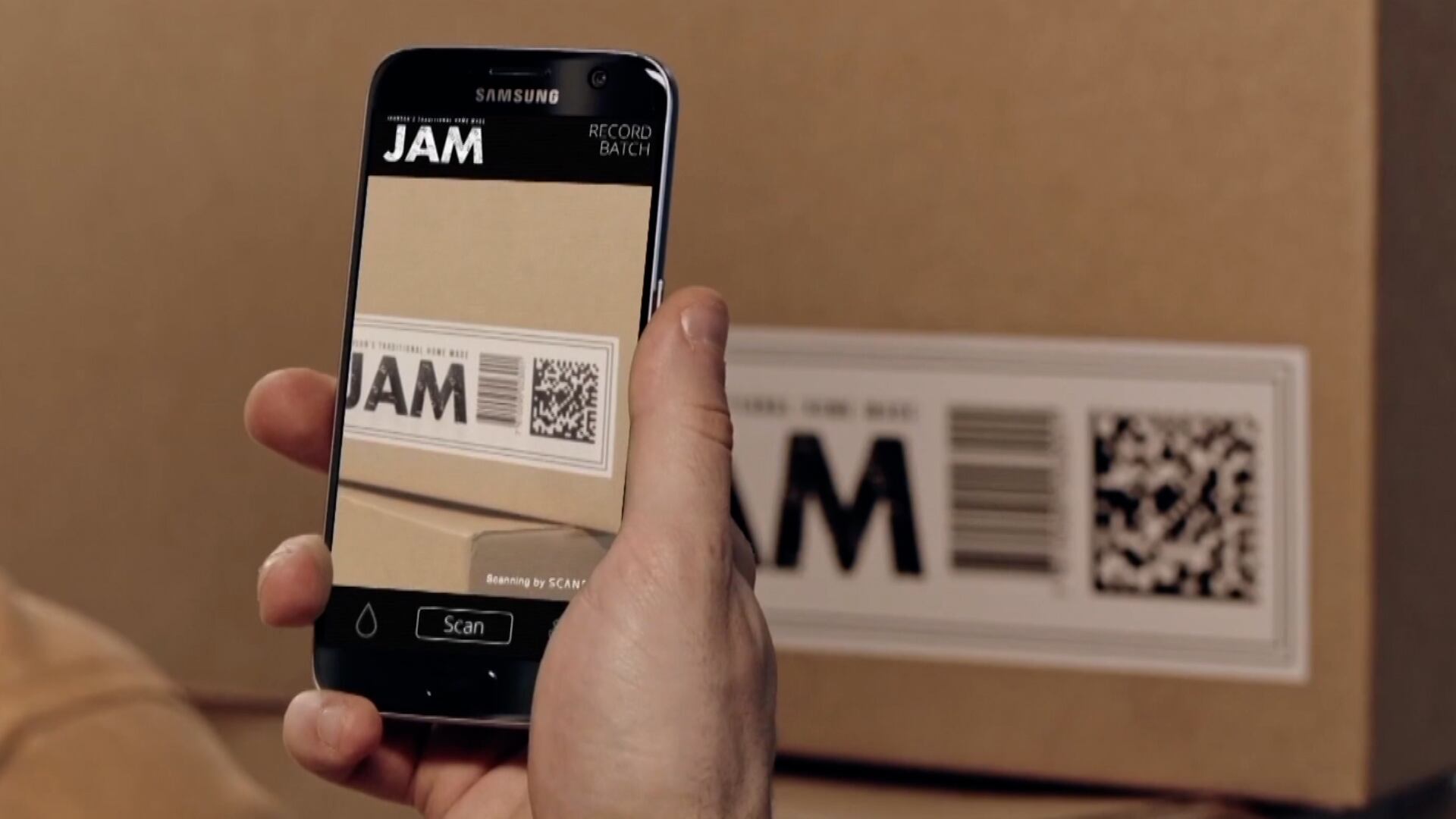
Smart data capture company Scandit recently announced a $150 million Series D funding round led by Warburg Pincus, propelling the company to unicorn status with a valuation of more than $1 billion. Scandit develops augmented reality and mobile computer vision technologies that tap into the cameras on smart devices. The startup's platform can be used to interact with retail items and have a more personalized experience while shopping. Scandit says its technology is also being used by industries like transportation, healthcare, and manufacturing. Samuel Mueller, co-founder and CEO of Scandit, joins Cheddar News' Closing Bell to discuss.
A new report shows nearly 240 former officials in Congress, the White House, and regulatory agencies have changed careers to work in the crypto industry.
February 20 marks what would have been Kurt Cobain’s 55th birthday, and NFT gateway Pop Legendz will be offering up a collection of rare images from a 1991 Nirvana show in Philadelphia that took places days before their monster hit album "Nevermind" was to be released. Faith West, the founder of Pop Legendz, music journalist, and the photographer who captured it on film joined Cheddar News to talk about the historic event and the NFT sales where half the proceeds will go to charities like the Trevor Project and GRID Alternatives. “I showed up at a small club, 150 people, not quite know what to expect, brought my camera, and halfway through the show I knew music history was being made," West said of the iconic evening.
Arkansas corporations, private investors and the government are coming together in the hopes to make the state a global leader in the future of transportation. Governor Asa Hutchinson joined Cheddar News to relay the council's plans. "I created the Council on Future Mobility to look at expanding drone delivery, to be able to utilize autonomous or driverless vehicles in delivery, and then also to be able to look at the future and whether you can have driverless or flying cars that can be imagined," he said. Hutchinson also stated that the council will take the safety measures needed before bringing along potentially unsafe tech.
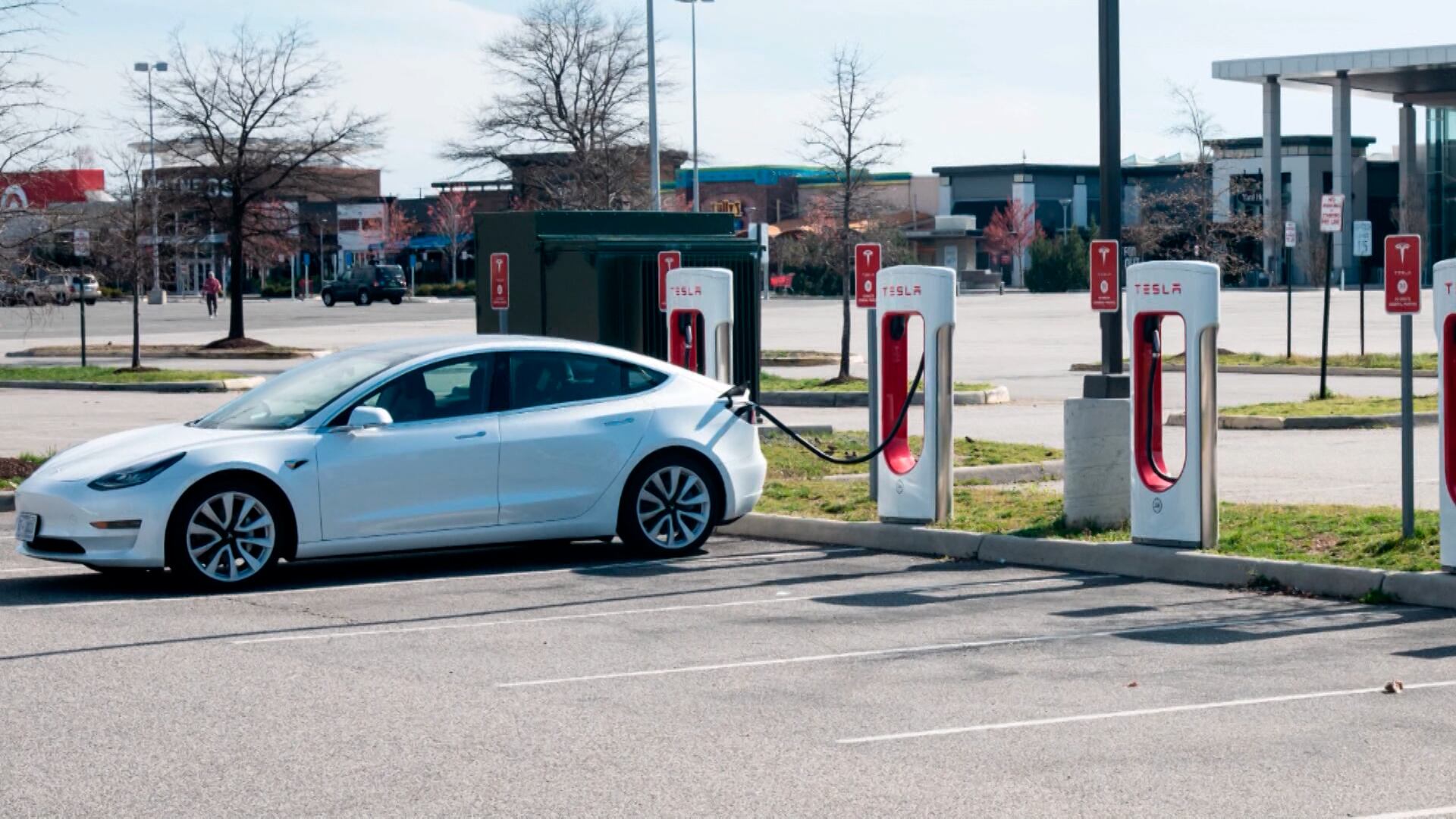
Ford is reportedly considering separating its Electric Vehicle business from its other operations, in hopes of it becoming even more valuable as the company shifts toward electric vehicles. Dan Ives, Managing Director of Equity Research, Wedbush Securities joined Cheddar's 'Opening Bell' to discuss where the company stands in the race toward electrification.
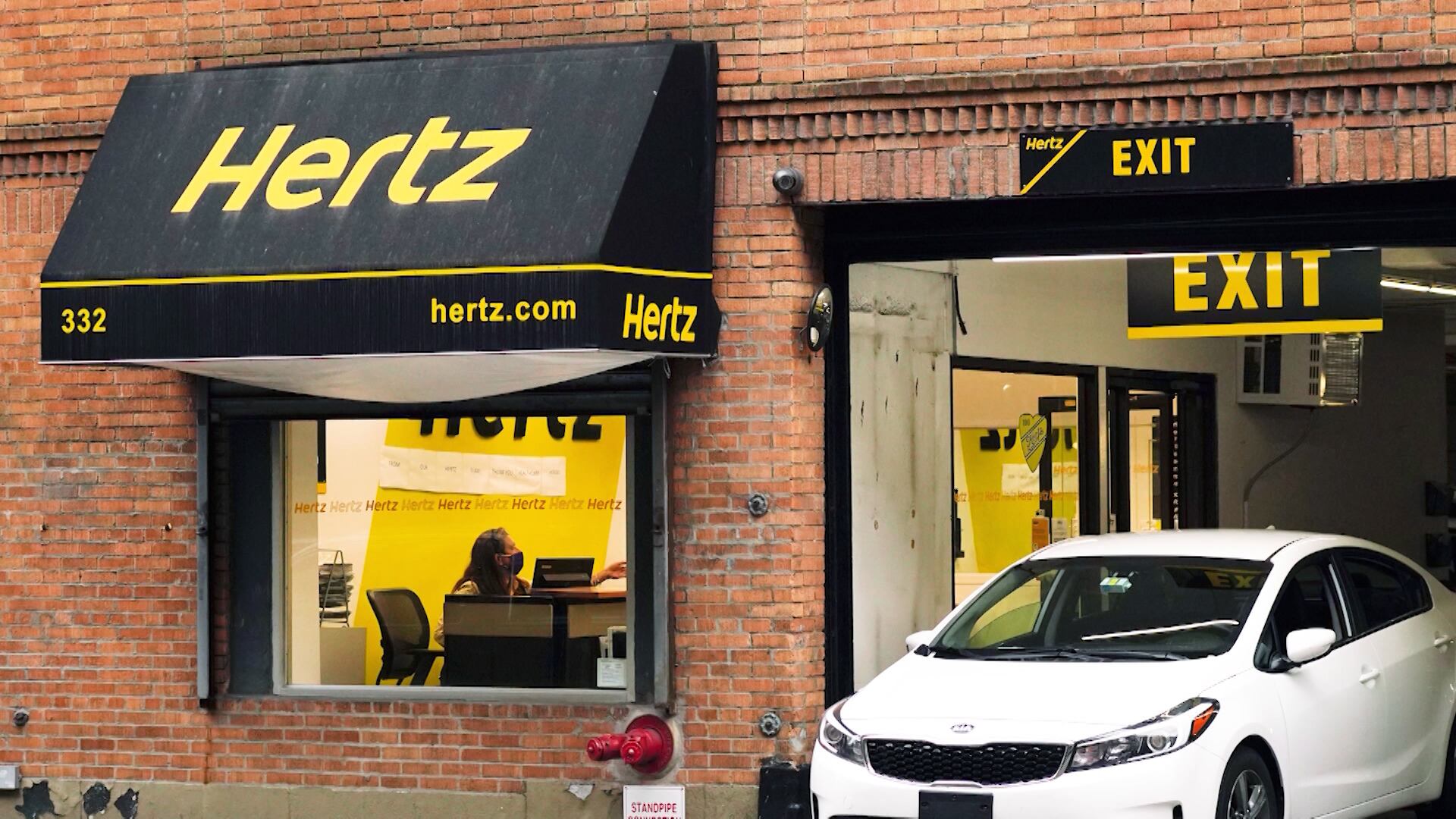
Hertz is teaming up with UFODRIVE, a self service electric vehicle rental company, as part of its commitment to lead the future of mobility. Based in Europe, UFODRIVE is the first all-digital all-electric car rental service controlled from an app. Jayesh Patel, senior VP of corporate strategy at Hertz, joined Cheddar's Opening Bell to discuss the partnership and how it will propel the transition to electric vehicles.
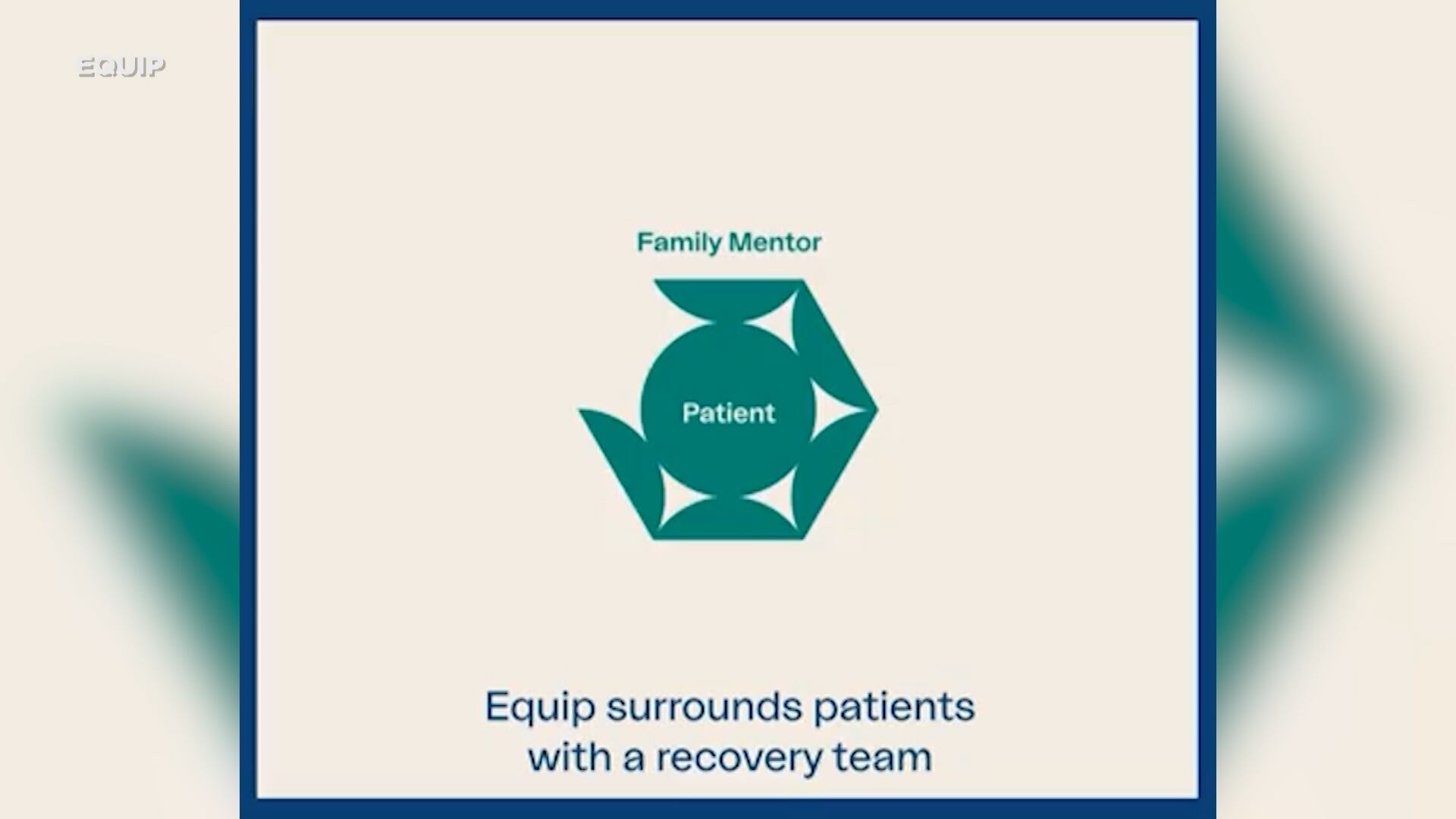
Equip is a virtual treatment platform for eating disorders, and recently raised $58 million in a Series B round led by The Chernin Group. The company aims to revolutionize treatment for eating disorders by delivering virtual care teams and clinical expertise directly to families' homes. Equip says the need for its platform has only been exacerbated by the COVID-19 pandemic. The National Eating Disorder Association's helpline has had a 107% increase in contacts since the start of the pandemic. Kristina Saffran, CEO and co-founder of Equip, joins Cheddar News' Closing Bell to discuss.