Microsoft started 2020 with a bold plan: become carbon negative by 2030. Now it's announced a new coalition of global companies with the goal of catalyzing the shift away from fossil fuels.
"This has to be about much more than just Microsoft," Lucas Joppa, chief environmental officer at Microsoft, told Cheddar. "This has to be about leading companies across the private sector coming together to work on this challenge."
The industry and continent-spanning coalition, dubbed Transform to Net Zero, includes Maersk, Danone, Mercedes-Benz AG, Microsoft, Natura & Co, Nike, Starbucks, Unilever, and Wipro.
"What we're focusing on is going beyond making commitments," he said. "We need all companies to make meaningful, significant climate commitments. But those of us that have made those commitments, now it's time to get to work."
One shared goal of the group will be to develop playbooks based on their experiences decarbonizing, which they can then share with other companies unsure of how to proceed.
Microsoft's short-term goal is to remove 1 million metric tons of carbon from the environment within the year. It began the process this week by issuing what it calls a "groundbreaking" request for a proposal to source technology and nature-based carbon removal solutions from other firms.
Another piece of Microsoft's climate plan is switching its data centers to renewable energy sources. The company is partnering with Sol Systems, energy developer and investor, to build that capacity in communities that have been disproportionately impacted by pollution.
This will be the first major investment from the company's $1 billion Climate Innovation Fund that launched in January.
The partnership aims to add 500 megawatts to Microsoft's renewable energy portfolio, which already has approximately 1.9 gigawatts, according to Joppa. Microsoft says 500 megawatts would provide enough energy to power 70,000 U.S. homes.
Joppa said Microsoft is shooting for 100 percent renewable energy by 2025.
As Microsoft attempts to drive change in the corporate sector, Joppa is still banking on the public sector to step up with new regulations to combat climate change.
"It can't just be about us," Joppa said. "I believe that we need a much more level playing field. We need everybody to be required and incentivized to go and operate in this space, to move everybody's business practices to net zero by 2050. Ultimately we're going to need regulation and policy to get us there."
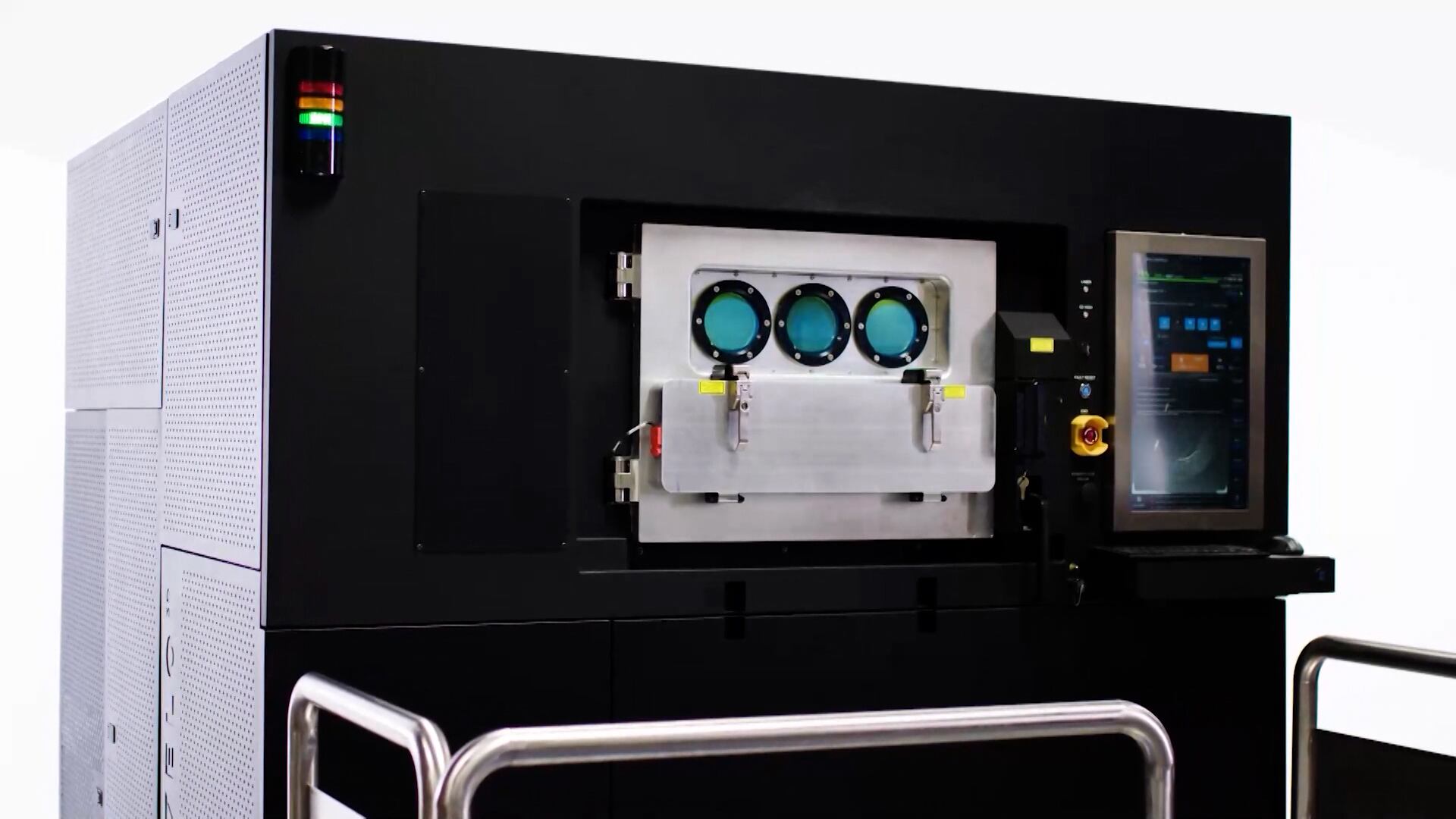
Velo3d, a company that provides metal 3D printed parts for companies such as SpaceX, reported a boost in Q4 revenue quarter over quarter. Founder and CEO Benny Buller, joined Cheddar News to discuss the earnings and the foundation of the company's current success. "The whole space sector is about 25 percent of our business. We have a lot of business in aviation, in power generation, in energy, and in semiconductors. I would say that the big jump in our revenue is related to the release of our Sapphire XC, which is a scale-up product reducing costs by about three times compared to the first Sapphire machines," he said. "This allows customers to dramatically reduce costs as well as make much bigger parts."
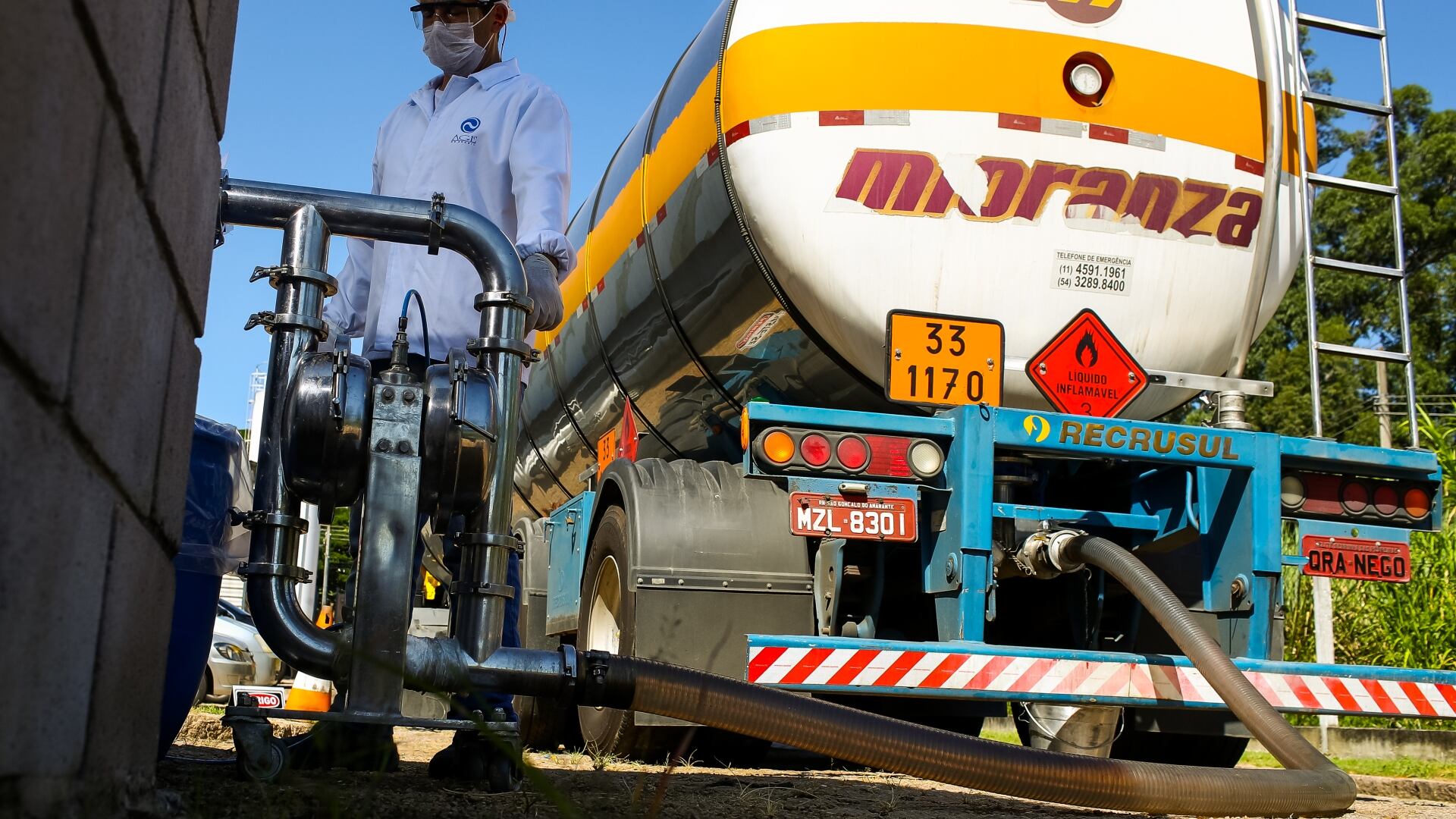
Under the U.S. Renewable Fuel Standard (RFS), corn-based ethanol has been mixed into gasoline sold at pumps in the U.S. since 2005, when a policy was enacted aimed at reducing emissions. Corn-based ethanol had been thought to be a relatively greener energy source compared to other biofuels, but now, a new study published in the Proceedings of the National Academy of Sciences reports it may be actually worse for the climate than straight gasoline. Tyler Lark, an assistant scientist at the University of Wisconsin-Madison's Center for Sustainability, joined Cheddar News' Closing Bell and discussed the pushback against the study. "Essentially when you need to produce more corn to meet the demand for use as ethanol as fuel, farmers respond and they switch more crops like soybeans and wheat into corn," Lark said. "They also bring more land into production, so things that used to be pasture grassland, and both those activities are associated with increased greenhouse gas emissions."
Video conferencing service Zoom rolled out a flurry of announcements that included a new Zoom Phone, Zoom Events, and Zoom Contact Center in an effort to transition the company from a pandemic darling to a post-pandemic business — while keeping the product accessible. Kelly Steckelberg, CFO of Zoom, joined Cheddar News to talk about the transition while still remaining affordable. "We currently have no plans to raise our prices," she said. "We focus on bringing as much value as possible to our customers. We often add new features and functionality without any incremental prices across the board."
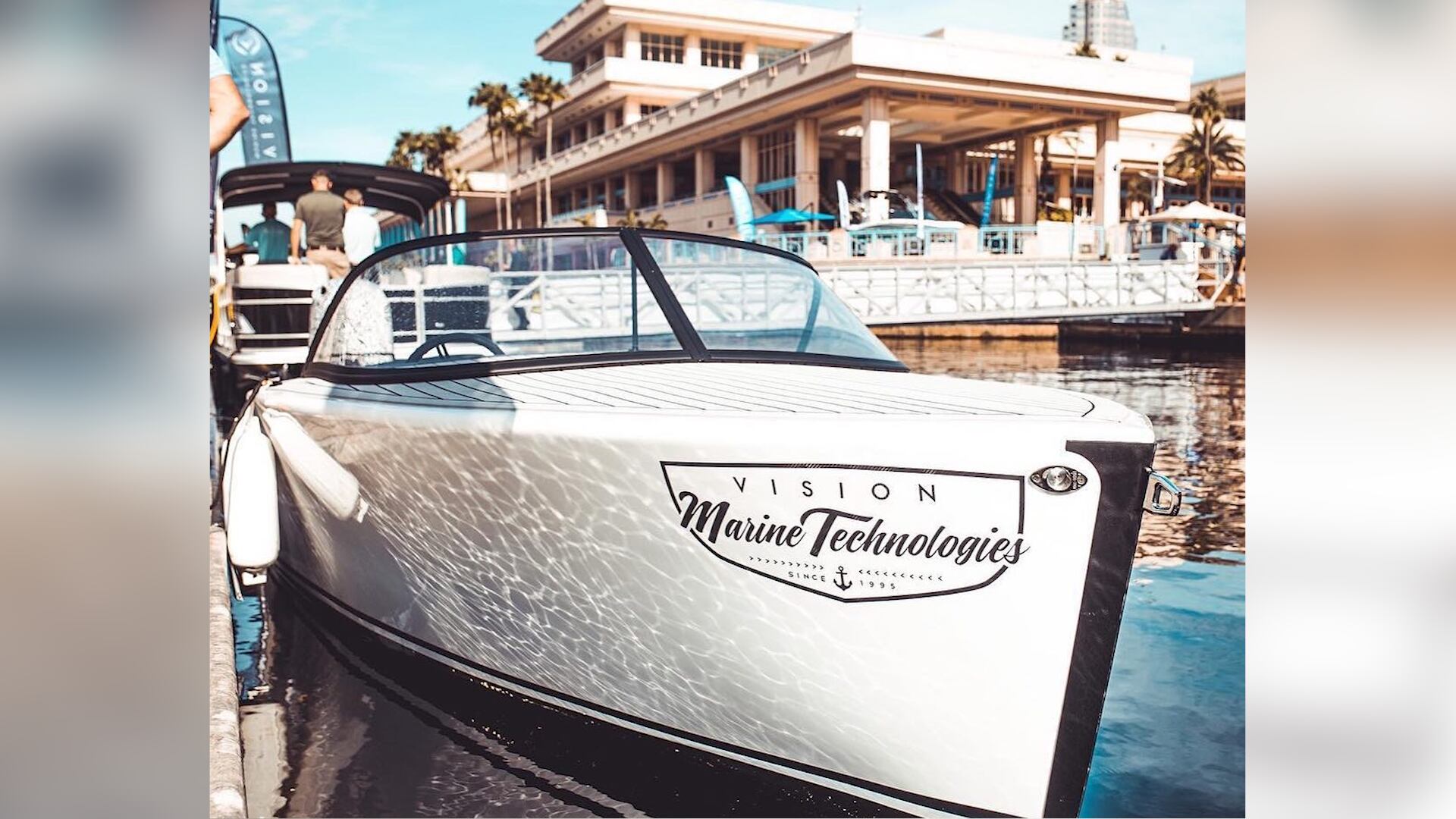
Alexandre Mongeon, the CEO and co-founder of Vision Marine Technologies, joins Cheddar Innovates to discuss the latest innovations in the e-boating industry, and how fully electric motors and boats will play a role in the fight against the climate crisis.
Even as pandemic restrictions slowly began winding down through 2021, cable and internet provider Comcast's 2021 Network Report showed that average internet consumption increased. Activities like content streaming and online gaming grew between 10 and 20 percent, according to the study. Elad Nafshi, chief network officer for Comcast, joined Cheddar News to share what he thinks will happen with our new online habits in a post-pandemic world. "Beyond, the traditional game downloads, streaming gaming, which falling into the purposes is just like streaming 4K video for us, is starting to pick up and, and certainly we'll watch that consumer behavior continue," he said. Nafshi also discussed the company's investments in 10G technology, its future generation of network speed.
AMC has announced that it will be accepting Dogecoin and Shiba Inu, two meme cryptocurrencies, as online payment options, The theater chain will begin taking the memecoins in "a couple of weeks."