Microsoft started 2020 with a bold plan: become carbon negative by 2030. Now it's announced a new coalition of global companies with the goal of catalyzing the shift away from fossil fuels.
"This has to be about much more than just Microsoft," Lucas Joppa, chief environmental officer at Microsoft, told Cheddar. "This has to be about leading companies across the private sector coming together to work on this challenge."
The industry and continent-spanning coalition, dubbed Transform to Net Zero, includes Maersk, Danone, Mercedes-Benz AG, Microsoft, Natura & Co, Nike, Starbucks, Unilever, and Wipro.
"What we're focusing on is going beyond making commitments," he said. "We need all companies to make meaningful, significant climate commitments. But those of us that have made those commitments, now it's time to get to work."
One shared goal of the group will be to develop playbooks based on their experiences decarbonizing, which they can then share with other companies unsure of how to proceed.
Microsoft's short-term goal is to remove 1 million metric tons of carbon from the environment within the year. It began the process this week by issuing what it calls a "groundbreaking" request for a proposal to source technology and nature-based carbon removal solutions from other firms.
Another piece of Microsoft's climate plan is switching its data centers to renewable energy sources. The company is partnering with Sol Systems, energy developer and investor, to build that capacity in communities that have been disproportionately impacted by pollution.
This will be the first major investment from the company's $1 billion Climate Innovation Fund that launched in January.
The partnership aims to add 500 megawatts to Microsoft's renewable energy portfolio, which already has approximately 1.9 gigawatts, according to Joppa. Microsoft says 500 megawatts would provide enough energy to power 70,000 U.S. homes.
Joppa said Microsoft is shooting for 100 percent renewable energy by 2025.
As Microsoft attempts to drive change in the corporate sector, Joppa is still banking on the public sector to step up with new regulations to combat climate change.
"It can't just be about us," Joppa said. "I believe that we need a much more level playing field. We need everybody to be required and incentivized to go and operate in this space, to move everybody's business practices to net zero by 2050. Ultimately we're going to need regulation and policy to get us there."
As TikTok grows in popularity, so does its ad revenue potential. Research firm Insider Intelligence forecasts the app's revenue will likely triple in 2022 to more than $11 billion, putting it past the sales of both Twitter and Snapchat combined. Cheddar News takes a closer look.
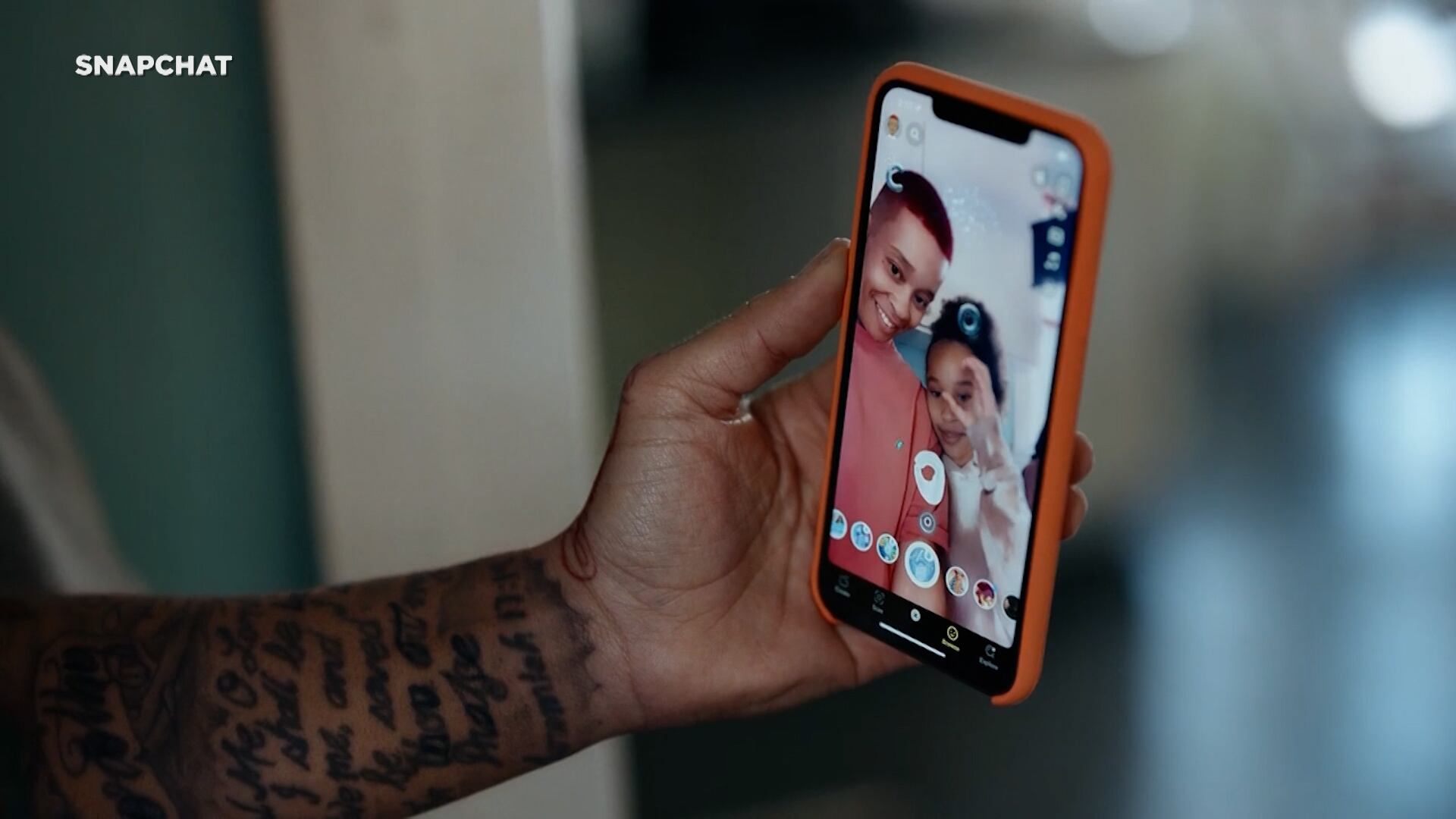
Snapchat has launched its first features to help users learn American Sign Language through its lenses and a game. The project was spearheaded by deaf and hard-of-hearing workers. Cheddar News was joined by Austin Vaday, software engineer at Snap, and his sign language interpreter, Jonathan Webb, to discuss the ASL Fingerspelling Lens and how the project came together. “We wanted to find a way to appropriately and properly educate the community so that folks can communicate with people like me using sign language," Vaday stated.
Brittan Heller, founder of the Center for Digital Civil Rights and a fellow at the Atlantic Council, joins Cheddar News to discuss the rise of sexual assault in the metaverse.
The second-largest stablecoin, USDC, backed by the company Circle recently received a $400 million funding infusion from traditional financial firms like BlackRock and Fidelity even as crypto reels from more high profile heists.
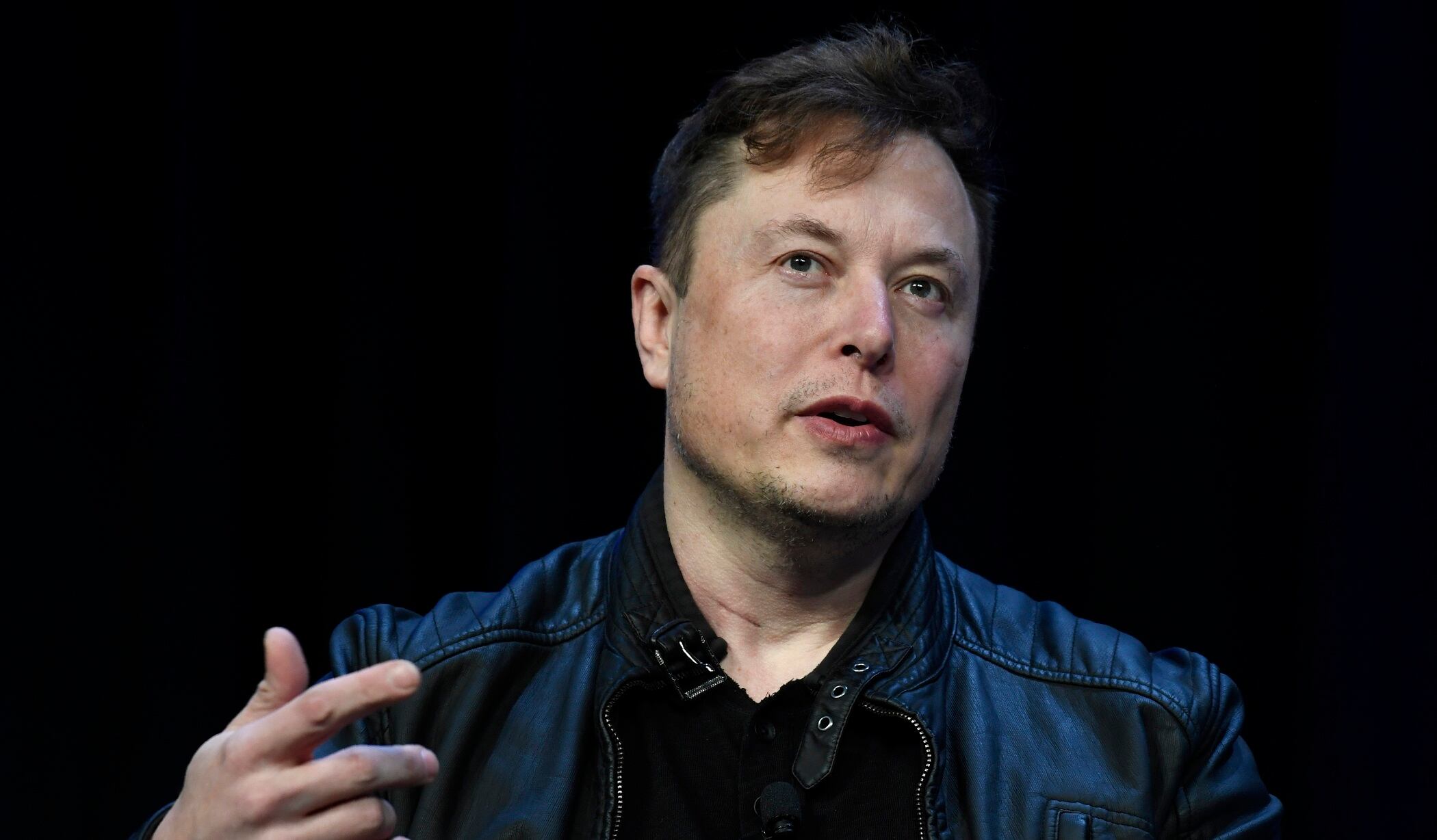
A group of Tesla shareholders suing CEO Elon Musk over some 2018 tweets about taking the company private is asking a federal judge to order Musk to stop commenting on the case.
The Week's Top Stories is a guided tour through the biggest market stories of the week, from winning stocks to brutal dips to the facts and forecasts generating buzz on Wall Street.
Between Bells executive producer Conor White recaps some of the biggest stories of the week, and teaches Azia Celestino and Hena Doba a thing or two at the same time. It's This Week In Trivia!
Josh Thorngren, vice president of growth at the cybersecurity company Torq, joined Cheddar News to talk about staffing shortages hitting his industry, and what he thinks is behind it. "Over 70 percent of cybersecurity professionals say they're unhealthily stressed, and it's stress because we only talk about them when they failed," he said. "That makes the job harder day in and day out, and so it's not just a how do we keep up with the rising challenge, it's how do we actually retain folks who are in these positions today." Thorngren also stated that cybersecurity needs to transform into a less technical field in order to appeal to a bigger group of potential workers.