Microsoft started 2020 with a bold plan: become carbon negative by 2030. Now it's announced a new coalition of global companies with the goal of catalyzing the shift away from fossil fuels.
"This has to be about much more than just Microsoft," Lucas Joppa, chief environmental officer at Microsoft, told Cheddar. "This has to be about leading companies across the private sector coming together to work on this challenge."
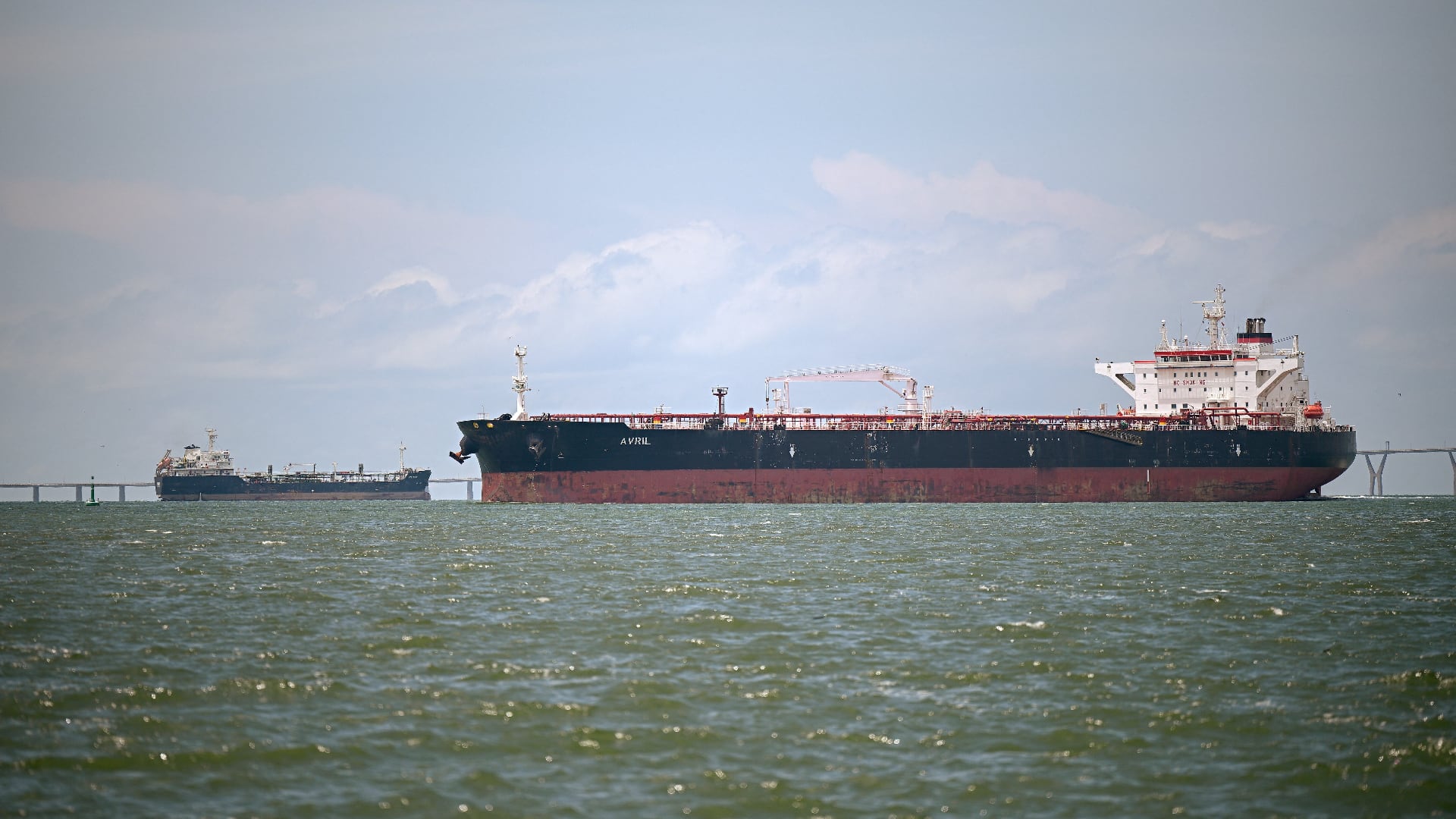
The industry and continent-spanning coalition, dubbed Transform to Net Zero, includes Maersk, Danone, Mercedes-Benz AG, Microsoft, Natura & Co, Nike, Starbucks, Unilever, and Wipro.
"What we're focusing on is going beyond making commitments," he said. "We need all companies to make meaningful, significant climate commitments. But those of us that have made those commitments, now it's time to get to work."
One shared goal of the group will be to develop playbooks based on their experiences decarbonizing, which they can then share with other companies unsure of how to proceed.
Microsoft's short-term goal is to remove 1 million metric tons of carbon from the environment within the year. It began the process this week by issuing what it calls a "groundbreaking" request for a proposal to source technology and nature-based carbon removal solutions from other firms.
Another piece of Microsoft's climate plan is switching its data centers to renewable energy sources. The company is partnering with Sol Systems, energy developer and investor, to build that capacity in communities that have been disproportionately impacted by pollution.
This will be the first major investment from the company's $1 billion Climate Innovation Fund that launched in January.
The partnership aims to add 500 megawatts to Microsoft's renewable energy portfolio, which already has approximately 1.9 gigawatts, according to Joppa. Microsoft says 500 megawatts would provide enough energy to power 70,000 U.S. homes.
Joppa said Microsoft is shooting for 100 percent renewable energy by 2025.
As Microsoft attempts to drive change in the corporate sector, Joppa is still banking on the public sector to step up with new regulations to combat climate change.
"It can't just be about us," Joppa said. "I believe that we need a much more level playing field. We need everybody to be required and incentivized to go and operate in this space, to move everybody's business practices to net zero by 2050. Ultimately we're going to need regulation and policy to get us there."
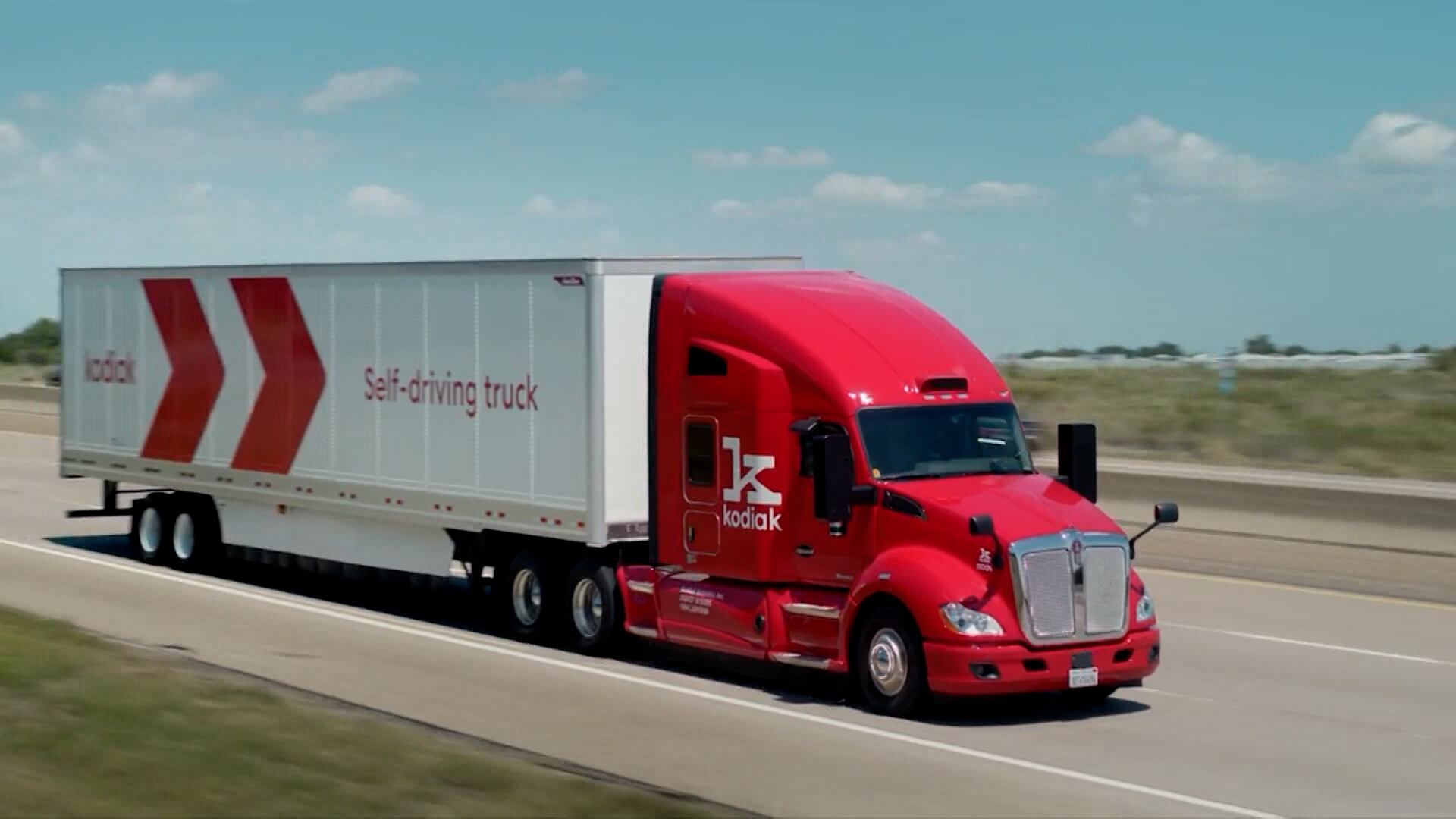
Self-driving truck startup Kodiak Robotics recently announced a $125 million funding round as the trucking industry is facing major challenges, including growing shipping demand and driver shortages. Kodiak says its autonomous technology can help businesses move goods faster, safer, cleaner, and more efficiently. Kodiak Robotics founder and CEO Don Burnette joined Cheddar News' Closing Bell to discuss.
Meta, the parent company of Facebook, turned heads on Tuesday when it announced it will block some ad-targeting, specifically those of a political and religious nature.
This is one of the most direct moves the company has made in order to minimize ad-targeting by advertisers on its platforms. Hastie Afkhami, Head of Digital at S-3 Group, joins Cheddar News to discuss the impact of this move.
Sotheby's is getting into the crypto game. The auction house announced it will now be accepting bids in increments of ETH, marking the first time that an auction will field live bids in crypto. This announcement comes just a week ahead of Sotheby's contemporary art auction 'The Now Evening Auction' for two works by Banksy: Trolley Hunters and Love is in the Air. Alex Branczik, Sotheby's Chairman for Modern & Contemporary Art joined Cheddar's Opening Bell to discuss what went into this move.
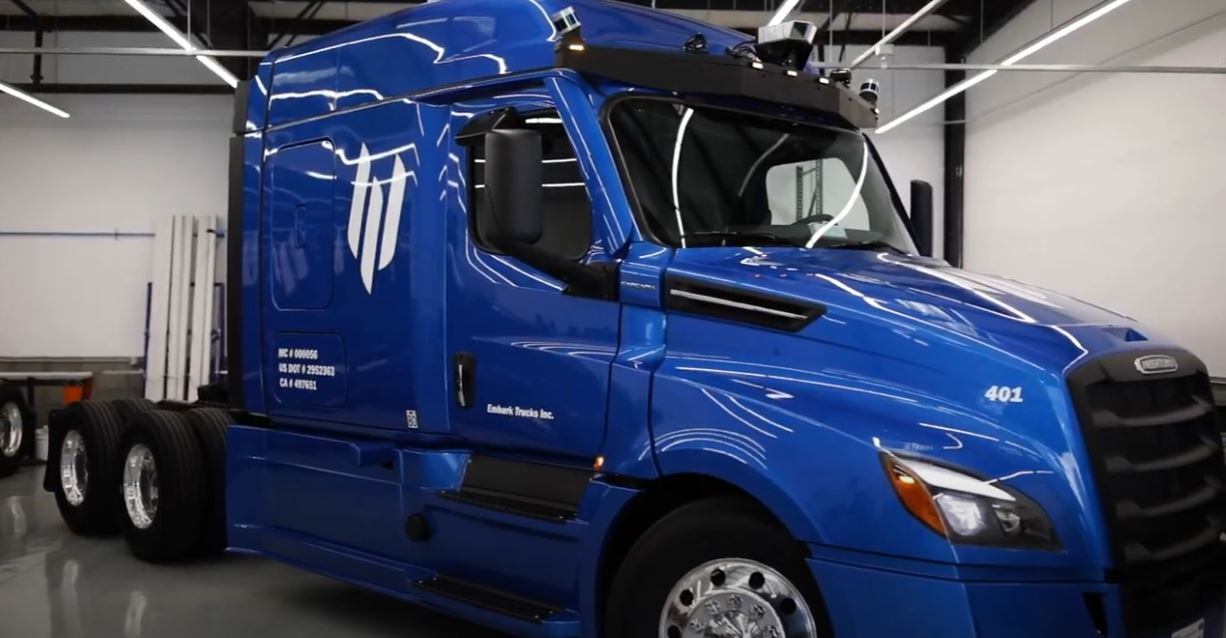
Autonomous tech developer Embark made its Nasdaq debut on Thursday via a SPAC merger, making its CEO Alex Rodrigues, the youngest chief executive of a publicly-traded company at the age of 26. He joined Cheddar's "Between Bells" to discuss what led to the IPO and what it means for the trucking industry as it looks to navigate ongoing supply chain issues. "I think there are really three major benefits to autonomous trucks. You think about the benefit from an efficiency perspective, from a safety perspective, and from an environmental perspective," Rodrigues noted.
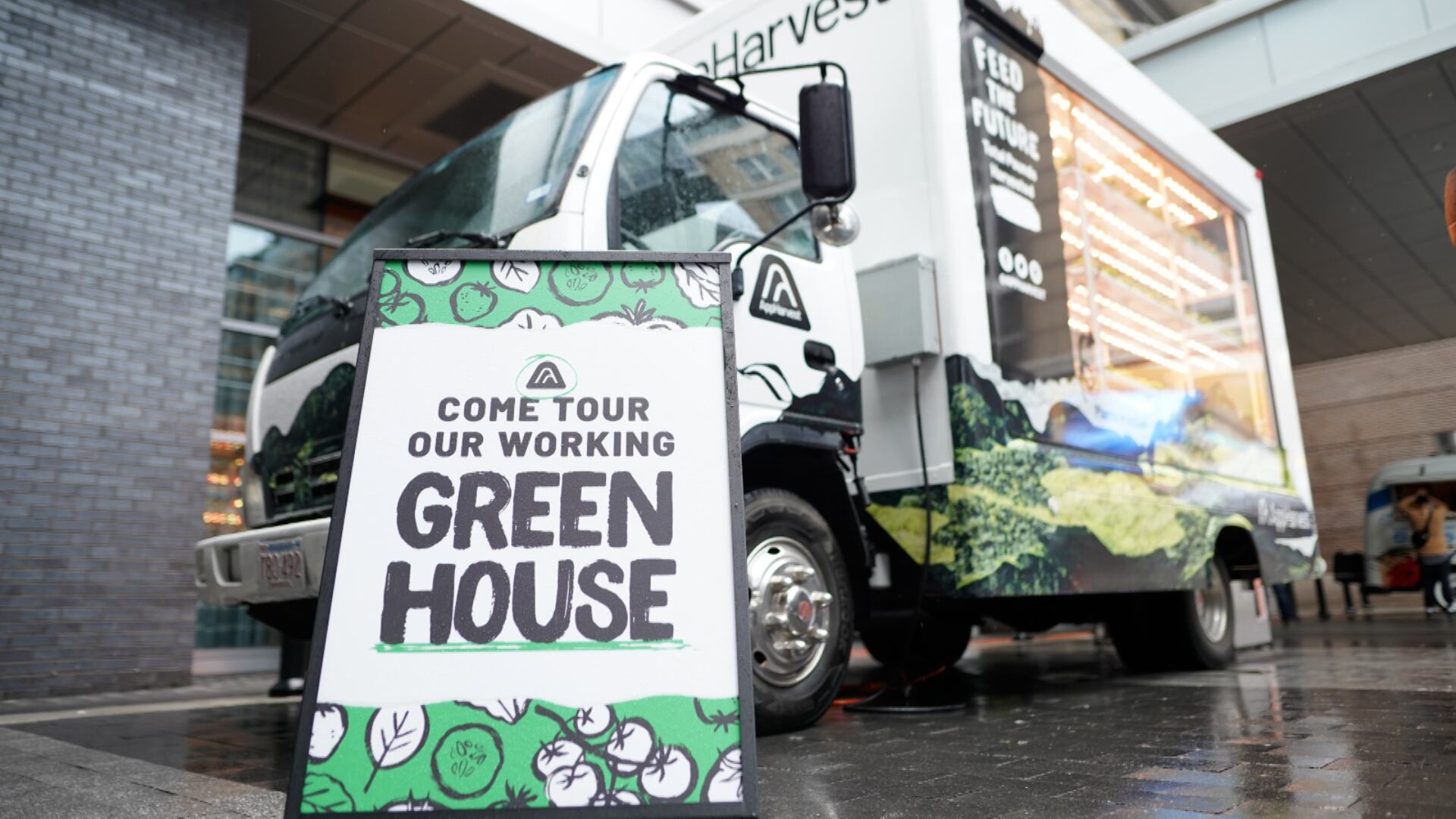
AppHarvest CEO Jonathan Webb joined Cheddar's "Opening Bell" to talk about the company's Q3 earnings, stating sales data showed the indoor farming tech firm remained on track with its 2021 outlook. Webb also discussed a new campaign called "Fight The Food Fight," to encourage consumers to support a more resilient, sustainable food system.
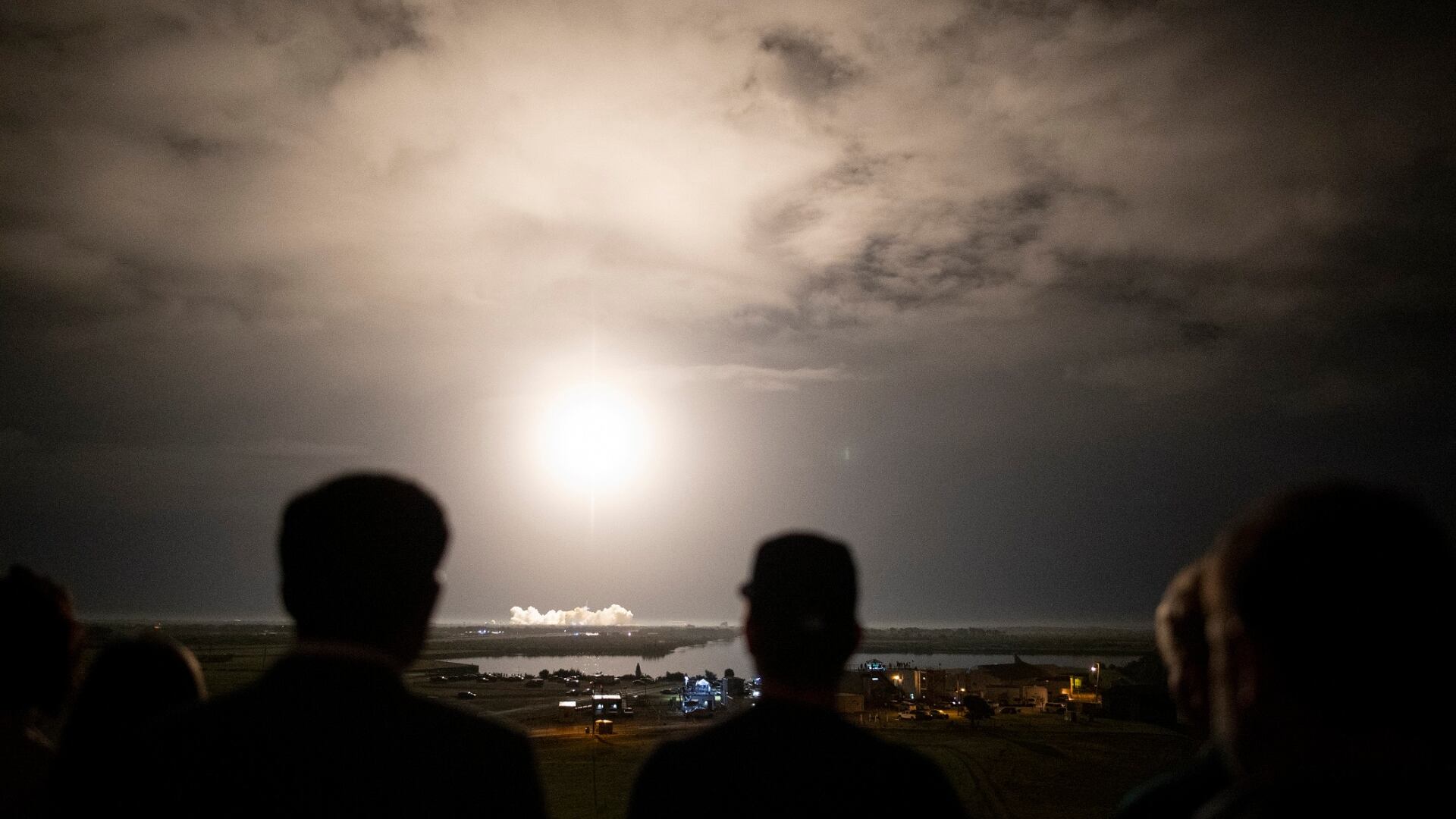
SpaceX and NASA have collaborated on another successful launch sending four astronauts to the international space station. The international crew will stay in orbit aboard the ISS for six months.
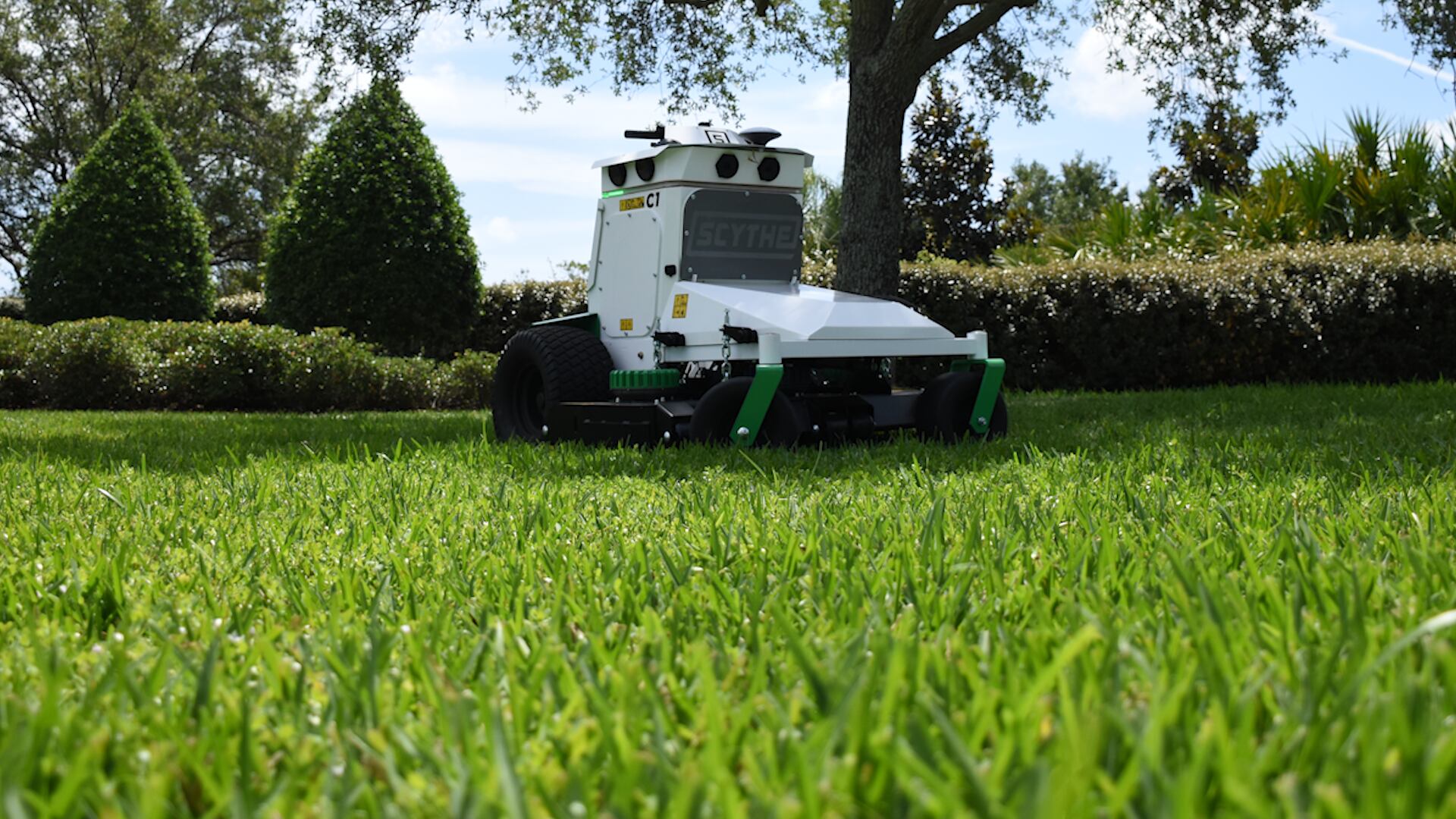
On this episode of Cheddar Innovates: Yat Labs Co-Founder breaks down how a 'Yat' is changing the way people think about their online identities; Scythe Robotics CEO explains how it's bringing innovation to the landscaping industry with its autonomous, all-electric mowers; Founder of California Cowboy discusses how its creating clothing designed for creating in-person connections with others with features like a beverage pocket, bottle opener, and conversation cards; Cheddar gets a look at Curiosity Stream's 'Beyond the Spotlight' biography series.
Jack Morrison, CEO and co-founder Scythe Robotics, joins 'Cheddar Innovates' to discuss how it's bringing innovation to the landscaping industry with its autonomous, all-electric lawn mowers, and how this is addressing the labor crisis in the landscaping industry.
Naveen Jain, Co-Founder of Yat Labs, joins 'Cheddar Innovates' to discuss how a 'Yat' is changing the way people think about their online identities, and why artists like Questlove and G-Eazy are backing this idea.