Microsoft started 2020 with a bold plan: become carbon negative by 2030. Now it's announced a new coalition of global companies with the goal of catalyzing the shift away from fossil fuels.
"This has to be about much more than just Microsoft," Lucas Joppa, chief environmental officer at Microsoft, told Cheddar. "This has to be about leading companies across the private sector coming together to work on this challenge."
The industry and continent-spanning coalition, dubbed Transform to Net Zero, includes Maersk, Danone, Mercedes-Benz AG, Microsoft, Natura & Co, Nike, Starbucks, Unilever, and Wipro.
"What we're focusing on is going beyond making commitments," he said. "We need all companies to make meaningful, significant climate commitments. But those of us that have made those commitments, now it's time to get to work."
One shared goal of the group will be to develop playbooks based on their experiences decarbonizing, which they can then share with other companies unsure of how to proceed.
Microsoft's short-term goal is to remove 1 million metric tons of carbon from the environment within the year. It began the process this week by issuing what it calls a "groundbreaking" request for a proposal to source technology and nature-based carbon removal solutions from other firms.
Another piece of Microsoft's climate plan is switching its data centers to renewable energy sources. The company is partnering with Sol Systems, energy developer and investor, to build that capacity in communities that have been disproportionately impacted by pollution.
This will be the first major investment from the company's $1 billion Climate Innovation Fund that launched in January.
The partnership aims to add 500 megawatts to Microsoft's renewable energy portfolio, which already has approximately 1.9 gigawatts, according to Joppa. Microsoft says 500 megawatts would provide enough energy to power 70,000 U.S. homes.
Joppa said Microsoft is shooting for 100 percent renewable energy by 2025.
As Microsoft attempts to drive change in the corporate sector, Joppa is still banking on the public sector to step up with new regulations to combat climate change.
"It can't just be about us," Joppa said. "I believe that we need a much more level playing field. We need everybody to be required and incentivized to go and operate in this space, to move everybody's business practices to net zero by 2050. Ultimately we're going to need regulation and policy to get us there."
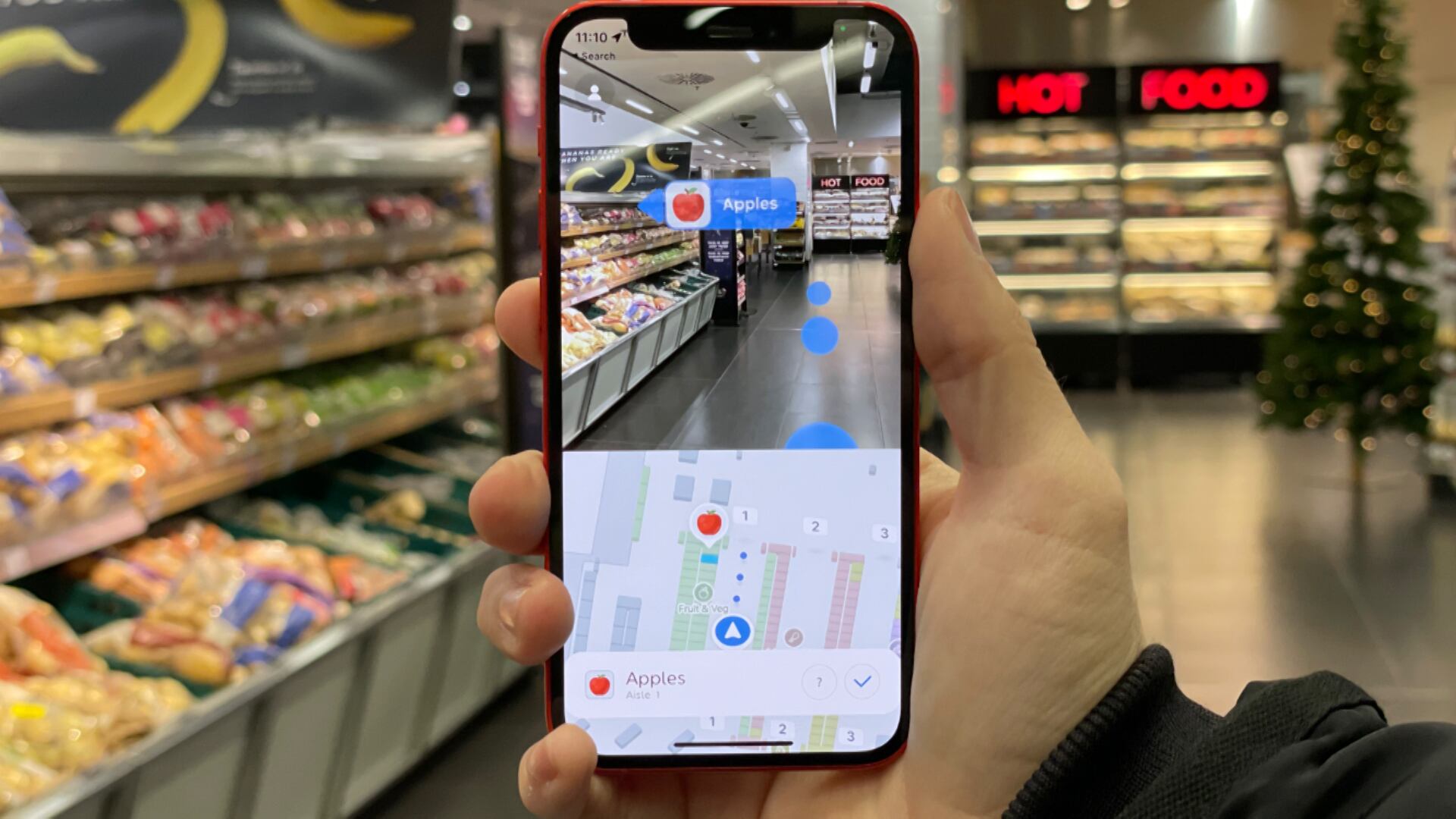
The UK-based augmented reality startup, Dent Reality, raised the equivalent of $3.4 million USD in its most recent funding round. Dent Reality has created an AR app for smartphones that helps shoppers navigate retail locations by providing a layout of a store's aisles, while showing where to find specific items. The company works mainly with grocery stores but aims to integrate its tech with all types of physical spaces. Dent Reality CEO Andrew Hart joins Cheddar News' Closing Bell to discuss.
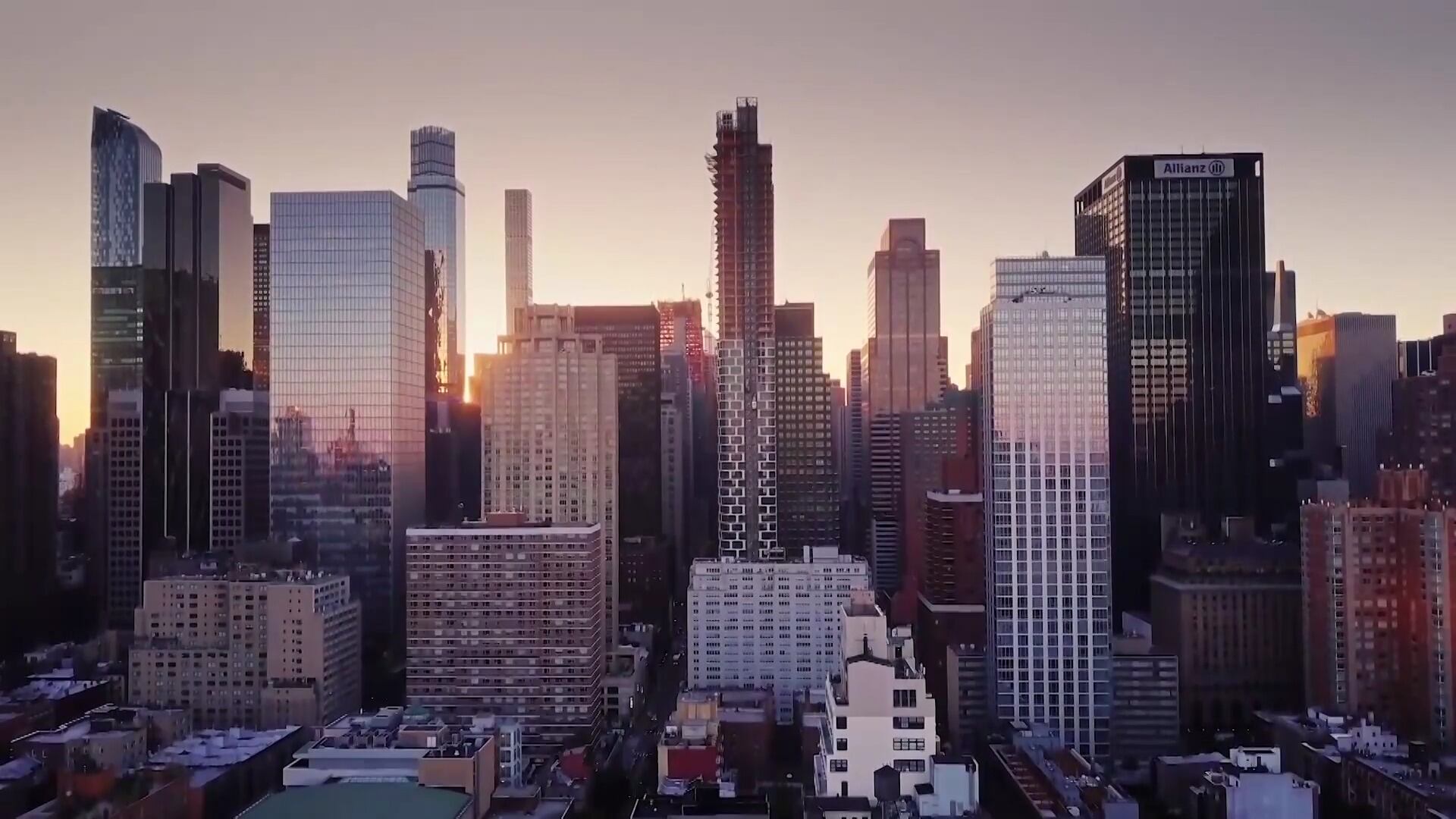
The world is amidst a skyscraper boom. In 2018, 146 buildings over 650 feet were constructed. That’s more than the total amount of skyscrapers constructed between 1979 and 1999. And all this construction is transforming our cities.
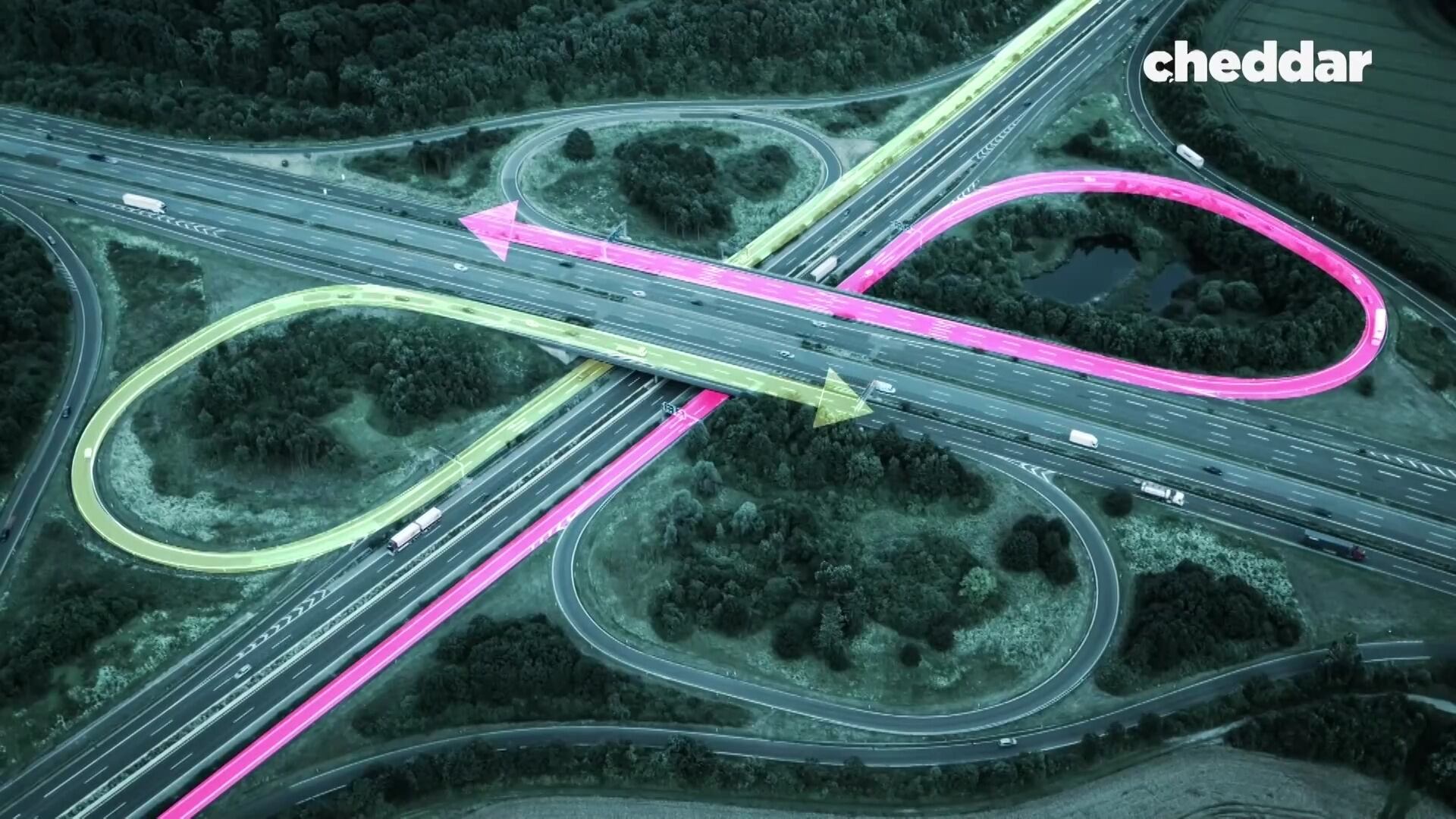
It’s no secret that America’s infrastructure is aging. The average American bridge is 43 years old. 49% of our streets and highways are in poor condition. That’s why rebuilding our roads is near the top of President Biden’s to-do list. But repaving is just surface level, some suggest we need to rethink the structures themselves.
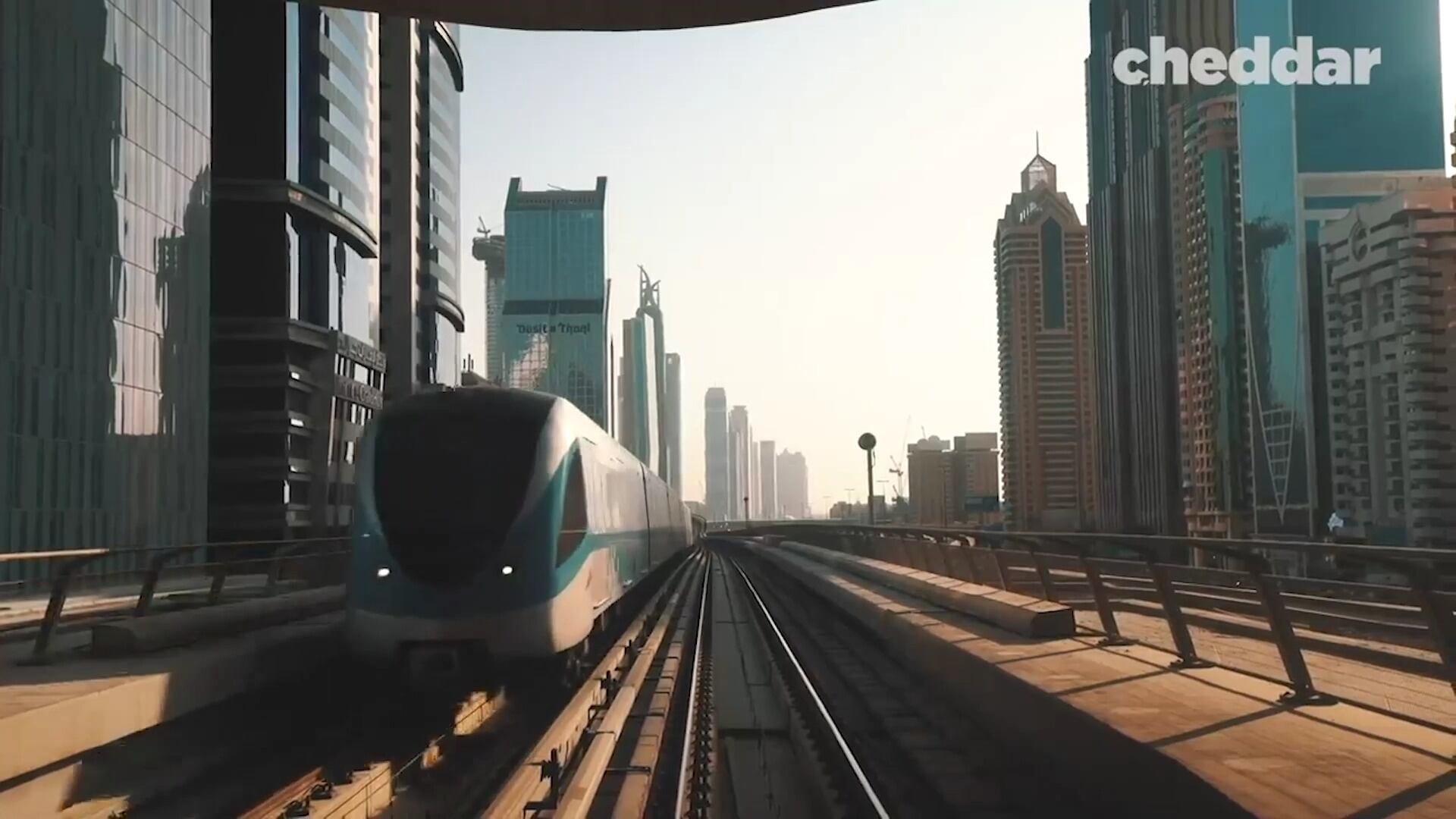
Throughout history, humans have tried their best to predict what the future will look like. Today, it’s fun to look back and laugh at some of the wacky conceptual drawings of “cities of the future”. While the majority of these ideas look silly today, some concepts almost became our reality, if not for a few key shortcoming.
The streaming wars could be peaking as platforms vie for a shrinking pool of new subscribers and services like Disney+ recalibrate their outlooks as the rate of new memberships slows. Jana Arbanas, the U.S. telecom, media, and technology sector leader at Deloitte, joined Cheddar to discuss the 2022 outlook for streaming platforms, expecting more than 150 million people to cancel subscriptions adding to the global churn trend. "People are signing up for a service for a very specific piece of original, compelling content, watching that, perhaps, season of content, dropping that service, and then re-upping the service again when the next season comes out," Arbanas noted.
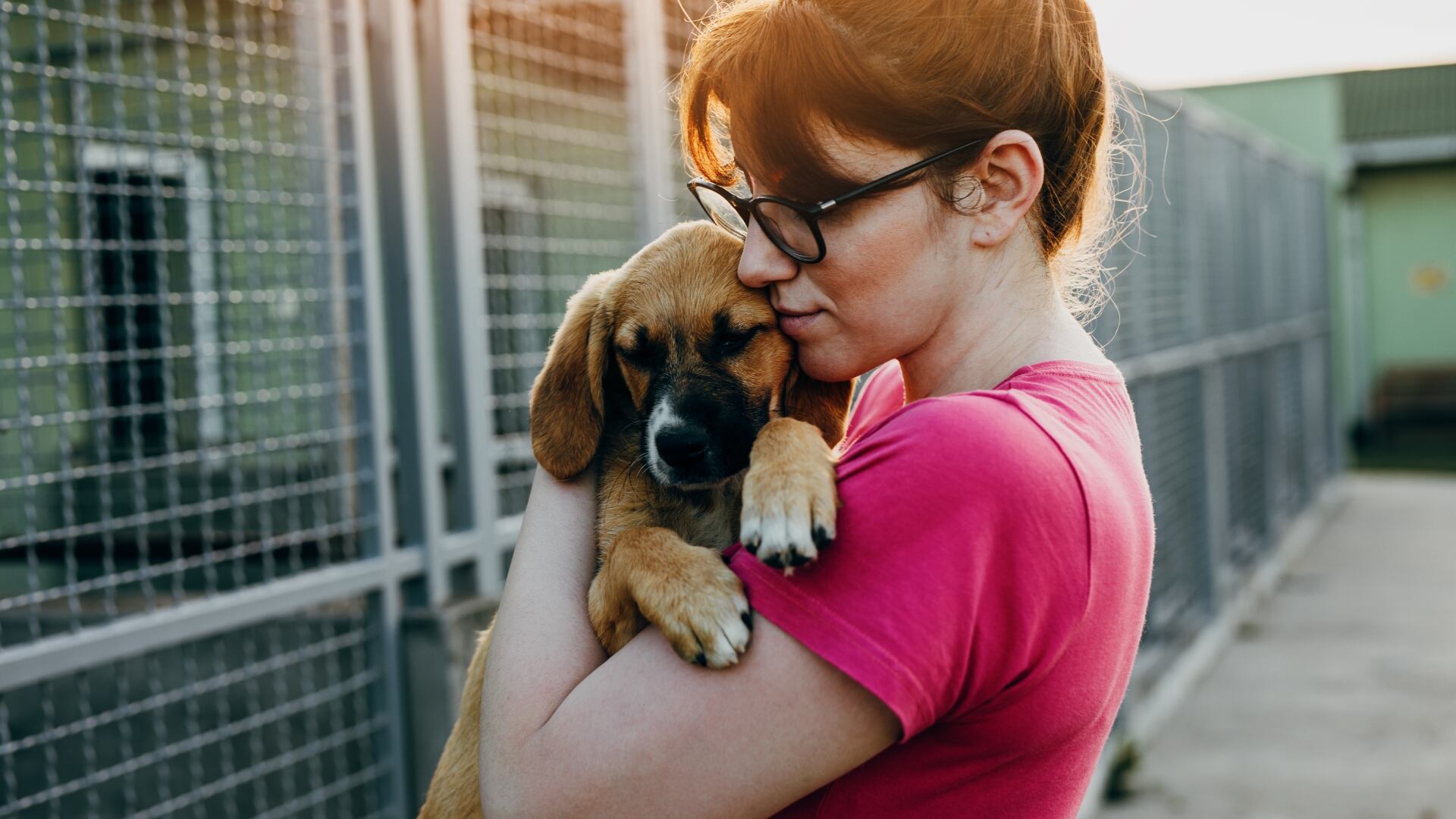
TikTok isn't just for remixing the best trending sounds. The social media platform is having a positive impact on animal shelters and helping pets find forever homes, according to Katie Grissum, the communications and design coordinator for the non-profit animal shelter charity KC Pet Project. Grissum joined Cheddar to break down just how TikTok is being used to raise money and draw more eyes to animals in need of adoption.
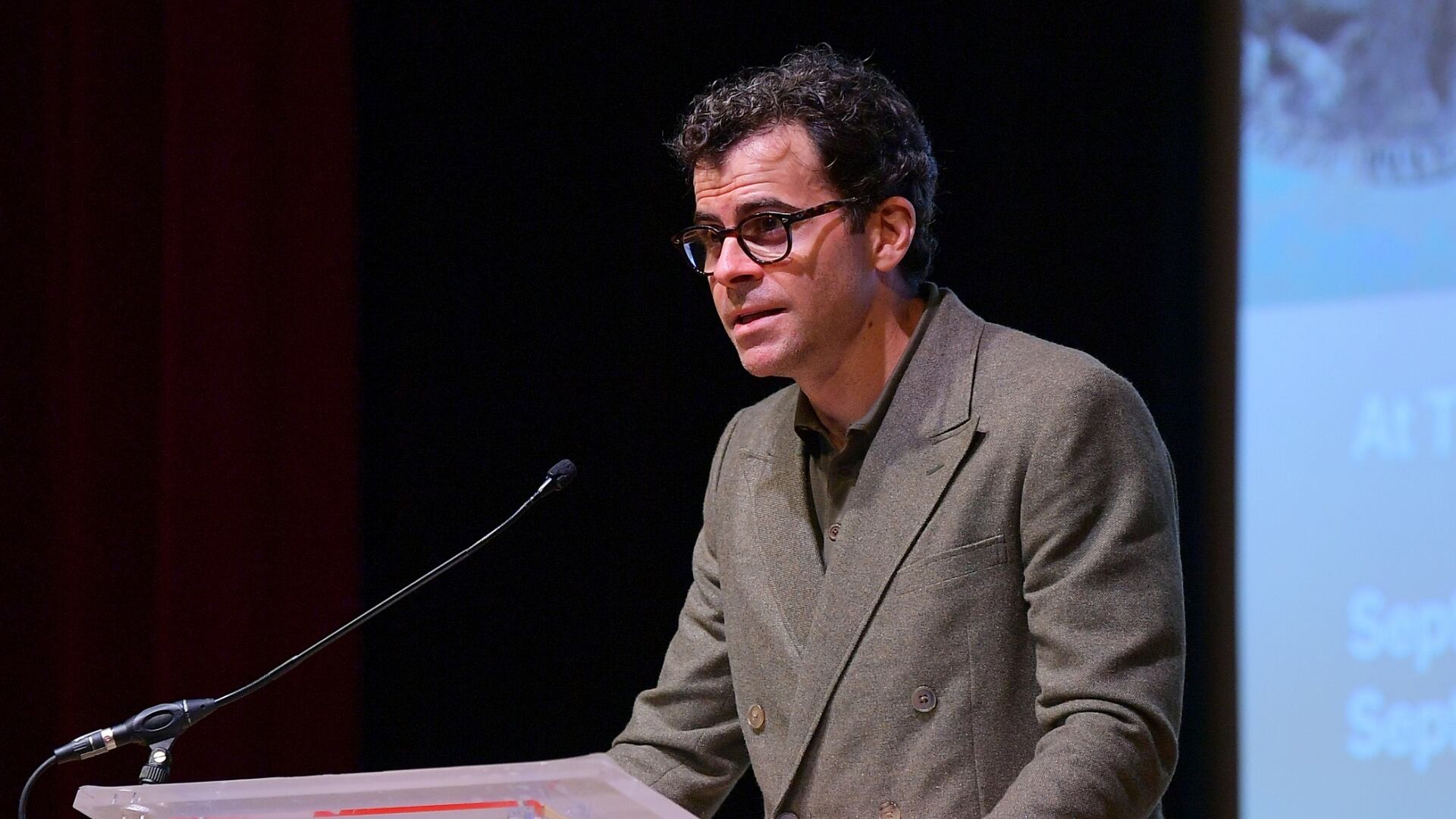
Head of Instagram Adam Mosseri is slated to testify this week in front of the Senate Commerce Subcommittee after a Wall Street Journal report that found the Meta-owned social media platform is negatively impacting the mental wellness of teen girls.
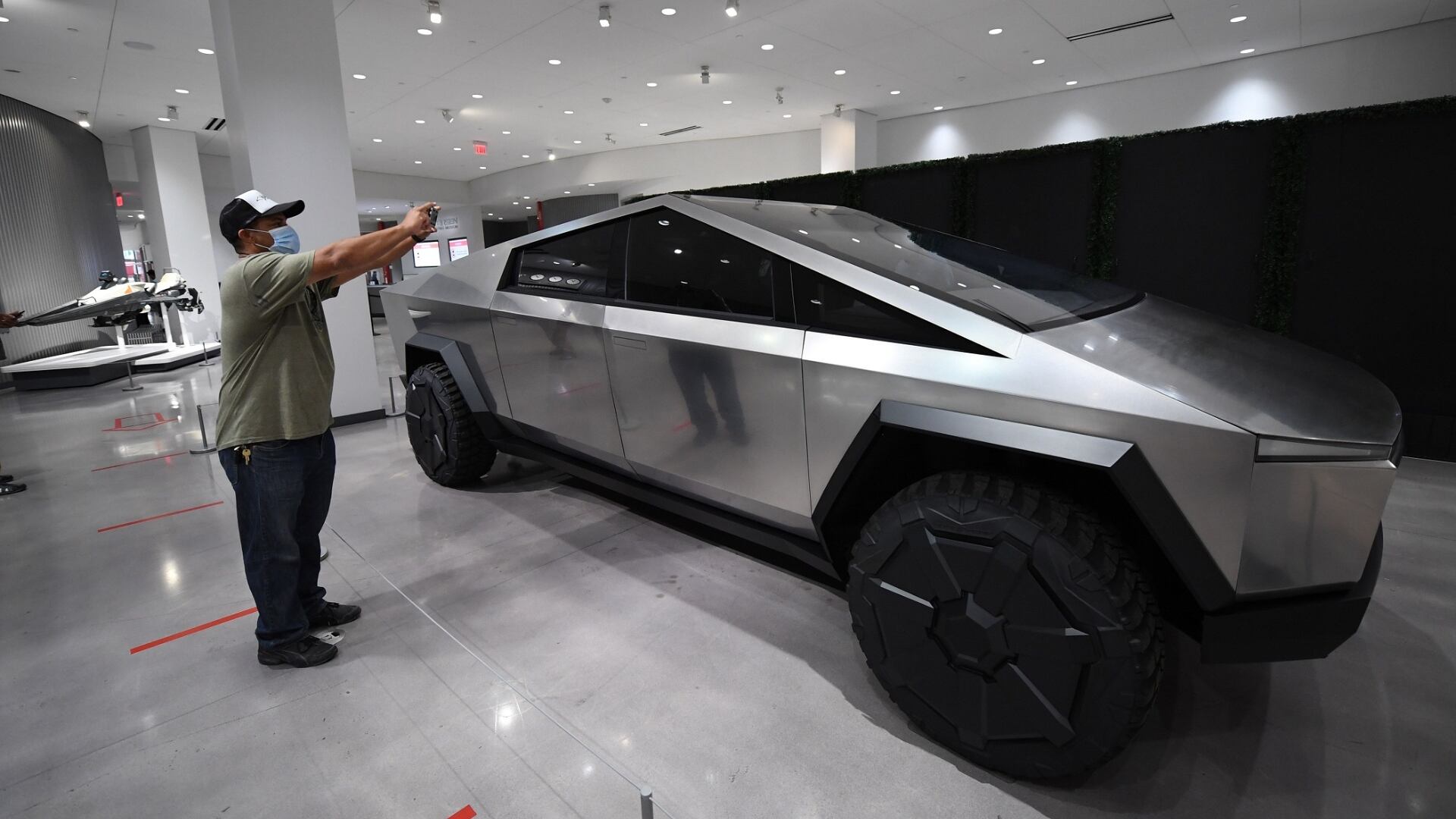
Elon Musk confirmed via Twitter that Tesla's eventual first Cybertruck will be updated to include 4 motors, 4 wheel steering, and a crab mode — like some of its competitors. Andrew Hawkins, a transportation reporter for The Verge, joined Cheddar to talk about how the new Cybertruck positions Tesla in the EV space as more automakers make up ground on the industry leader. "I think that this is actually Tesla saying, hey, if this is what the market wants, then we better put our best foot forward and respond as best as we can," he said, noting companies like Rivian and Hummer have already touted these features.