Microsoft started 2020 with a bold plan: become carbon negative by 2030. Now it's announced a new coalition of global companies with the goal of catalyzing the shift away from fossil fuels.
"This has to be about much more than just Microsoft," Lucas Joppa, chief environmental officer at Microsoft, told Cheddar. "This has to be about leading companies across the private sector coming together to work on this challenge."
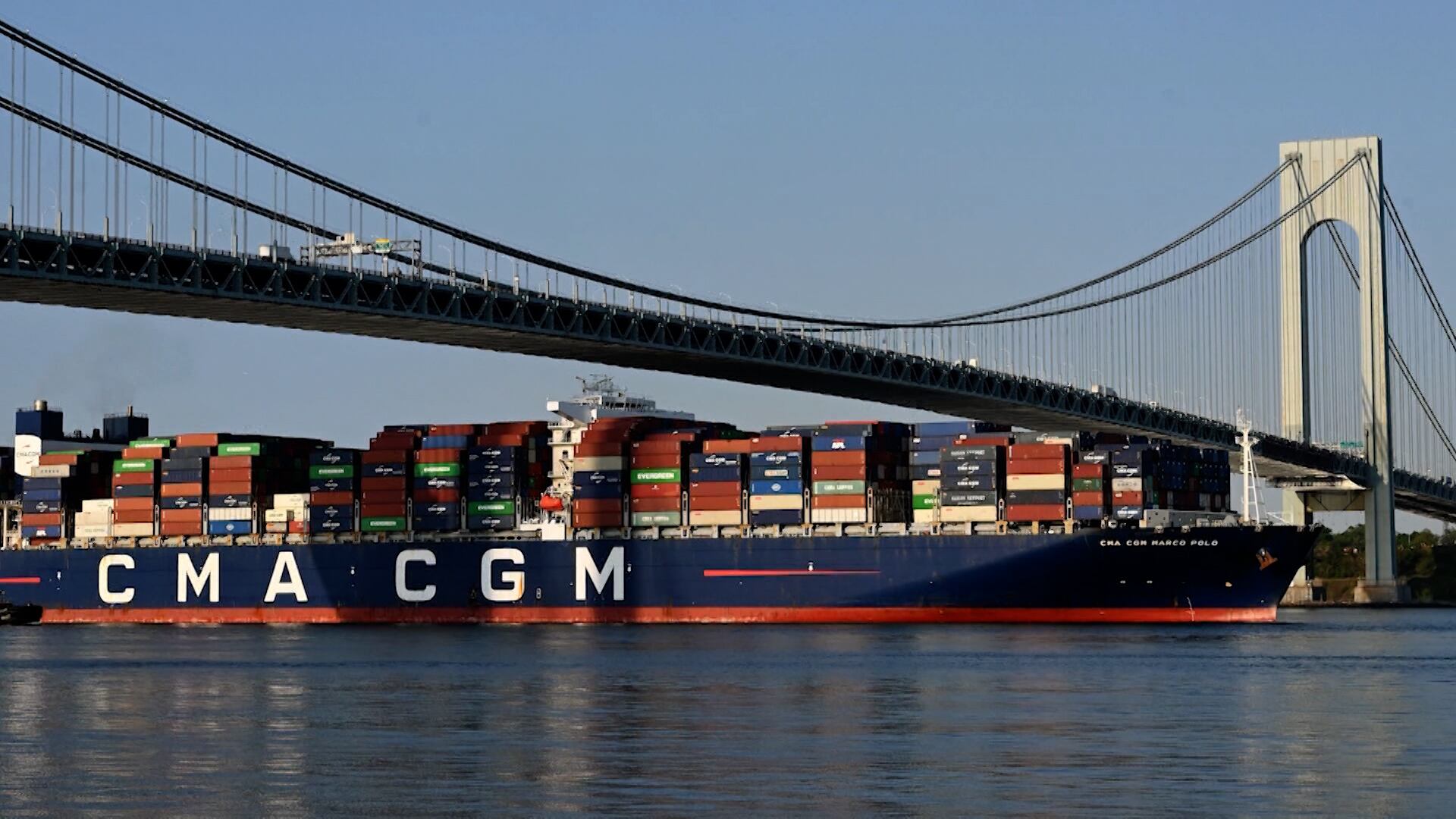
The industry and continent-spanning coalition, dubbed Transform to Net Zero, includes Maersk, Danone, Mercedes-Benz AG, Microsoft, Natura & Co, Nike, Starbucks, Unilever, and Wipro.
"What we're focusing on is going beyond making commitments," he said. "We need all companies to make meaningful, significant climate commitments. But those of us that have made those commitments, now it's time to get to work."
One shared goal of the group will be to develop playbooks based on their experiences decarbonizing, which they can then share with other companies unsure of how to proceed.
Microsoft's short-term goal is to remove 1 million metric tons of carbon from the environment within the year. It began the process this week by issuing what it calls a "groundbreaking" request for a proposal to source technology and nature-based carbon removal solutions from other firms.
Another piece of Microsoft's climate plan is switching its data centers to renewable energy sources. The company is partnering with Sol Systems, energy developer and investor, to build that capacity in communities that have been disproportionately impacted by pollution.
This will be the first major investment from the company's $1 billion Climate Innovation Fund that launched in January.
The partnership aims to add 500 megawatts to Microsoft's renewable energy portfolio, which already has approximately 1.9 gigawatts, according to Joppa. Microsoft says 500 megawatts would provide enough energy to power 70,000 U.S. homes.
Joppa said Microsoft is shooting for 100 percent renewable energy by 2025.
As Microsoft attempts to drive change in the corporate sector, Joppa is still banking on the public sector to step up with new regulations to combat climate change.
"It can't just be about us," Joppa said. "I believe that we need a much more level playing field. We need everybody to be required and incentivized to go and operate in this space, to move everybody's business practices to net zero by 2050. Ultimately we're going to need regulation and policy to get us there."
Danvas is a new company that aims to bring NFTs and digital artwork into the real world through an interactive, museum-quality display. The company says its product is the first premium, luxury digital art canvas, which it hopes will accelerate the world's appreciation of digital artists and their work, and empower collectors to acquire more NFT art. Danvas also just announced its launch this week, with a $7 million seed round from some big-name backers. Danvas co-founder and CEO Jeanne Anderson joins Cheddar News' Closing Bell to discuss.
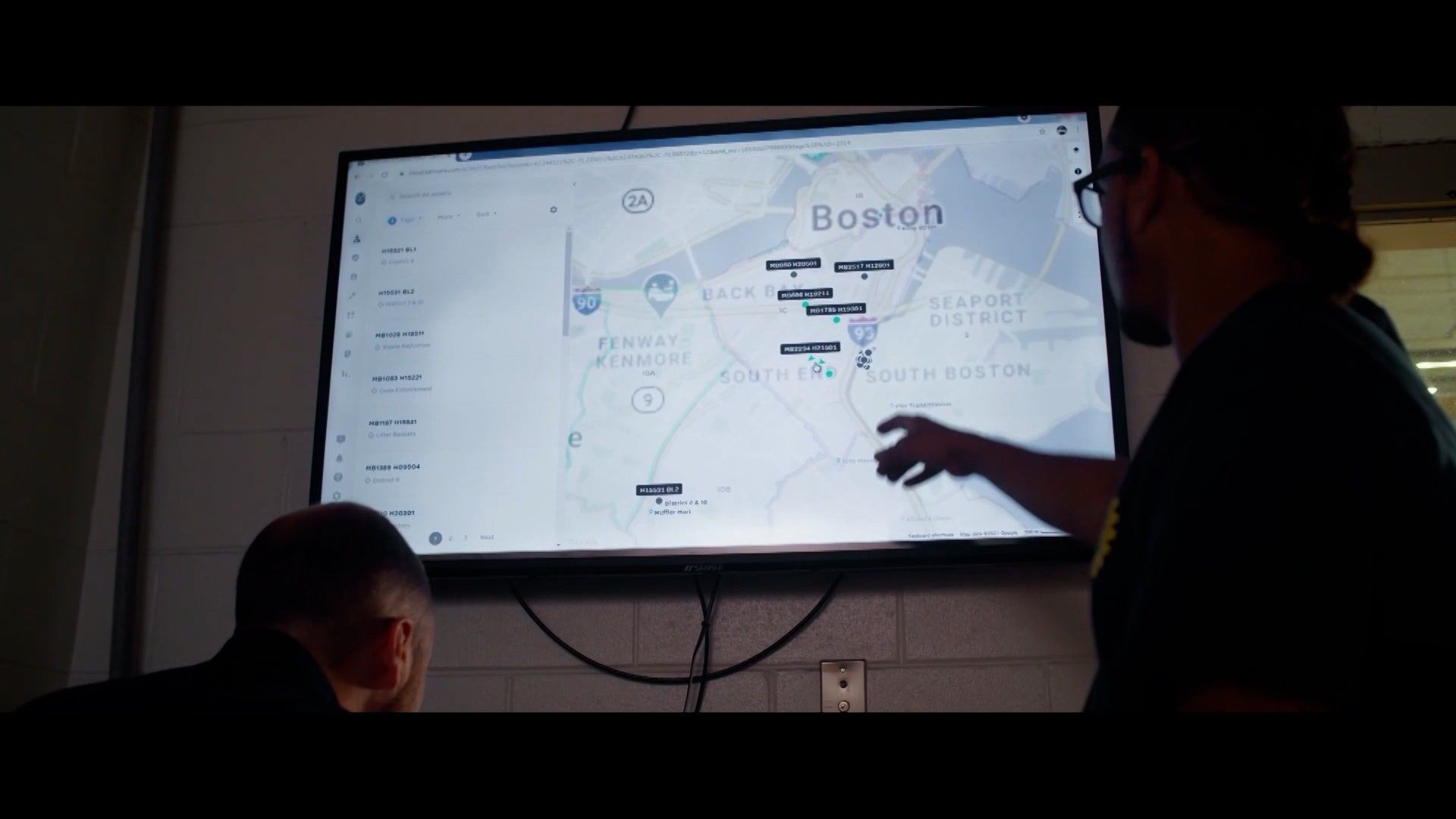
The California-based tech company specializing in enterprise cloud-based data analysis of connected internet of things (IoT) has gone public on the NYSE, and Samsara's CFO Dominic Phillips told Cheddar's Kristen Scholer that the timing was right for the public offering for the firm's next phase of growth. "We're going to continue to add to our go-to-market motion, we'll continue to build out our international presence, we'll continue to add more selling capacity specifically as we look to penetrate larger enterprise customers, and we'll look to continue to deploy money in R&D," he said.
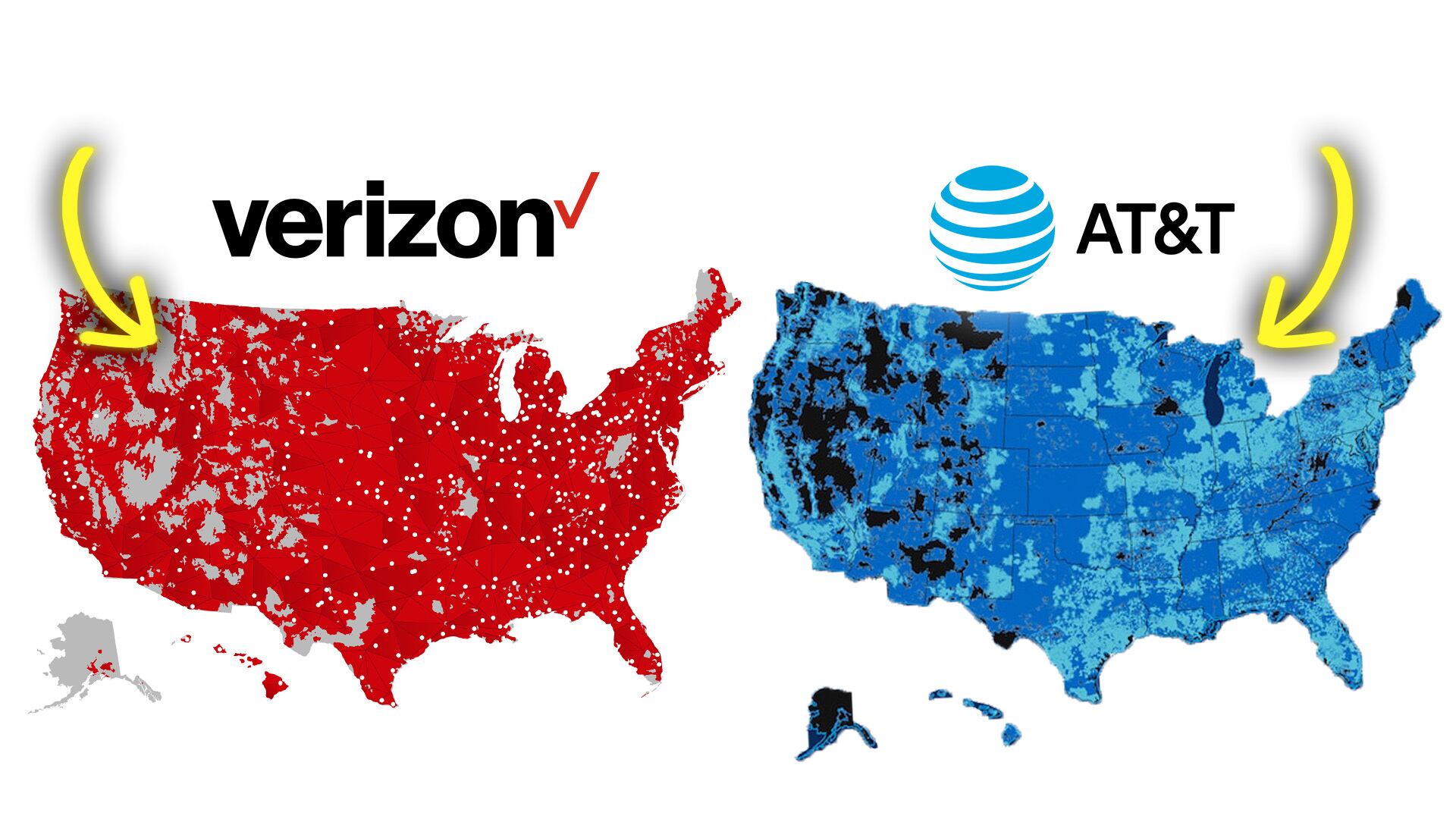
If you’ve ever struggled with a slow home internet connection or mobile data download in the United States, you’re not alone. Despite mobile and internet companies claiming to have “the best nationwide coverage,” or whatever it is they say in those ads, millions of Americans still lack access to reliable, high-speed internet. But you may be surprised to learn who the real culprit behind this ongoing issue is: flawed, overly-optimistic government maps.
VR/AR collaboration platform Spatial is diving head first into the Metaverse. The company is switching up its image--now branding itself as 'the metaverse for cultural events,' aiming to become the new virtual hub for NFT galleries, brand experiences, and large-scale conferences. Jacob Loewenstein, Head of Business, Spatial, joined Cheddar's Opening Bell to discuss the company's pivot.
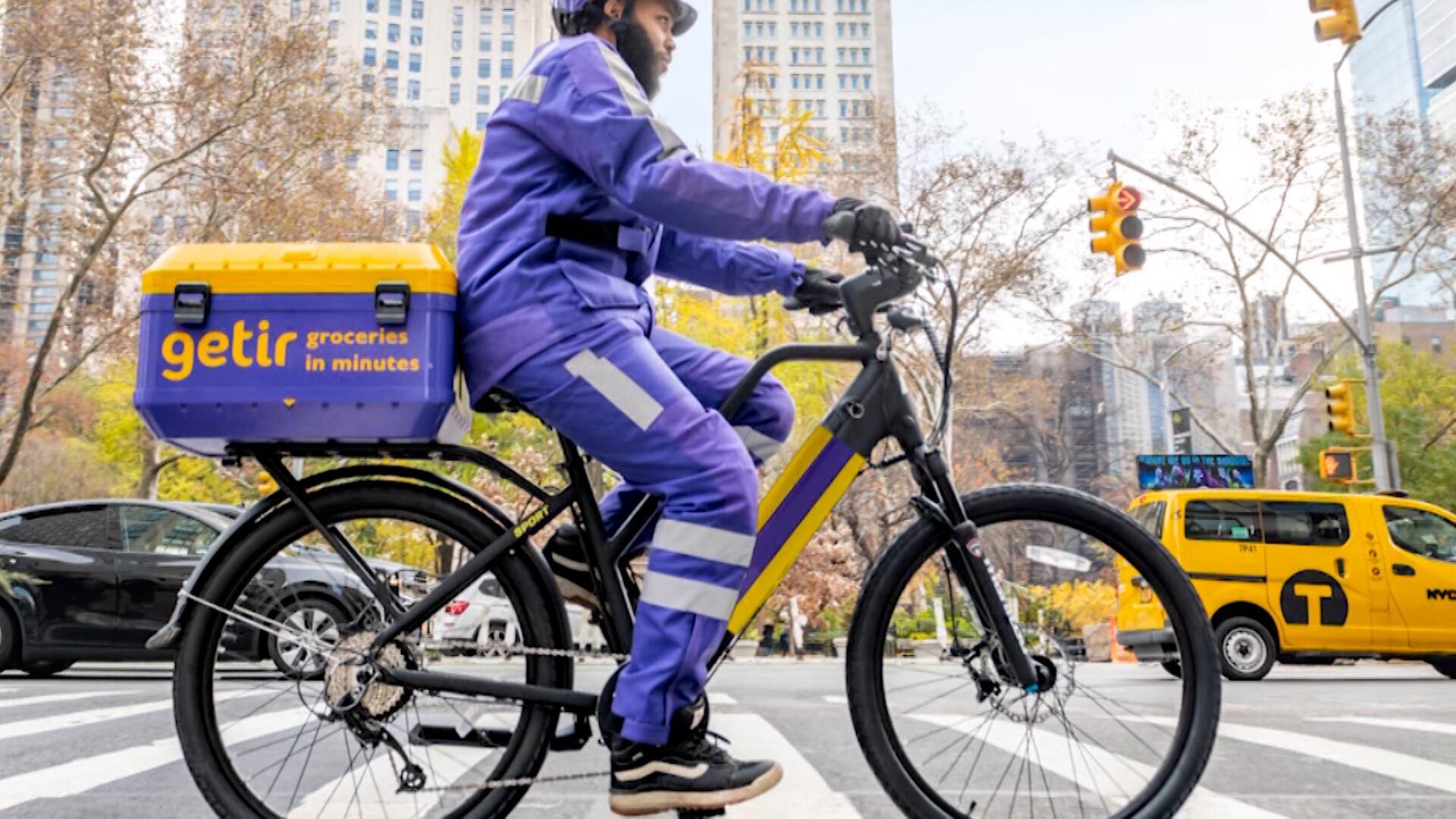
The past year has been huge for delivery services as people largely stayed home during the pandemic. Getir, an Istanbul-based company delivering goods in just 10 minutes, is officially launching in NYC. It comes as the company continues its international expansion. Nazim Salur, Founder, Getir, joined Cheddar's Opening Bell to discuss the opportunities in the new market.
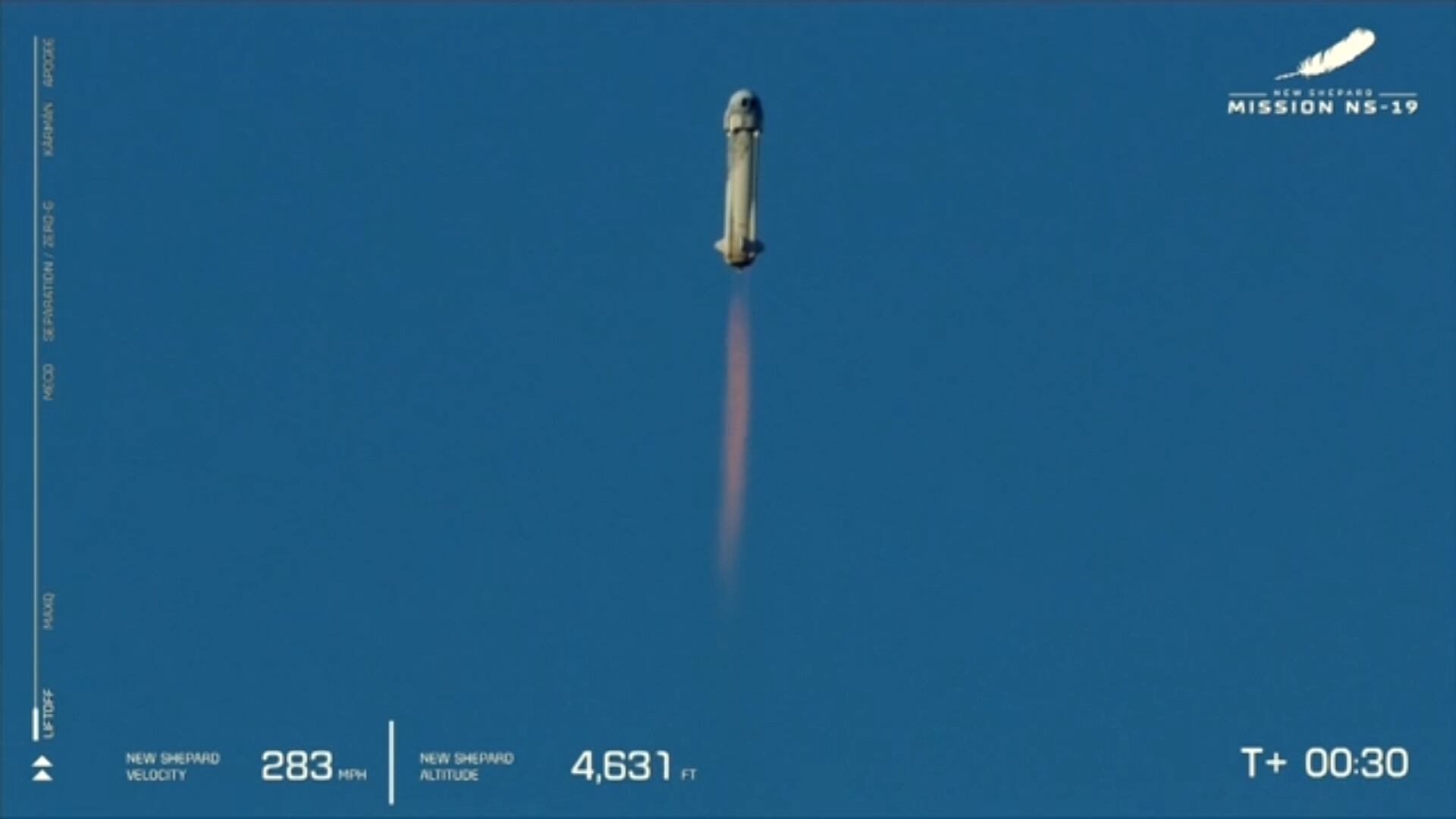
Another successful spaceflight is in the books for Jeff Bezos' Blue Origin. The company's third human spaceflight blasted off from Van Horn, TX. on Saturday, lasting about ten minutes from takeoff to landing. The crew, which included former NFL star and current GMA host Michael Strahan, traveled to the edge of space and experienced a few minutes of weightlessness before the capsule descended back to earth. Andrew Chanin, CEO of ProcureAM, joined Cheddar's Opening Bell to discuss the significance of the launch.
After nearly two years of the pandemic, U.S. consumers are ready to spend big this holiday season. However, shoppers may be faced with limited inventory as the U.S. continues to face shortages of key products and extended order backlogs. Per Hong, partner at consulting firm Kearney, joined Cheddar's Opening Bell to discuss the country's path forward.
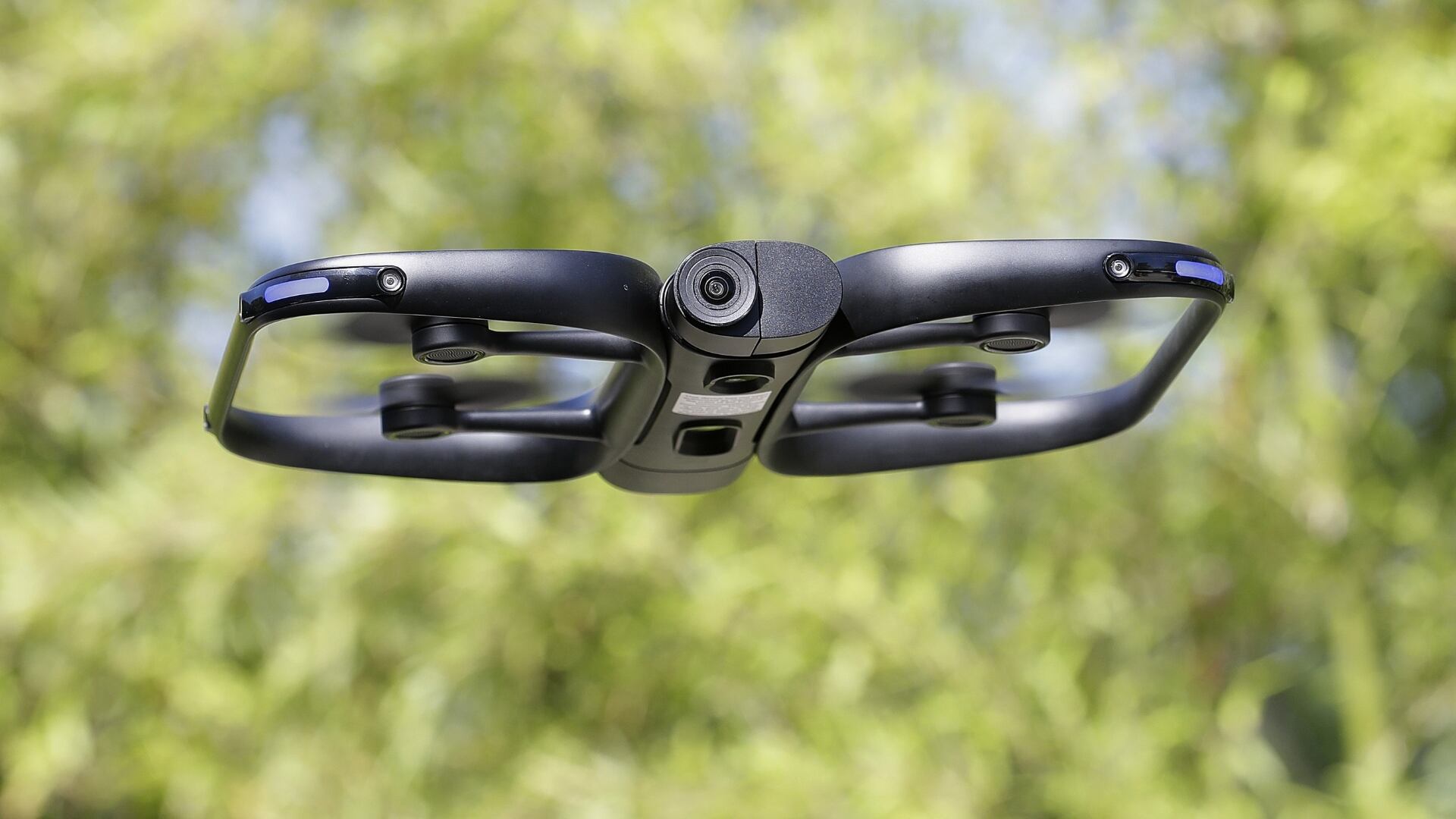
The U.S. is preparing to add more China-based firms to a blacklist in response to human rights violations in the country. This includes the leading drone manufacturer DJI. American businesses will be barred from investing or conducting business with the blacklisted companies.