Microsoft started 2020 with a bold plan: become carbon negative by 2030. Now it's announced a new coalition of global companies with the goal of catalyzing the shift away from fossil fuels.
"This has to be about much more than just Microsoft," Lucas Joppa, chief environmental officer at Microsoft, told Cheddar. "This has to be about leading companies across the private sector coming together to work on this challenge."
The industry and continent-spanning coalition, dubbed Transform to Net Zero, includes Maersk, Danone, Mercedes-Benz AG, Microsoft, Natura & Co, Nike, Starbucks, Unilever, and Wipro.
"What we're focusing on is going beyond making commitments," he said. "We need all companies to make meaningful, significant climate commitments. But those of us that have made those commitments, now it's time to get to work."
One shared goal of the group will be to develop playbooks based on their experiences decarbonizing, which they can then share with other companies unsure of how to proceed.
Microsoft's short-term goal is to remove 1 million metric tons of carbon from the environment within the year. It began the process this week by issuing what it calls a "groundbreaking" request for a proposal to source technology and nature-based carbon removal solutions from other firms.
Another piece of Microsoft's climate plan is switching its data centers to renewable energy sources. The company is partnering with Sol Systems, energy developer and investor, to build that capacity in communities that have been disproportionately impacted by pollution.
This will be the first major investment from the company's $1 billion Climate Innovation Fund that launched in January.
The partnership aims to add 500 megawatts to Microsoft's renewable energy portfolio, which already has approximately 1.9 gigawatts, according to Joppa. Microsoft says 500 megawatts would provide enough energy to power 70,000 U.S. homes.
Joppa said Microsoft is shooting for 100 percent renewable energy by 2025.
As Microsoft attempts to drive change in the corporate sector, Joppa is still banking on the public sector to step up with new regulations to combat climate change.
"It can't just be about us," Joppa said. "I believe that we need a much more level playing field. We need everybody to be required and incentivized to go and operate in this space, to move everybody's business practices to net zero by 2050. Ultimately we're going to need regulation and policy to get us there."
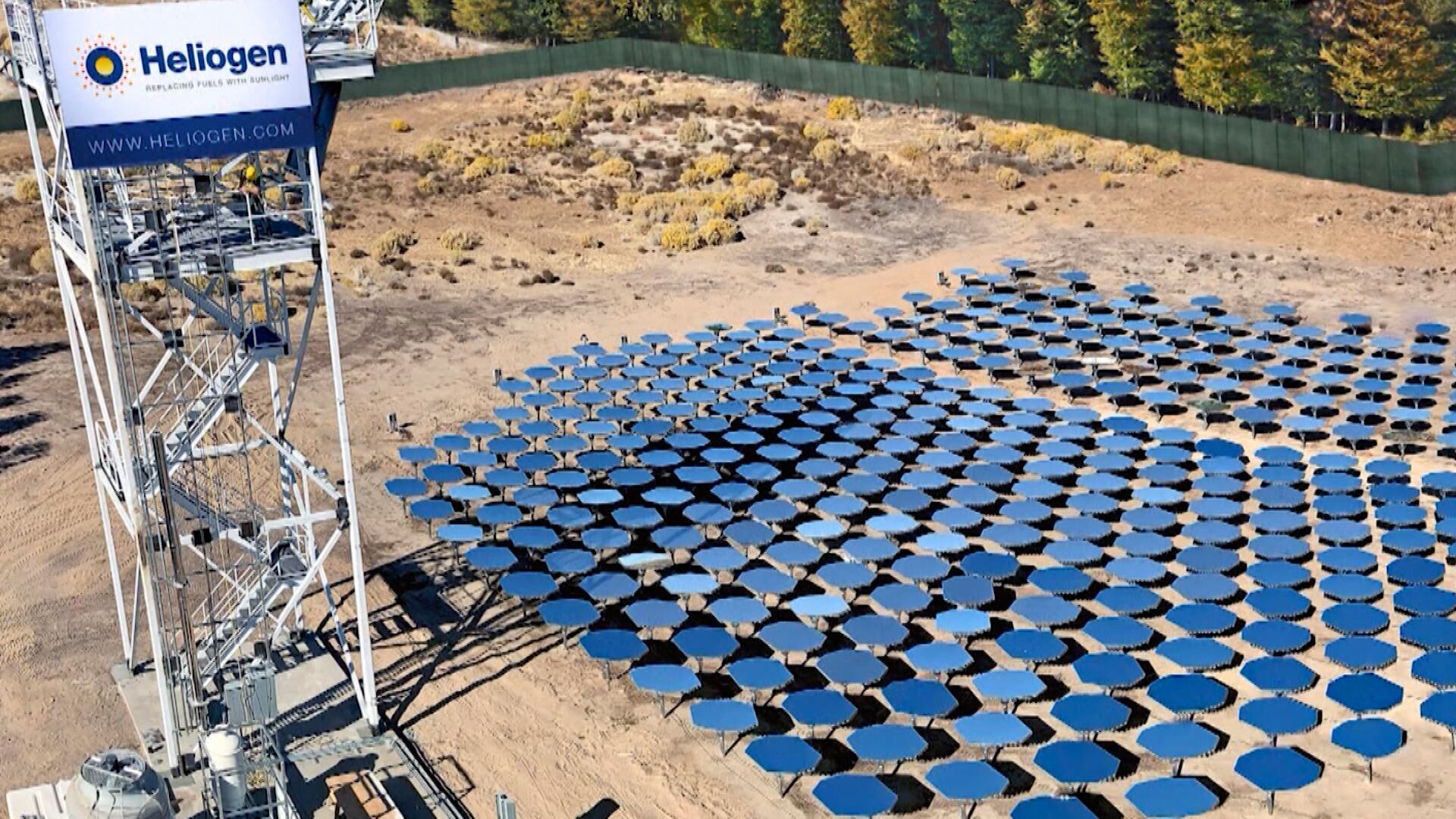
Renewable energy company Heliogen has gone public via a SPAC merger with blank check company Athena Technology Acquisition Corp. on the NYSE. Joining Cheddar, founder and CEO Bill Gross went into why he felt the end of 2021 was the best time to get into the public markets. "If you think of the Industrial Revolution and the digital revolution, this renewable revolution is probably going to be as big or larger than that," he said. "So we're going to use this capital to scale our business, to meet more customer demand, to do more projects in parallel, and to scale our research and development to continue to drive down the price to be competitive with fossil fuels."
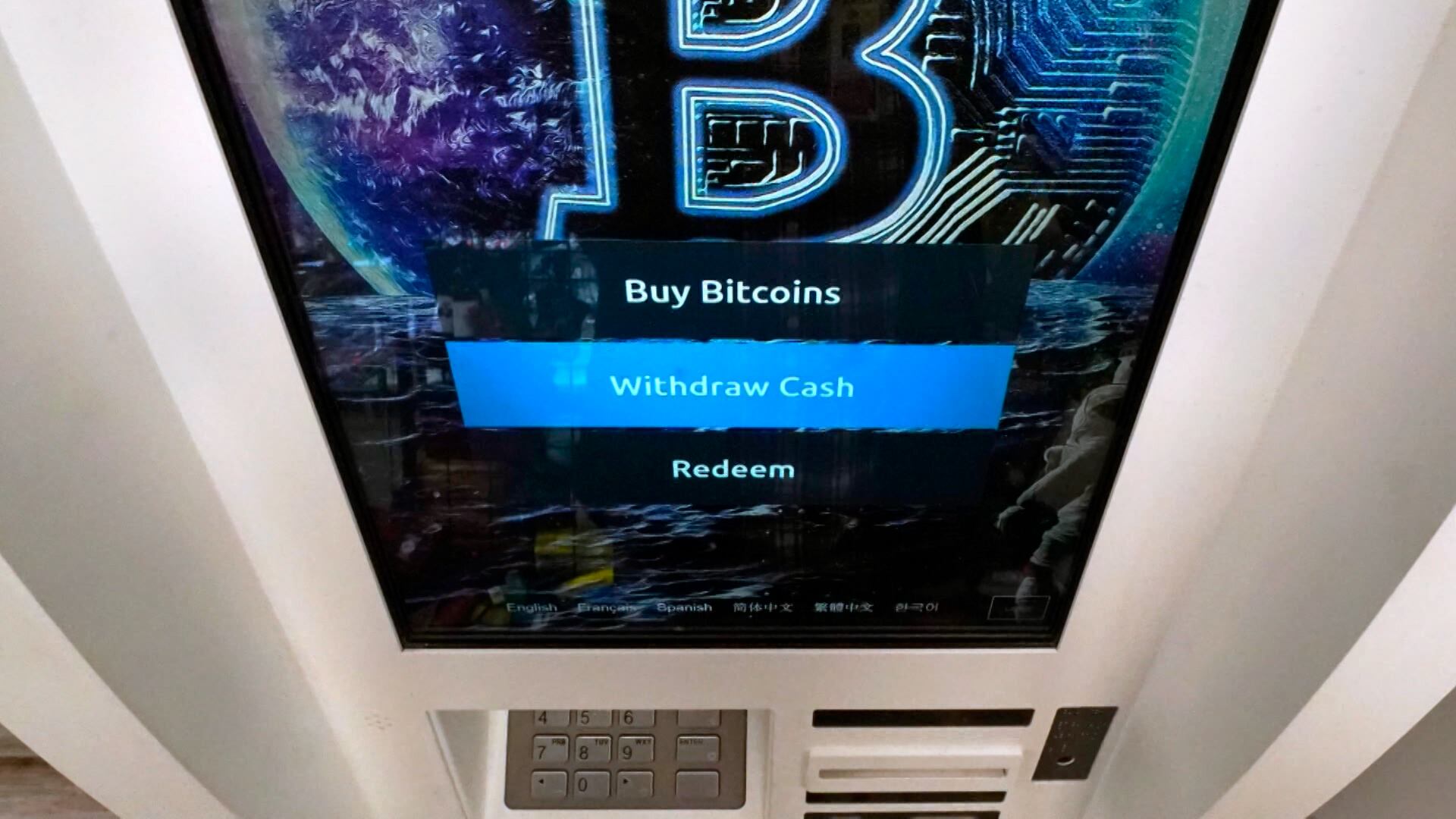
Carl "The Moon" Runefelt, a Bitcoin investment expert, recently made a hefty purchase of a $2 million Bugatti sports car at a Dubai dealership. The Swedish crypto evangelist joined Cheddar to talk about how he made the big acquisition of a luxury item he had long had his eye on and why he chose the dealership, The Car Vault, to make the unprecedented transaction. "They accepted crypto directly, and that was important to me," he said. "I am not going to go to any car dealership that don't accept crypto, and that's kind of a principle I have today."
2021 proved that crypto currency is here to stay. This year saw more and more adoptions of crypto, from top athletes looking to be paid in bitcoin, to Elon Musk even experimenting with bitcoin and dogecoin payments for a bit over at Tesla. And it wasn't all bitcoin either - other cryptos like Cardano and Solana saw some action in 2021 as well. Patrick McConlogue, CEO of Overline and former Citadel Investment Group Engineer explains why 2021 was such a good year for crypto, and what to expect in 2022.
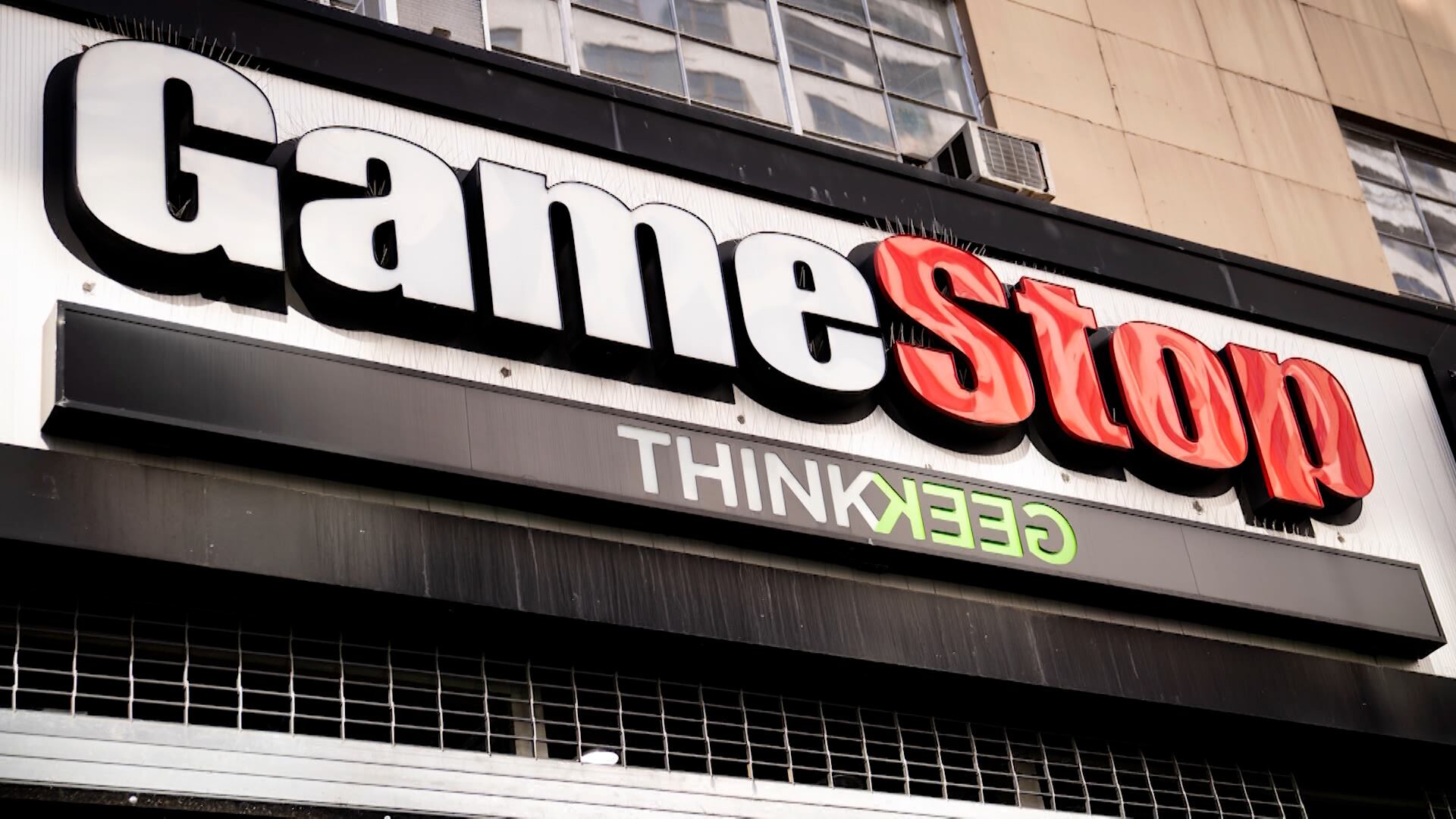
2021 saw markets continue to be impacted by the onslaught of the coronavirus pandemic -most recently in the form of the Omicron variant- in addition to the global supply chain shortage, and increased inflation. But it wasn't all bad news, as crypto soared throughout the year, and meme stocks continued to have a moment. With the year coming to a close, investors are keeping an eye out to see if they should expect more of the same in the new year. Chris Vecchio, Senior Analyst, at DailyFX tells us what market trends to be on the watch for in 2022.