Microsoft started 2020 with a bold plan: become carbon negative by 2030. Now it's announced a new coalition of global companies with the goal of catalyzing the shift away from fossil fuels.
"This has to be about much more than just Microsoft," Lucas Joppa, chief environmental officer at Microsoft, told Cheddar. "This has to be about leading companies across the private sector coming together to work on this challenge."
The industry and continent-spanning coalition, dubbed Transform to Net Zero, includes Maersk, Danone, Mercedes-Benz AG, Microsoft, Natura & Co, Nike, Starbucks, Unilever, and Wipro.
"What we're focusing on is going beyond making commitments," he said. "We need all companies to make meaningful, significant climate commitments. But those of us that have made those commitments, now it's time to get to work."
One shared goal of the group will be to develop playbooks based on their experiences decarbonizing, which they can then share with other companies unsure of how to proceed.
Microsoft's short-term goal is to remove 1 million metric tons of carbon from the environment within the year. It began the process this week by issuing what it calls a "groundbreaking" request for a proposal to source technology and nature-based carbon removal solutions from other firms.
Another piece of Microsoft's climate plan is switching its data centers to renewable energy sources. The company is partnering with Sol Systems, energy developer and investor, to build that capacity in communities that have been disproportionately impacted by pollution.
This will be the first major investment from the company's $1 billion Climate Innovation Fund that launched in January.
The partnership aims to add 500 megawatts to Microsoft's renewable energy portfolio, which already has approximately 1.9 gigawatts, according to Joppa. Microsoft says 500 megawatts would provide enough energy to power 70,000 U.S. homes.
Joppa said Microsoft is shooting for 100 percent renewable energy by 2025.
As Microsoft attempts to drive change in the corporate sector, Joppa is still banking on the public sector to step up with new regulations to combat climate change.
"It can't just be about us," Joppa said. "I believe that we need a much more level playing field. We need everybody to be required and incentivized to go and operate in this space, to move everybody's business practices to net zero by 2050. Ultimately we're going to need regulation and policy to get us there."
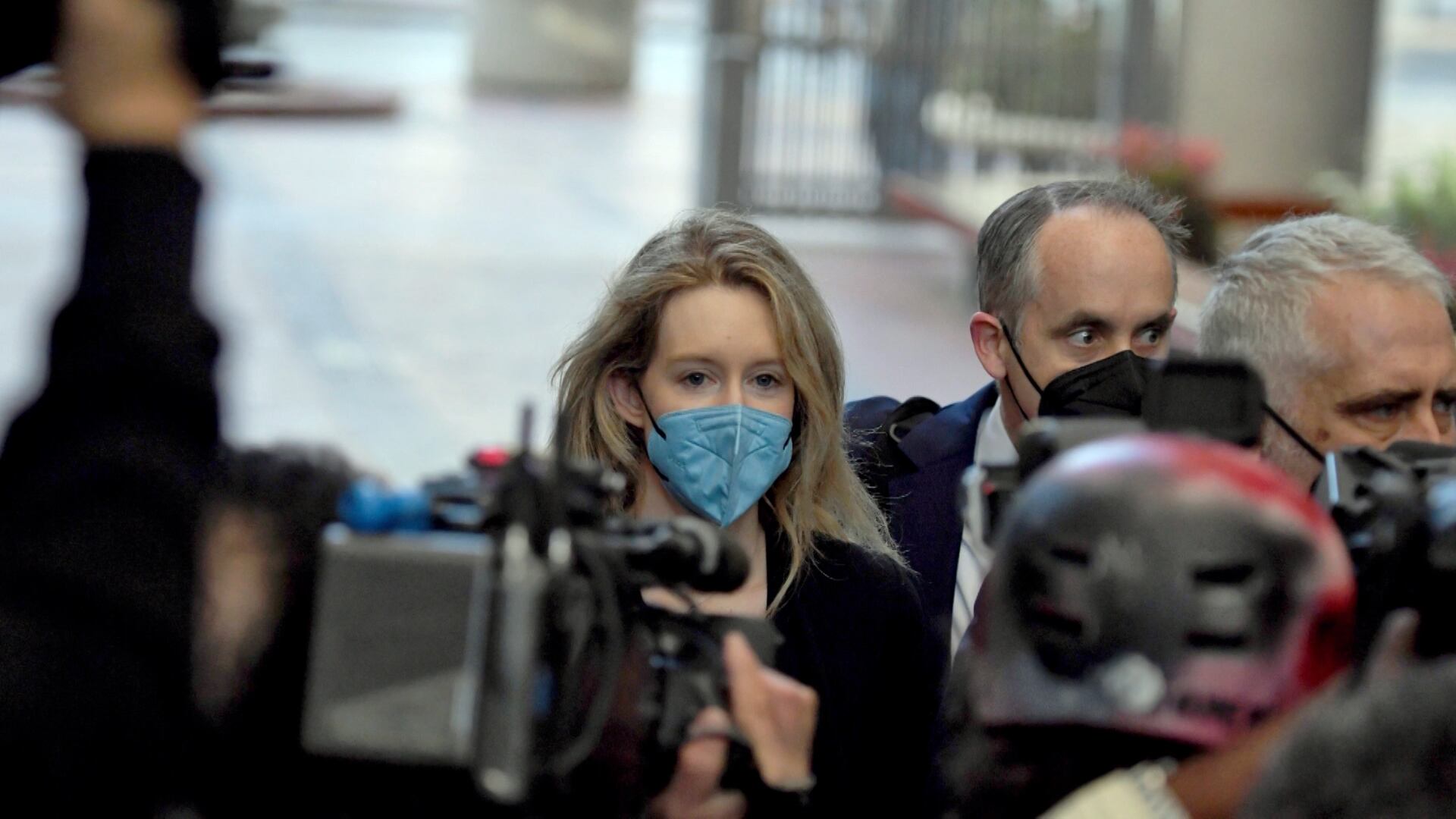
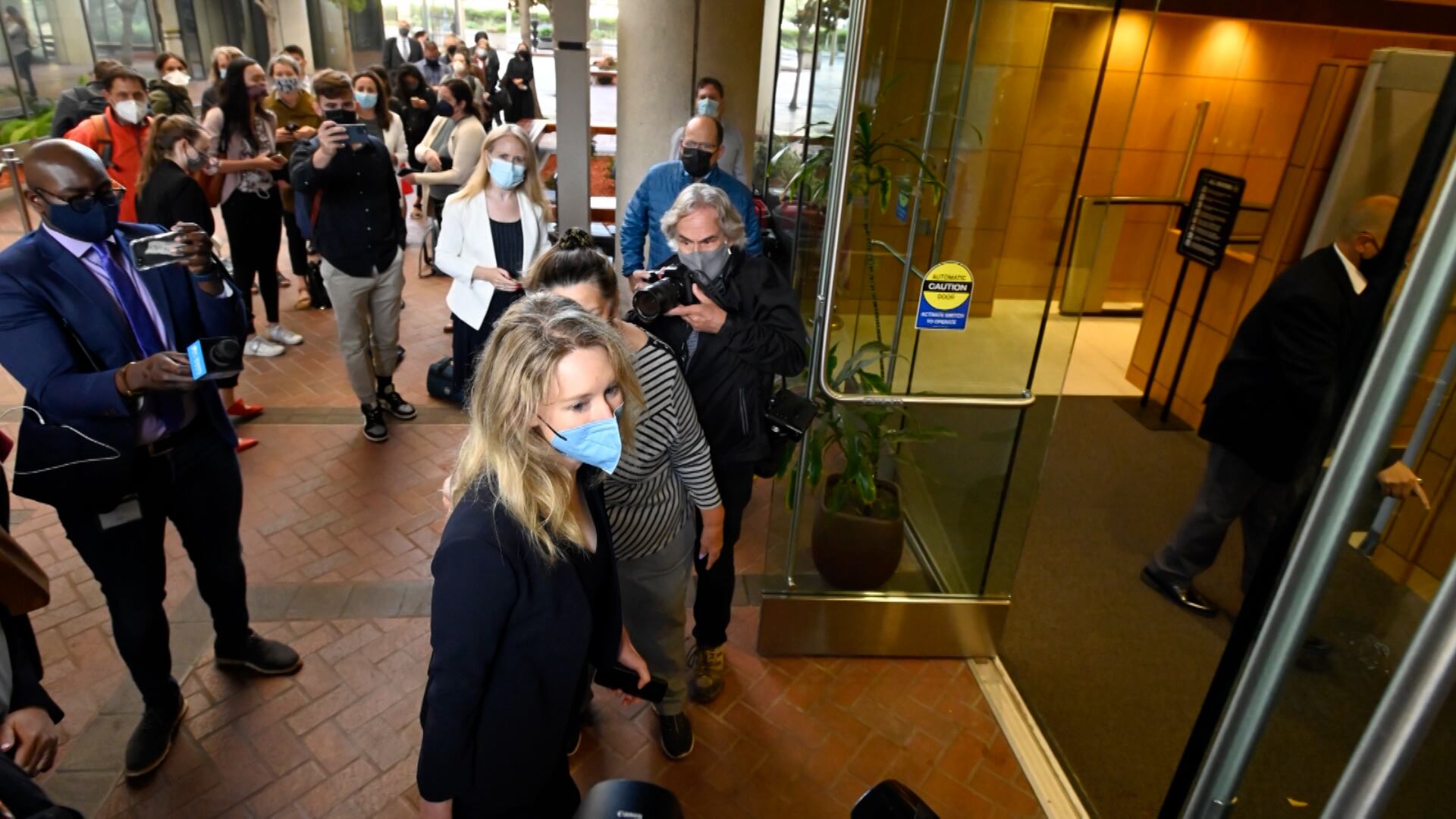
The six-month trial of Theranos founder Elizabeth Holmes has come to an end with the former tech startup star found guilty of four out of 11 counts of fraud. Michael S. Weinstein, Esq, chair of the white collar criminal defense practice at Cole Schotz, and former Department of Justice trial attorney, joined Cheddar News Wrap to discuss what happens next for the former mogul. "Do I think it's going to be more than five or seven years? Probably yes. I think that's probably a fair range at this point," he said about her potential prison sentence.
Elon Musk continues on his path to make a reusable rocket with his starship project, but it's not going to be easy. If successful, the rocket would heavily reduce launch costs, in addition to further developing Starlink, Musk’s satellite-based internet service. Rick Tumlinson, founding partner at Space Fund, spoke to Cheddar News about the future of SpaceX.
We are just one day away from what has been called the most influential tech event in the world. CES 2022 will officially kick off on Wednesday in Las Vegas, but the annual tech summit is being impacted by COVID-19, like so many other recent events. The Consumer Technology Association originally planned for a hybrid event to take place from January 5-8, with some in-person events and some virtual; however, a few big-name companies announced they will not be attending in-person, so the CTA decided to shorten the event by one day, with it now ending on Friday. Consumer electronics senior analyst Will Greenwald joins Cheddar News' Closing Bell to discuss.
Harry Yeh, Managing Director at Quantum Fintech Group, joins Cheddar News' Closing Bell, where he explains why his firm has a target estimate of $400,000 for Bitcoin this year.
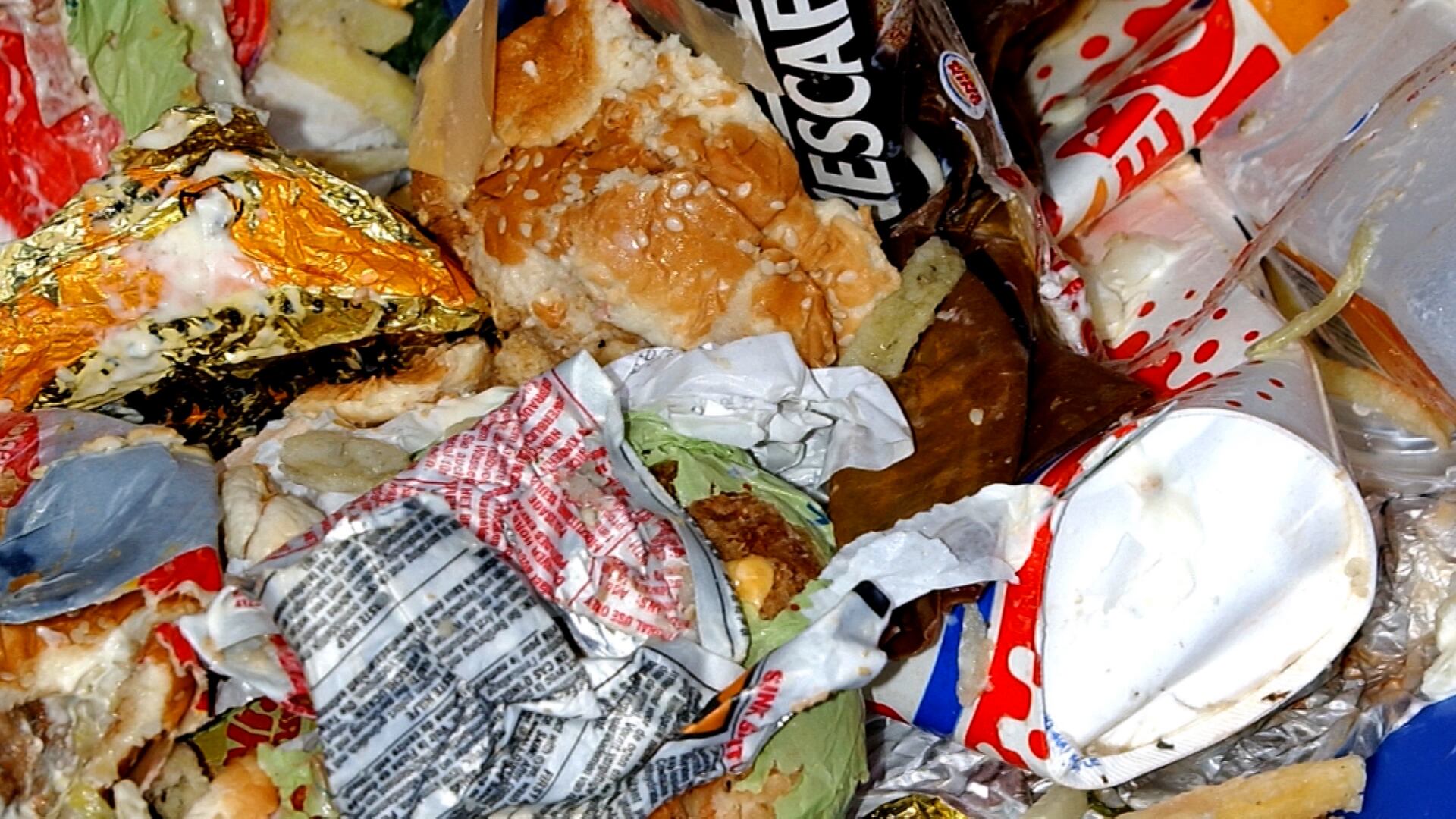
California's new composting law will affect what residents do in their kitchens. As of this week, Californians will have to recycle excess food in an effort to reduce emissions caused by food waste. Cities and counties will turn recycled food into compost or use it as a renewable energy source. California's new law is the largest mandatory residential food waste recycling program in the country. Rachel Wagoner, Director of the California Department of Resources, Recycling and Recovery called the law 'the biggest change to trash' since recycling started in the 1980s. She joined Cheddar Climate to discuss.
Like the big changeover to e-commerce for retail, the COVID-19 pandemic has moved car buying trends to the digital showroom. Karl Brauer, an executive analyst at iSeeCars.com, joined Cheddar to talk about the "mindset shift" in consumers and businesses to order-based systems in the United States (something more common in other countries). While more than 60 percent of consumers still prefer to visit dealerships in-person, Brauer noted that consumers are better off ordering a car to spec, which would also help improve supply constraints. "It's really bad right now to be building cars and not really knowing who's going to buy them or when they're going to sell," he said. Manufacturing a car to order would maximize the efficiency of obtaining materials through the supply chain rather than "shotgunning it" at dealerships.
Mark MacDougall, attorney and former prosecutor with the criminal division of the Department of Justice, joined Cheddar to discuss the fraud conviction of Theranos founder Elizabeth Holmes. MacDougall addressed Holmes' stance that what she did was no different than any other Silicon Valley startup's approach to business and how this will shake out for the industry going forward. "I can't imagine it doesn't have some salutary effect on entrepreneurs and people involved in new ventures going forward," he said. Holmes was found guilty on 4 of 11 counts, with each carrying a maximum of 20 years in prison, but MacDougall explained that the lengthy prison sentences were unlikely.