Microsoft started 2020 with a bold plan: become carbon negative by 2030. Now it's announced a new coalition of global companies with the goal of catalyzing the shift away from fossil fuels.
"This has to be about much more than just Microsoft," Lucas Joppa, chief environmental officer at Microsoft, told Cheddar. "This has to be about leading companies across the private sector coming together to work on this challenge."
The industry and continent-spanning coalition, dubbed Transform to Net Zero, includes Maersk, Danone, Mercedes-Benz AG, Microsoft, Natura & Co, Nike, Starbucks, Unilever, and Wipro.
"What we're focusing on is going beyond making commitments," he said. "We need all companies to make meaningful, significant climate commitments. But those of us that have made those commitments, now it's time to get to work."
One shared goal of the group will be to develop playbooks based on their experiences decarbonizing, which they can then share with other companies unsure of how to proceed.
Microsoft's short-term goal is to remove 1 million metric tons of carbon from the environment within the year. It began the process this week by issuing what it calls a "groundbreaking" request for a proposal to source technology and nature-based carbon removal solutions from other firms.
Another piece of Microsoft's climate plan is switching its data centers to renewable energy sources. The company is partnering with Sol Systems, energy developer and investor, to build that capacity in communities that have been disproportionately impacted by pollution.
This will be the first major investment from the company's $1 billion Climate Innovation Fund that launched in January.
The partnership aims to add 500 megawatts to Microsoft's renewable energy portfolio, which already has approximately 1.9 gigawatts, according to Joppa. Microsoft says 500 megawatts would provide enough energy to power 70,000 U.S. homes.
Joppa said Microsoft is shooting for 100 percent renewable energy by 2025.
As Microsoft attempts to drive change in the corporate sector, Joppa is still banking on the public sector to step up with new regulations to combat climate change.
"It can't just be about us," Joppa said. "I believe that we need a much more level playing field. We need everybody to be required and incentivized to go and operate in this space, to move everybody's business practices to net zero by 2050. Ultimately we're going to need regulation and policy to get us there."
The new year has just gotten underway, but the clock is already ticking for the Democratic-led Congress to pass bills regulating big tech. Evan Greer, Director for Fight For the Future, joins Cheddar News to explain why Democratic lawmakers would want to push legislation now, and what a Republican takeover would mean for the industry.
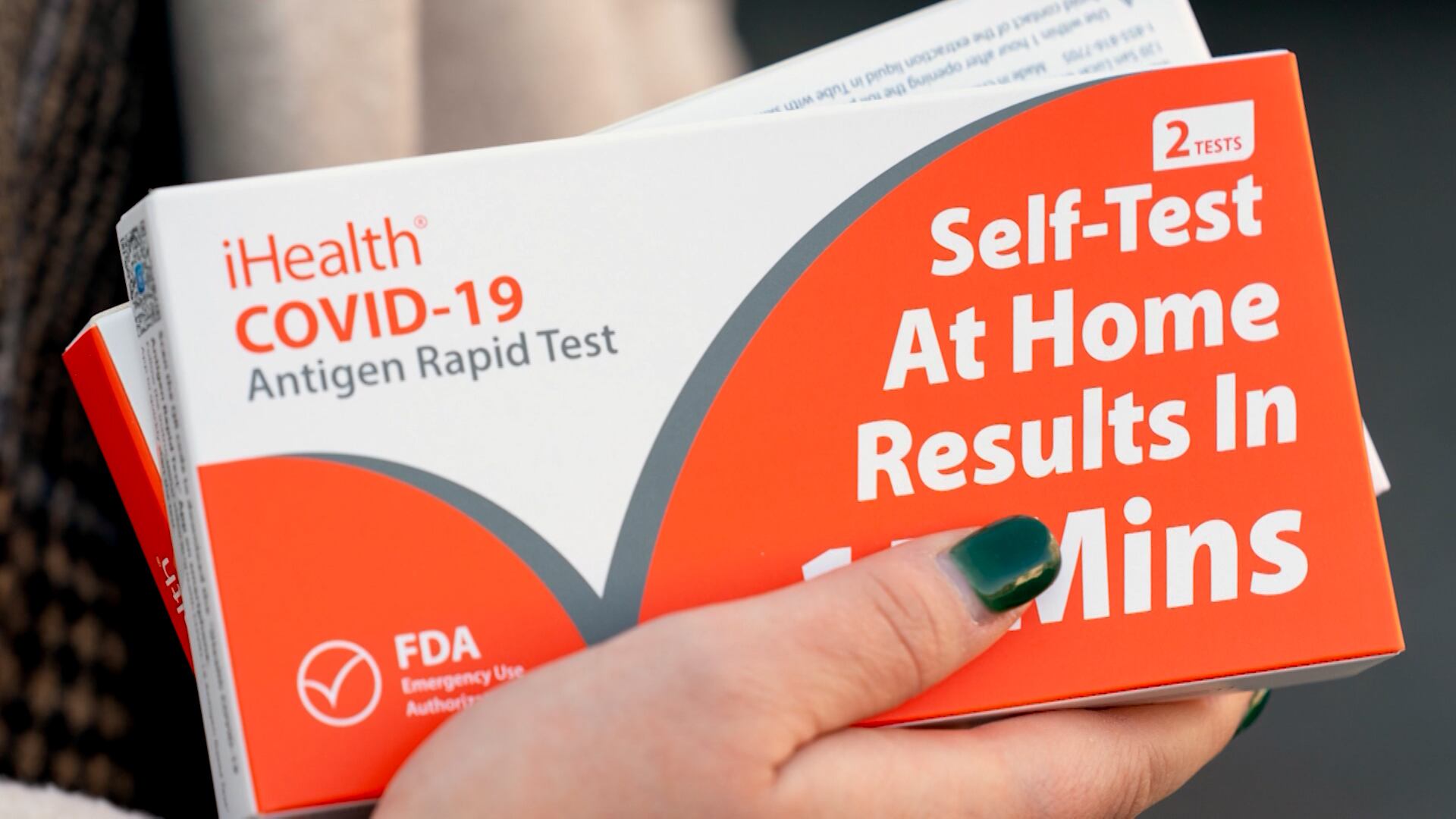
Americans looking to purchase at-home COVID-19 tests will now have to shell out a bit more money after an agreement expired between the White House and companies to sell the tests at cost. The price of Abbot's BinaxNow test kit from October to December was $14 apiece; on Tuesday, Walmart's website listed the test for $19.88, and Kroger listed the tests for $23.99. Carbon Health Regional Clinical Director Dr. Bayo Curry-Winchell joined Cheddar News' Closing Bell to discuss the impact higher prices will have as the nation experiences another surge in cases.
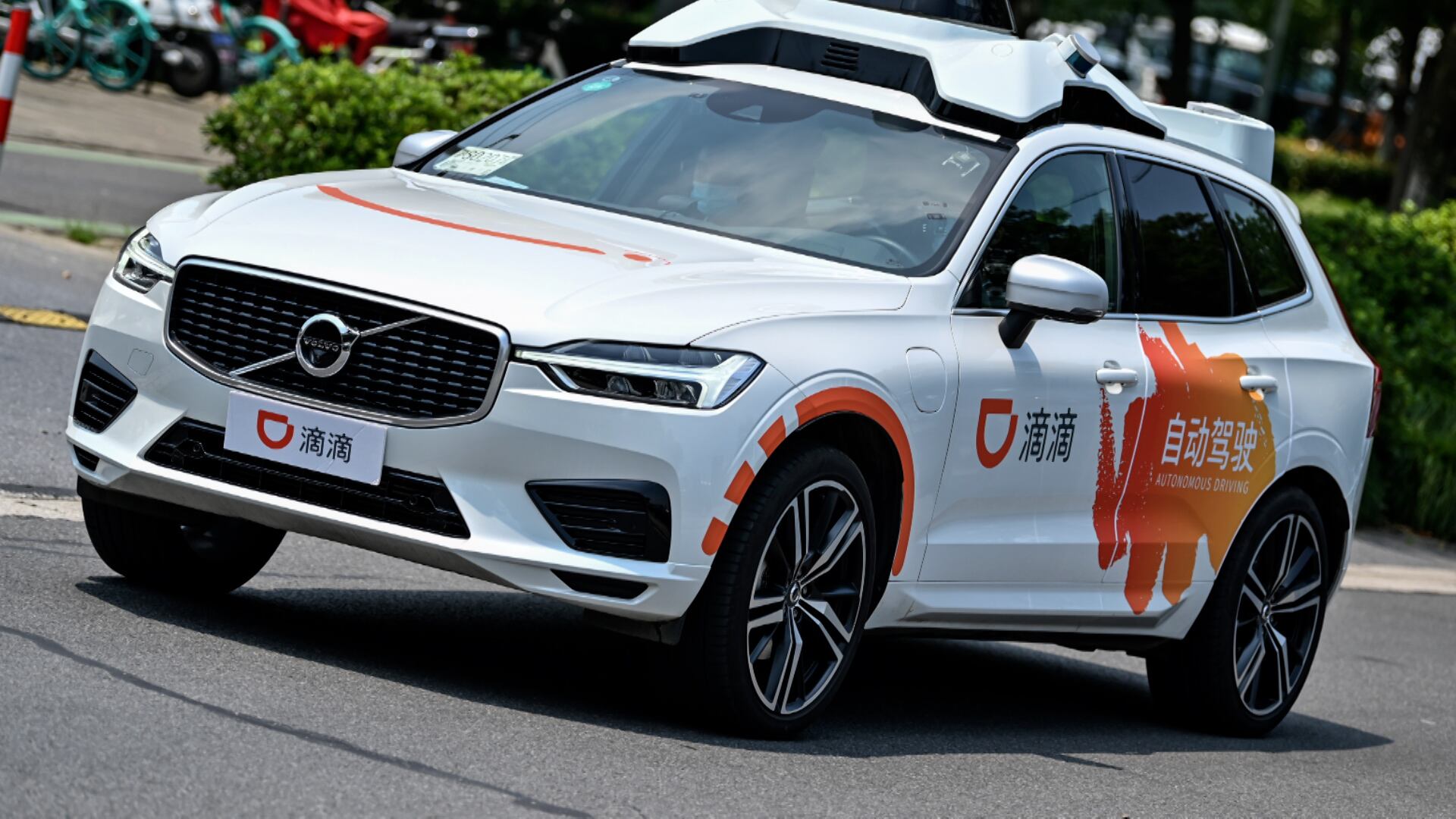
2022 is set to be a big year for autonomous technology. After many new partnerships, acquisitions, and developments in 2021, all eyes will be on the self-driving sector to see what progress, or lack there-of, will be made this year. Soroush Salehian, CEO and co-founder of Aeva, gives a look at what's ahead for the industry.
The largest tech convention in the world kicks off this week. CES, organized by the Consumer Technology Association, will run from Wednesday Jan. 5 through Friday Jan. 7, featuring more than 2,000 exhibitors showing off their latest tech products in Las Vegas. Ian Sherr, editor at large at CNET, gives a first look at some of the biggest trends expected this year.
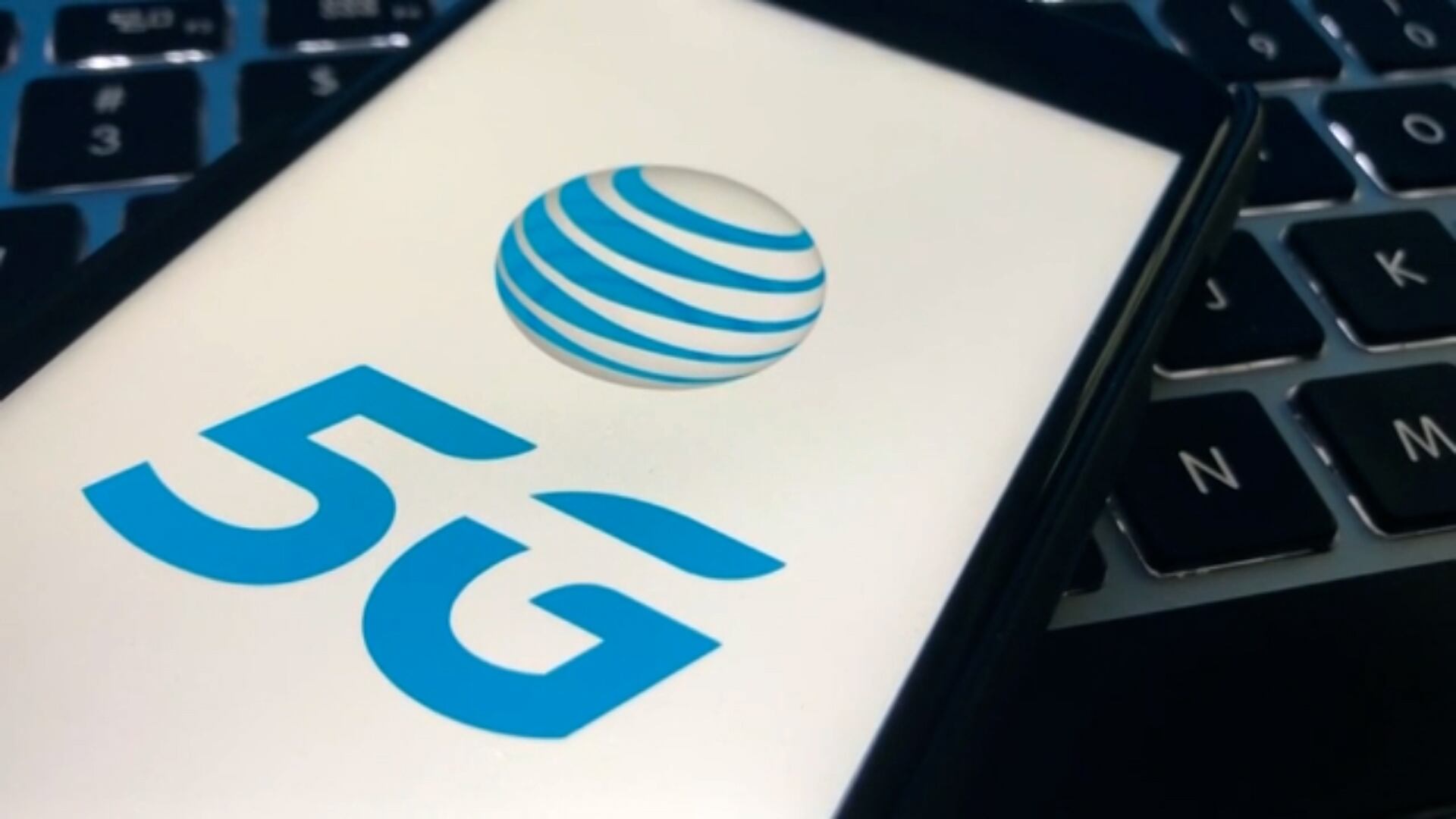
Verizon and AT&T have agreed to delay the launch of their 5G networks for two weeks following pressure from the Federal Aviation Administration, airline companies and even Transportation Secretary Pete Buttigieg. The aviation industry is concerned the 5G rollout could bring technical challenges or safety concerns on top of the current disruptions they're already dealing with from COVID and severe weather. Hugh Odom, founder and president of Vertical Consultants and former AT&T attorney, discusses how the Biden administration was able to come to this agreement with the wireless carriers.
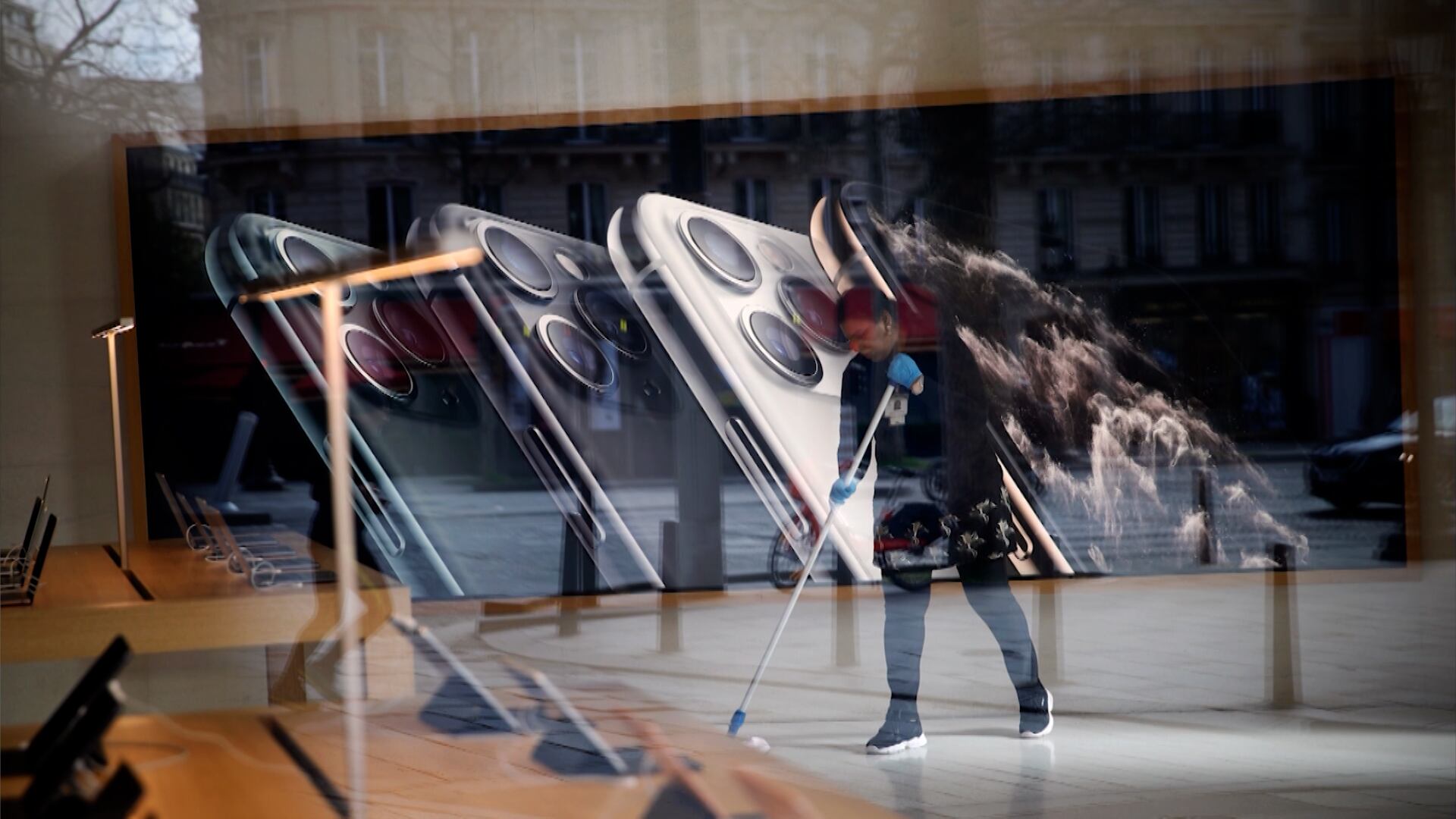
Angelo Zino, Senior Industry Analyst & Vice President at CFRA Research, breaks down the tech giants' valuation milestone and discusses the areas of Apple's business that could see further growth.
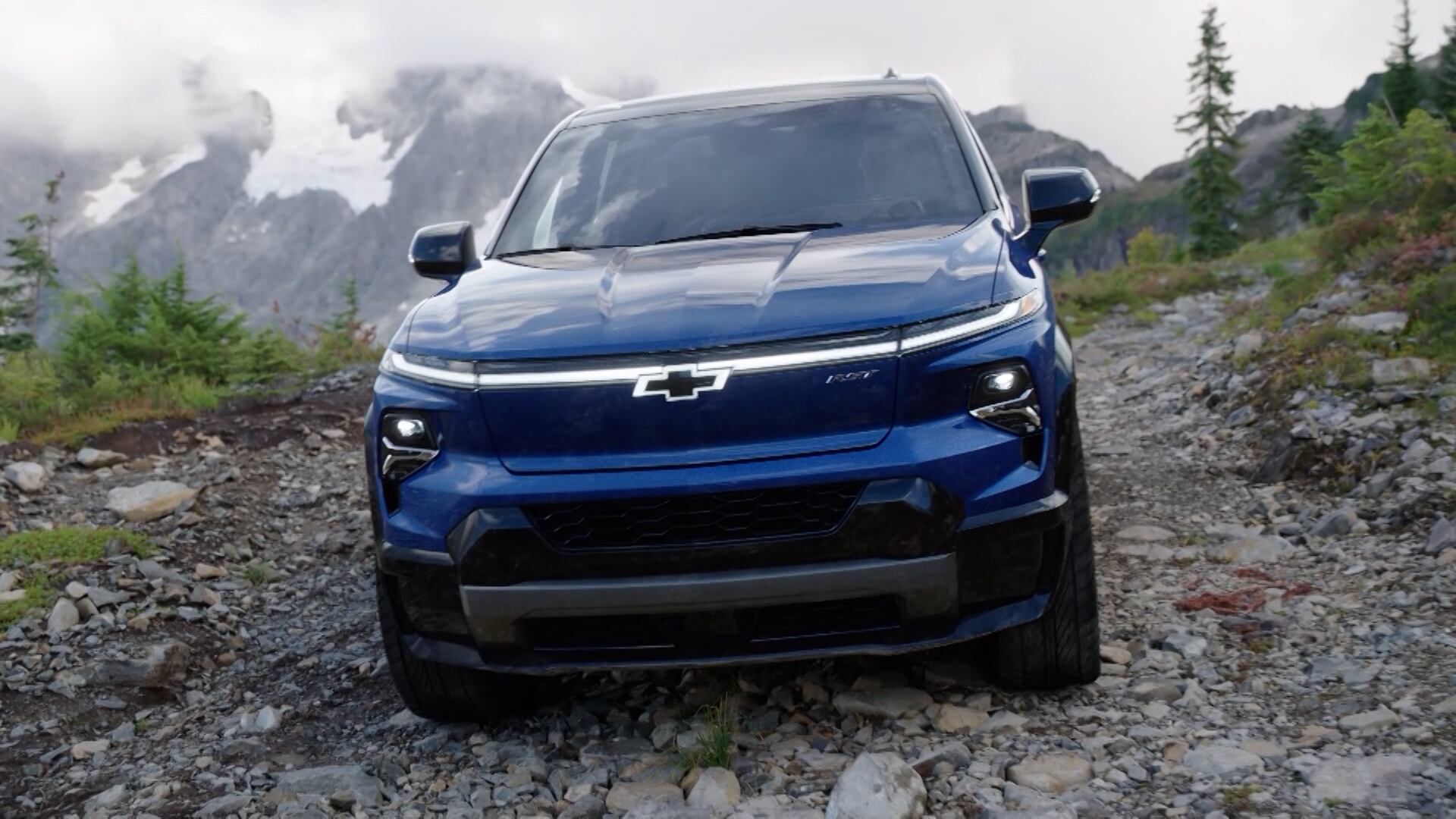
General Motors rolled out the newest addition to its EV fleet with the all-electric Silverado pickup truck. Deborah Wahl, chief marketing officer at GM, joined Cheddar to talk about the latest EV offering and how it matches up to its past gas-powered versions. She said she expects demand to soar after the "first-level truck" sold out in just 12 minutes and talked about steps GM plans to take to regain its title as top U.S. auto seller after being dethroned by Toyota in 2021 with emphasis on the EV market. "I think this is an exciting new inflection point for the market overall, for [an] idea of an all-electric future, and certainly shows that we're extremely committed to the idea of everybody in an electric vehicle," said Wahl.
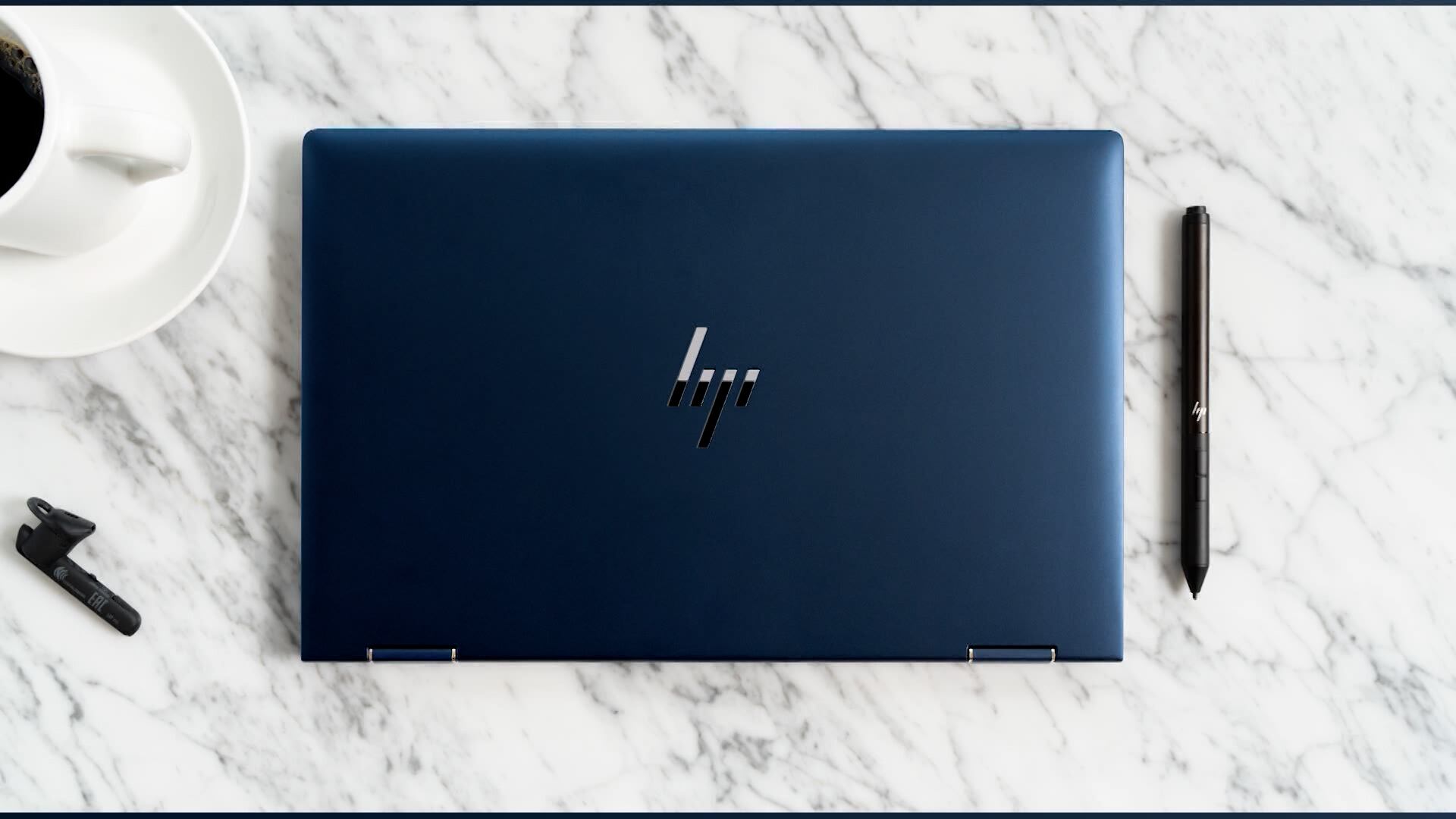
With the annual CES convention underway amid COVID, HP unveiled rolled out a number of new products virtually this year, including new gaming PCs and 4K display monitors. But as industries look toward a greener future, HP is working with the climate crisis in mind. James McCall, chief sustainability officer at HP, joined Cheddar's Kristen Scholer to discuss the company's climate goals, which includes reducing its carbon footprint to net-zero by 2040. He admitted that reaching the ambitious goal will be difficult because much of the company's emissions totals come from third parties. "A large part of our footprint is outside of HP's direct control. A lot of it comes either from our incoming supply chain, the materials, our manufacturing process, or about 30 to 40 percent of it comes from our consumer-use base," McCall told Cheddar.