Microsoft "permanently disabled" Internet Explorer on Valentine's Day, shutting down a web browser that for a long time has stood in the shadow of newer, better web browsers.
Microsoft Edge has co-existed with Internet Explorer for years, but now it will be the default browser on all Windows devices.
“Not only is Microsoft Edge a faster, more secure and more modern browsing experience than Internet Explorer, but it is also able to address a key concern: compatibility for older, legacy websites and applications,” Sean Lyndersay, general manager of Microsoft Edge Enterprise, wrote in a 2021 blog post announcing Internet Explorer's eventual demise.
The browser launched in 1995 and for a long time was the most popular entry point to the web. Then federal regulators in 1997 sued Microsoft for requiring computer makers to use Internet Explorer as part of Windows.
The legal pressure eventually forced Microsoft to open up Windows to other browsers, which soon gained market share.
Google's Chrome now makes up 65 percent of the browser market, and Apple's Safari makes up 19 percent, according to analytics company Statcounter. As for Microsoft Edge, it currently stands at around 4 percent.
Internet Explorer's final version came out in 2013.
While more nostalgic web denizens lamented the brower's passing, others commented that it had become "bug-ridden and insecure," and noted that it was primarily used for downloading other browsers.
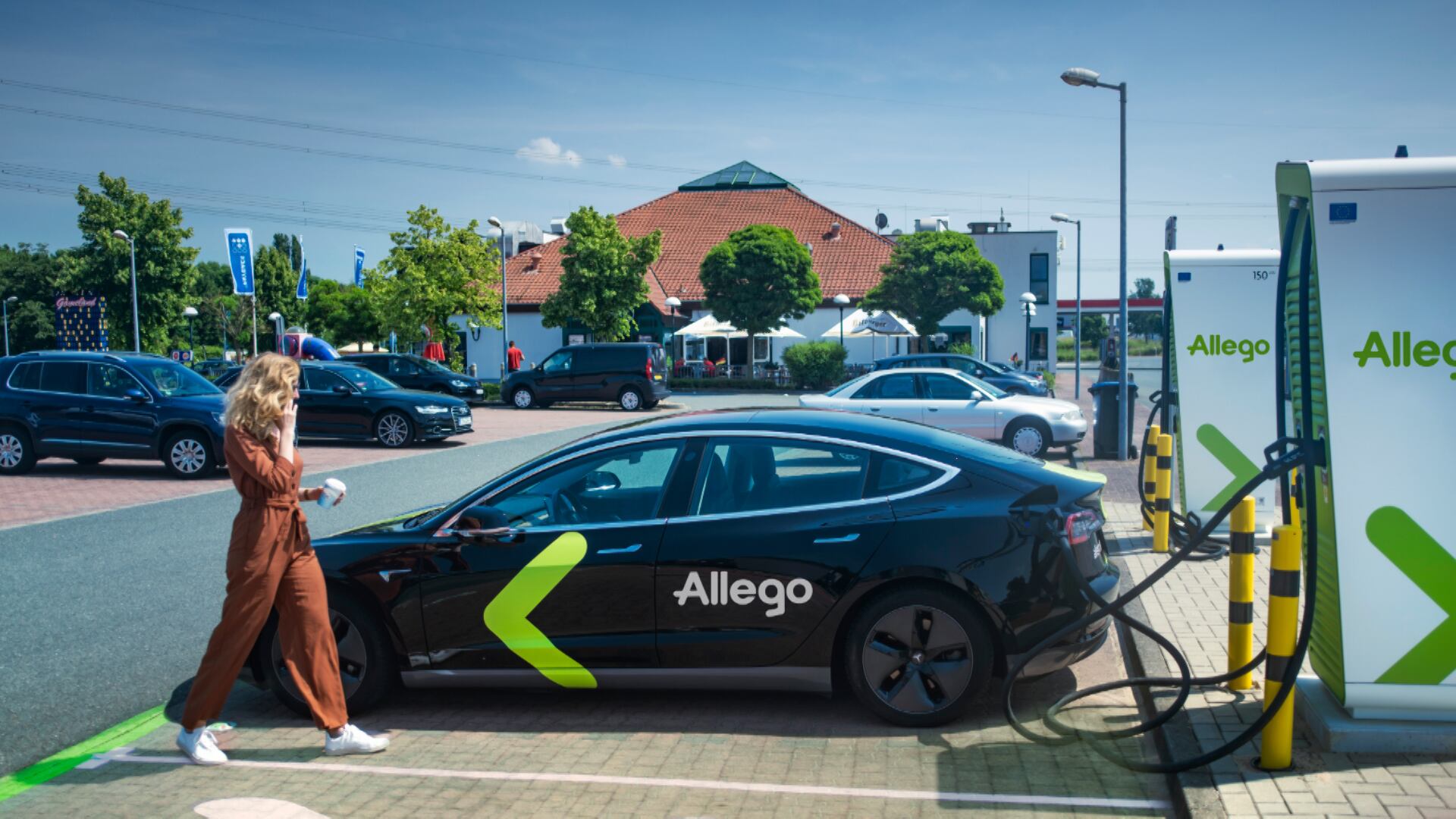
Allego, a European electric vehicle charging company, is officially public. With charging stations in 16 European countries and counting, Allego will play a strong supporting role in Europe's transition to clean energy, as its stations pull exclusively from renewable sources. Mathieu Bonnet, CEO of Allego, spoke with Cheddar's Opening Bell about its recent listing, the future of the EV industry, and what the Russia-Ukraine war means for the adoption of electric vehicles.
Neonvest is a platform connecting startups and entrepreneurs with experts in the VC space. The startup says it's in the process of raising a seed round of approximately $2.5 million from a mix of angel and institutional investors. Aakash Shah, co-founder of NeonVest, joins Cheddar News' Closing Bell to discuss.
The Bill Gates-founded Breakthrough Energy company invested $80 million in Verdox Inc. to facilitate efficient, lower-cost technolog to remove carbon from the air and emission sources. CEO of Verdox, Brian Baynes, joined Cheddar News to discuss the investment, how the company's tech works, and where he sees it going. "We anticipate that with technologies like ours, we potentially can get to the scale of about a million tons per year within 5-10 years," he said. "And then ultimately we need to be doing this at the scales of billions of tons per year and ultimately about 10 billion tons per year in the year 2050."
Amazon closed its deal to buy MGM's many content brands for $8.5 billion, and Michael Pachter, a managing director at Wedbush Securities, joined Cheddar News to discuss the e-commerce giant's second-largest acquisition to date and how he thinks it will all pay off. "To make a movie today, you just can't even think about it for less than 30 million bucks, so 4,000 movies, I mean that's several billion dollars worth of assets," he said, noting how it would also add to Amazon's little-known ad-supported IMDb TV service. "I don't know that the IMDb TV guys actually talk to the Amazon Prime Video guys, but a lot of content, it makes the value of a Prime subscription much, much greater, and people are far, far less likely to churn even if they're only buying one package every three months."
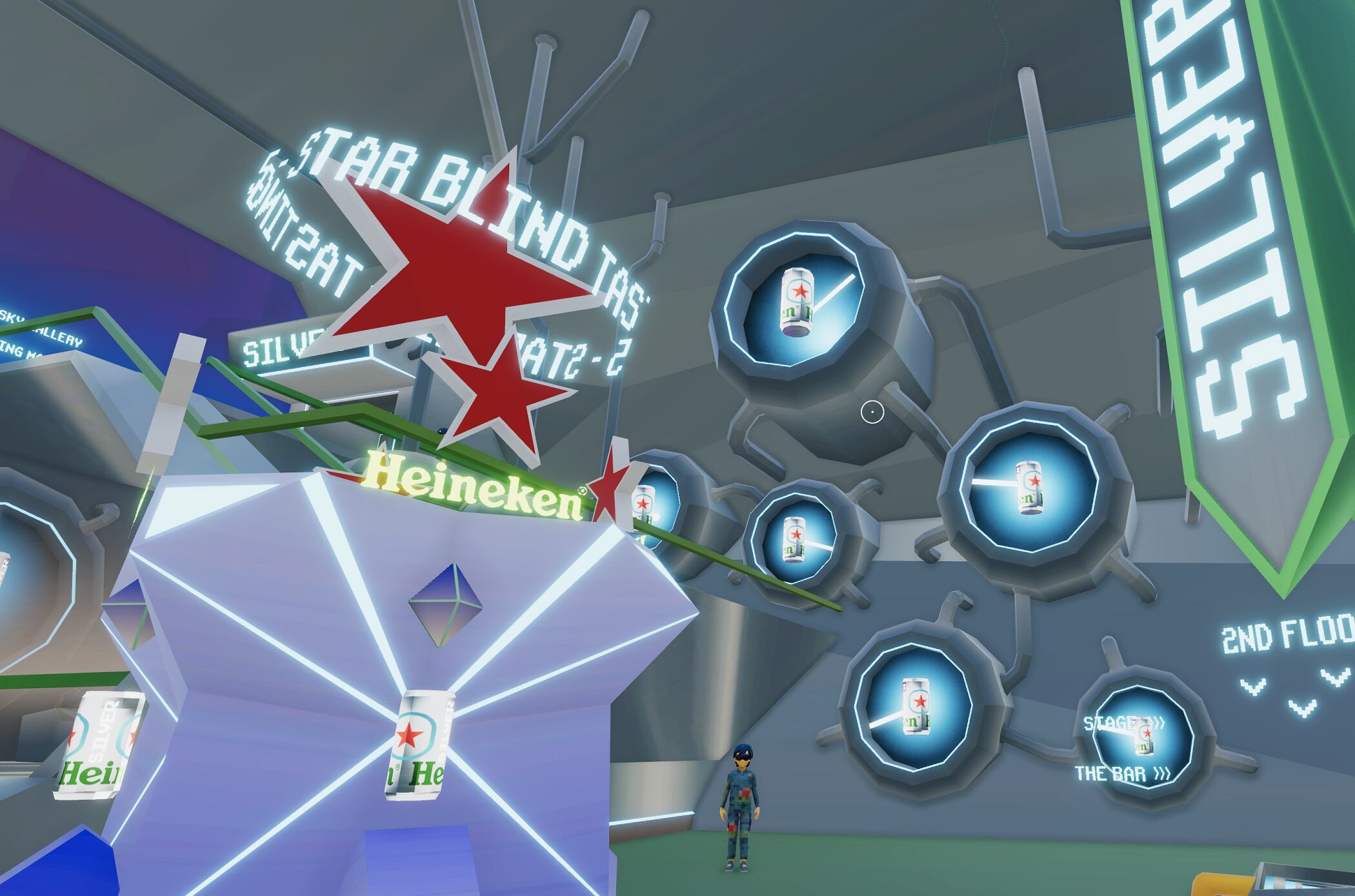
Beer brand Heineken recently revealed its foray into the metaverse was something of a joke, but how serious are brands taking the latest craze in general? Cheddar's Alex Vuocolo takes a closer look.