Microsoft "permanently disabled" Internet Explorer on Valentine's Day, shutting down a web browser that for a long time has stood in the shadow of newer, better web browsers.
Microsoft Edge has co-existed with Internet Explorer for years, but now it will be the default browser on all Windows devices.
“Not only is Microsoft Edge a faster, more secure and more modern browsing experience than Internet Explorer, but it is also able to address a key concern: compatibility for older, legacy websites and applications,” Sean Lyndersay, general manager of Microsoft Edge Enterprise, wrote in a 2021 blog post announcing Internet Explorer's eventual demise.
The browser launched in 1995 and for a long time was the most popular entry point to the web. Then federal regulators in 1997 sued Microsoft for requiring computer makers to use Internet Explorer as part of Windows.
The legal pressure eventually forced Microsoft to open up Windows to other browsers, which soon gained market share.
Google's Chrome now makes up 65 percent of the browser market, and Apple's Safari makes up 19 percent, according to analytics company Statcounter. As for Microsoft Edge, it currently stands at around 4 percent.
Internet Explorer's final version came out in 2013.
While more nostalgic web denizens lamented the brower's passing, others commented that it had become "bug-ridden and insecure," and noted that it was primarily used for downloading other browsers.
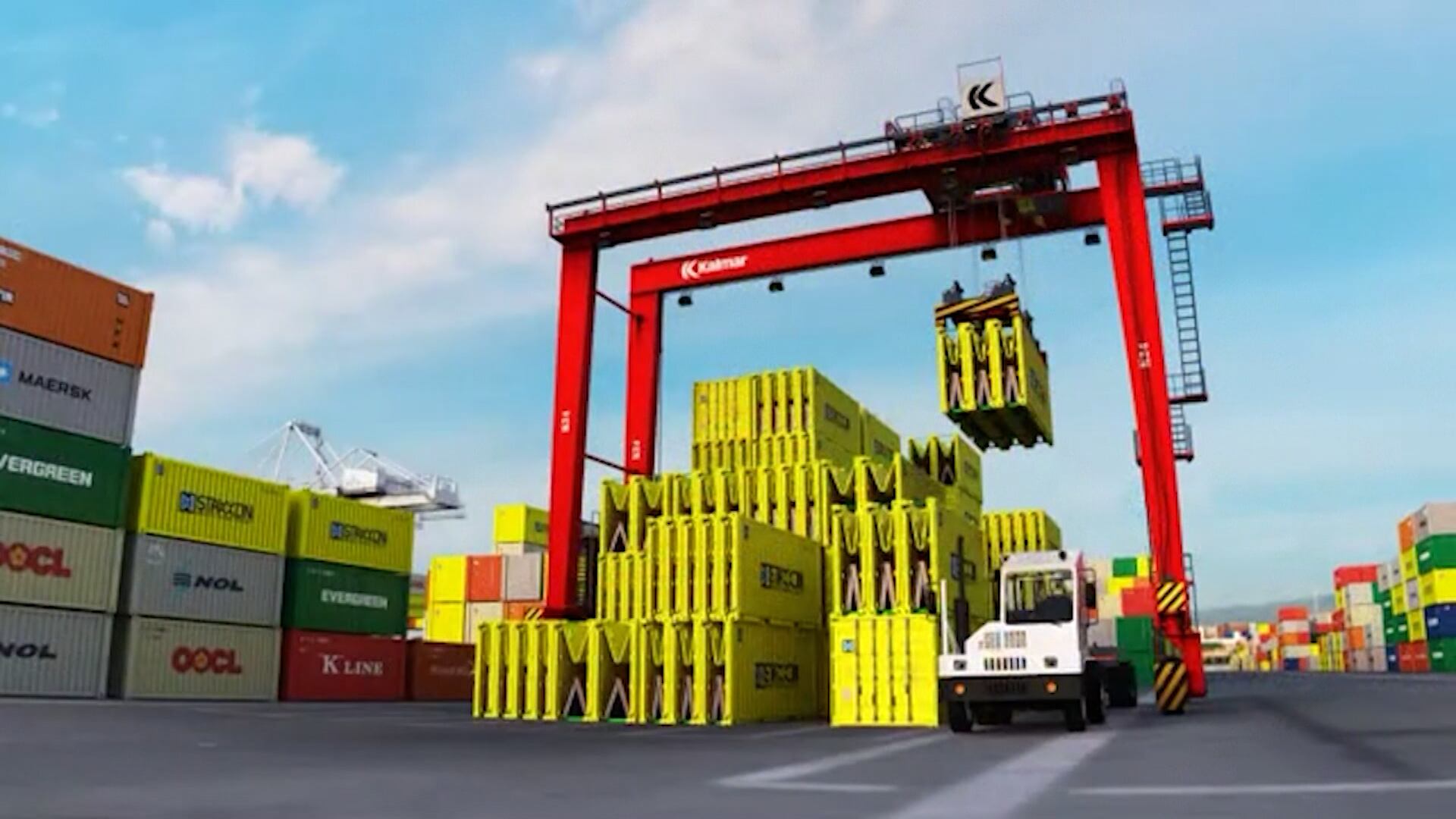
You've probably seen a traditional shipping container, but did you know that thousands of them sit empty at ports around the world and make supply chain issues worse? Staxxon says it has a solution: a foldable shipping crate that can be stacked with several others in order to save space, time, money, and even carbon emissions. George Kochanowski, CEO and CTO of Staxxon, joins Closing Bell to discuss its foldable containers, how the containers work with current shipping technology, and how they might save retailers money and space.
Stacey Rudser, president of the Association for Women in Aviation Maintenance, joins Cheddar News to talk about the lack of diversity in the aviation maintenance sector and what needs to change.
Intel CEO Patrick Gelsinger recently warned Congress that the U.S. 'must act now' to boost chip manufacturing domestically before it's too late. The chipmaking giant is working to ramp up its own domestic chip production with plans for a mega-site in Ohio as the global chip shortage only intensifies, hitting everything from smartphones to cars. Daniel Newman, a founding partner and principal analyst at Futurum Research, joined Cheddar's Opening Bell to discuss Intel's plans, Gelsinger's push for Congress to pass the CHIPS Act, and the potential political ramifications of boosting semiconductor manufacturing in parts of the United States.