Microsoft "permanently disabled" Internet Explorer on Valentine's Day, shutting down a web browser that for a long time has stood in the shadow of newer, better web browsers.
Microsoft Edge has co-existed with Internet Explorer for years, but now it will be the default browser on all Windows devices.
“Not only is Microsoft Edge a faster, more secure and more modern browsing experience than Internet Explorer, but it is also able to address a key concern: compatibility for older, legacy websites and applications,” Sean Lyndersay, general manager of Microsoft Edge Enterprise, wrote in a 2021 blog post announcing Internet Explorer's eventual demise.
The browser launched in 1995 and for a long time was the most popular entry point to the web. Then federal regulators in 1997 sued Microsoft for requiring computer makers to use Internet Explorer as part of Windows.
The legal pressure eventually forced Microsoft to open up Windows to other browsers, which soon gained market share.
Google's Chrome now makes up 65 percent of the browser market, and Apple's Safari makes up 19 percent, according to analytics company Statcounter. As for Microsoft Edge, it currently stands at around 4 percent.
Internet Explorer's final version came out in 2013.
While more nostalgic web denizens lamented the brower's passing, others commented that it had become "bug-ridden and insecure," and noted that it was primarily used for downloading other browsers.
Catching you up on what you need to know on April 15, 2022, with four of the victims from the Brooklyn subway shooting still hospitalized as the suspect is held without bail, Russia resumes attacks on Kyiv, teachers across the country receive their largest pay raises in decades, and more.
The major U.S. indexes closed Tuesday off of session lows as investors digest the latest read on inflation, showing it remains hot. Wall Street is also preparing for earnings from big banks and monitoring potential policy moves from the Federal Reserve. Peter Tuchman, a stock trader at TradeMas, joins Cheddar News' Closing Bell and highlighted tech stocks in particular. 'The tech sector, which led us to record highs before the 1st of this year, are now the ones that are leading us lower,' he said.
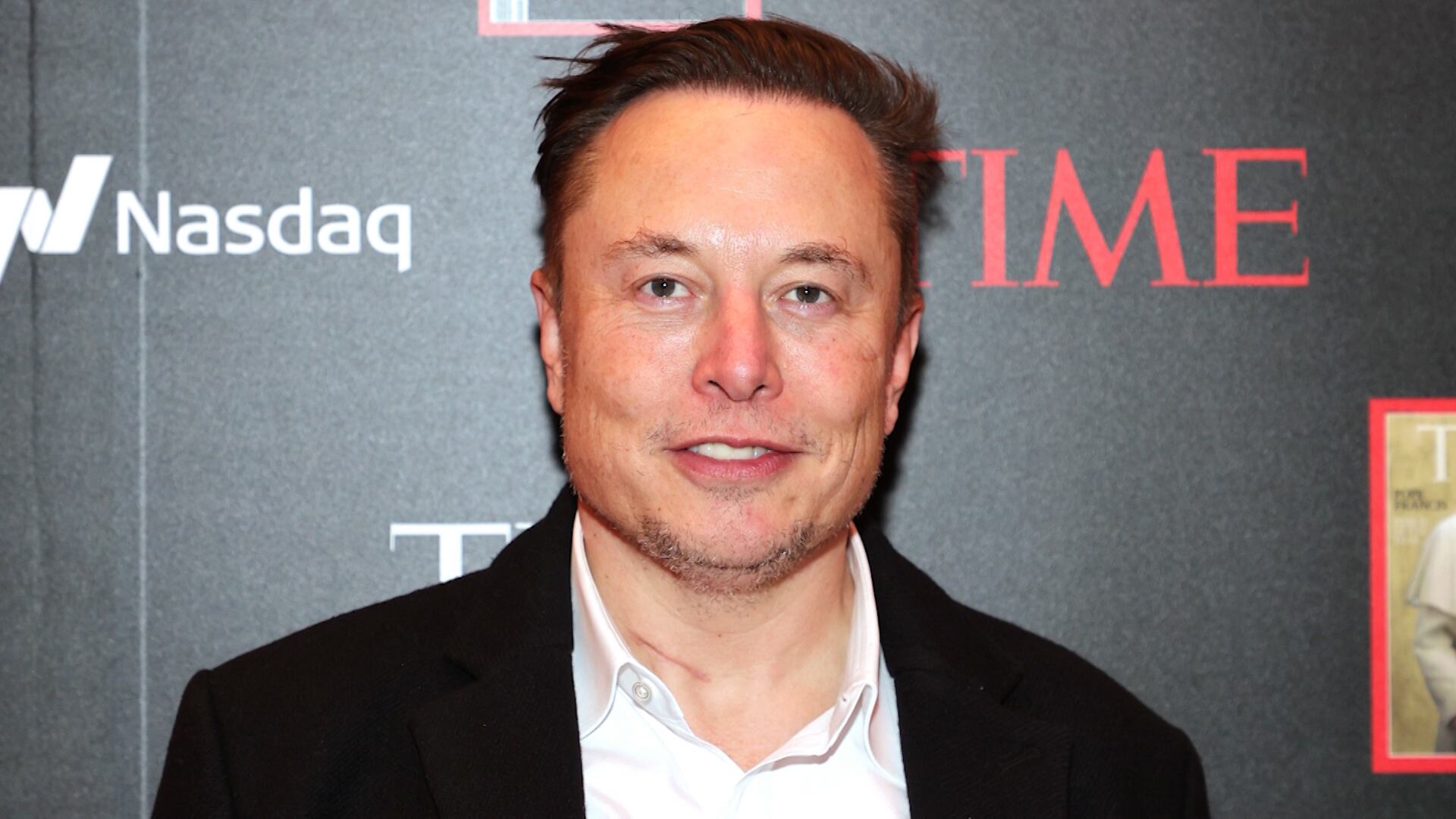
Billionaire Elon Musk made waves after revealing he's making an attempt at a hostile takeover of the social media platform Twitter. The Tesla CEO is offering $43 billion to buy the social media platform outright with "freedom of speech" allegedly at the forefront of his agenda. Dan Ives, managing director of equity research at Wedbush Securities, is taking the tech entrepreneur seriously. "I think through many twists and turns over the coming months, he ultimately ends up owning Twitter because Twitter's board, their back is going to be against the wall," he said.
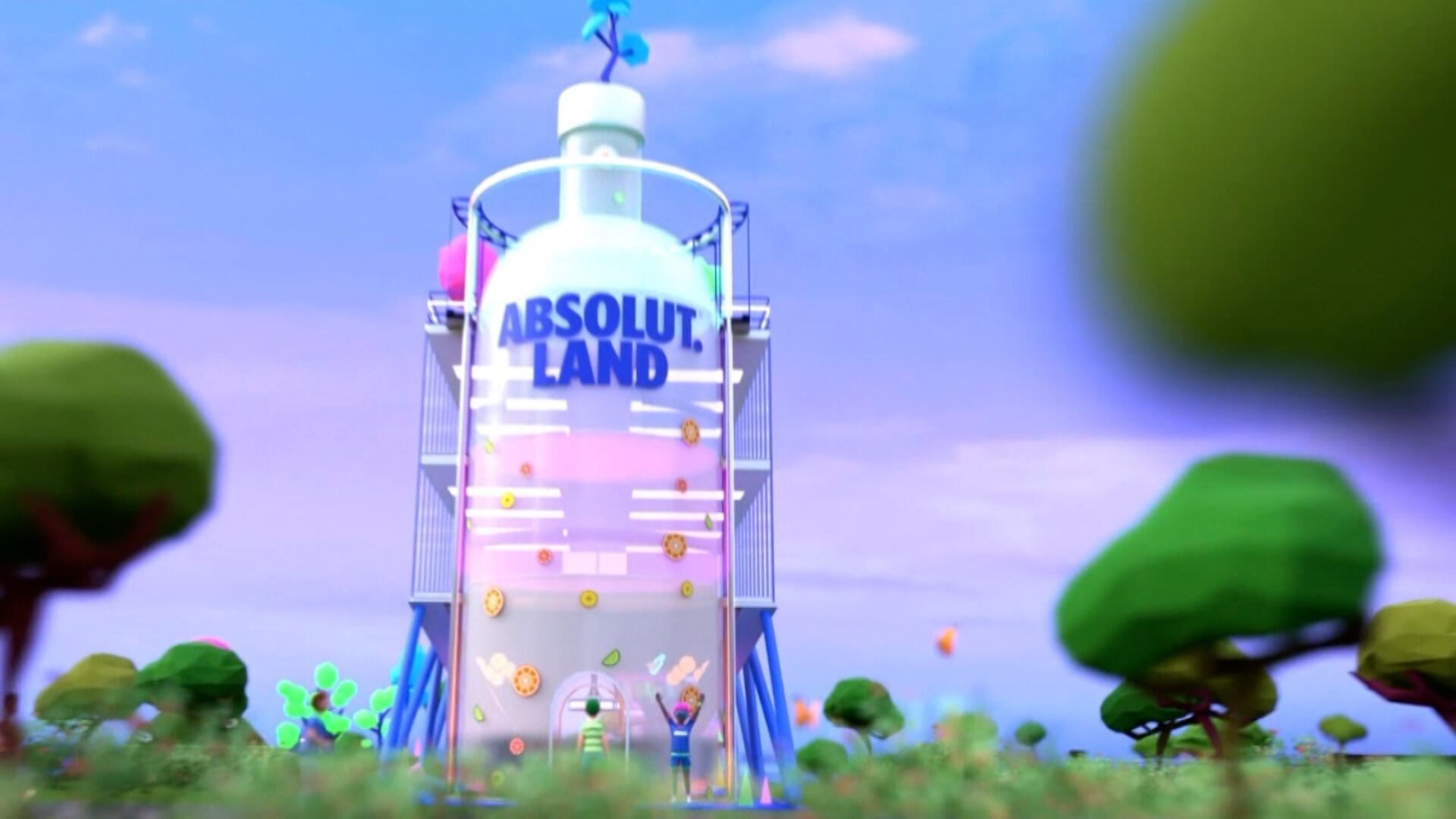
Ann Mukherjee, the chairman and CEO of Pernod Ricard North America, joined Cheddar News to talk about Absolut Vodka’s decade-long partnership with the music festival Coachella. Perno Ricard's vodka brand has built the virtual world Absolutland in the Decentraland metaverse for users to explore. "We actually have a vending machine where you can actually purchase the cocktails that will be delivered right to your home," she said. The brand will also be featuring festival headliner Swedish House Mafia.
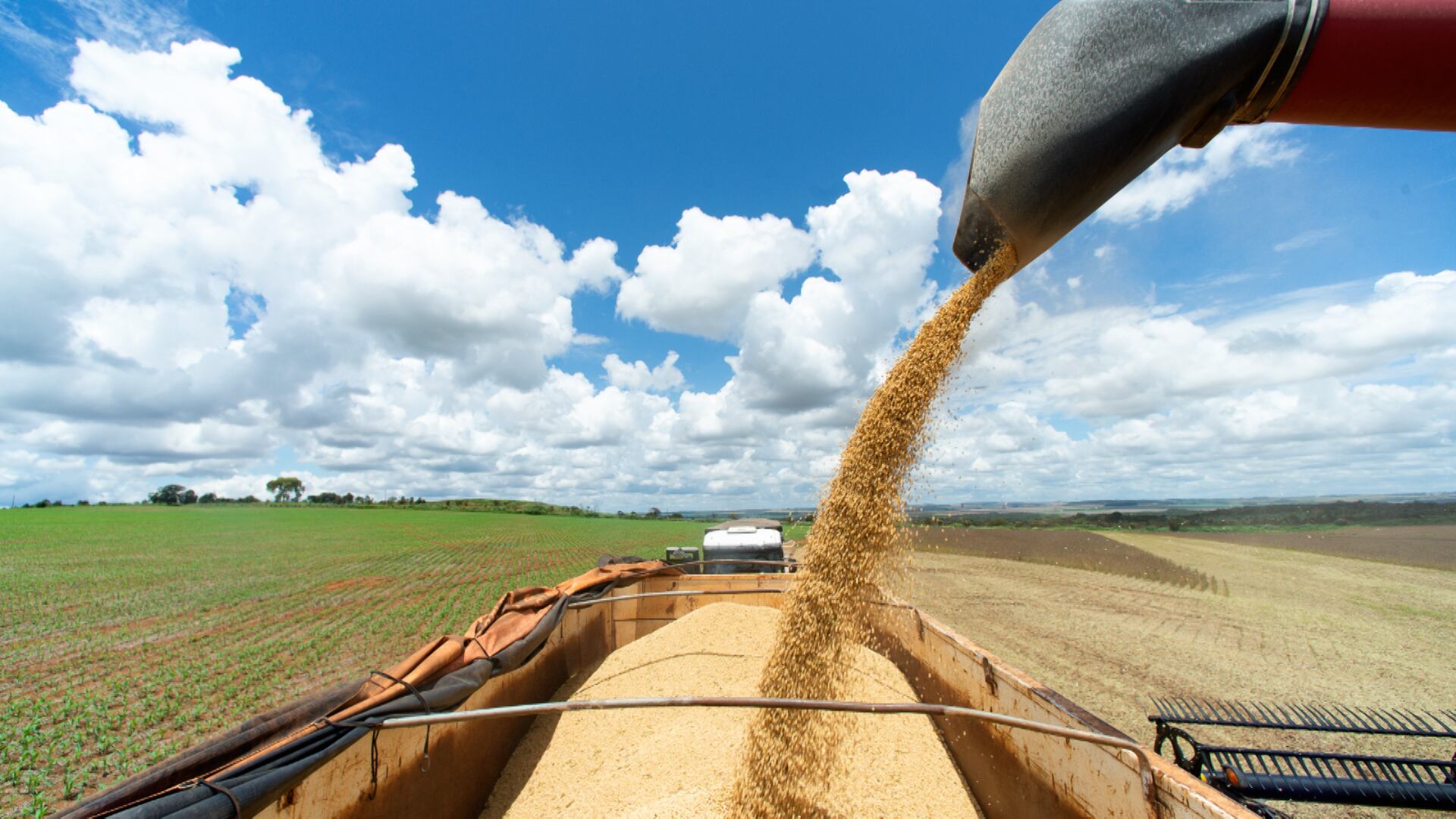
A fertilizer shortage made worse from the Russia-Ukraine war is reigniting the conversation over sustainable agriculture. With the costs of fertilizer rising, weaning off of synthetic fertilizer may be a good option for farmers trying to keep costs low, while keeping crop margins high. But, Damian Mason, farm owner, agricultural economist and author of "Food Fear," says it's not that simple. Mason joined Cheddar's Opening Bell to explain the challenges of greener practices.