Microsoft "permanently disabled" Internet Explorer on Valentine's Day, shutting down a web browser that for a long time has stood in the shadow of newer, better web browsers.
Microsoft Edge has co-existed with Internet Explorer for years, but now it will be the default browser on all Windows devices.
“Not only is Microsoft Edge a faster, more secure and more modern browsing experience than Internet Explorer, but it is also able to address a key concern: compatibility for older, legacy websites and applications,” Sean Lyndersay, general manager of Microsoft Edge Enterprise, wrote in a 2021 blog post announcing Internet Explorer's eventual demise.
The browser launched in 1995 and for a long time was the most popular entry point to the web. Then federal regulators in 1997 sued Microsoft for requiring computer makers to use Internet Explorer as part of Windows.
The legal pressure eventually forced Microsoft to open up Windows to other browsers, which soon gained market share.
Google's Chrome now makes up 65 percent of the browser market, and Apple's Safari makes up 19 percent, according to analytics company Statcounter. As for Microsoft Edge, it currently stands at around 4 percent.
Internet Explorer's final version came out in 2013.
While more nostalgic web denizens lamented the brower's passing, others commented that it had become "bug-ridden and insecure," and noted that it was primarily used for downloading other browsers.
Britt Reichborn-Kjennerud, Section Manager for E-Mobility & Demonstrations for Electric Vehicles, Con Edison and
Joe Morreale, Section Manager of EV Demo Projects and Managed Charging & E-Mobility & Demonstrations, Con Edison, join Cheddar News' Ken Buffa from the New York Auto Show to discuss Con Edison's Clean Energy Commitment and the goal to power New York with 100% clean energy through initiatives like the 'SmartCharge' and 'PowerReady' Programs.
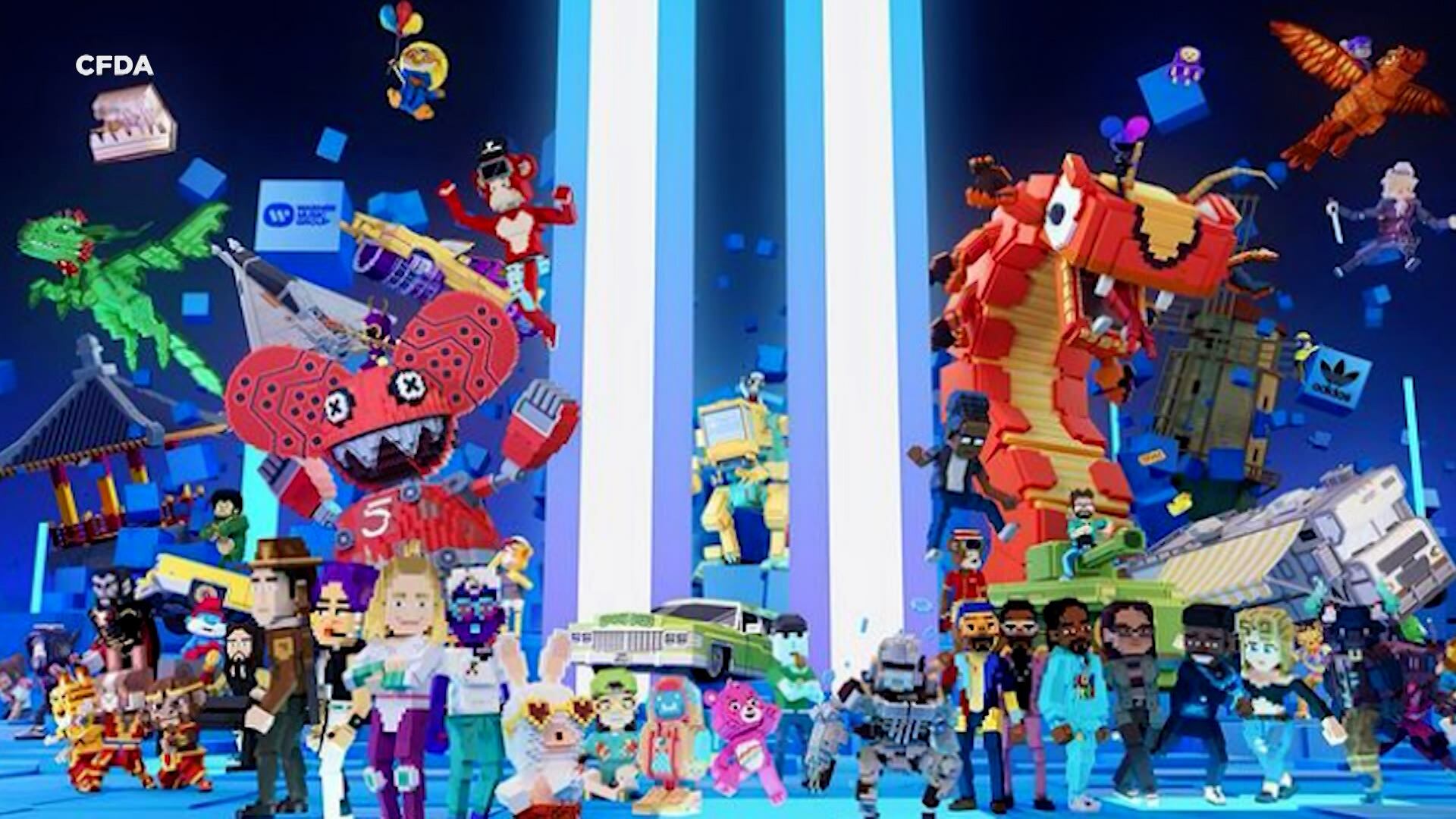
Arthur Madrid, CEO of The Sandbox, and Steven Kolb, CEO of CFDA, join Cheddar News to discuss their partnership focused around fashion in the metaverse.
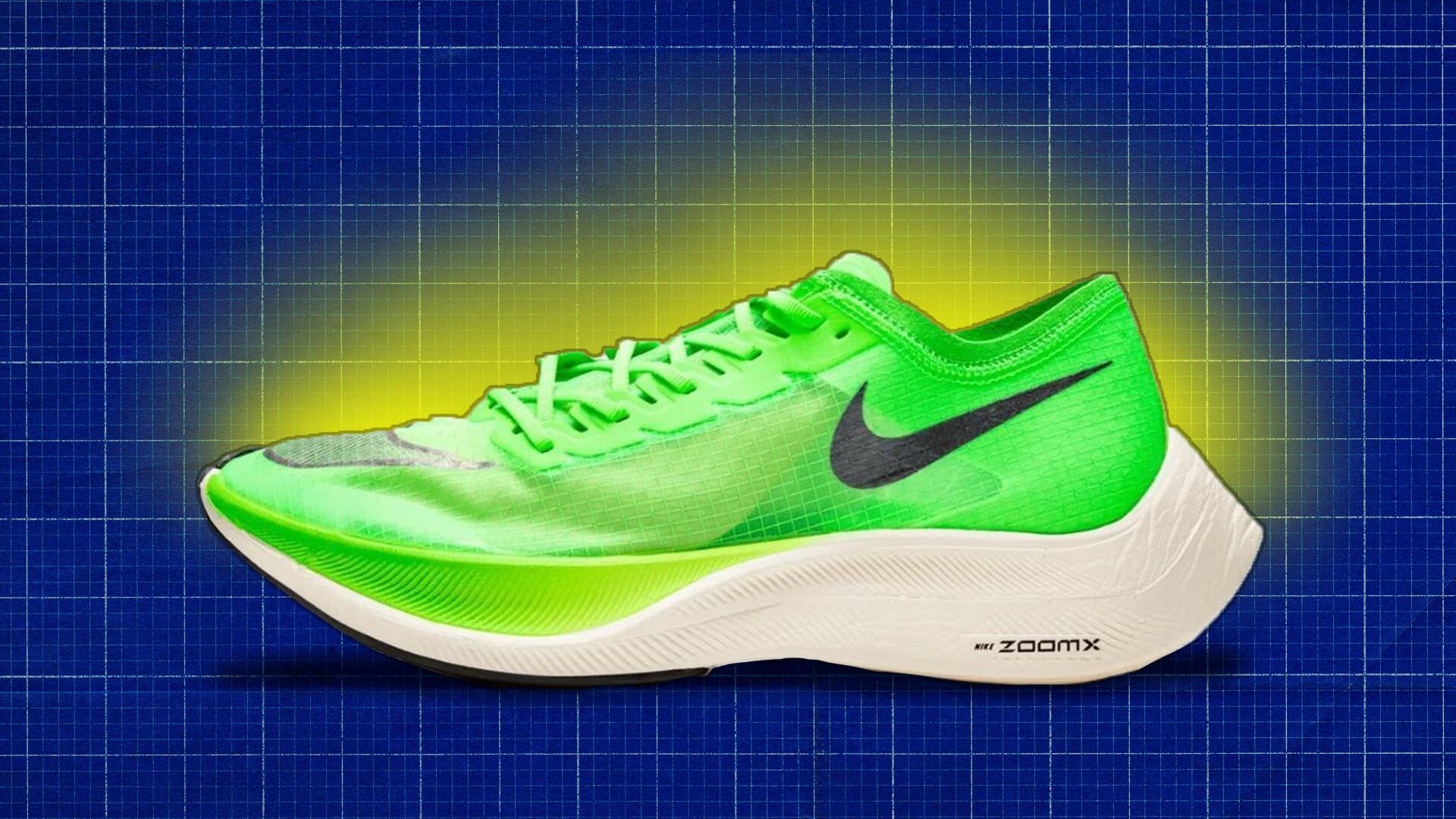
Nike introduced the Vaporfly in the 2016 Olympics to Nike-sponsored athletes, three of whom took the top spots in marathon events. Since then, the shoe has been the weapon of choice of elite athletes like those competing in the 2022 Boston Marathon. Why? Because Nike designed the shoe to literally make you faster. To not wear the Vaporfly has become a disadvantage. So how exactly does this shoe increase speeds and should it even be allowed in competition?
William Antonelli, tech reporter at Insider, joins Cheddar News to discuss Apple store employees' union efforts at the Grand Central location in New York City.
Will Marshall, CEO, Planet, joins Cheddar Reveals to discuss Planet's influence and innovation from agriculture to sustainability using geospatial insights from their constellation of over 200 satellites.
Thomas Zurbuchen, Associate Administrator, NASA Science, joins Cheddar Reveals to break down the future of space exploration and how NASA is innovating this year and into the next decade.
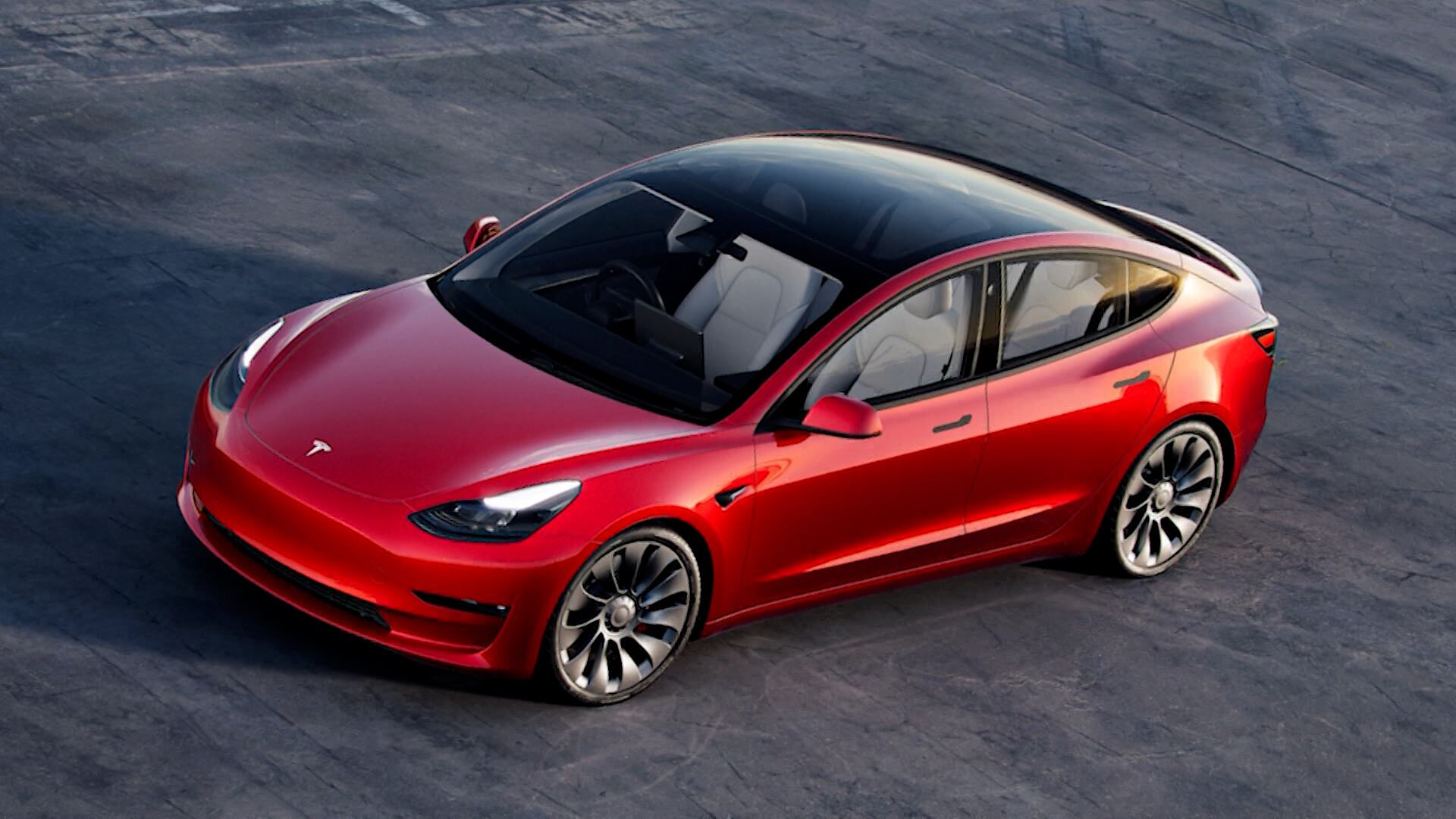
Garrett Nelson, a senior analyst and VP of equity research at CFRA Research, joined Cheddar News to give a preview of Tesla earnings amid its seventh straight record quarter in vehicle deliveries while it faces some headwinds with the ongoing Shanghai, China, lockdown due to pandemic. "We view Tesla as one of the market's best secular growth stories," he said. "It's one of our top picks, and their execution has been really stellar over the last several quarters. They've beat nine of the past 10 quarters, so that's a 90 percent beat rate."