Microsoft "permanently disabled" Internet Explorer on Valentine's Day, shutting down a web browser that for a long time has stood in the shadow of newer, better web browsers.
Microsoft Edge has co-existed with Internet Explorer for years, but now it will be the default browser on all Windows devices.
“Not only is Microsoft Edge a faster, more secure and more modern browsing experience than Internet Explorer, but it is also able to address a key concern: compatibility for older, legacy websites and applications,” Sean Lyndersay, general manager of Microsoft Edge Enterprise, wrote in a 2021 blog post announcing Internet Explorer's eventual demise.
The browser launched in 1995 and for a long time was the most popular entry point to the web. Then federal regulators in 1997 sued Microsoft for requiring computer makers to use Internet Explorer as part of Windows.
The legal pressure eventually forced Microsoft to open up Windows to other browsers, which soon gained market share.
Google's Chrome now makes up 65 percent of the browser market, and Apple's Safari makes up 19 percent, according to analytics company Statcounter. As for Microsoft Edge, it currently stands at around 4 percent.
Internet Explorer's final version came out in 2013.
While more nostalgic web denizens lamented the brower's passing, others commented that it had become "bug-ridden and insecure," and noted that it was primarily used for downloading other browsers.
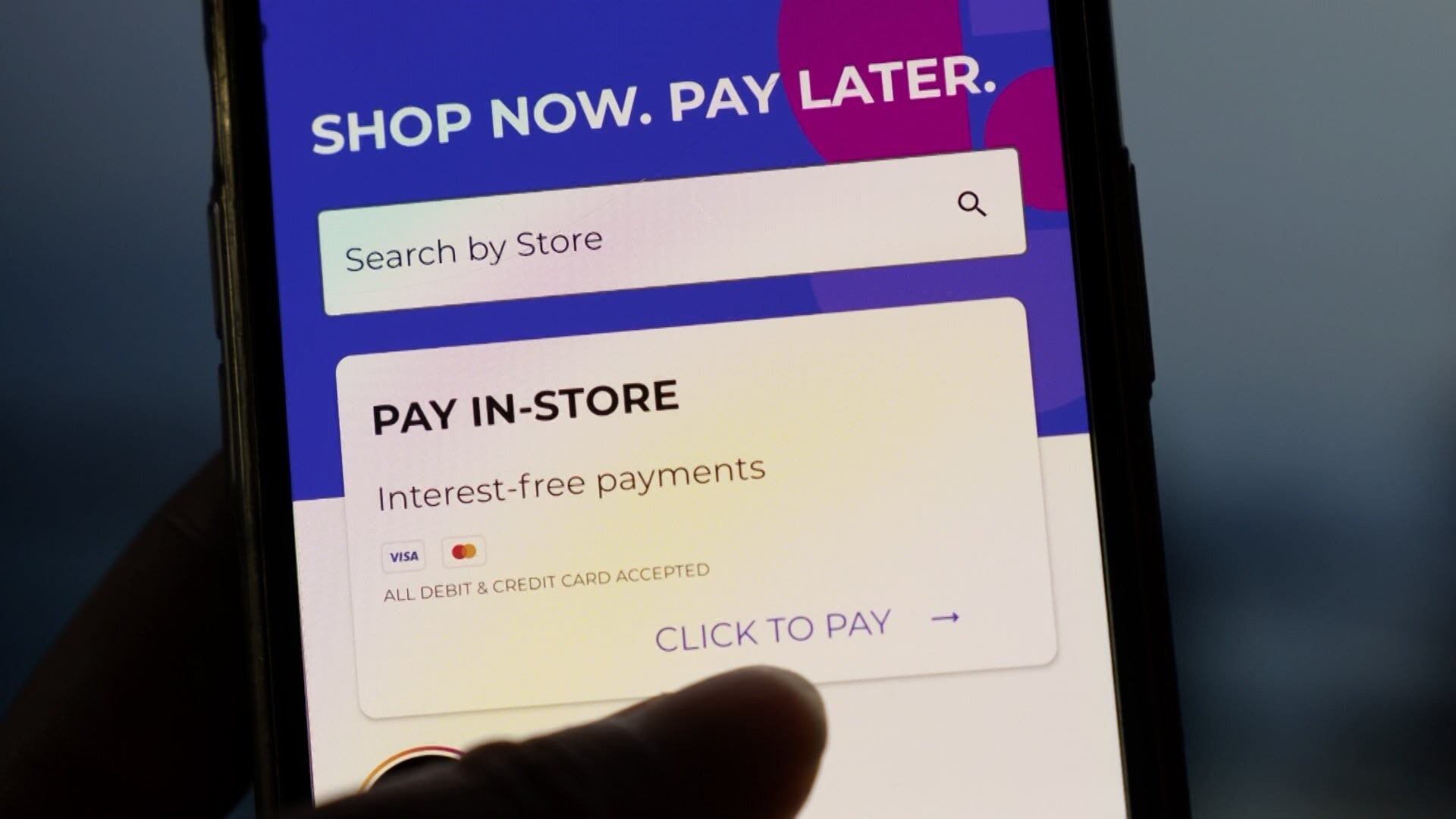
Buy now, pay later — or point-of-sales loans — might be making it difficult to get a handle on your credit. These companies typically do not report payment history during transactions, so without this data going to credit scoring companies, it makes it difficult to know how many loans a customer still needs to pay. Experts are recommend paying off these debts as soon as possible.
As manufacturing and shipping continue to face staffing challenges, robotic replacements are increasingly on their way to plug the gaps. Cheddar's Alex Vuocolo takes a deeper look at the latest trend.
Tiffany Johnson, CEO of Built for Launch, joins ChedHER to discuss the Black Founders Ecom Pledge that provides tools and resources for Black founders to build, launch, and scale a successful e-commerce business.
Tech-enabled residential hospitality company Mint House recently raised $35 million in a Series B round led by Mohari Hospitality. Mint House was described by one of its backers as 'the best of a hotel without the worst of a hotel, and the best of an Airbnb without the worst of an Airbnb.' Mint House offers apartment-style lodging across the country. The company claims its spaces combine the comfort of a home with the luxury of a hotel in order to give guests all of the perks and none of the tradeoffs. Will Lucas, Founder and CEO of Mint House, joins Cheddar News' Closing Bell to discuss.
Social media platforms walk a fine line when it comes to free speech, especially when posts lead to real-life negative consequences. Texas lawmakers are trying to enforce a law that would prohibit platforms from taking any action when it comes to malicious or violent posts, and they insist it does not violate the First Amendment. But the Supreme Court thinks otherwise, at least for now. Matt Schruers, President of the Computer & Communications Industry Association, joins Closing Bell to discuss what threat the Texas law poses to social platforms, why his organization sued over the law, what it could mean for users, and more.