Microsoft "permanently disabled" Internet Explorer on Valentine's Day, shutting down a web browser that for a long time has stood in the shadow of newer, better web browsers.
Microsoft Edge has co-existed with Internet Explorer for years, but now it will be the default browser on all Windows devices.
“Not only is Microsoft Edge a faster, more secure and more modern browsing experience than Internet Explorer, but it is also able to address a key concern: compatibility for older, legacy websites and applications,” Sean Lyndersay, general manager of Microsoft Edge Enterprise, wrote in a 2021 blog post announcing Internet Explorer's eventual demise.
The browser launched in 1995 and for a long time was the most popular entry point to the web. Then federal regulators in 1997 sued Microsoft for requiring computer makers to use Internet Explorer as part of Windows.
The legal pressure eventually forced Microsoft to open up Windows to other browsers, which soon gained market share.
Google's Chrome now makes up 65 percent of the browser market, and Apple's Safari makes up 19 percent, according to analytics company Statcounter. As for Microsoft Edge, it currently stands at around 4 percent.
Internet Explorer's final version came out in 2013.
While more nostalgic web denizens lamented the brower's passing, others commented that it had become "bug-ridden and insecure," and noted that it was primarily used for downloading other browsers.
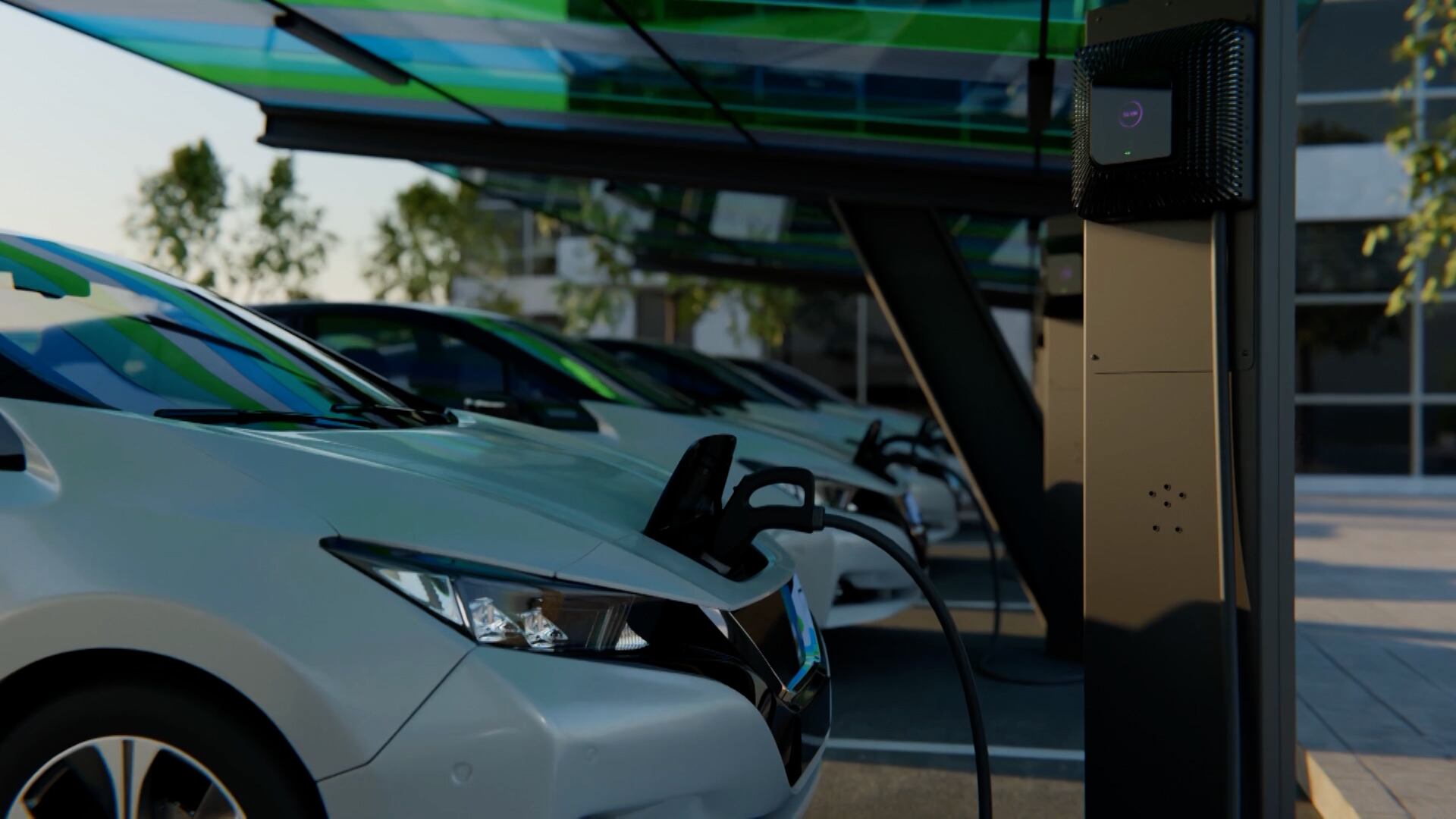
Electric vehicle charging company Wallbox goes public via a SPAC on the NYSE under the ticker symbol WBX.
Wallbox has merged with special purpose acquisition corporation Kensington Capital Acquisition. Enric Asunción, CEO of Wallbox, joins Cheddar News' Closing Bell to discuss.
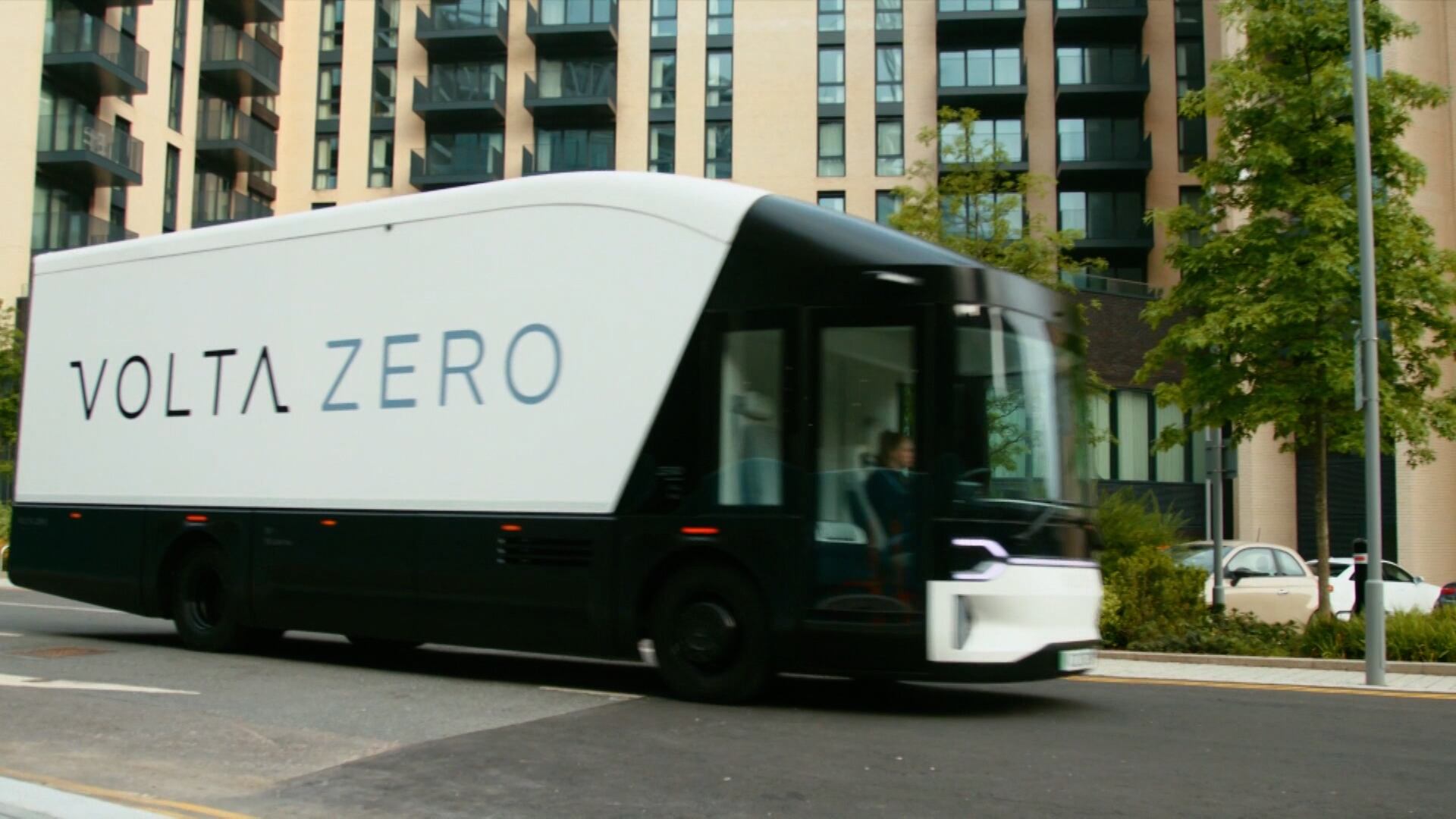
The parcel delivery industry is getting more competitive as more companies enter the space with climate change in mind. Carl-Magnus Norden, founder and executive chairman at Volta Trucks, joined Cheddar to talk about electrifying delivery vehicles as well as the startup’s $44 million funding round. Despite ongoing driver shortages, he noted that he didn't see autonomous delivery being available in city settings within the next five years.
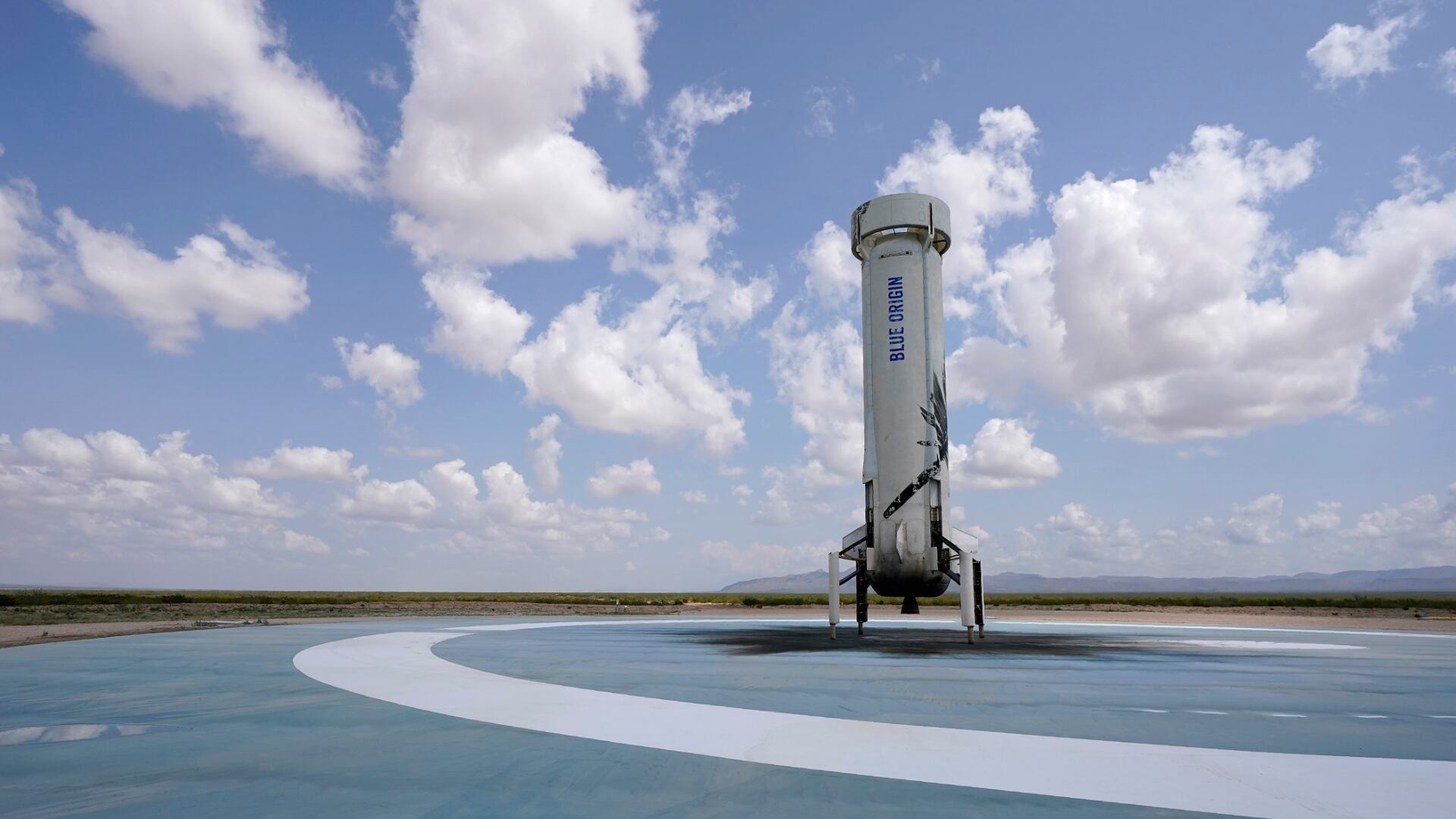
Jeff Bezos' space travel company Blue Origin is under fire after a group of 20 current and former employees signed a letter to the FAA claiming safety violations that were detailed along with accusations of sexual harassment.
Cloud contact center software company Five9's shareholders voted against the $14.7 billion all-stock acquisition deal from Zoom. A return to offices and in-person meetings have been cited for at least some of the reasons the deal ultimately fell through.
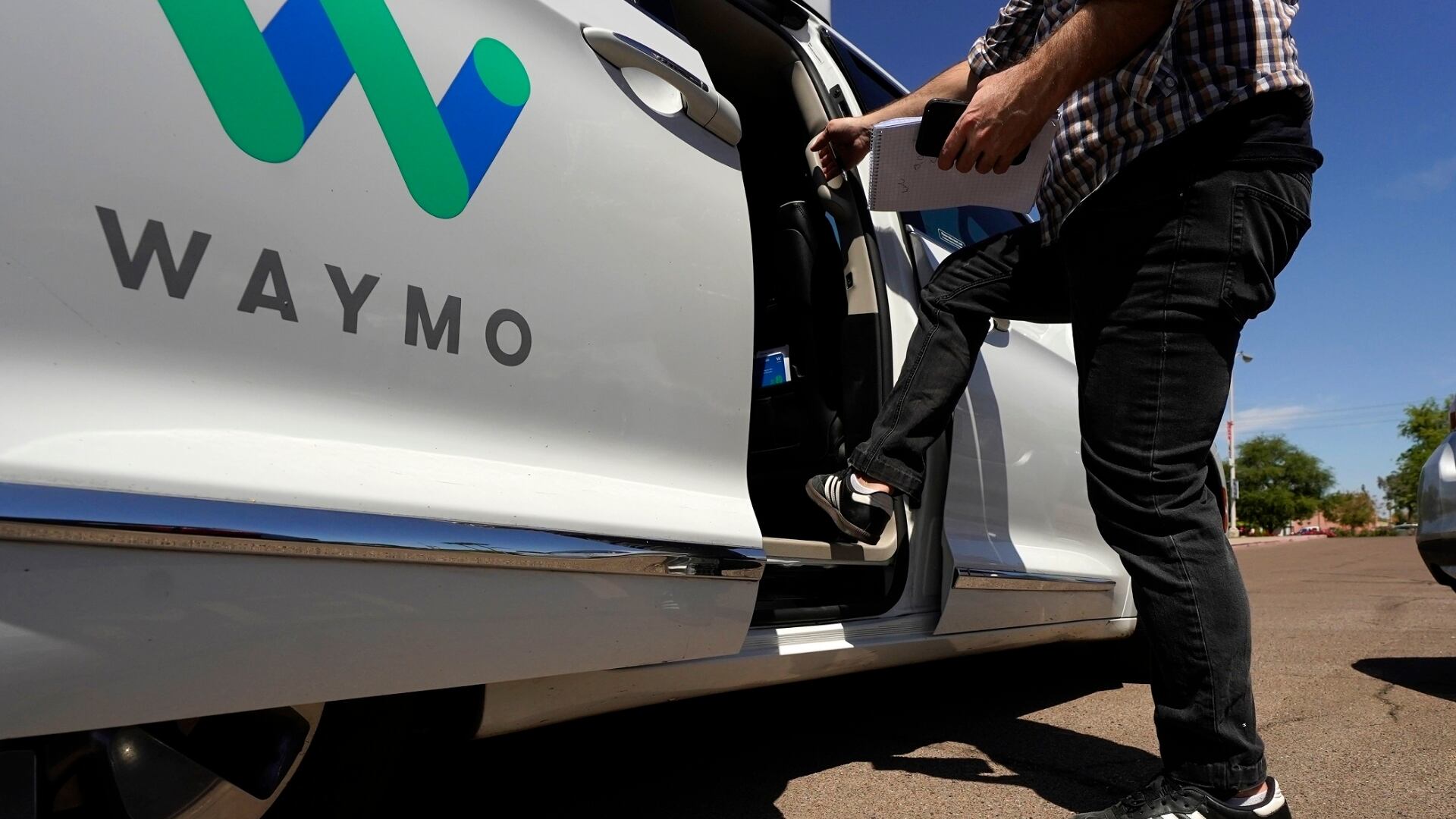
Autonomous car companies Waymo and Cruise are one step closer to offering driverless ridesharing in California after receiving approval from the state's DMV to begin charging fees for their services. Both companies still need approval from the California Public Utilities Commission before offering rides to the public.