Microsoft "permanently disabled" Internet Explorer on Valentine's Day, shutting down a web browser that for a long time has stood in the shadow of newer, better web browsers.
Microsoft Edge has co-existed with Internet Explorer for years, but now it will be the default browser on all Windows devices.
“Not only is Microsoft Edge a faster, more secure and more modern browsing experience than Internet Explorer, but it is also able to address a key concern: compatibility for older, legacy websites and applications,” Sean Lyndersay, general manager of Microsoft Edge Enterprise, wrote in a 2021 blog post announcing Internet Explorer's eventual demise.
The browser launched in 1995 and for a long time was the most popular entry point to the web. Then federal regulators in 1997 sued Microsoft for requiring computer makers to use Internet Explorer as part of Windows.
The legal pressure eventually forced Microsoft to open up Windows to other browsers, which soon gained market share.
Google's Chrome now makes up 65 percent of the browser market, and Apple's Safari makes up 19 percent, according to analytics company Statcounter. As for Microsoft Edge, it currently stands at around 4 percent.
Internet Explorer's final version came out in 2013.
While more nostalgic web denizens lamented the brower's passing, others commented that it had become "bug-ridden and insecure," and noted that it was primarily used for downloading other browsers.
IBM's spinoff, Kyndryl, is officially an independent public company. The $19 billion business is now listed on the NYSE under the ticker KD, becoming one of the largest players in the IT services market. David Wyshner, CFO of Kyndryl, joined Cheddar to discuss what this milestone means for the company moving forward.
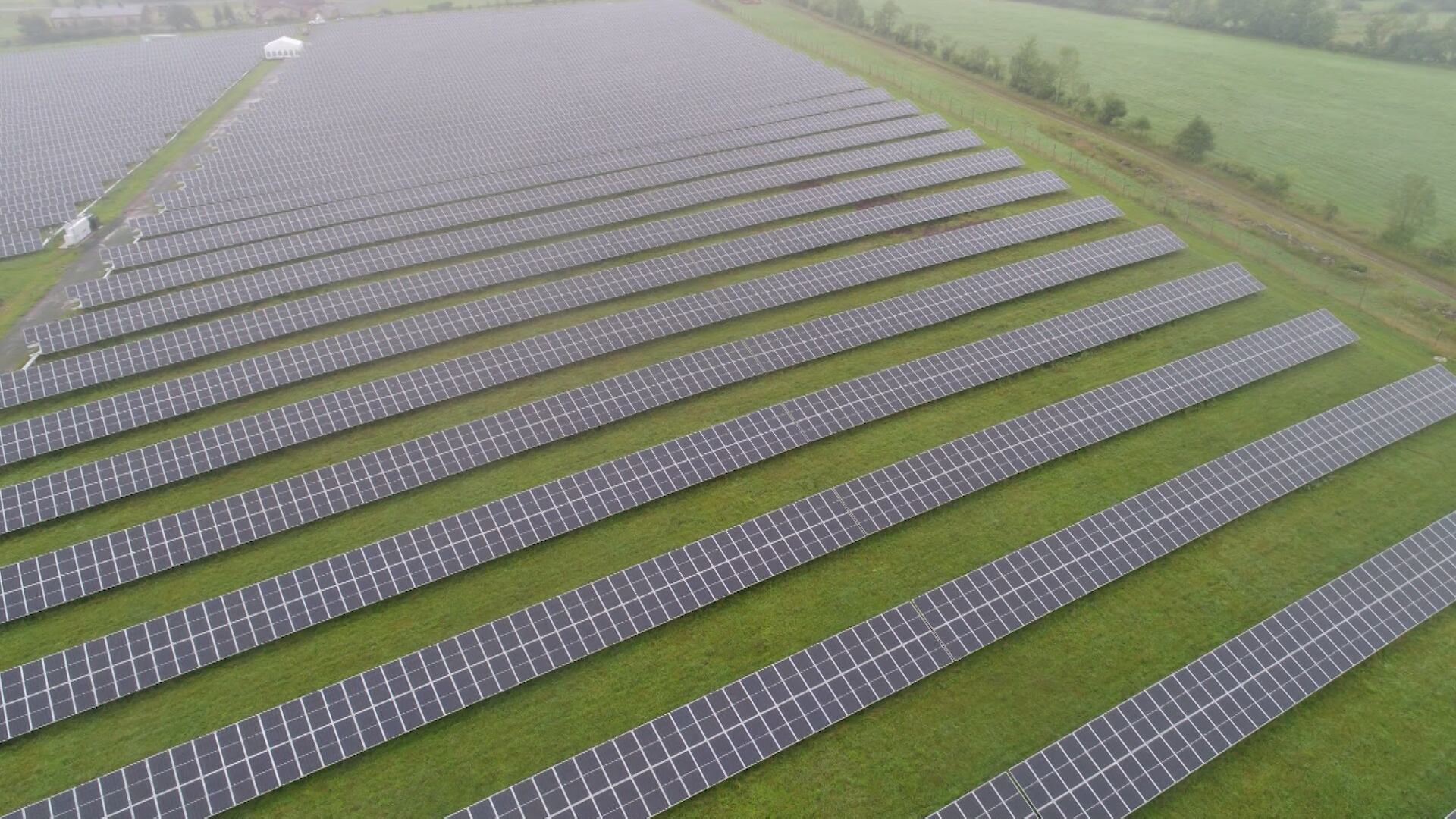
Emma Searson, an author on the just-released Renewables on the Rise report and the director, 100% Renewable Campaign at Environment America, joined Cheddar to discuss the rapidly growing renewable energy sector. Between 2011 and 2020, the report shows that wind, solar, and geothermal energy production grew about 15 percent annually and that wind and solar alone account for 11 percent of electricity in the country. "There are a few really important drivers of the renewable energy progress that we're seeing all across the country," Searson said, highlighting falling prices, technology improvements, and supportive policies.
Wendy O, host of 'The O Show' joins Cheddar News to discuss the recent rally from cryptocurrency, Ether. She also discussed incoming New York City mayor Eric Adams wanting to teach kids crypto in schools.
Cryptocurrencies are getting off to a good week. Ethereum surged more than 4% in 24 hours on Monday, hitting a new all-time high above $4,700. Meanwhile, Bitcoin surged 7% to a price of $66,250. Haohan Xu, founder and CEO of Apifiny, joins Cheddar News with thoughts on the growing sector.
Payment processor Paypal will roll out a Venmo option for Amazon customers beginning in 2022 as the payment app continues to grow the number of merchants it works with.
Facebook officially announced that it is shutting down its facial recognition software which identifies users in photos and videos. The decision comes during growing societal concerns over the use of the technology. Cathy Hackl, Tech futurist and CEO of the Futures Intelligence Group joined Cheddar's Opening Bell.
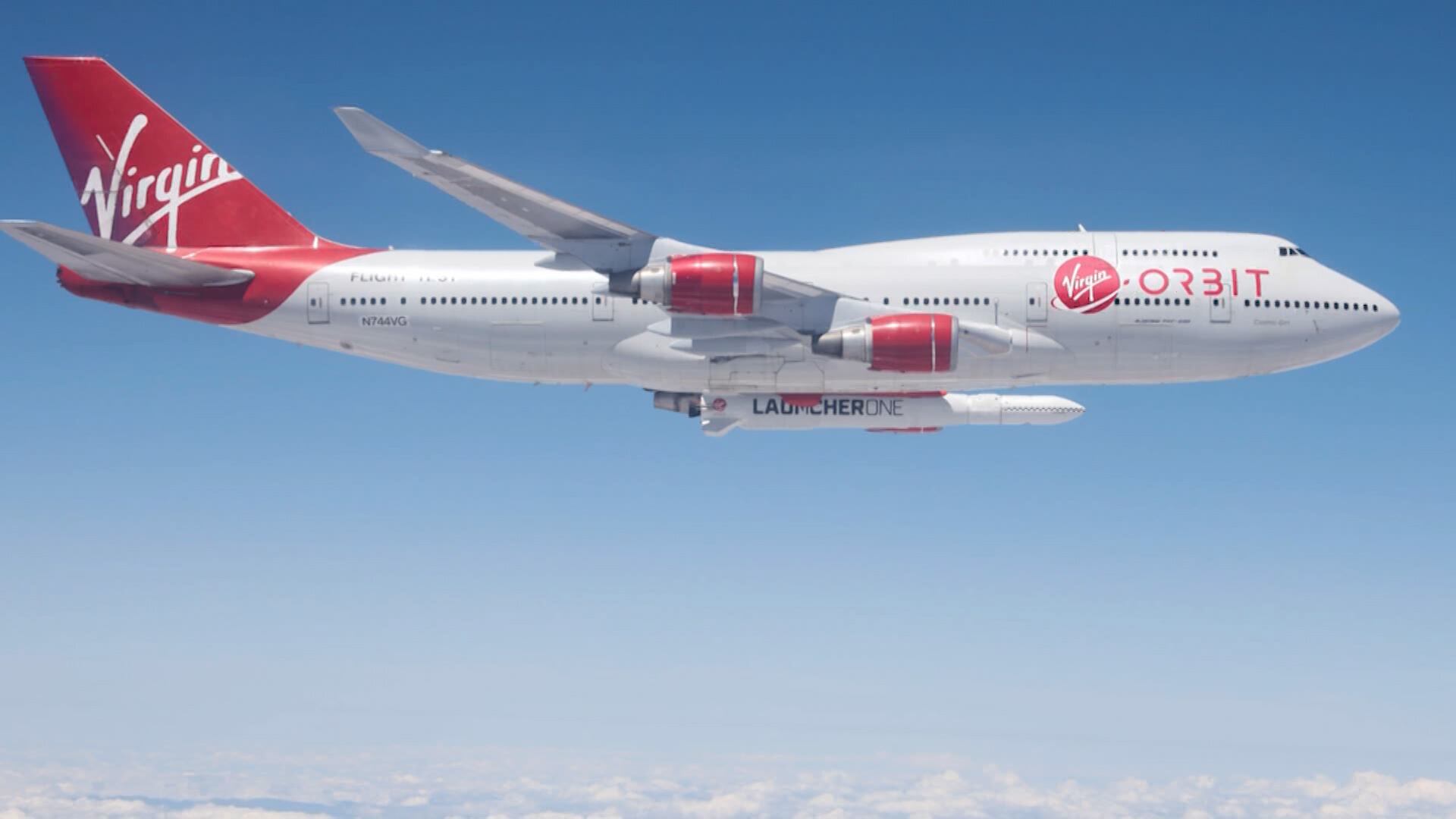
Virgin Orbit is introducing air-launch services to the Eastern Hemisphere for the first time in history. Sir Richard Branson's space launch company has signed an agreement with ANA Holdings, the owners of Japan's largest airline, to procure 20 flights of its LauncherOne rocket from an airport in Japan, a big boost for the aerospace industry in Asia. Dan Hart, CEO of Virgin Orbit, joined Cheddar to discuss the new partnership, the future of air launch, and how small satellites can help monitor climate change impacts.