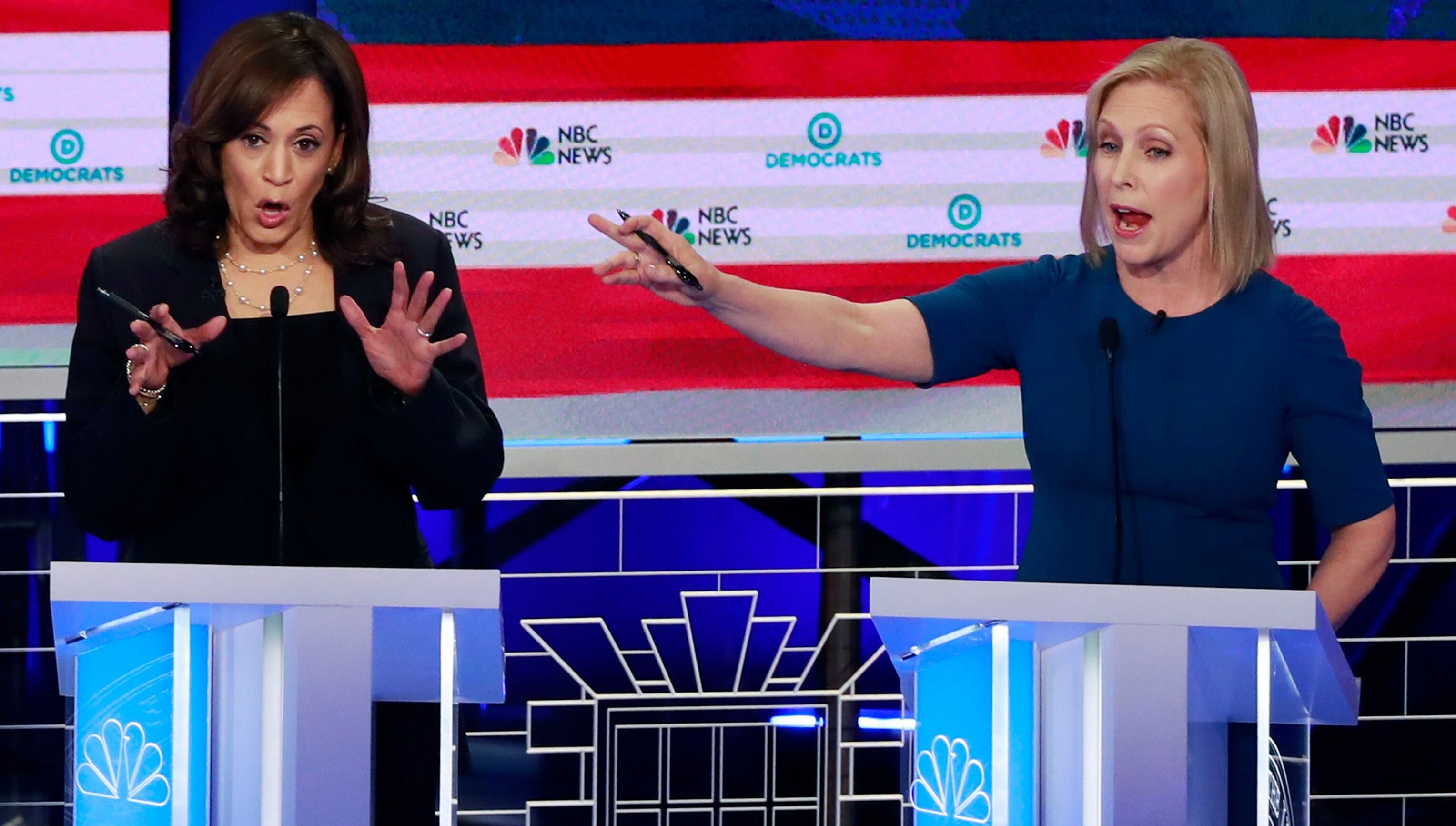
This presidential election cycle has a record number of women running for commander-in-chief. Still, these female candidates must navigate the question of "electability," a double-standard ー one former Hillary Clinton staffer says ー that they will have to beat back throughout the campaign.
"The ultimate answer is that to be electable, you have to win," said Amanda Litman, the executive director of Run for Something, a political action committee that aims to elect young Democrats. Litman previously served as the email director for Hillary Clinton's 2016 presidential campaign.
"It's important to step back and realize what we're talking about when we talk about electability. It's the understanding of what voters think that other voters wants. It is an entirely faulty premise based on racist, sexist, and classist understandings of what a president looks like."
"It is total garbage," she argues.
Litman says that in order to challenge the conception that women can't win higher elected offices, it will require support for different types of female leaders, finding ways to make voters and donors comfortable in expressing support for their favored-candidates, and building a stronger pipeline of qualified female politicians through state and local races.
"We saw Kamala Harris in the debate really take on her opponents in a way that was sort of masculine-coded leadership. We've seen Elizabeth Warren whip out plan after plan after plan. We've see Kirsten Gillibrand be aggressive with interviewers who she doesn't think are giving her a fair shake," said Litman. "Each of them is showing a different way of being a female leader."
"Over the last two years, the number of women of color in state legislatures has more than tripled. The number of women in state legislators writ large has gone up by huge numbers," added Litman. "This means, down the line, there will be more qualified women to run for Congress, for governor, and for president."
A record number of women were elected to Congress in the 2018 midterm election, and a record number of women of color were elected to the House of Representatives. Meanwhile, women hold nearly 30 percent of state legislative seats ー totaling more than more than 2,100 ー according to the Center for American Women and Politics at Rutgers.
"Women need this experience in order to be considered serious leaders," Litman said. "A woman couldn't get away with a weak resume like a man could."
She pointed out that the serious female contenders for president ー Sen. Kamala Harris, Sen. Elizabeth Warren, Sen. Kirsten Gillibrand, Sen. Amy Klobuchar, and Sen. Tulsi Gabbard ー are all current lawmakers. The exception: author and public speaker Marianne Williamson, who has qualified to participate in the second round of the Democratic debates.
Litman says that women can beat male competitors by being willing to work harder and engaging on issues like child care, health care, school, and the opioid crisis. "Mediocre women don't tend to run for office. Only excellent women do," she said.
"The ultimate answer is that to be electable, you have to win," Litman added.
With the Russian invasion of Ukraine raging on, millions have turned to TikTok to stay up-to-date on the latest developments and get a first-hand look. The social media platform has been so prominent that the war has been dubbed "the first TikTok war" by many publications — and even the White House has taken notice. The Biden administration held a virtual briefing with 30 social media creators to discuss their role in communicating to their followers by countering what it deems as being misinformation. Ellie Zeiler, an 18-year-old TikTok star who attended the briefing, joined Cheddar to talk about the conference and her responsibilities as a social media creator. "How could you not be a little nervous or scared when you're getting your information and media all from this app? But also then you think back to, I guess, when media was changing between newspapers and TV, and I'm sure people were nervous about that too," she said. "So the fact is, is that people do really look to Tiktok and social media for their news."
U.S. markets closed the day at session lows as the Dow marked its fifth straight week of losses. Investors continue to weigh inflation and the ongoing Russia-Ukraine war and growing economic risk factors. George Seay, CEO of Annandale Capital, joins Cheddar News' Closing Bell to discuss.
U.S. stocks ended Thursday's session lower as new CPI data show inflation continues to rise and the Russia-Ukraine war continues. Philip Palumbo, founder, CEO, & Chief Investment Officer of Palumbo Wealth Management, joins Cheddar News' Closing Bell to discuss.
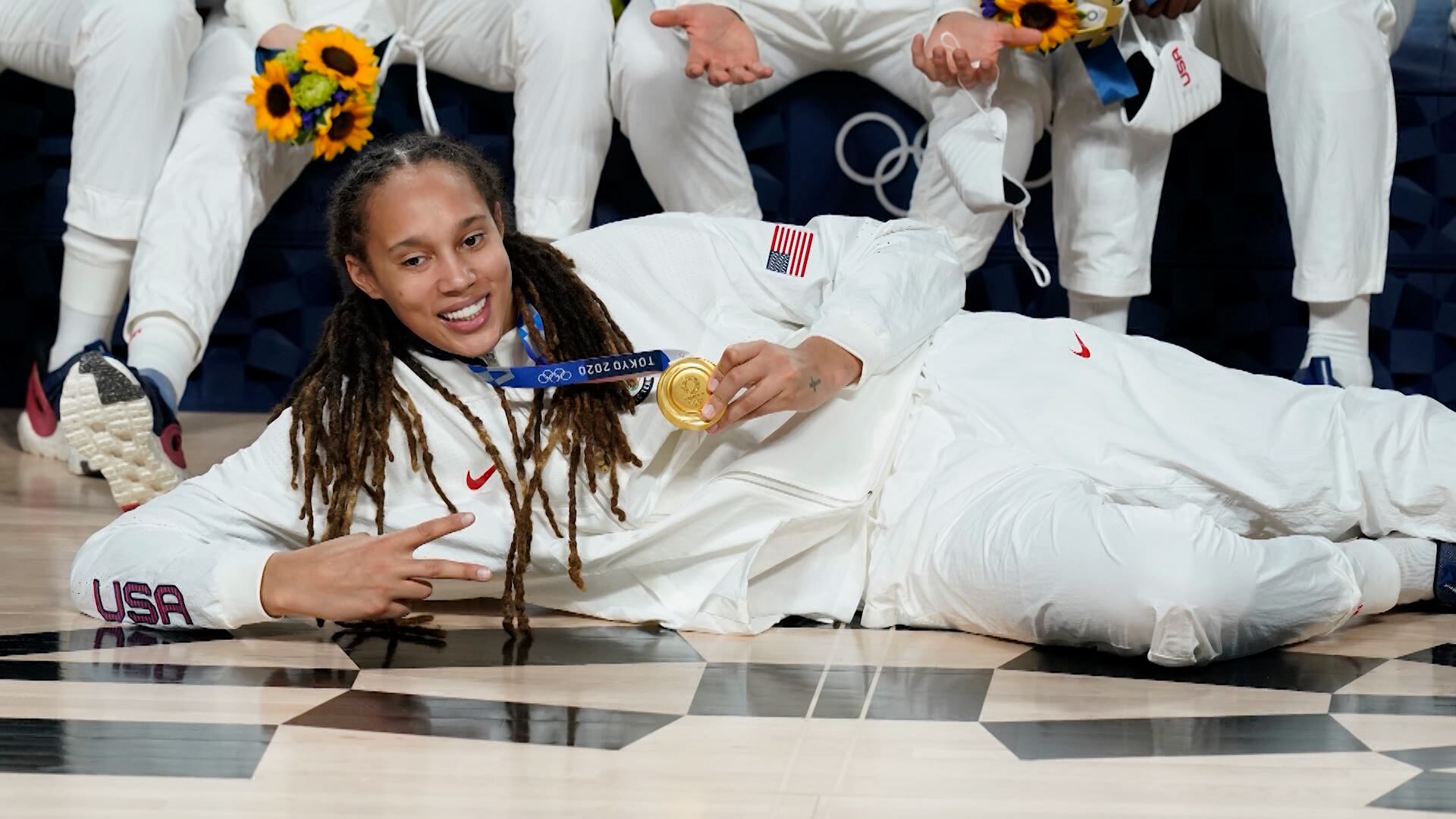
It's been an eventful past few weeks for the WNBA. One of the league's top players, Brittney Griner, remains in Russian custody after being detained at an airport last month. The league is also dealing with a scandal after fining a team for providing charter flights to their players. Emily Caron, sports business reporter for Sportico, joined Cheddar News' Closing Bell to discuss.
School nutrition experts warn that millions of children could go hungry as soon as this summer, after Congress excluded waivers that would extend universal lunch for children in school from the $1.5 trillion omnibus spending bill. Cheddar News speaks with Jessica Gould, chair of the public policy and legislation committee at the School Nutrition Association, about the issue.
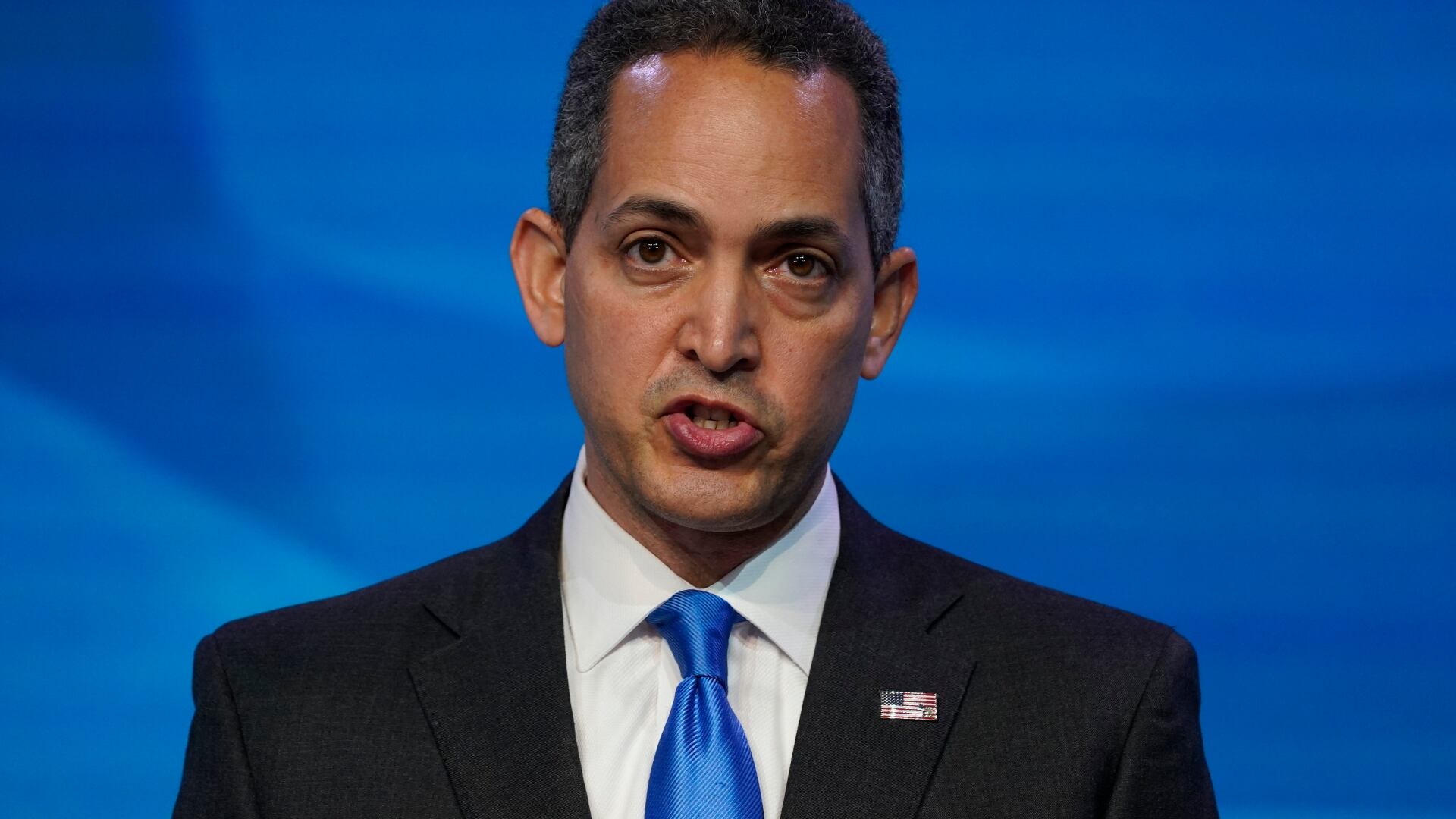
The ongoing semiconductor chip shortage has been impacting everything from the purchase of cars to smartphones. Deputy Commerce Secretary Don Graves spoke with Cheddar about the Biden administration's efforts to combat the issue and if the current crisis in Ukraine will have any impact on the global supply chain problems for semiconductors. "We're working very closely with all of our partners and allies around the globe, just as we have on the export controls and sanctions that we've applied to Russia to deal with that needless aggression," he said. "We're also working with them on the challenges of raw materials for a range of industries, including the semiconductor industry. We believe that we are going to be able to meet the demand for the for the near term."
Deputy Commerce Secretary Don Graves spoke to Cheddar's Alex Vuocolo about the ongoing semiconductor shortages and the push from the Biden administration to cover the supply chain problem as well as look ahead to future-proofing it.
President Maxx Fenning and Vice President CJ Walden of PRISM, a Florida non-profit providing resources for LGBTQ youth, joined Cheddar News to discuss the negative repercussions of a Florida bill banning discussions of sexuality and gender identity in some classrooms.