This presidential election cycle has a record number of women running for commander-in-chief. Still, these female candidates must navigate the question of "electability," a double-standard ー one former Hillary Clinton staffer says ー that they will have to beat back throughout the campaign.
"The ultimate answer is that to be electable, you have to win," said Amanda Litman, the executive director of Run for Something, a political action committee that aims to elect young Democrats. Litman previously served as the email director for Hillary Clinton's 2016 presidential campaign.
"It's important to step back and realize what we're talking about when we talk about electability. It's the understanding of what voters think that other voters wants. It is an entirely faulty premise based on racist, sexist, and classist understandings of what a president looks like."
"It is total garbage," she argues.
Litman says that in order to challenge the conception that women can't win higher elected offices, it will require support for different types of female leaders, finding ways to make voters and donors comfortable in expressing support for their favored-candidates, and building a stronger pipeline of qualified female politicians through state and local races.
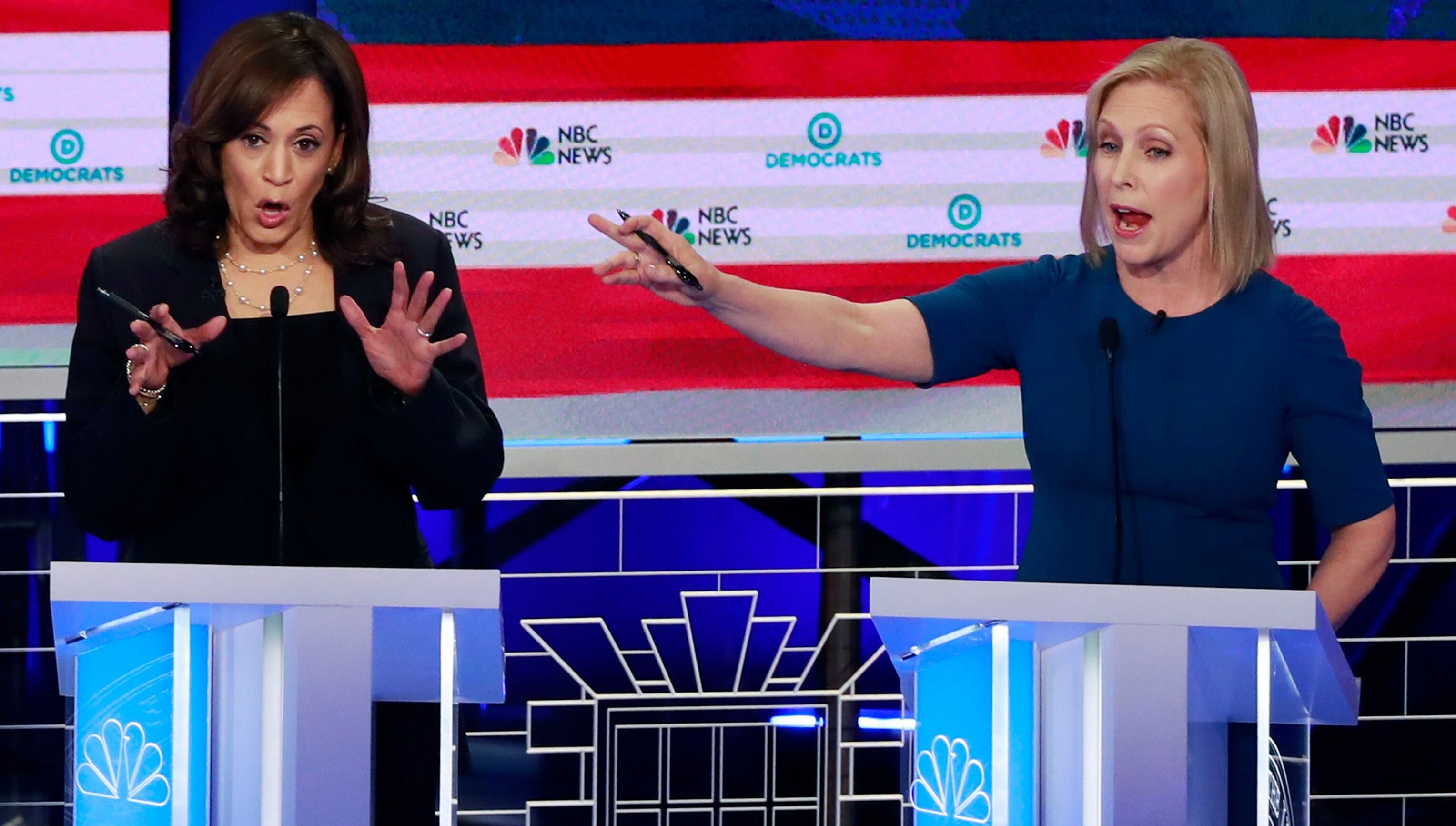
"We saw Kamala Harris in the debate really take on her opponents in a way that was sort of masculine-coded leadership. We've seen Elizabeth Warren whip out plan after plan after plan. We've see Kirsten Gillibrand be aggressive with interviewers who she doesn't think are giving her a fair shake," said Litman. "Each of them is showing a different way of being a female leader."
"Over the last two years, the number of women of color in state legislatures has more than tripled. The number of women in state legislators writ large has gone up by huge numbers," added Litman. "This means, down the line, there will be more qualified women to run for Congress, for governor, and for president."
A record number of women were elected to Congress in the 2018 midterm election, and a record number of women of color were elected to the House of Representatives. Meanwhile, women hold nearly 30 percent of state legislative seats ー totaling more than more than 2,100 ー according to the Center for American Women and Politics at Rutgers.
"Women need this experience in order to be considered serious leaders," Litman said. "A woman couldn't get away with a weak resume like a man could."
She pointed out that the serious female contenders for president ー Sen. Kamala Harris, Sen. Elizabeth Warren, Sen. Kirsten Gillibrand, Sen. Amy Klobuchar, and Sen. Tulsi Gabbard ー are all current lawmakers. The exception: author and public speaker Marianne Williamson, who has qualified to participate in the second round of the Democratic debates.
Litman says that women can beat male competitors by being willing to work harder and engaging on issues like child care, health care, school, and the opioid crisis. "Mediocre women don't tend to run for office. Only excellent women do," she said.
"The ultimate answer is that to be electable, you have to win," Litman added.
Rebecca Walser, President of Walser Wealth Management, joins Cheddar News' Closing Bell, where she discusses the factors behind Monday's surge on Wall Street and explains why investors will likely experience volatility in the market throughout the month of December.
Cheddar's Chloe Aiello joined "Closing Bell" to break down the progress of the SAFE Banking Act in Congress as cannabis businesses operators struggle to find financial institutions that will service them. Banks face steep federal penalties, including the risk of losing a bank charter, if found to be servicing marijuana businesses even if their state has legalized operations. Aiello reported that while there was some bipartisan support for the measure in the Senate, the bill faces some opposition from conservatives with "longstanding concerns" about cannabis and progressives who prefer a more comprehensive approach to reform.
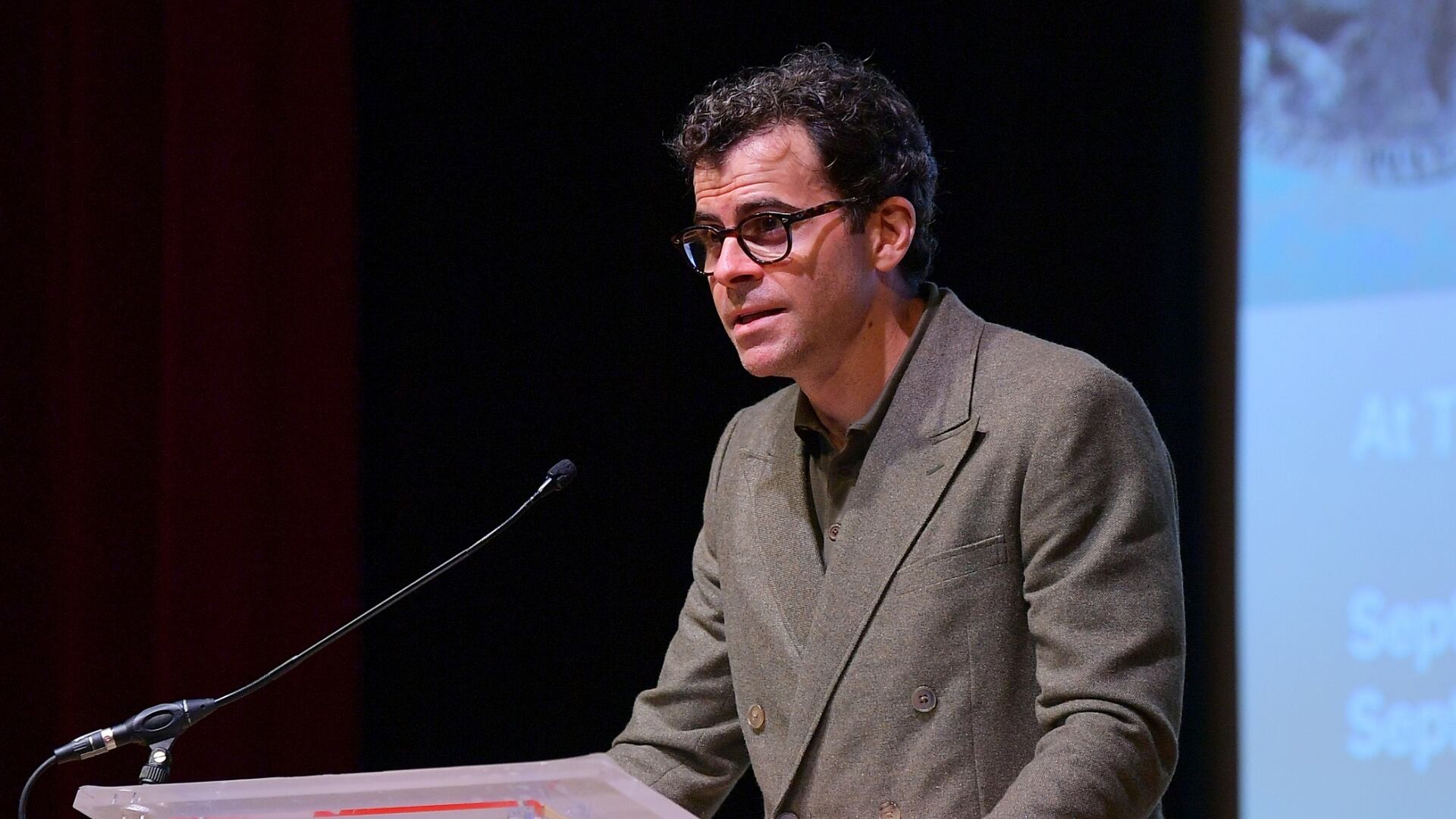
Head of Instagram Adam Mosseri is slated to testify this week in front of the Senate Commerce Subcommittee after a Wall Street Journal report that found the Meta-owned social media platform is negatively impacting the mental wellness of teen girls.
Chinese regulators are reportedly behind China-based ride-hailing company DiDi exiting from the New York Stock Exchange, just days after listing earlier this year. The regulators stated prior that DiDi had not received the necessary clearances to list in the states. Gordon Chang, Asian affairs expert, joined Cheddar to break down what the delisting says about the relationship between nations. "This really strikes me as an attempt to really to force a decoupling of China and the U.S. in the financial markets," Chang said.
U.S. Futures were pointing to a higher open to round out the week despite a miss on the November Jobs Report, which showed slower job growth than expected-- and as the omicron variant continues to spread across the country. Patrick Healey, Founder & President at Caliber Financial Partners joined Cheddar's Opening Bell to discuss.
Just days after the detection of the Omicron variant, the World Health Organization has agreed to start the process of establishing a global pandemic treaty or accord. Amy Maxmen, senior reporter for Nature, and Dr. Samuel Scarpino, managing director for the Rockefeller Foundation's Pandemic Prevention Institute, joined Cheddar to discuss this effort and what lessons can be learned from the many COVID-19 failures as the world prepares for future pandemics.
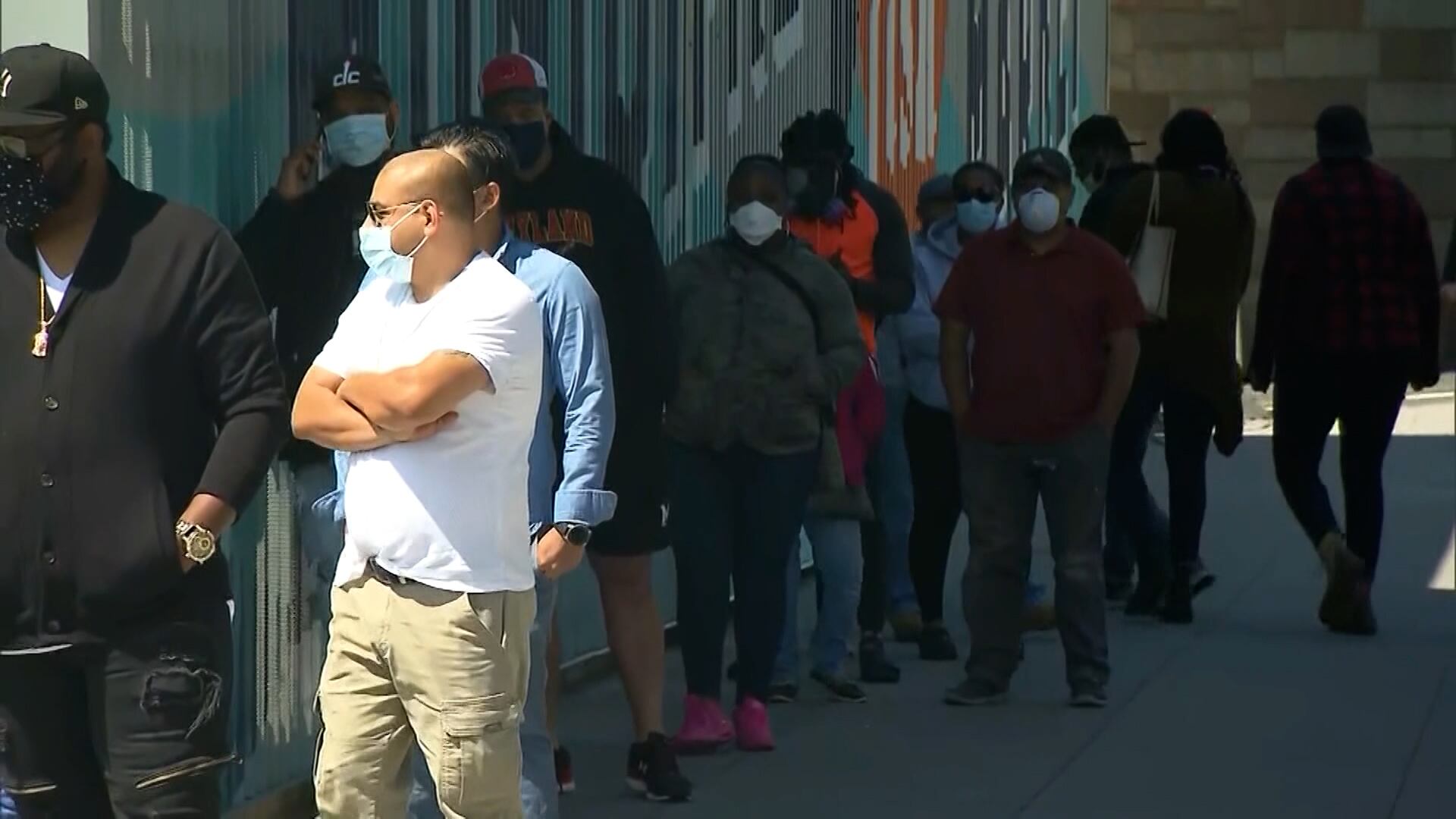
It's a mixed bag for the November jobs report. Hiring slowed last month as employers only added 210,000 jobs, massively missing the estimate of 550,000. But there was one bright spot: the unemployment rate fell to 4.2%, with the number of unemployed people dropping to 6.9 million. Both of those numbers are considerably down from their highs at the end of the 2020 recession. Heather Boushey, a member of President Biden's Council of Economic Advisers, joined Cheddar to discuss the report and the state of the country's ongoing economic recovery.