By Farnoush Amiri and Stephen Groves
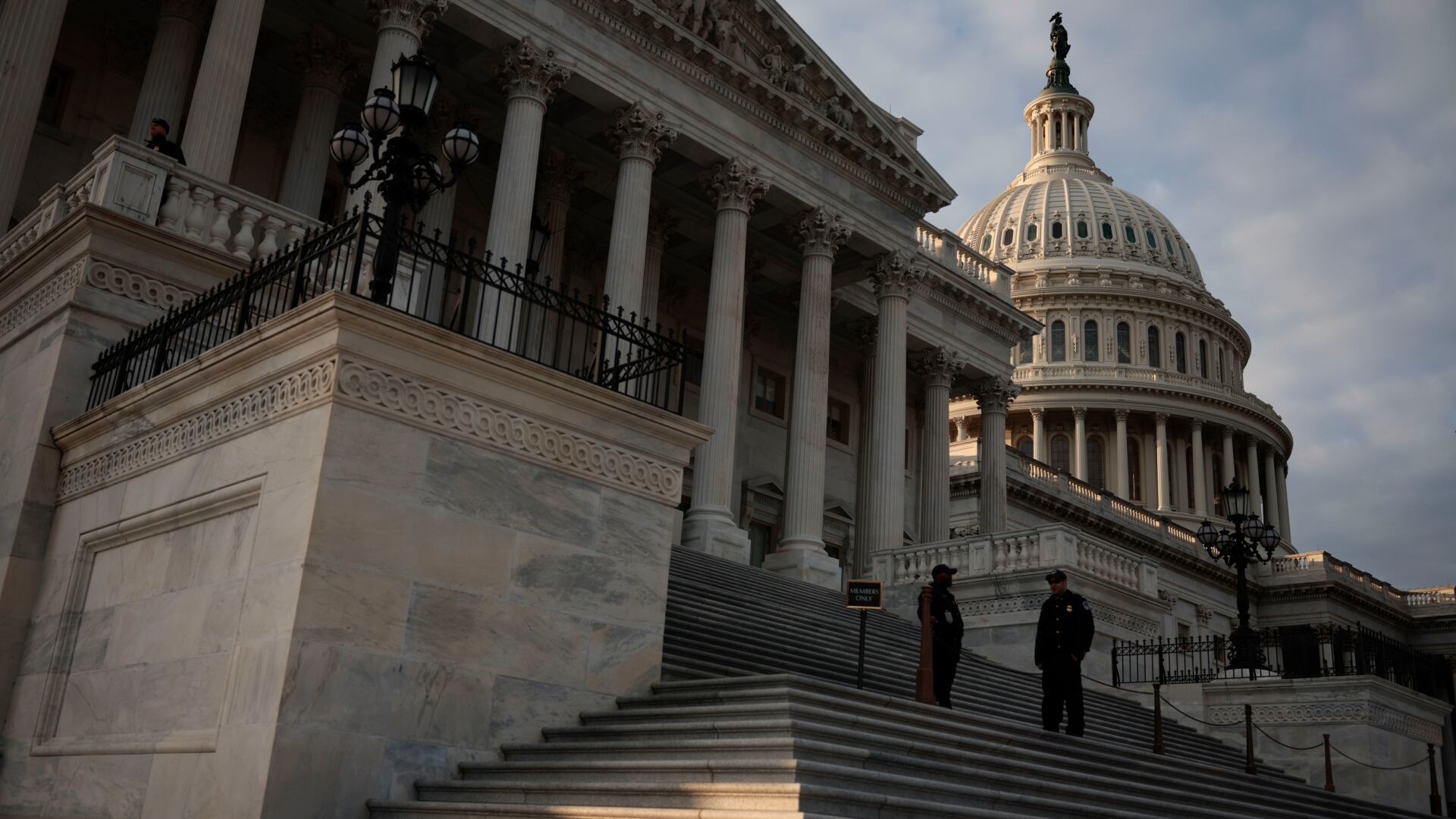
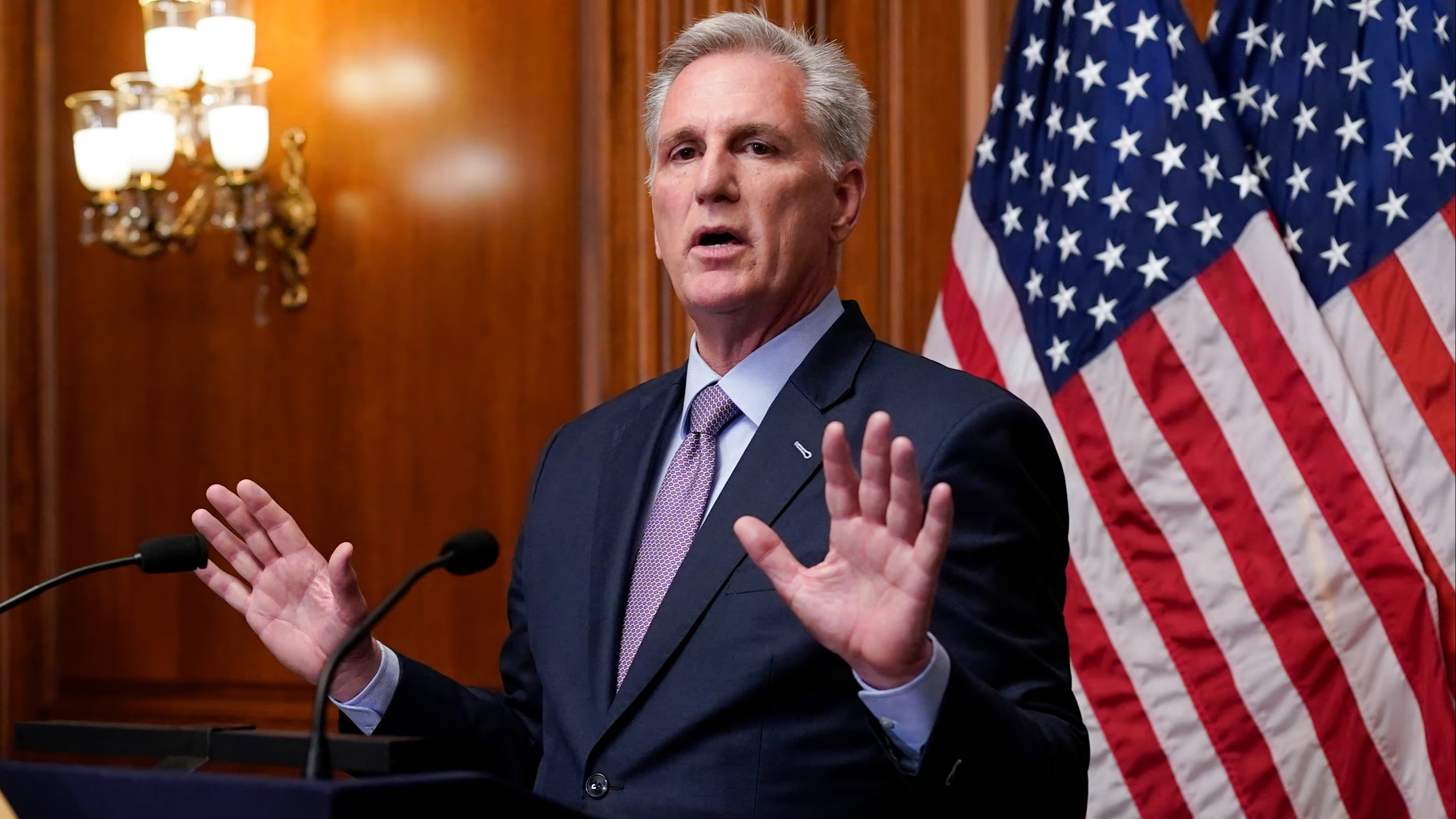
The stunning removal of Kevin McCarthy as speaker has left the House adrift as Republicans struggle to bring order to their fractured majority and begin the difficult and potentially prolonged process of uniting around a new leader.
The House convened briefly Wednesday and then went into recess, with North Carolina Rep. Patrick McHenry, the caretaker speaker pro-tempore, serving in the job with very little power for the foreseeable future. Other Republicans left Washington, awaiting the next steps.
The House will try to elect a speaker as soon as next week. The timing is nowhere near certain as Republicans line up for their chance at the gavel amid the bitter divisions that sparked the chaos.
The House majority leader, Rep. Steve Scalise, R-La., is in line for the post, but he faced an immediate challenge from Rep. Jim Jordan, R-Ohio, the Judiciary Committee chairman and a favorite of conservatives, who quickly announced his own candidacy. Others are expected to emerge.
Many doubt that anyone can get the 218 votes needed to become speaker. Voting for McCarthy in January took 15 excruciating rounds even though he was the consensus choice of the GOP conference.
House Republicans plan to meet next Tuesday evening at the Capitol for a first round of internal party voting.
“I think the circus stuff needs to happen behind closed doors,” said Rep. Garret Graves, R-La.
It is shaping up to be wide open battle just as Congress faces a new deadline to fund the government by mid-November. Work on that legislation in the House is on hold due to the vacancy in the speaker's office, creating the potential for extended paralysis.
Senate Majority Leader Chuck Schumer, D-N.Y., called it a “dangerous situation."
At the White House, President Joe Biden said the American people still expected the government to get its work done in a timely fashion. McCarthy was ousted because he worked with Democrats to keep the government open and avoid a shutdown, and the Democratic president said: “We need to stop seeing each other as enemies.”
Electing a new speaker risks inflaming the divisions that have plagued House Republicans all year, particularly if lawmakers make new demands before pledging support.
Scalise has long been viewed as a potential speaker-in-waiting and is revered as a survivor after he was shot in the hip at a congressional baseball team practice in 2017. But Scalise is also being treated for a form of blood cancer, forcing him away from the Capitol at times.
In a letter to colleagues asking for their support, Scalise acknowledged the challenges ahead for him and Republicans, but said he has overcome adversity before.
“This next chapter won’t be easy, but I know what it takes to fight and I am prepared for the battles that lie ahead,” he wrote.
Jordan made his own pitch by emphasizing his oversight work and aspirations. He echoed Scalise’s call for unity during “divided times.”
“The problems we face are challenging, but they are not insurmountable,” he said.
Jordan and Scalise are expected to be joined in the race by at least one other Republican: Oklahoma Rep. Kevin Hern, chair of the Republican Study Committee, the largest GOP caucus in the House.
All three men, as well as Majority Whip Tom Emmer of Minnesota, spoke at a luncheon of the Texas congressional delegation, which represents the largest bloc of GOP members in the House.
“I think you have to have a different set of skill sets, you know, I spent 35 years in business working at some of the largest corporations in the world,” Hern said as he left the meeting. “Strife is something that’s common when you have people working together and finding common solutions for it takes experience.”
But some Republicans, including Rep. Marjorie Taylor Greene of Georgia, say lawmakers should look outside the Capitol for their next speaker, as the Constitution allows, and draft former President Donald Trump.
Trump told reporters at a New York courthouse Wednesday that he will “do whatever it is to help” Republicans in the speakership race, but that he is focused “totally” on his presidential campaign.
“If I can help them during the process, I would do it. But we have some great people in the Republican Party that could do a great job as speaker,” he said.
The more immediate challenge for Republicans is moving past the extraordinary strife that has plagued their conference in recent weeks. The raw feelings were apparent at a closed-door meeting Tuesday evening where members unloaded their anger at the eight Republicans who joined with Democrats to depose McCarthy.
Rep. Mike Kelly, R-Pa., pointed at the lawmakers who voted against McCarthy and said, “I’ve never been part of a worse team,” according to a Republican in the room who was granted anonymity to discuss the private session.
Associated Press writer Chris Megerian contributed to this report.