Here is a rundown of Cheddar News' top market stories of the day.
TECH LAYOFFS
Multiple outlets are reporting that Microsoft will begin a series of planned layoffs on Wednesday that could cut around 5 percent of its workforce, or 10,000 employees. CEO Satya Nadella warned the cuts were coming, and said the next couple of years were likely to be challenging, as the tech sector contracts after a decade plus of rapid growth. Amazon is also set to move ahead with plans to cut 6 percent of its 350,000 corporate employees.
ADOBE'S DATA DEBACLE
Adobe is facing backlash from customers who are concerned the software company is using personal images and video to train artificial intelligence models such as OpenAI’s Dall-E. Chief Product Officer Scott Belsky denied the accusations in an interview with Bloomberg, saying: "We have never, ever used anything in our storage to train a generative AI model."
UNITED AIRLINES EARNINGS
United Airlines' fourth quarter earnings beat Wall Street estimates on the heels of a rebound in travel demand. The company reported a 31 percent increase from the same period before the pandemic. The gains were made despite the airline flying 9 percent fewer trips and a litany of other challenges, from winter storms to labor shortages to supply chain disruptions.
UNIVERSITY BANS TIKTOK
The University of Texas at Austin is blocking access to TikTok on its Wi-Fi and wired networks. The move is a response to Gov. Greg Abbott's requirement that all state agencies delete the app from government-issued devices. The administration said it is also seeking to eliminate risks to information on the university's networks. University of Texas at Dallas and Texas A&M University System have since implemented similar restrictions.
Members-only home swapping network Kindred recently announced its launch alongside a $7.75 million seed round led by Andreessen Horowitz. Homeowners and renters can exchange homes on Kindred's platform, which the company says allows members to travel and take advantage of remote-work flexibility at the fraction of the cost of a hotel or rental home. Justin Palefsky and Tas Amina, co-founders of Kindred, join Cheddar News' Closing Bell to discuss.
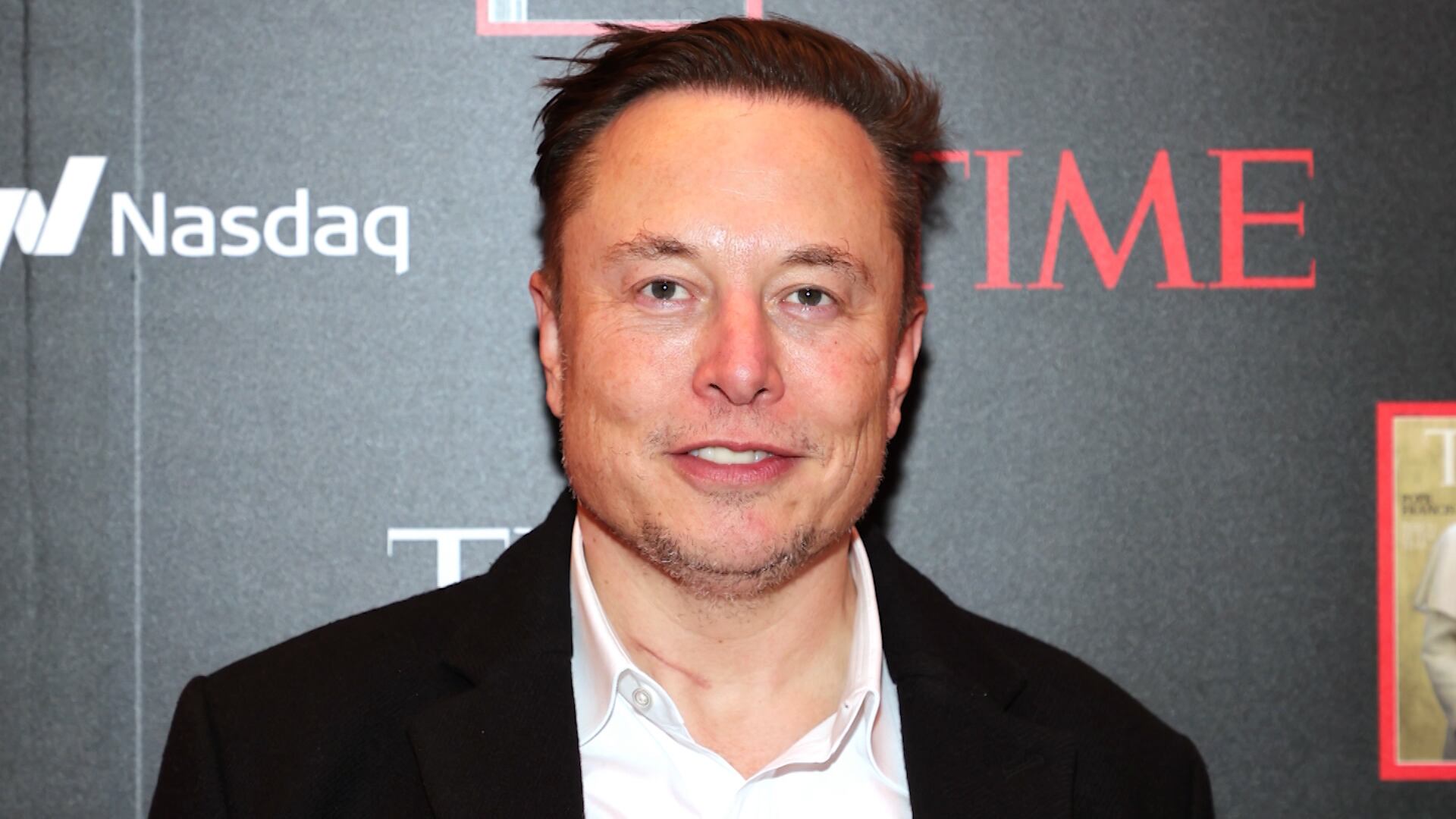
Despite Elon Musk making the deal to buy Twitter, it's still unclear as to what all of his plans might be for it. Tesla’s stock dropped on Tuesday, potentially due to concerns over what the situation might mean for the EV maker going forward. Hatem Dhiab, a managing partner at Gerber Kawasaki Wealth & Investment Management, and Bruce Goldfarb, the president and CEO of Okapi Partners, joined Cheddar News to talk about the ramifications of the acquisition for both Tesla and Twitter stockholders. "I think people are scared because the deal has some leverage that's tied to Tesla stock, and people are worried that maybe Elon will sell some of his stock," Dhiab said about the purchase. "But I don't think that that's likely."
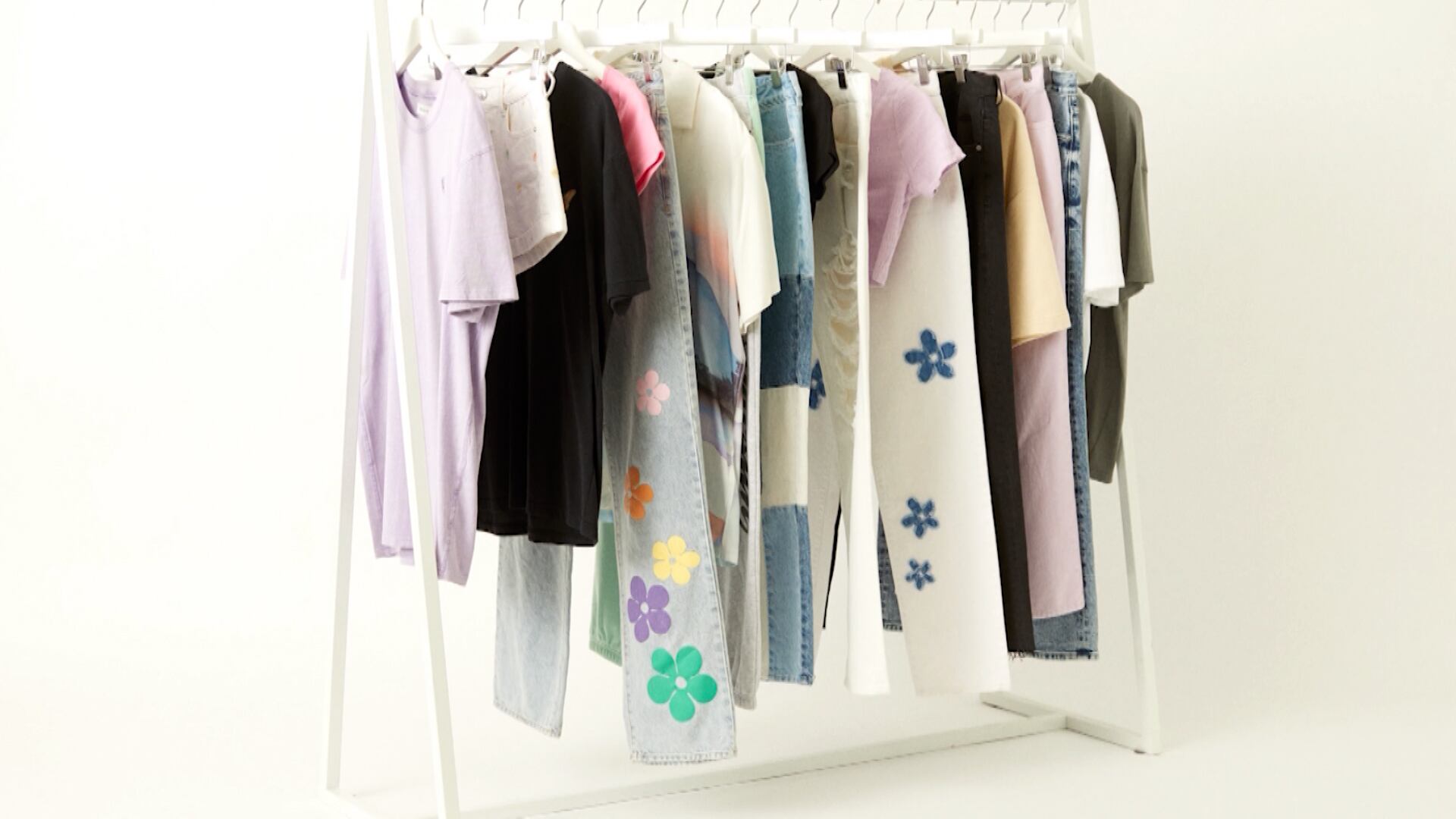
Clothing brand PacSun and online thrift retailer thredUP are partnering up for "Pre-Loved Pac," a 360-resale program allowing PacSun customers to clean out their closets for credit and shop for gently used clothing directly through PacSun's website. Pacsun co-CEO Alfred Chang and thredUP CEO James Reinhart joined Cheddar News to talk about their collaboration. "The latest research shows that over 50 percent of this generation has engaged in either selling or purchasing something at resale," Chang said. "It's important to them and it's important obviously to the world in terms of what we can do in terms of recycling clothes."
New Jersey has legalized recreational marijuana. The state missed cannabis holiday 4/20 by just a day. Cannabis giant Curaleaf operates three dispensaries in New Jersey. The company's CEO Joe Bayern joins Cheddar to recap the big day.
According to the Morning Consult, consumer spending in March was significantly impacted by inflation even as habits changed from purchasing goods to services as pandemic restrictions ebbed. Kayla Bruun, an economic analyst for the Morning Consult, joined Cheddar News to talk about the findings."Consumers are getting more and more concerned about paying for gas, paying for groceries — all these prices that are rising so quickly for things that they really don't have the choice but to buy," she said. "They're starting to cut back on the things that are a little bit more discretionary, realizing with prices as high as they are, it's maybe not the best time to be booking a vacation or upgrading their kitchen."