MAGA Hats Have Become a Divisive 'Us Vs. Them' Symbol: Fashion Critic
*By Chloe Aiello*
President Trump's "Make America Great Again" cap is more than just a hat, it's a "symbol of us vs. them," according to Washington Post fashion editor Robin Givhan.
"No fashion item is completely separate from the broader culture. It doesn't exist in a vacuum and so the way that people respond to it, the way it's read by others, is equally as potent if not more so than the intent of the wearer," Givhan said.
Givhan [penned a column](https://www.washingtonpost.com/lifestyle/style/the-maga-hat-is-not-a-statement-of-policy-its-an-inflammatory-declaration-of-identity/2019/01/23/9fe84bc0-1f39-11e9-8e21-59a09ff1e2a1_story.html?utm_term=.ec3a75c53f4e) last week about what the hat has come to mean in the years since it burst on the scene as a campaign accessory for Trump's 2016 presidential bid. The hat, she wrote, has become "a symbol of us vs. them, of exclusion and suspicion, of garrulous narcissism, of white male privilege, of violence and hate."
Her commentary follows a recent controversy in which the hat took center stage. Catholic schoolboys in MAGA hats, a Native American elder, and black nationalists collided at the March for Life in Washington, D.C., in a video that went viral. In an interview on "Today" after the incident, the student at the center of the controversy, Nick Sandmann, acknowledged that the presence of his hat may have escalated tensions.
Fashion has historically been used to make political statements ー last year alone saw women in Tehran, Iran, removing their headscarves in protest of compulsory hijab laws, as well as celebrities at the Golden Globes wearing all black in solidarity with the #MeToo movement. But in the era of the pink pussy hats and the Black Lives Matter t-shirts, the red MAGA hat has emerged as the most divisive accessory of all. And Givhan argues it is inherently different that these other politically charged items.
"The Black Lives Matter t-shirts and the pink pussy hats, those were being worn by a group of people who were not at the top of the pyramid in terms of our society. They were people striving to better their rights and ... gain greater equality, versus the 'Make America Great' hat, which doesn't have that sort of duality of the oppressed versus the oppressor," Givhan said.
She added that the hats have been weaponized by some who have worn them, including white supremacists at the deadly Charlottesville, Va., rally. When someone wears a MAGA hat today, they're implicitly supporting more than Trump's policies, Givhan said.
"There are definitely reasonable policy differences that are expressed by people who wear that hat, but I think the larger connotation says, 'I am willing to concede that my policy wins are worth it, despite all of these other negative ramifications,'" she said.
For full interview [click here](https://cheddar.com/videos/washington-post-columnist-calls-maga-hats-a-declaration-of-identity).
Jill and Carlo discuss the scenes of joy at American airports as borders reopen, another tool in the Covid toolbox, the latest in the Astroworld crowd crush tragedy and more.
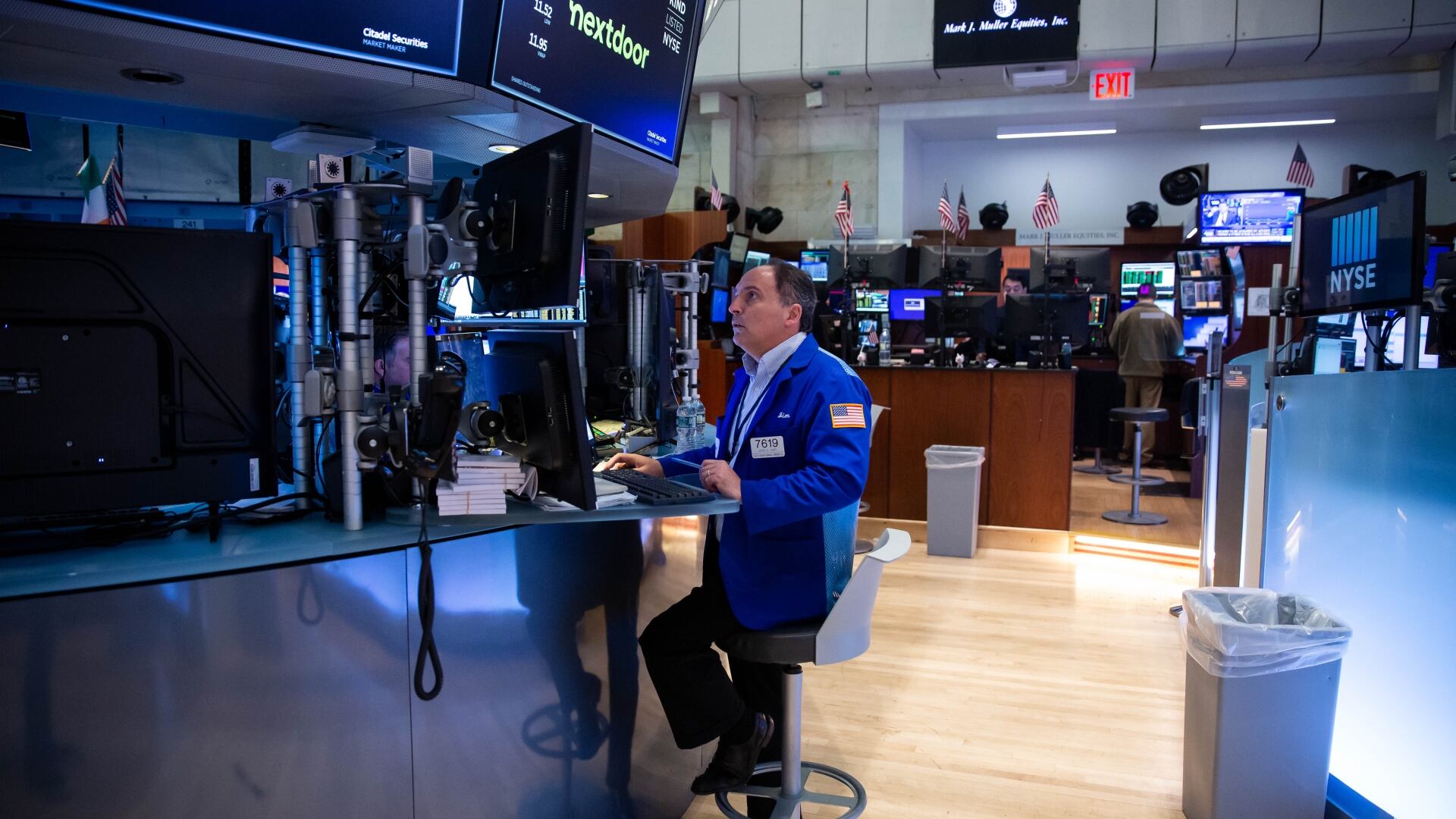
Frank Lee, Managing Director at Miracle Mile Advisors, joins Cheddar News' Closing Bell, where he explains why markets are soaring after the Dow, S&P, Nasdaq, and the Russell 2000 all reached new record closes to begin the trading week.
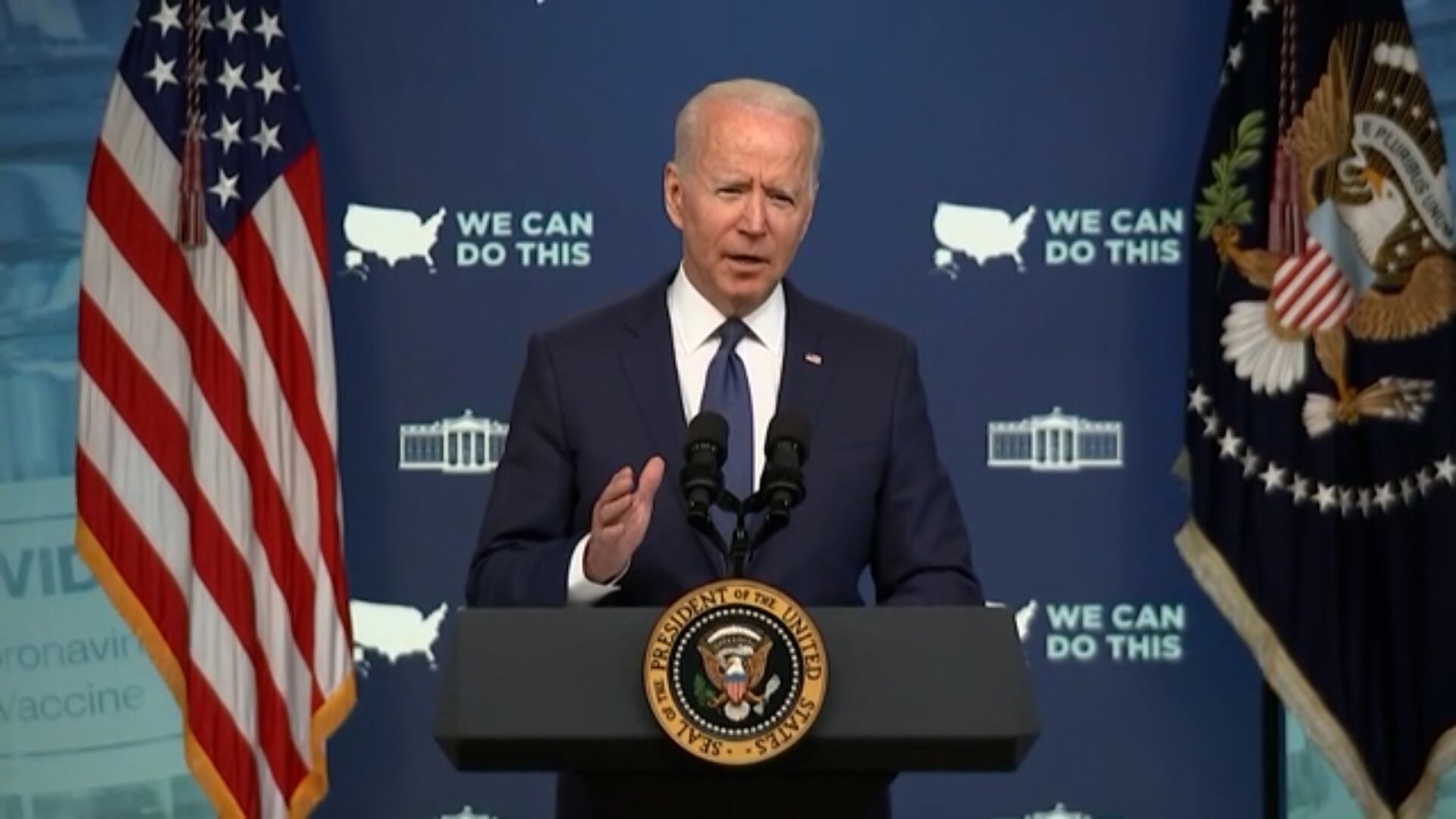
The Biden Administration's mandate for COVID vaccinations by large employers has been put on hold by federal courts as GOP-led states and some businesses push back on the order's legality. Jonathan Adler, a law professor at Case Western Reserve University, joined Cheddar to discuss the legal challenges to implementing such mandates through OSHA (Occupational Safety and Health Administration). "Certainly expanding vaccinations is a good thing, and as vaccination rates go up that's better for all of us," Adler said. "But there are some legal questions about whether or not it's appropriate to use a law about occupational safety and health as the means to do that."
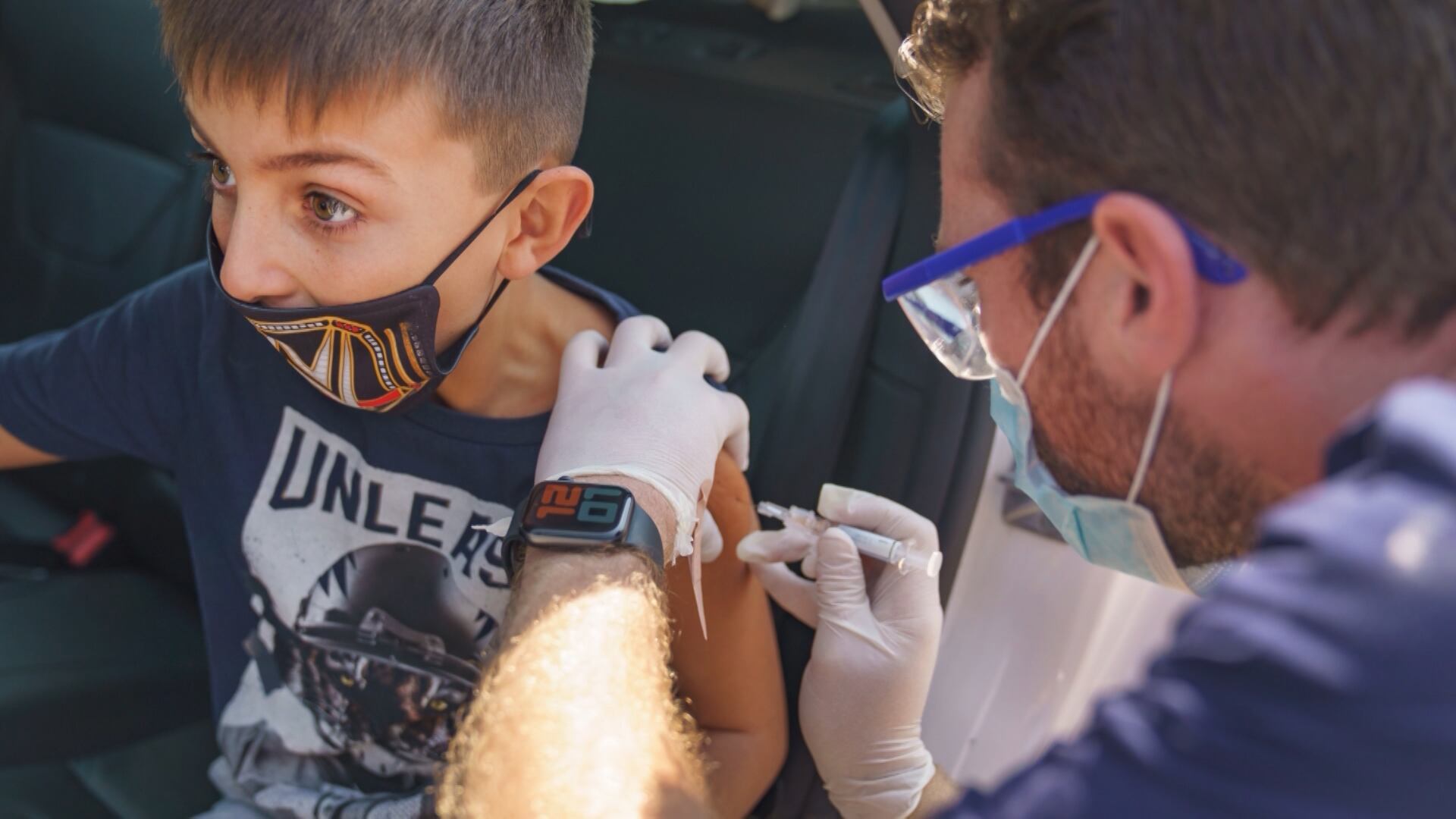
The Biden administration is giving businesses a deadline to implement a vaccination mandate, saying companies can take until after the holiday season. Andew Noymer, Associate Professor of Population Health and Disease Prevention at the University of California, Irvine, joined Cheddar to discuss.
Jacob Rubashkin, reporter and analyst at Inside Elections, joined Cheddar to discuss Republicans' wins on election night and what they mean for Democrats going forward.
James Astill, Washington Bureau Chief at The Economist, joins Cheddar News to discuss the latest issue, 'ONE YEAR ON: The calamity facing Joe Biden and the Democrats.'
Elon Musk asked Twitter if he should sell about $20 billion worth of his Tesla stock and about 58 percent of those who answered said yes. The Tesla CEO pledged to abide by the results of the poll, whichever way it went. Arun Sundararajan, NYU Stern professor & author of "The Sharing Economy: The End of Employment and the Rise of Crowd-Based Capitalism," joined Cheddar to discuss what the Twitter poll says about America's attitude towards billionaires and the nation's tax system.
Dr. Nasia Safdar, Doctor at UW Madison, joined Wake Up With Cheddar to discuss the implications of Merck sharing its antiviral pill, which has been shown in early trials to cut hospitalizations and deaths by half, with poorer nations around the globe.
The Federal Reserve finally announced its taper plan on Wednesday saying that it planned to scale back on bond purchases as growth slows, and would not rush to raise interest rates. Ross Mayfield, Investment Strategy Analyst at Baird spoke on whether or not a decrease in inflation could be in the country’s future amidst comments made by Fed chairman Jerome Powell. Baird also broke down ADP jobs numbers ahead of the Labor Department's October jobs report.