MAGA Hats Have Become a Divisive 'Us Vs. Them' Symbol: Fashion Critic
*By Chloe Aiello*
President Trump's "Make America Great Again" cap is more than just a hat, it's a "symbol of us vs. them," according to Washington Post fashion editor Robin Givhan.
"No fashion item is completely separate from the broader culture. It doesn't exist in a vacuum and so the way that people respond to it, the way it's read by others, is equally as potent if not more so than the intent of the wearer," Givhan said.
Givhan [penned a column](https://www.washingtonpost.com/lifestyle/style/the-maga-hat-is-not-a-statement-of-policy-its-an-inflammatory-declaration-of-identity/2019/01/23/9fe84bc0-1f39-11e9-8e21-59a09ff1e2a1_story.html?utm_term=.ec3a75c53f4e) last week about what the hat has come to mean in the years since it burst on the scene as a campaign accessory for Trump's 2016 presidential bid. The hat, she wrote, has become "a symbol of us vs. them, of exclusion and suspicion, of garrulous narcissism, of white male privilege, of violence and hate."
Her commentary follows a recent controversy in which the hat took center stage. Catholic schoolboys in MAGA hats, a Native American elder, and black nationalists collided at the March for Life in Washington, D.C., in a video that went viral. In an interview on "Today" after the incident, the student at the center of the controversy, Nick Sandmann, acknowledged that the presence of his hat may have escalated tensions.
Fashion has historically been used to make political statements ー last year alone saw women in Tehran, Iran, removing their headscarves in protest of compulsory hijab laws, as well as celebrities at the Golden Globes wearing all black in solidarity with the #MeToo movement. But in the era of the pink pussy hats and the Black Lives Matter t-shirts, the red MAGA hat has emerged as the most divisive accessory of all. And Givhan argues it is inherently different that these other politically charged items.
"The Black Lives Matter t-shirts and the pink pussy hats, those were being worn by a group of people who were not at the top of the pyramid in terms of our society. They were people striving to better their rights and ... gain greater equality, versus the 'Make America Great' hat, which doesn't have that sort of duality of the oppressed versus the oppressor," Givhan said.
She added that the hats have been weaponized by some who have worn them, including white supremacists at the deadly Charlottesville, Va., rally. When someone wears a MAGA hat today, they're implicitly supporting more than Trump's policies, Givhan said.
"There are definitely reasonable policy differences that are expressed by people who wear that hat, but I think the larger connotation says, 'I am willing to concede that my policy wins are worth it, despite all of these other negative ramifications,'" she said.
For full interview [click here](https://cheddar.com/videos/washington-post-columnist-calls-maga-hats-a-declaration-of-identity).
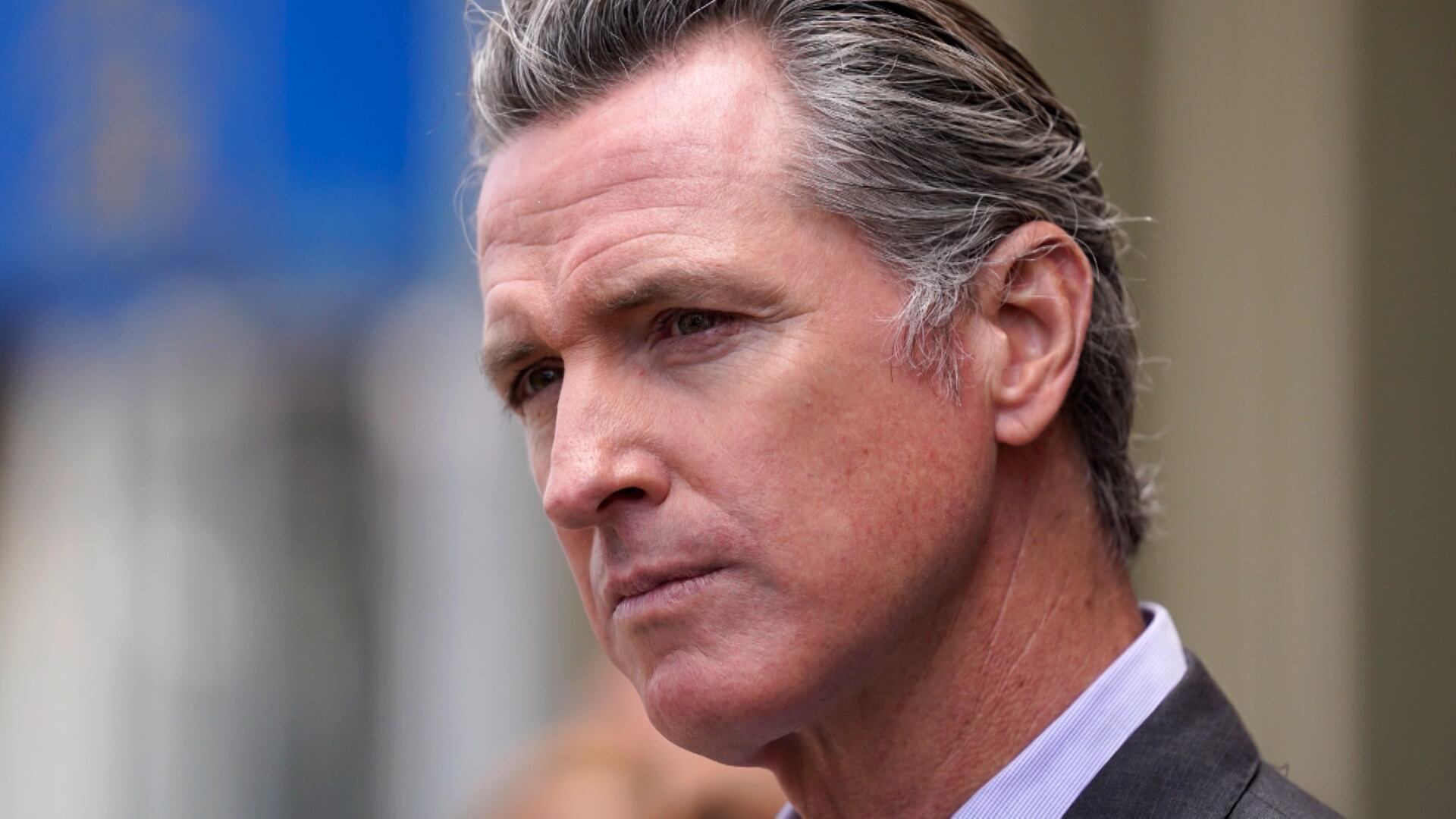
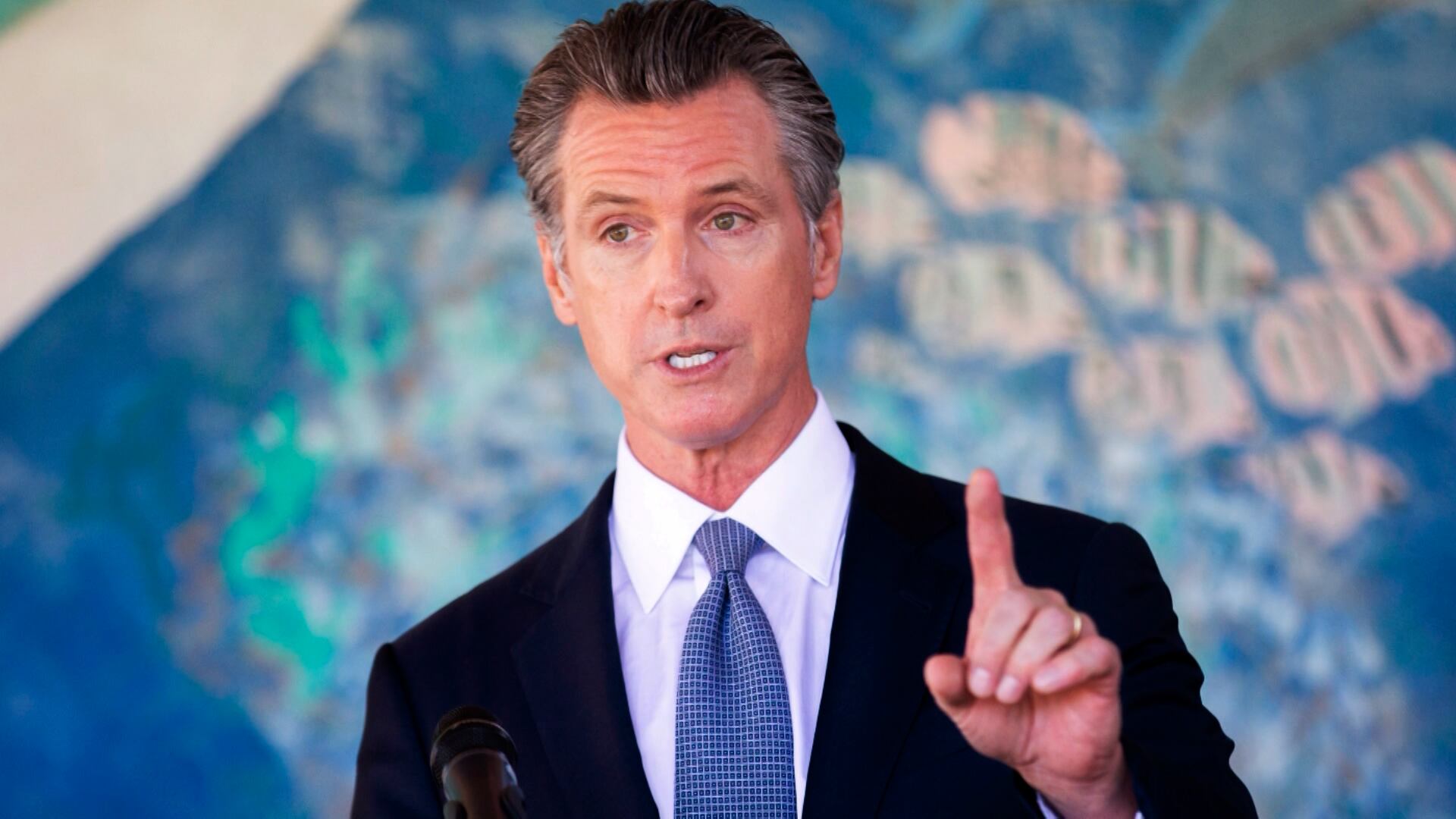
Emily Hoeven, newsletter editor at CalMatters, joins Cheddar News to discuss California Governor Gavin Newsom's gun law modeled after Texas's abortion law.
Chuck Rocha, host of 'Nuestro' podcast and opinion contributor at The New York Times, joins Cheddar News to discuss why Democrats are losing Hispanic voters.
More businesses are requiring workers to return to the office, but there is concern that many employees in the middle class, especially women and people of color, need remote work options for reasons including childcare and financial security. Joan Williams, director of the Center for WorkLife Law at the University of California, joined Cheddar to discuss why office mandates could be detrimental to the middle class. She noted that while companies claim a return to offices would help foster more collaboration and efficiency, reports show that they are successfully able to do their jobs from home.
The U.S. postal service has confirmed that it secretly developed and tested a blockchain-based mobile voting system ahead of the 2020 election. Susan Greenhalgh, senior advisor on election security, Free Speech for People, joins Cheddar News to discuss the cybersecurity complications of a mobile voting system.
The U.S. Supreme Court ruled to allow the controversial Texas abortion law to remain in effect, banning abortion at six weeks and allowing any private citizen to sue a person or doctor aiding or abetting someone seeking an abortion. Outraged at this decision, California Governor Gavin Newsom is working to draft a proposal in line with the law as it relates to guns. Shawn Hubler, California correspondent at the New York Times, joins Cheddar News to discuss.
Even as tech giant Google implements a vaccination mandate, charging its employees to declare their vaccine status within a time frame or risk dismissal, the federal government is tangled up in the court system trying to impose one of its own. Cindy Cohn, the executive director of the Electronic Frontier Foundation, and Harry Nelson, founder and managing partner of Nelson Hardiman LLP, joined Cheddar to debate the ethics, efficacy, and legality surrounding the issue. While Cohn noted that she thinks the federal mandate might be legally sound, her organization is also concerned with a separate question of privacy. "At EFF what we're most interested in is the digital surveillance that's going along with some of these attempts to try to track and confirm whether people are vaccinated or not," she said.