MAGA Hats Have Become a Divisive 'Us Vs. Them' Symbol: Fashion Critic
*By Chloe Aiello*
President Trump's "Make America Great Again" cap is more than just a hat, it's a "symbol of us vs. them," according to Washington Post fashion editor Robin Givhan.
"No fashion item is completely separate from the broader culture. It doesn't exist in a vacuum and so the way that people respond to it, the way it's read by others, is equally as potent if not more so than the intent of the wearer," Givhan said.
Givhan [penned a column](https://www.washingtonpost.com/lifestyle/style/the-maga-hat-is-not-a-statement-of-policy-its-an-inflammatory-declaration-of-identity/2019/01/23/9fe84bc0-1f39-11e9-8e21-59a09ff1e2a1_story.html?utm_term=.ec3a75c53f4e) last week about what the hat has come to mean in the years since it burst on the scene as a campaign accessory for Trump's 2016 presidential bid. The hat, she wrote, has become "a symbol of us vs. them, of exclusion and suspicion, of garrulous narcissism, of white male privilege, of violence and hate."
Her commentary follows a recent controversy in which the hat took center stage. Catholic schoolboys in MAGA hats, a Native American elder, and black nationalists collided at the March for Life in Washington, D.C., in a video that went viral. In an interview on "Today" after the incident, the student at the center of the controversy, Nick Sandmann, acknowledged that the presence of his hat may have escalated tensions.
Fashion has historically been used to make political statements ー last year alone saw women in Tehran, Iran, removing their headscarves in protest of compulsory hijab laws, as well as celebrities at the Golden Globes wearing all black in solidarity with the #MeToo movement. But in the era of the pink pussy hats and the Black Lives Matter t-shirts, the red MAGA hat has emerged as the most divisive accessory of all. And Givhan argues it is inherently different that these other politically charged items.
"The Black Lives Matter t-shirts and the pink pussy hats, those were being worn by a group of people who were not at the top of the pyramid in terms of our society. They were people striving to better their rights and ... gain greater equality, versus the 'Make America Great' hat, which doesn't have that sort of duality of the oppressed versus the oppressor," Givhan said.
She added that the hats have been weaponized by some who have worn them, including white supremacists at the deadly Charlottesville, Va., rally. When someone wears a MAGA hat today, they're implicitly supporting more than Trump's policies, Givhan said.
"There are definitely reasonable policy differences that are expressed by people who wear that hat, but I think the larger connotation says, 'I am willing to concede that my policy wins are worth it, despite all of these other negative ramifications,'" she said.
For full interview [click here](https://cheddar.com/videos/washington-post-columnist-calls-maga-hats-a-declaration-of-identity).
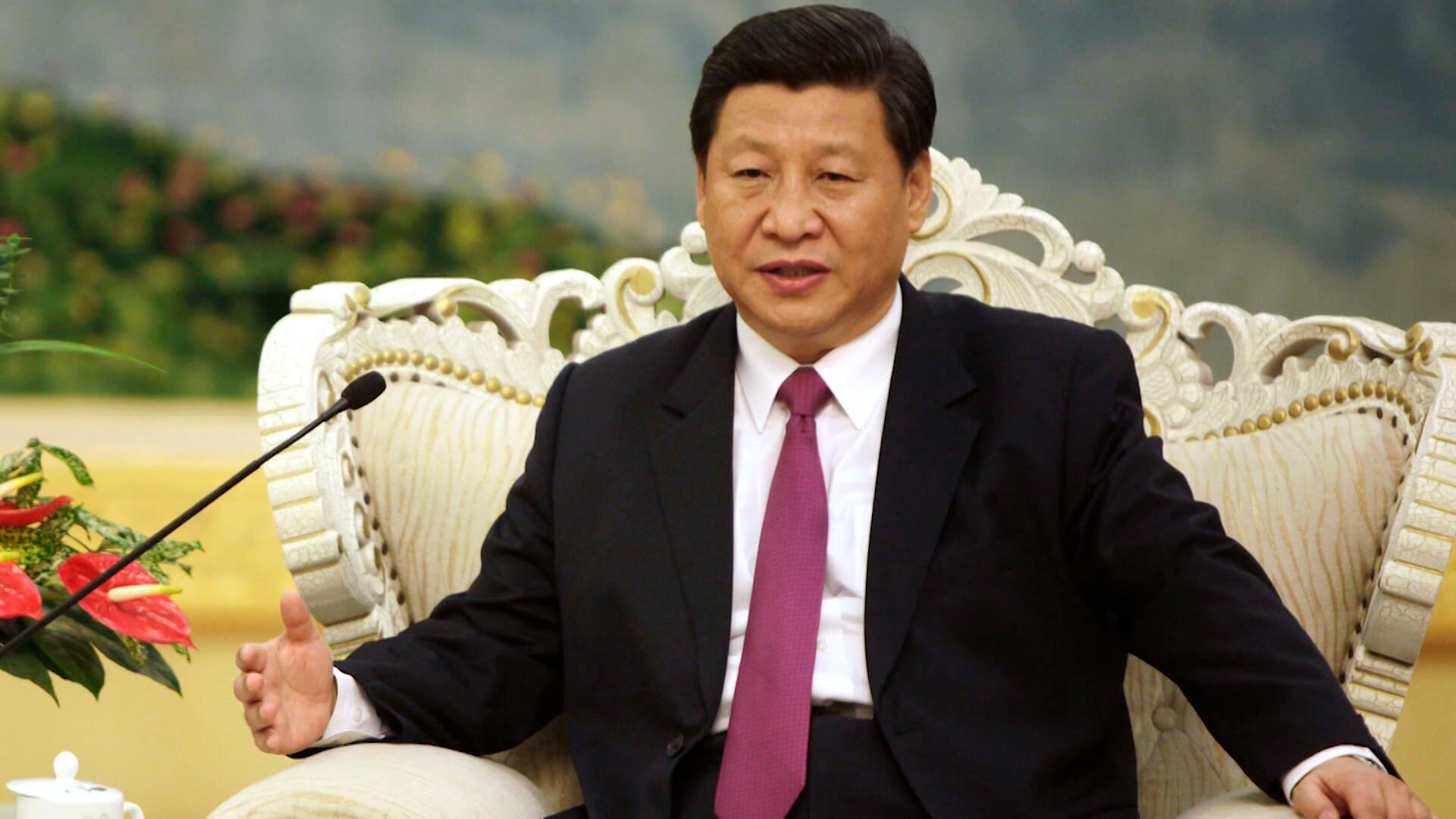
A new report by the Foreign Correspondents Club of China warns that press freedom in the most populous country in the world is declining at an alarming speed. Cheddar News speaks with Steven Butler, Asia Program Coordinator at the Committee to Protect Journalists, about the hardships journalists face in China.
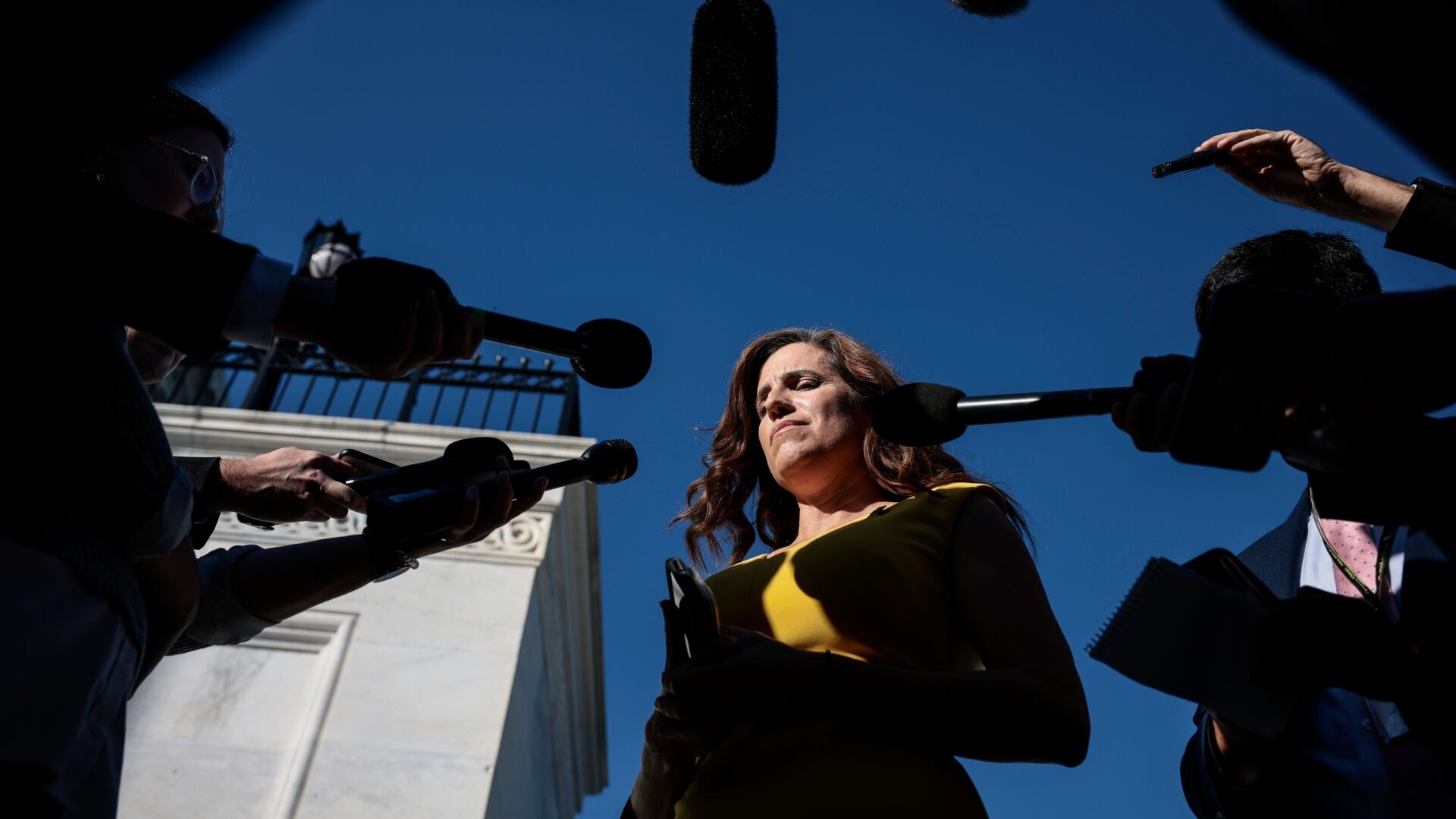
Rep. Nancy Mace (R-S.C. 1st District) joined Cheddar to discuss her cannabis legalization bill, the States Reform Act, and the prospects for gaining bipartisan support for a bill that has garnered the endorsement of e-commerce giant Amazon. This legislation is supported by businesses large and small, Amazon obviously being the most recent and largest business to support it," Mace said. "They don't want to sell pot. But what it does do is it affects their working employment pool." She stated that 10 percent of eligible new hires for Amazon are affected by restrictive marijuana laws. The representative also explained that the bill leaves equity provisions up to the states rather than mandating them on a federal level.
After a number of tragic subway incidents, the MTA is facing increased pressure to install subway platform screens to help prevent injury or death. However, according to an earlier report from the MTA, installing these prevented measures isn't feasible. New York City Council Member Keith Powers, joined Cheddar to discuss more.
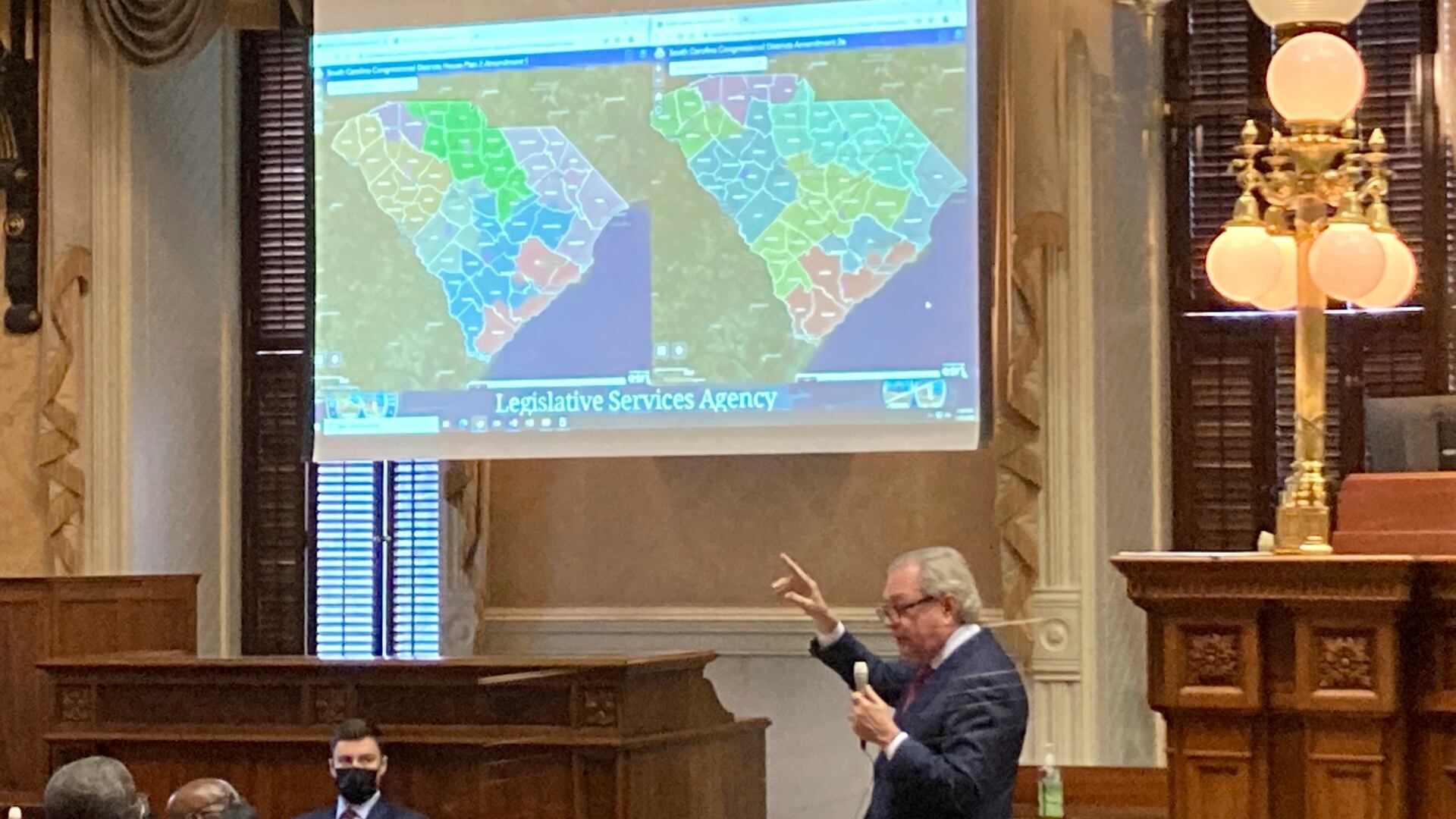
Across the country, states are working to redraw their congressional lines in what is often known as gerrymandering. These news lines are expected to determine the balance of power between Democrats and Republicans within the next decade. Senior Counsel for the Brennan Center's Democracy Program, Michael Li, joined Cheddar to discuss more.
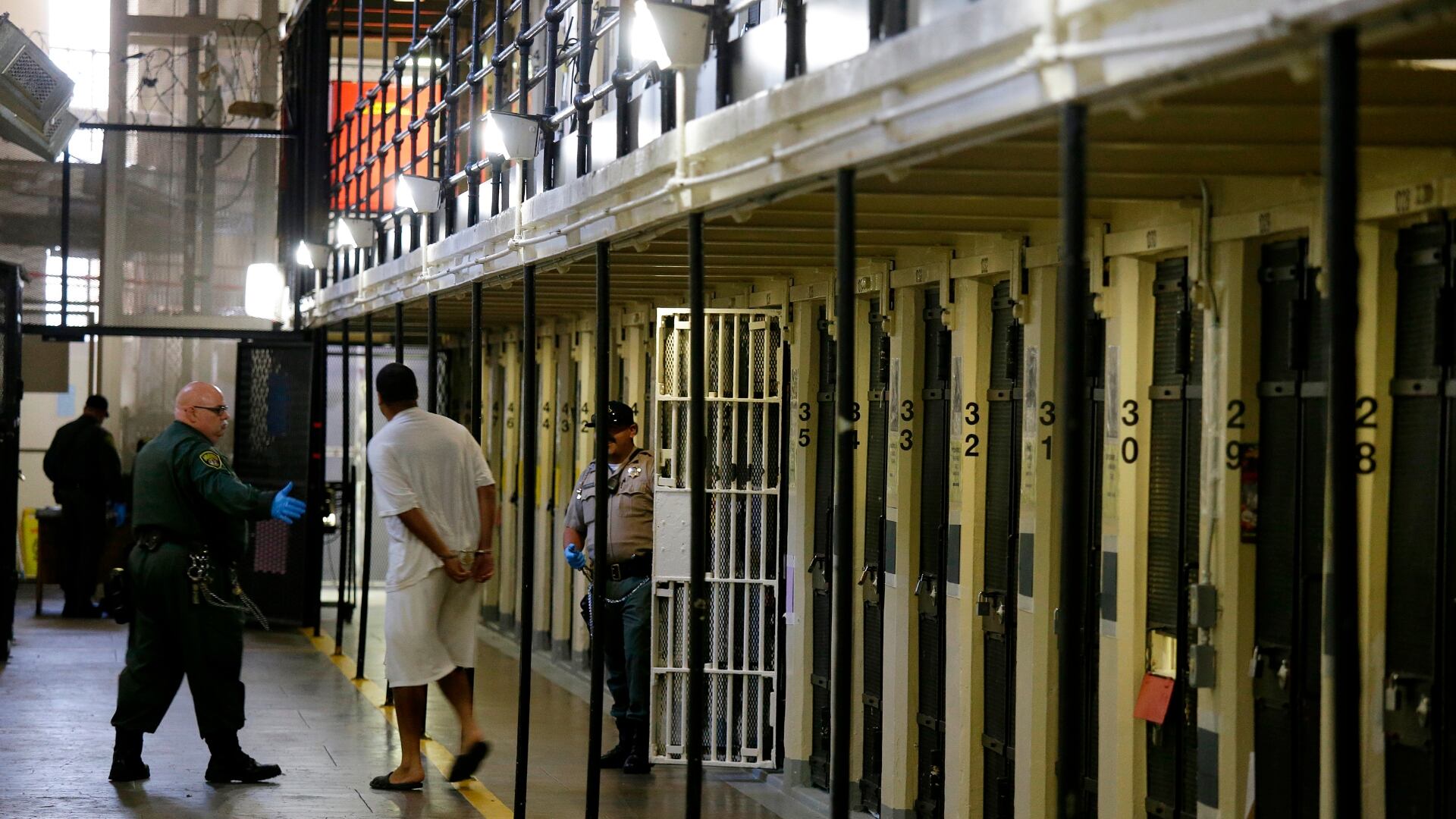
The state of California is officially planning to close its death row in the next two years. That state's governor Democrat Gavin Newsom says the plan is now to move all condemned inmates to other prisons and turn it into, as he calls it, a positive healing environment. Former U. S. Assistant Attorney and Legal Analyst, David Katz, joined Cheddar to discuss more.
Anthony Saccaro, Founder and President of Providence Financial, joins Cheddar News' Closing Bell, where he elaborates on why he is excited that the market is beginning to rebound and believes February has the potential to be a good month after a turbulent January.
Cryptocurrency is expected to become a part of our daily lives — but what sort of environmental impact does it have? As the U.S. becomes the crypto mining capital of the world, climate advocates are worried about mining companies reopening old coal plants, using massive amounts of energy, wasteful hardware, and more. Congressional Democrats led by Senator Elizabeth Warren are demanding answers from mining firms about their electricity use and waste levels. John Belizaire, CEO of Soluna Computing, joins Cheddar Climate to discuss the congressional letters, how crypto mining can become a green industry, and more.
The Supreme Court will reconsider race-based affirmative action in college admissions. The court will examine admissions policies at Harvard University and The University of North Carolina Chapel Hill, which count the race of applicants as a factor in admissions. The court has upheld affirmative action policies in the past, saying it helps to create more diverse student bodies. However, the conservative Supreme Court could be skeptical and even possibly hostile to such policies. Nick Anderson, Higher Education Writer, Washington Post joined Cheddar's Opening Bell to discuss.