Marijuana legalization is "long overdue" in New York, according to Lt. Gov. Kathy Hochul, who said the Empire State's looming budget deficit will be the decisive factor in this year's legalization push.
"We need the money," she told Cheddar Friday. "People who were reluctant before didn't join us in promoting this. Now, all of a sudden, you're saying, 'Well, I guess because of COVID, with a $15 billion budget deficit, we need to find money anywhere we can.'"
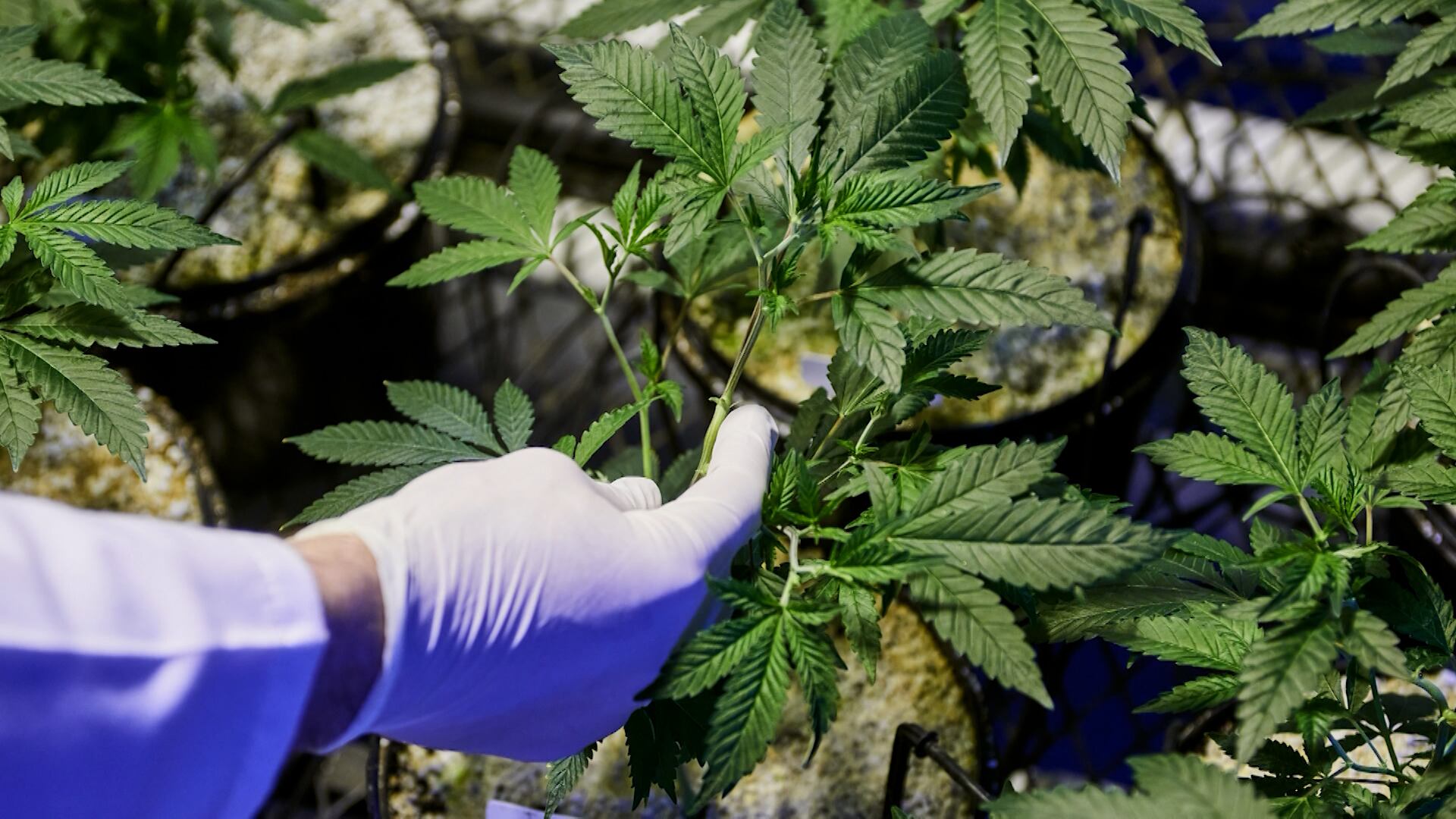
In advance of his annual State of the State address, New York Governor Andrew Cuomo proposed passing cannabis legalization through the state budget for the third year running. His plan proposes establishing an "Office of Cannabis Management" to oversee the new adult-use industry, as well as the existing medical and hemp industries. The governor would have the power to select the five members for the office's board. The bill requires licenses for cannabis cultivation, processing, distribution and sale, and proposes wholesales taxes as well as a 10.25 percent sales tax. Localities are also permitted to levy taxes, according to CannabisWire. When fully up and running, Cuomo anticipates the industry will generate $300 million in tax revenue — a much needed reprieve for a state devastated by the coronavirus pandemic.
The pandemic and subsequent lockdowns have taken a serious toll on state coffers nationwide. New York alone is facing an estimated $15 billion shortfall that cannabis tax revenue would barely dent. Experts, like Adam Levin, principal associate at The Pew Charitable Trusts, caution authorities not to lean too heavily on projected cannabis tax revenue, which can be hard to forecast and unreliable until the market matures.
"When policymakers are thinking about budgeting [cannabis] revenue, the number one takeaway is that they should just be cautious with this money," he told Cheddar.
But for authorities, any bit helps.
"Anticipating bringing in about $300 million will help our budget somewhat — not enough — but it'll be a start," Hochul said.
Some of that projected revenue has been earmarked for reinvestment in communities harmed by the war on drugs and for equity. The governor's budget proposal allocates $100 million across the first four years of the program and $50 million every year thereafter toward a cannabis social equity fund.
"In terms of where the money is going to go, the $100 million, we will be listening to those communities themselves," she said. "What programs are out there for young people to get them into job training when they're college age or right after college [or] if they don't go to college."
The bill also proposes the creation of a "robust social and economic equity program" that seeks to reduce barriers to entry for the industry by offering entrepreneurs from communities especially harmed by cannabis criminalization priority for license applications, reduced fees, low or no interest loans, and small business development assistance, among other things.
"[We] want to make sure that communities of color will understand exactly what's involved in applying for these licenses as soon as they're available," Hochul explained.
In past years, tax revenue allocation has been a key sticking point among advocates and lawmakers like Assemblywoman Crystal Peoples-Stokes, whose push for social justice-focused cannabis legalization long predates Cuomo's. In the past, Cuomo's plans emphasized the importance of equity but failed to actually commit funds, according to NORML. Allocating a portion of yearly tax revenue toward equity could help win support for the plan.
Cannabis criminalization policies have disproportionately impacted low income communities and communities of color in the decades since the U.S. adopted tough on crime and drugs laws. Even today, in spite of increased cannabis decriminalization and legalization, disparities remain.
Nationwide, Black Americans are almost four times as likely to be arrested for cannabis possession than white Americans despite comparable rates of use, according to the ACLU. In New York City, disparities are even worse. In spite of dramatic drops in the number of overall cannabis arrests due to decriminalization and changing NYPD policy, 93 percent of people arrested for cannabis possession in the first three quarters of 2020 were Black or Hispanic, according to NYPD data.
"We've had an unjust system for so long, so we're really excited about getting this passed as part of the budget," Hochul said.
"Once we do, we'll join the other states that are finally enlightened enough to realize that this should be legalized," she added.