Crypto enthusiasts, beware!
The digital assets shouldn’t be used as a “get rich quick” scheme, according to LitePay CEO Kenneth Asare. They’re also not meant to replace traditional currencies or investments like stocks.
What blockchain technology is, though, is the “internet of money”. Asare compares it to the 1990s, when internet systems were being built.
“This is the very beginning of a new way of sharing and transferring value,” he told Cheddar Tuesday. “This is the first part of a very long road that goes from 300 million people being able to be banked to everybody with a cell phone being able to be banked, which is literally 5 billion people today.”
Asare’s comments come days before cryptocurrency Litecoin is set to roll out its payment processor LitePay to 41 countries. The service target individuals who are “unbanked” but who have access to a cellular device. The new system can ease volatility in the market by automatically converting crypto into local fiat currency.
But Asare points out that current volatility shouldn’t make players in the market nervous, since cryptocurrency, like the internet two decades ago, is still in its early stages and may need some time to iron out fluctuations.
“This would be like in 1990 talking about how the early internet companies were or were not working,” he said. “They were onto something, and now we can look back and see that we have all of these products that have been built on top of it.”
For full interview, [click here](https://cheddar.com/videos/the-internet-of-money-and-future-of-crypto-commerce).
The Seattle-based company said its first-quarter profit more than tripled from a year ago, fueled by the growth of online shopping.
Cheddar's Michelle Castillo investigates the proliferation of counterfeit goods on e-commerce marketplace sites like Amazon and Alibaba.
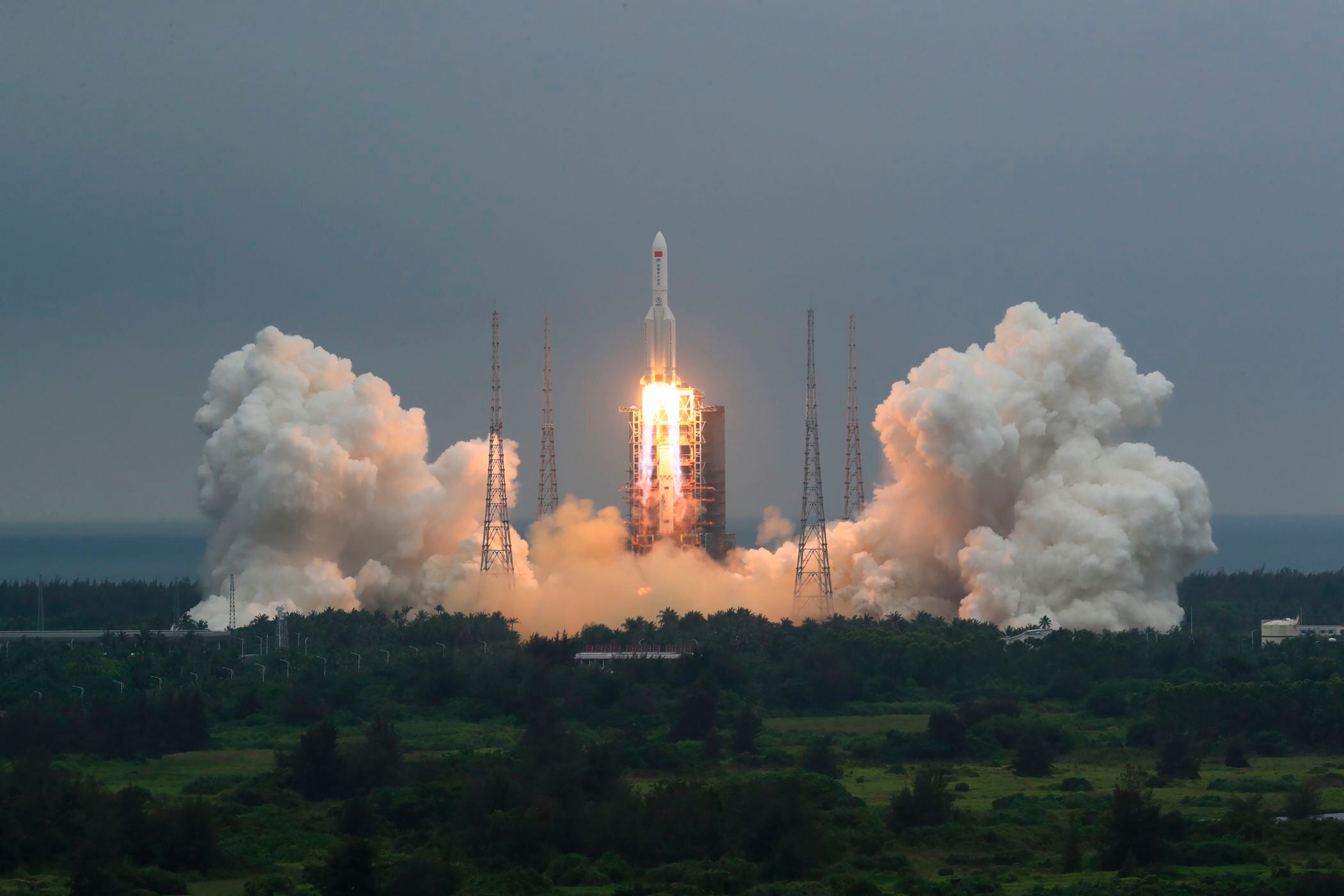
China has launched the main module of its first permanent space station that will host astronauts long term.
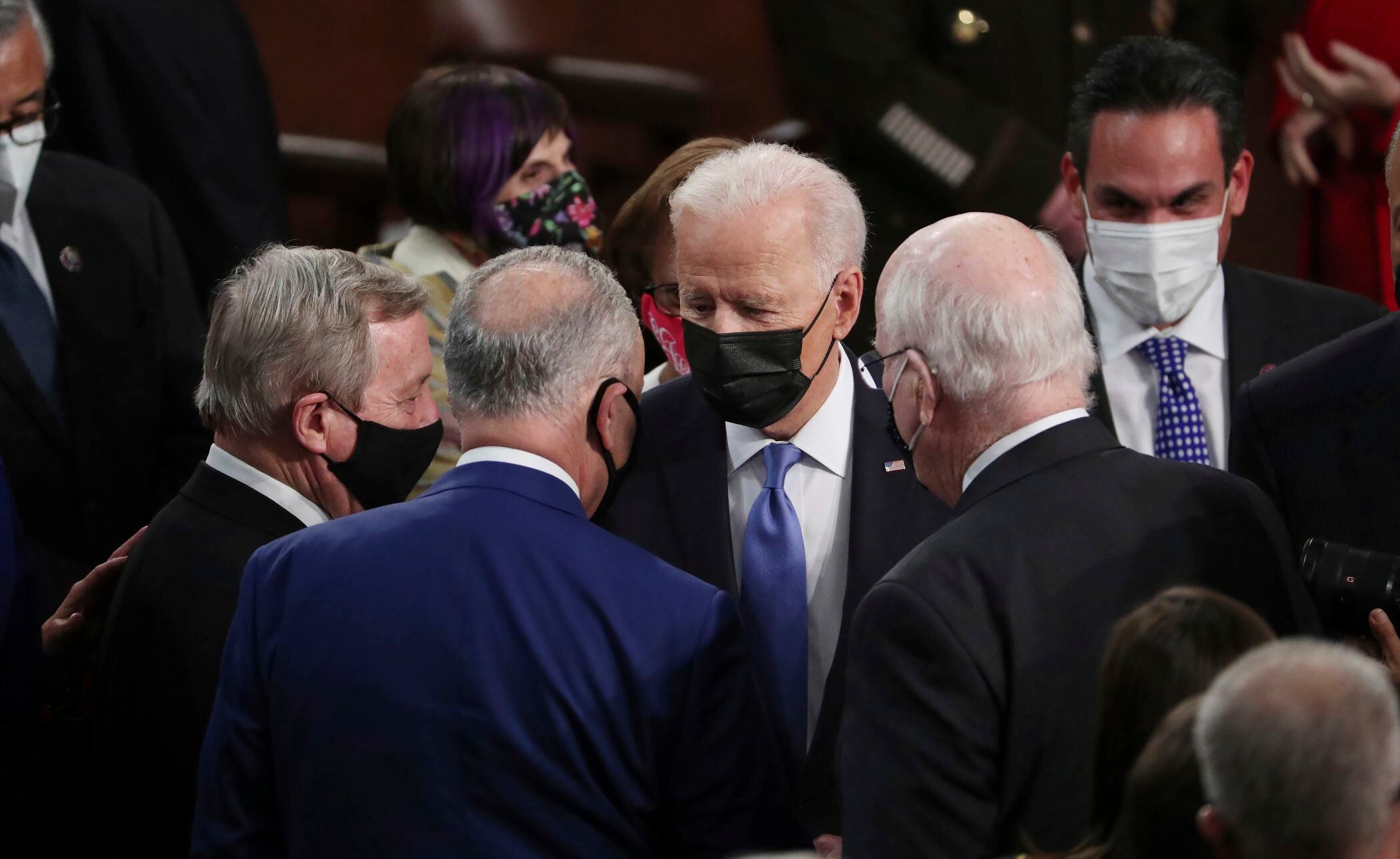
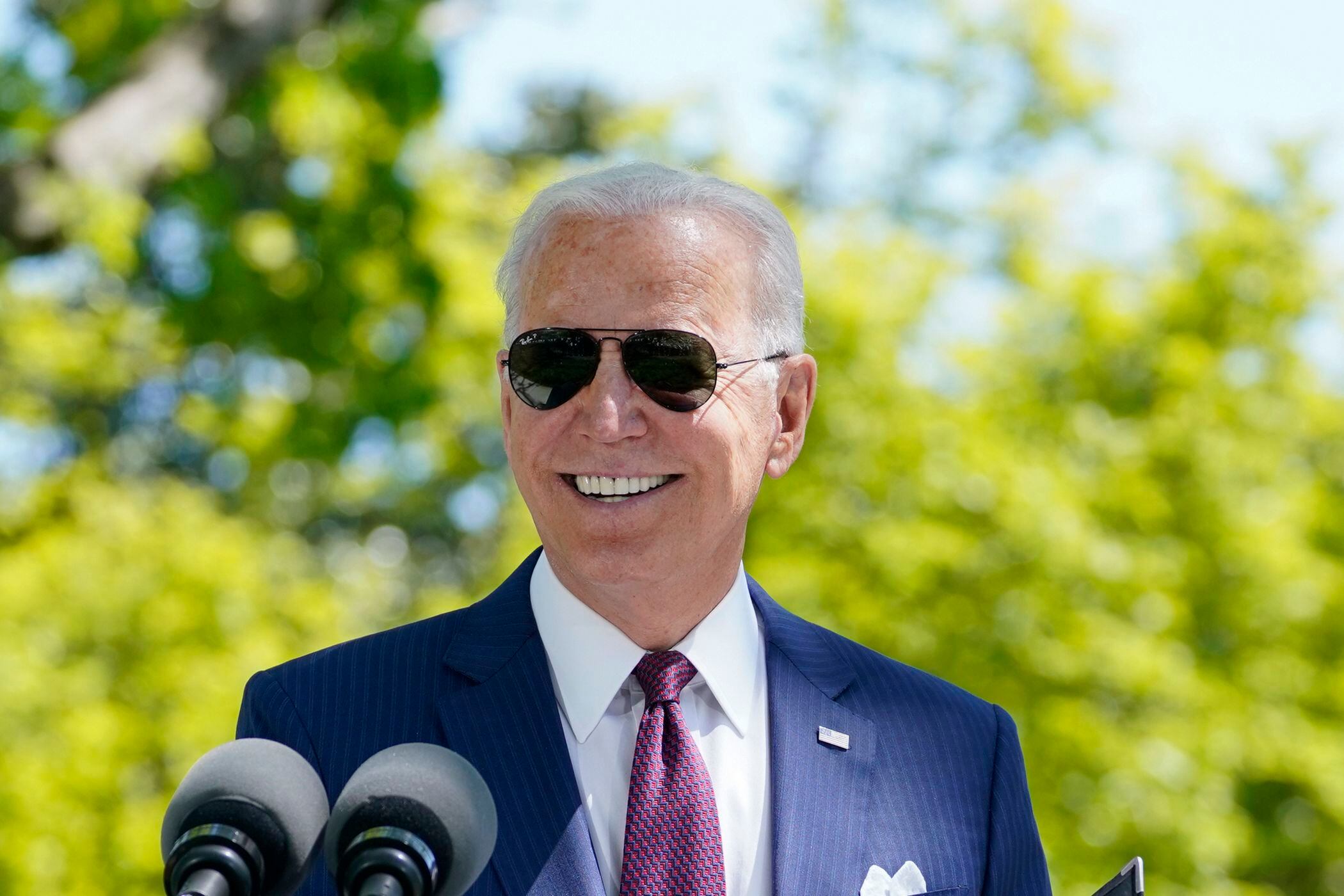
The headlines from President Biden's first speech to Congress, plus why he's got reason to be sounding optimistic about the state of the pandemic. And would you let a Walmart worker stock your fridge?
Google's director of product management, ads privacy and trust David Temkin talked to Cheddar's Michelle Castillo about the changing landscape of digital advertising.
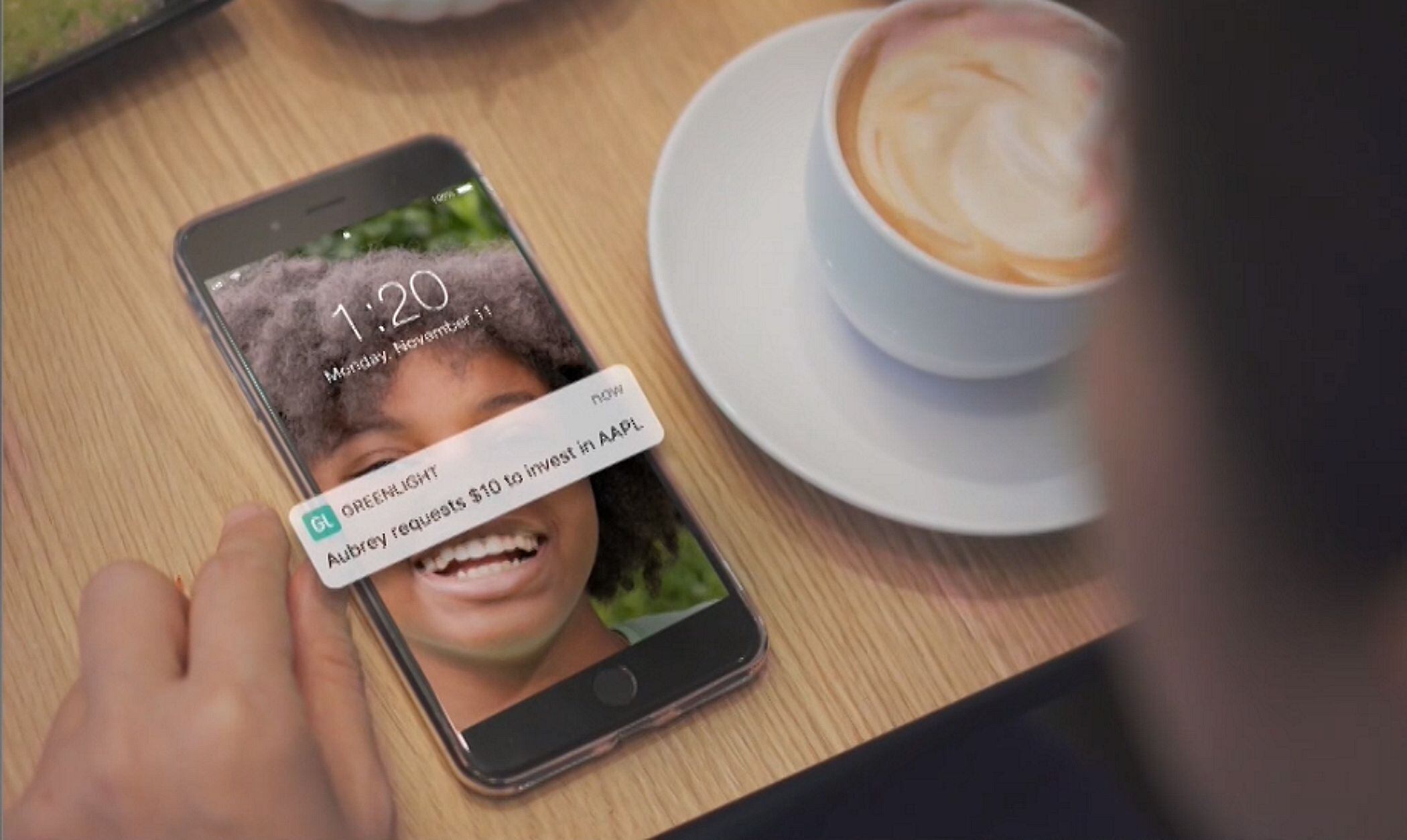
Tim Sheehan, co-founder and CEO of Greenlight, explains how the company looks to teach financial knowledge to children following its $260 million Series D fundraise.
Virgin Hyperloop CEO and co-founder Josh Giegel spoke to Cheddar about the hopes for the high-speed rail tech to help tackle the climate crisis.
Jill and Carlo discuss the CDC's updated mask guidance, a deeper dive into the catastrophe in India, what POTUS will pitch to Congress, and the biggest public health breakthrough of the decade that you haven't heard about.
Boeing is posting another loss as the pandemic continues to undercut demand for new planes and the company deals with more problems around its 737 Max jetliner.
Tom Pickett, chief revenue officer for DoorDash, spoke to Cheddar about the delivery apps changes to its fee pricing schedule for its restaurant partners.