LitePay CEO Says We Might Be Thinking About Crypto All Wrong
Crypto enthusiasts, beware!
The digital assets shouldn’t be used as a “get rich quick” scheme, according to LitePay CEO Kenneth Asare. They’re also not meant to replace traditional currencies or investments like stocks.
What blockchain technology is, though, is the “internet of money”. Asare compares it to the 1990s, when internet systems were being built.
“This is the very beginning of a new way of sharing and transferring value,” he told Cheddar Tuesday. “This is the first part of a very long road that goes from 300 million people being able to be banked to everybody with a cell phone being able to be banked, which is literally 5 billion people today.”
Asare’s comments come days before cryptocurrency Litecoin is set to roll out its payment processor LitePay to 41 countries. The service target individuals who are “unbanked” but who have access to a cellular device. The new system can ease volatility in the market by automatically converting crypto into local fiat currency.
But Asare points out that current volatility shouldn’t make players in the market nervous, since cryptocurrency, like the internet two decades ago, is still in its early stages and may need some time to iron out fluctuations.
“This would be like in 1990 talking about how the early internet companies were or were not working,” he said. “They were onto something, and now we can look back and see that we have all of these products that have been built on top of it.”
For full interview, [click here](https://cheddar.com/videos/the-internet-of-money-and-future-of-crypto-commerce).
The future of entertainment is interactive, according to the creators of the Fireside app. Mark Cuban and Falon Fatemi say that more and more, audience members will want to be part of the live content they are watching, and Fireside helps content creators do just that. They can create a live audience Q&A, facilitate a discussion, and more, all with the click of a button in the app. Creators also have full control of how they distribute and monetize each piece of content they create. Fatemi, CEO & Co-Founder of Fireside, joins Cheddar to discuss the app's interactive content features, what users and creators can get out of the app, plans for NFT and other virtual products, and more.
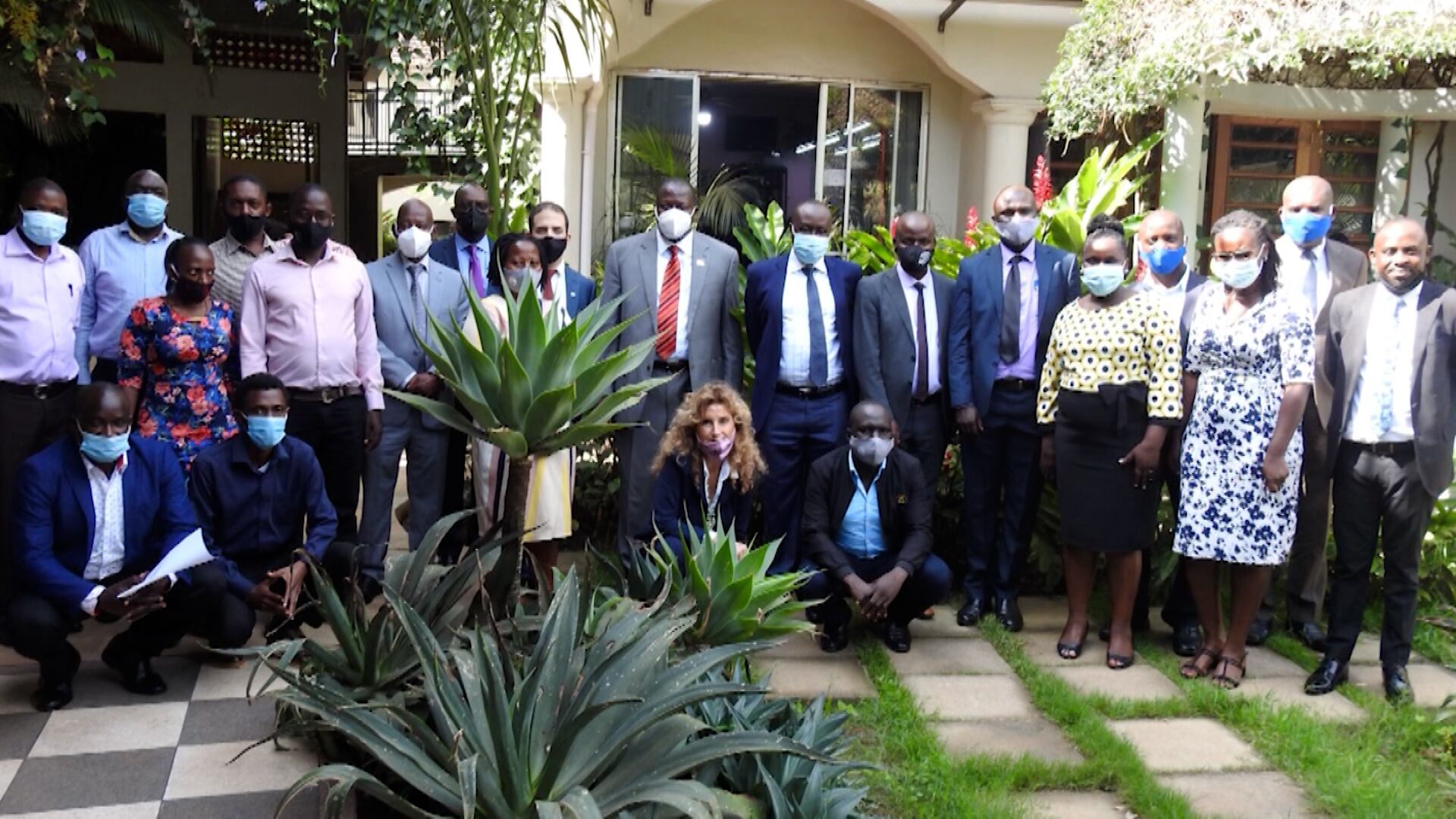
Predicting the weather is always a tall task, but it's even more difficult in third-world countries. Atmo is looking to make it easier for the world to forecast the weather with its game-changing Supercomputer. Atmo's CEO Alexander Levy and VP of Government Relations Anna Prouse joined Cheddar News' Closing Bell to talk all about the company's supercomputer and its impact in Uganda.
Tim Davis, Partner and Executive Managing Director at Steward Partners, joins Cheddar News' Closing Bell, where he discusses what activity we could expect to see from the crypto market this week as the Fed decision approaches, the prices of Bitcoin and Ether struggle to find a spark, and the industry continues to digest President Biden's executive order on crypto.
Mission-driven fintech company Propel raised $50 million in a Series B round led by Nyca Partners. Propel's mission is to help low-income Americans improve their financial health. The company's free app is called Providers, designed as a one-stop-shop for Americans to manage government benefits and other income side-by-side. Jimmy Chen, founder and CEO of Propel, joins Cheddar News' Closing Bell to discuss.
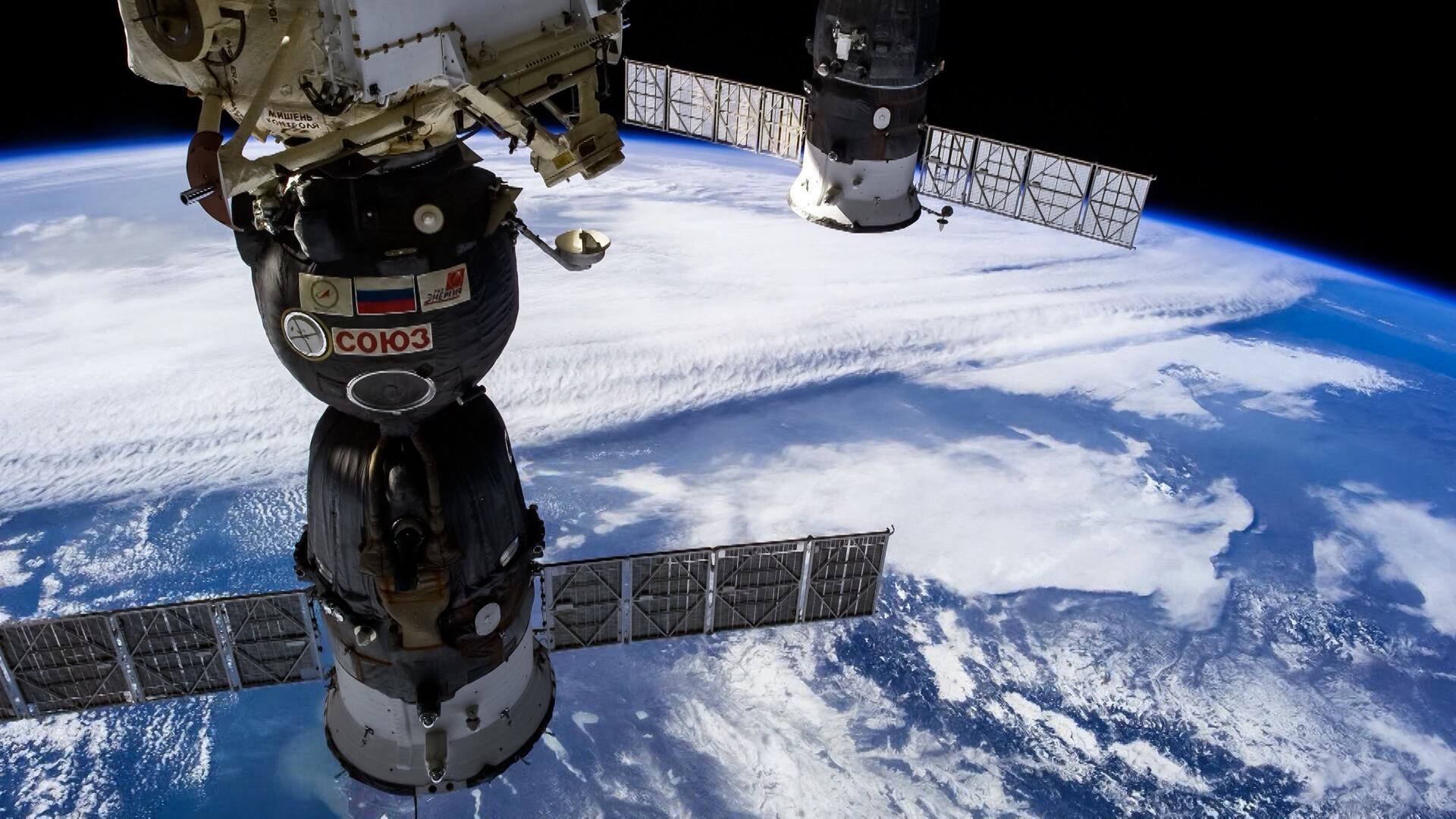
Slingshot Aerospace, a company focused on the future of space sustainability, raised $25 million in its latest Series A funding round. The company's projects will allow commercial, government, and civil satellite operators to share traffic information. Slingshot Aerospace's co-founder and CEO Melanie Stricklan joined Cheddar News' Closing Bell to talk about the up-and-coming company.
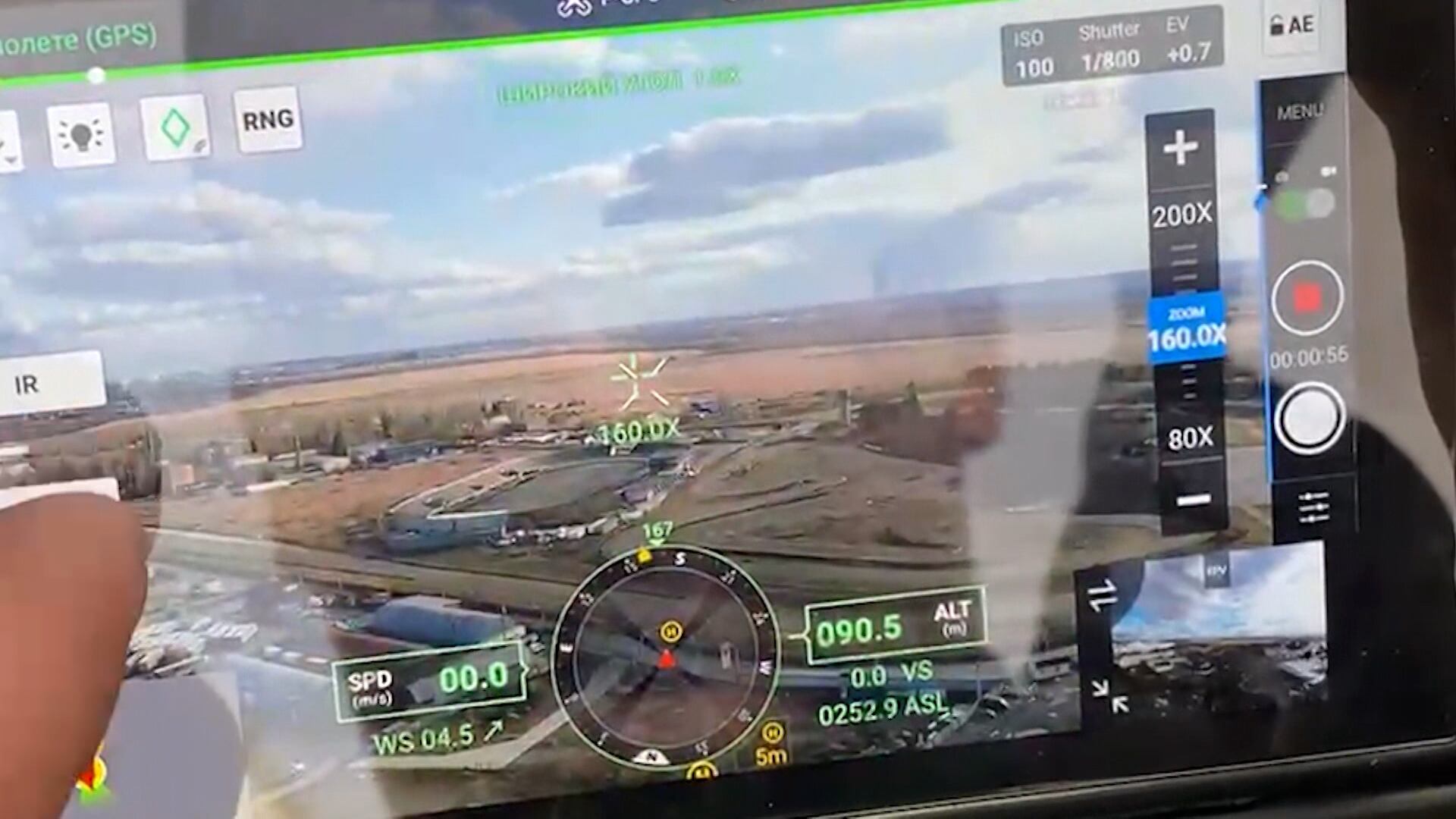
A Ukrainian drone company is using its technology to help defend its home nation during the ongoing war with Russia. Valerii Iakovenko, co-founder and CEO of DroneUA, joined Cheddar News to discuss its efforts to help against the invasion. "These drones can be used to do strikes more precise and even cheap drones, even simple technologies can help to make a defensive possibilities more precise," he said.