LitePay CEO Says We Might Be Thinking About Crypto All Wrong
Crypto enthusiasts, beware!
The digital assets shouldn’t be used as a “get rich quick” scheme, according to LitePay CEO Kenneth Asare. They’re also not meant to replace traditional currencies or investments like stocks.
What blockchain technology is, though, is the “internet of money”. Asare compares it to the 1990s, when internet systems were being built.
“This is the very beginning of a new way of sharing and transferring value,” he told Cheddar Tuesday. “This is the first part of a very long road that goes from 300 million people being able to be banked to everybody with a cell phone being able to be banked, which is literally 5 billion people today.”
Asare’s comments come days before cryptocurrency Litecoin is set to roll out its payment processor LitePay to 41 countries. The service target individuals who are “unbanked” but who have access to a cellular device. The new system can ease volatility in the market by automatically converting crypto into local fiat currency.
But Asare points out that current volatility shouldn’t make players in the market nervous, since cryptocurrency, like the internet two decades ago, is still in its early stages and may need some time to iron out fluctuations.
“This would be like in 1990 talking about how the early internet companies were or were not working,” he said. “They were onto something, and now we can look back and see that we have all of these products that have been built on top of it.”
For full interview, [click here](https://cheddar.com/videos/the-internet-of-money-and-future-of-crypto-commerce).
Bentley aims to become end-to-end carbon neutral by 2030. The luxury car brand has outlined steps to achieve this goal, including switching its entire model range to plug-in hybrid or battery electric vehicles by 2026 and become fully electric by 2030. Christophe Georges, president & CEO of Bentley Americas, joined Cheddar to discuss this new pledge and what consumers can expect from future models.
ORIGYN Foundation, an NFT authentication start-up based in Switzerland, has secured $20 million in funding from investors like Paris Hilton, Bill Ackman, and Polychain Capital, among others. The non-profit, now valued at $300 million, uses AI technology to verify non-fungible tokens across art, collectibles, digital media and luxury goods. Daniel Haudenschild, CEO of ORIGYN Entreprise, discusses how the money will help put power back into the hands of artists, creators, and collectors.
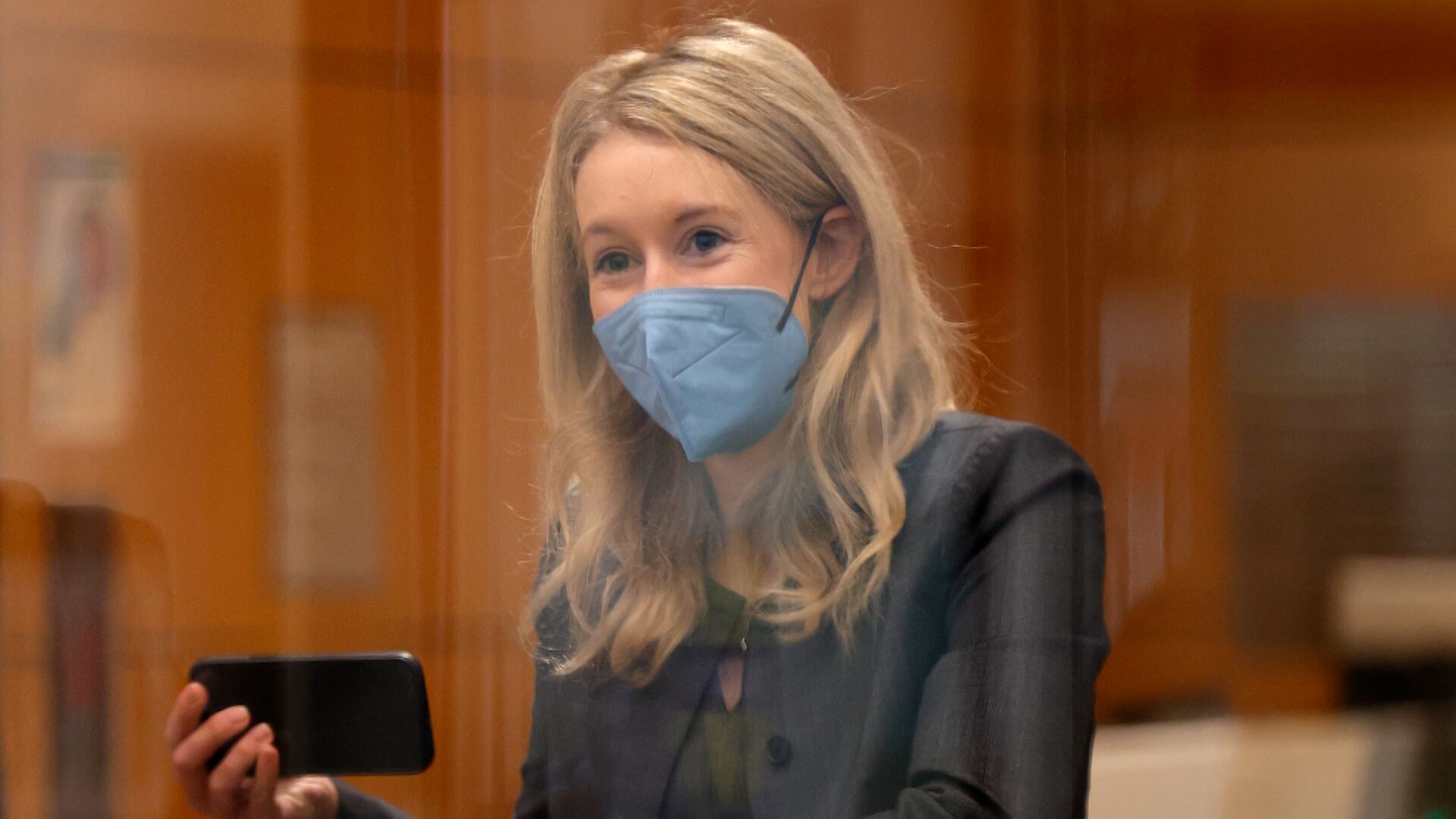
Michael S. Weinstein, chair of the white collar criminal defense practice at Cole Schotz, joined "Wake Up With Cheddar" to break down the defense's strategy to put Elizabeth Holmes on the stand in the former Theranos CEO's criminal fraud trial. "She's humanizing herself, and she's certainly coming off as they would want her to," he said. "I think what really is going to be interesting and really where the rubber meets the road is when the cross-examination commences, and they're able to pick apart her story and contrast what she's currently saying to what she previously said on multiple occasions in the last five to seven years."
Jill and Carlo are a bit delayed today on account of Carlo's internet not working. Better late than never, they discuss what we know about the suspect in the Christmas parade crash, closing arguments in the Arbery killing trial, and more.
A group of crypto enthusiasts pooled over $40 million dollars in an attempt to win a copy of the U.S. Constitution last week. However, their efforts came up short, as hedge fund billionaire Ken Griffin emerged as the victor in a $43.2 million Sotheby's auction. Matt Cutler, CEO & Co-Founder of Blocknative, joins Cheddar News' Closing Bell, where he explains why ConstitutionDAO ultimately came up short.