LitePay CEO Says We Might Be Thinking About Crypto All Wrong
Crypto enthusiasts, beware!
The digital assets shouldn’t be used as a “get rich quick” scheme, according to LitePay CEO Kenneth Asare. They’re also not meant to replace traditional currencies or investments like stocks.
What blockchain technology is, though, is the “internet of money”. Asare compares it to the 1990s, when internet systems were being built.
“This is the very beginning of a new way of sharing and transferring value,” he told Cheddar Tuesday. “This is the first part of a very long road that goes from 300 million people being able to be banked to everybody with a cell phone being able to be banked, which is literally 5 billion people today.”
Asare’s comments come days before cryptocurrency Litecoin is set to roll out its payment processor LitePay to 41 countries. The service target individuals who are “unbanked” but who have access to a cellular device. The new system can ease volatility in the market by automatically converting crypto into local fiat currency.
But Asare points out that current volatility shouldn’t make players in the market nervous, since cryptocurrency, like the internet two decades ago, is still in its early stages and may need some time to iron out fluctuations.
“This would be like in 1990 talking about how the early internet companies were or were not working,” he said. “They were onto something, and now we can look back and see that we have all of these products that have been built on top of it.”
For full interview, [click here](https://cheddar.com/videos/the-internet-of-money-and-future-of-crypto-commerce).
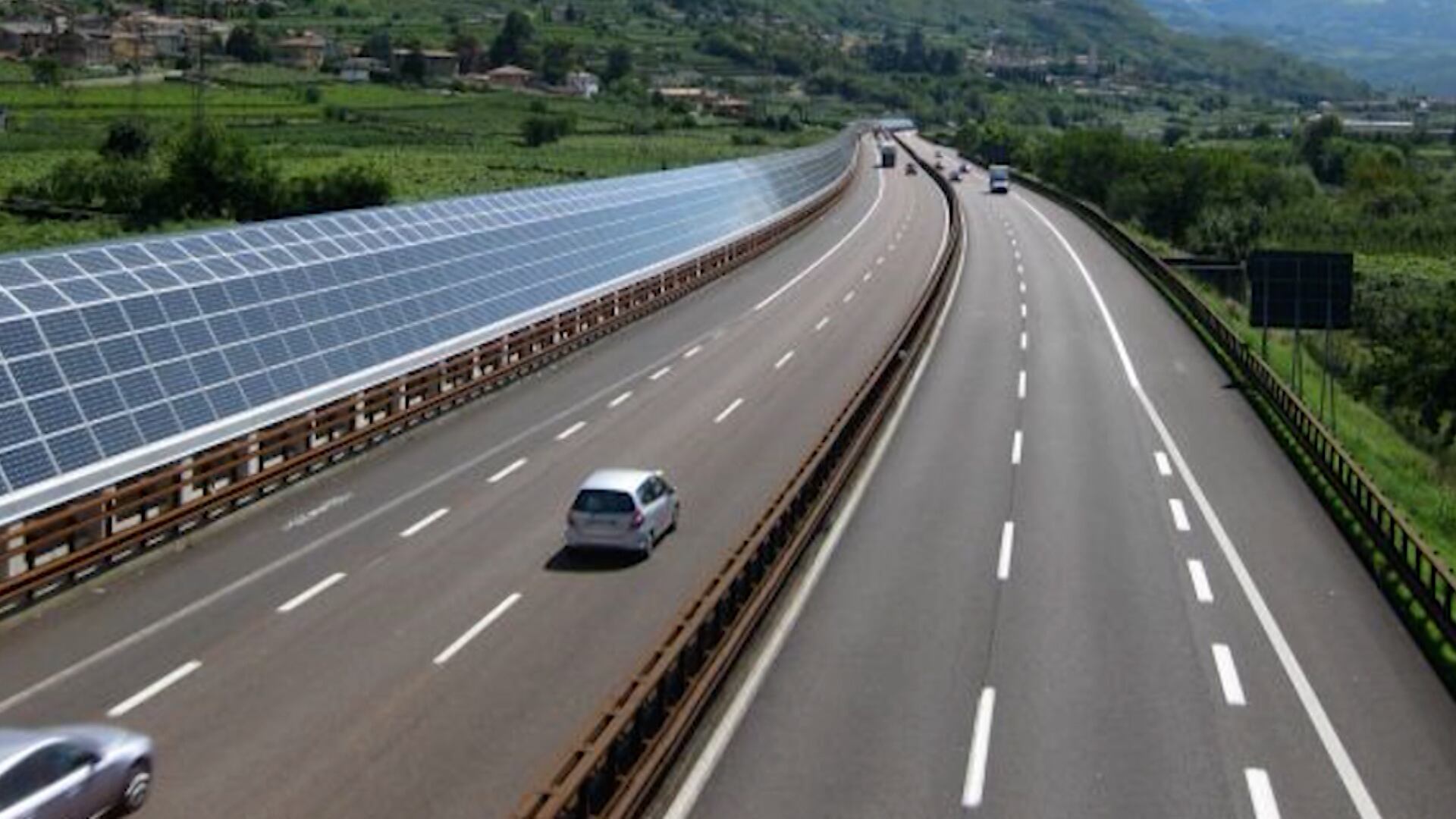
Donald Pettey, Program Manager for Strategic Initiatives for MassDOT, and Mohammed Siddiqui, Vice President of Public Relations at Ko-Solar, join Cheddar Climate, where they discuss their plan to test highway barriers that absorb sound and solar energy, with construction expected to begin in the first half of 2022.
President Joe Biden's "Build Back Better" bill could mean cheaper electric bicycles and scooters as the nation attempts to shift away from gas-powered cars. Noa Banayan, the director of federal affairs at PeopleForBikes, joined Cheddar's "Closing Bell" to provide some background on the E-Bike Act included in Biden's reconciliation bill that would provide tax credits for qualified purchases. "We want to make sure, from the bike industry's perspective, that this is a technology and a product that is available to the majority of Americans who want to lower their carbon footprint and get around town faster and do everything that they would normally do in a short car trip but by bike, because it's healthier, it's fast, it's efficient, you're not in traffic," she said.
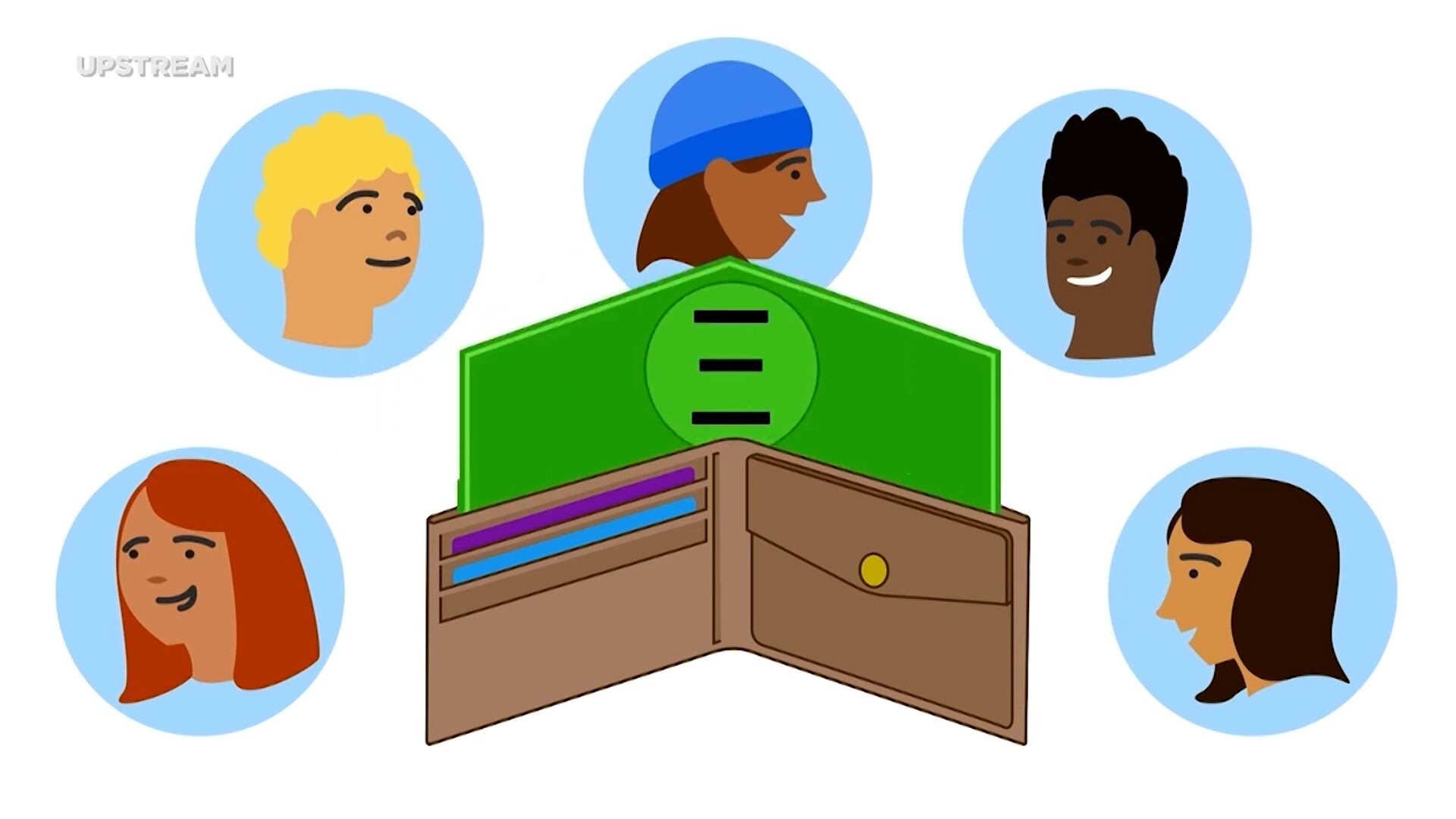
It's being called the next big trend in crypto. A decentralized autonomous organization, or DAO, is an internet community of different types of groups and businesses. The purpose is to allow people to commit funds to a specific cause in a safe way. Now, one social platform is creating a do-it-yourself kit for those who want to step into the space. Upstream Collective just launched the beta mode of its platform with the goal of putting all facets of running a DAO in one place. Alex Taub, co-founder and CEO of Upstream, joins Cheddar News to discuss.
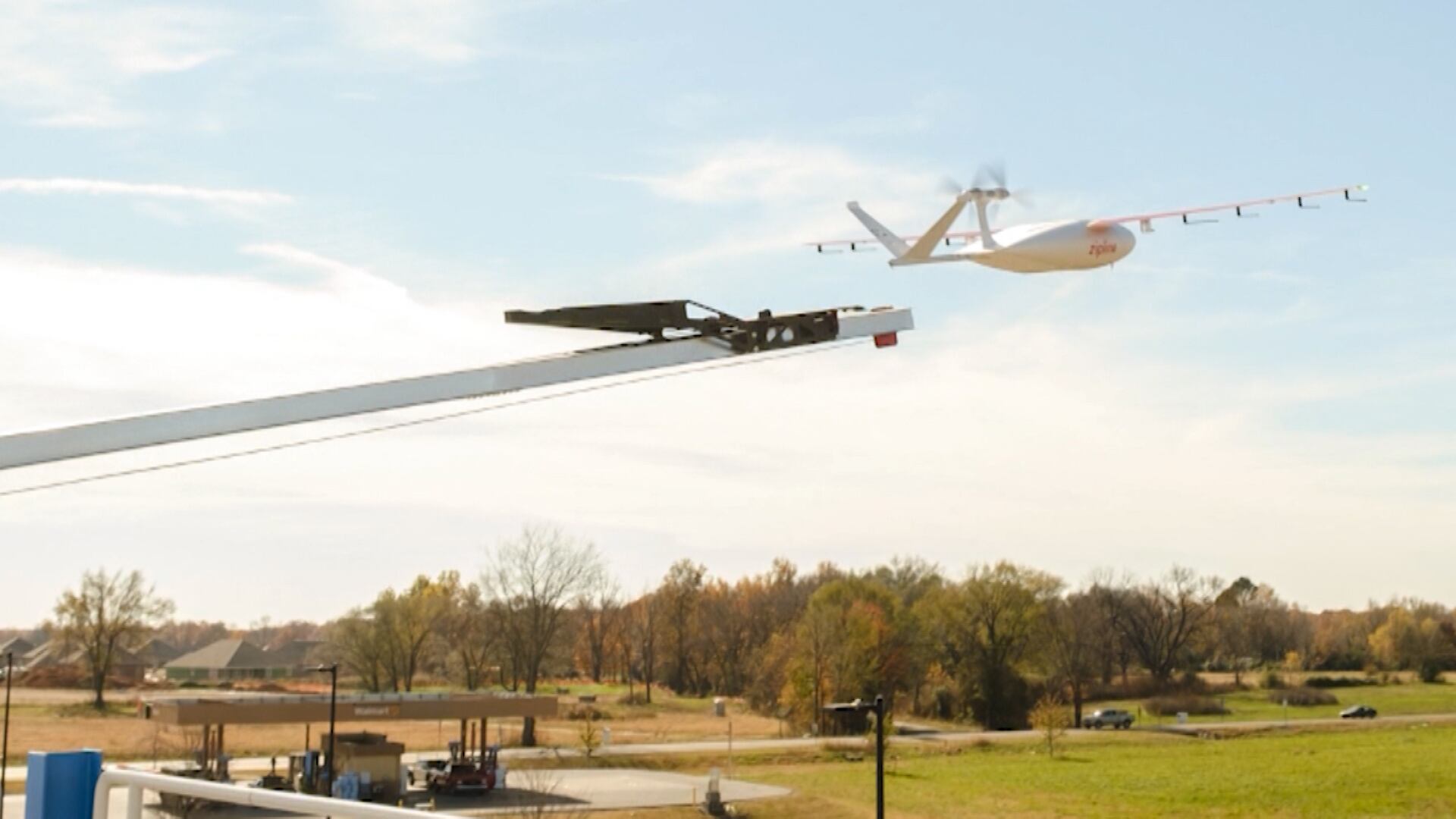
Walmart and Zipline have teamed up to launch a drone delivery service in Pea Ridge, Arkansas. The service delivers products to customers within a 50-mile radius of the store. Liam O'Connor, COO of Zipline, joins Cheddar News to talk more about the partnership.
A NASA spacecraft that will deliberately crash into an asteroid is preparing to launch this week. The goal of the DART mission, or the Double Asteroid Redirection Test, is to hit the smaller of the two asteroids, Dimorphos, with the spacecraft at about 15,000 miles per hour and see how the impact changes the asteroid’s trajectory. Joey Roulette, space reporter at The New York Times, joins Cheddar News to talk more about it.
On this episode of Cheddar Reveals, Yair Nechmad, Nayax CEO, discusses the future of cashless payments, and how cashless payments give retailers a competitive edge and allow merchants to scale business; Jason Thomas, Global CEO of Tappit, breaks down how the pandemic accelerated the transition to cash-free live events, and why that trend is here to stay; Cheddar gets a look at Curiosity Steam's 'Blockchain Revolution.'
Not long ago, banning cash at a large public event would have been seen as a crazy idea that would deter sales. But our cash-free future is getting closer with the use of contactless payments being implemented in sports venues, music festivals, concerts, and more. Jason Thomas, Global CEO of Tappit, joins Cheddar Reveals to break down how the pandemic accelerated the transition to cash-free live events, and why that trend is here to stay.
Yair Nechmad, Nayax CEO, joins Cheddar Reveals to discuss the future of cashless payments, and how cashless payments give retailers a competitive edge and allow merchants to scale business.