LitePay CEO Says We Might Be Thinking About Crypto All Wrong
Crypto enthusiasts, beware!
The digital assets shouldn’t be used as a “get rich quick” scheme, according to LitePay CEO Kenneth Asare. They’re also not meant to replace traditional currencies or investments like stocks.
What blockchain technology is, though, is the “internet of money”. Asare compares it to the 1990s, when internet systems were being built.
“This is the very beginning of a new way of sharing and transferring value,” he told Cheddar Tuesday. “This is the first part of a very long road that goes from 300 million people being able to be banked to everybody with a cell phone being able to be banked, which is literally 5 billion people today.”
Asare’s comments come days before cryptocurrency Litecoin is set to roll out its payment processor LitePay to 41 countries. The service target individuals who are “unbanked” but who have access to a cellular device. The new system can ease volatility in the market by automatically converting crypto into local fiat currency.
But Asare points out that current volatility shouldn’t make players in the market nervous, since cryptocurrency, like the internet two decades ago, is still in its early stages and may need some time to iron out fluctuations.
“This would be like in 1990 talking about how the early internet companies were or were not working,” he said. “They were onto something, and now we can look back and see that we have all of these products that have been built on top of it.”
For full interview, [click here](https://cheddar.com/videos/the-internet-of-money-and-future-of-crypto-commerce).
From the TikTok boom to social commerce shopping to livestreaming events, social media trends took on all different shapes and sizes this year. Stephanie Humphrey, technology and lifestyle expert, joined Cheddar to discuss the biggest fads of the year, as well as what to expect for next year.
If 2021 is any indication, 2022 will be a big year for social media. TikTok reached 1 billion users this year and is expected to grow even bigger. We got our first look at the Metaverse, NFTs soared in popularity, and the crypto craze starting hitting its stride - just to name a few fads. Mark Douglas, CEO and Founder of MNTN, joined Cheddar to discuss if these trends could continue, or if we'll see some surprises in the year ahead.
2021 was a big year for big tech, but it was also a wake-up call for the government. Lawmakers are still struggling to figure out how to regulate big tech companies as they grow bigger and get even more powerful. Evan Greer, director of the digital rights organization Fight for the Future, joined Cheddar to discuss key takeaways from the year, as well as what we can expect for big tech and regulation in 2022.
Bumble users are remaining active on the dating app and still linking up with potential matches despite the emergence of the omicron variant of COVID-19. CEO Whitney Wolfe Herd noted that no matter what is happening in the world, people will always need to connect.
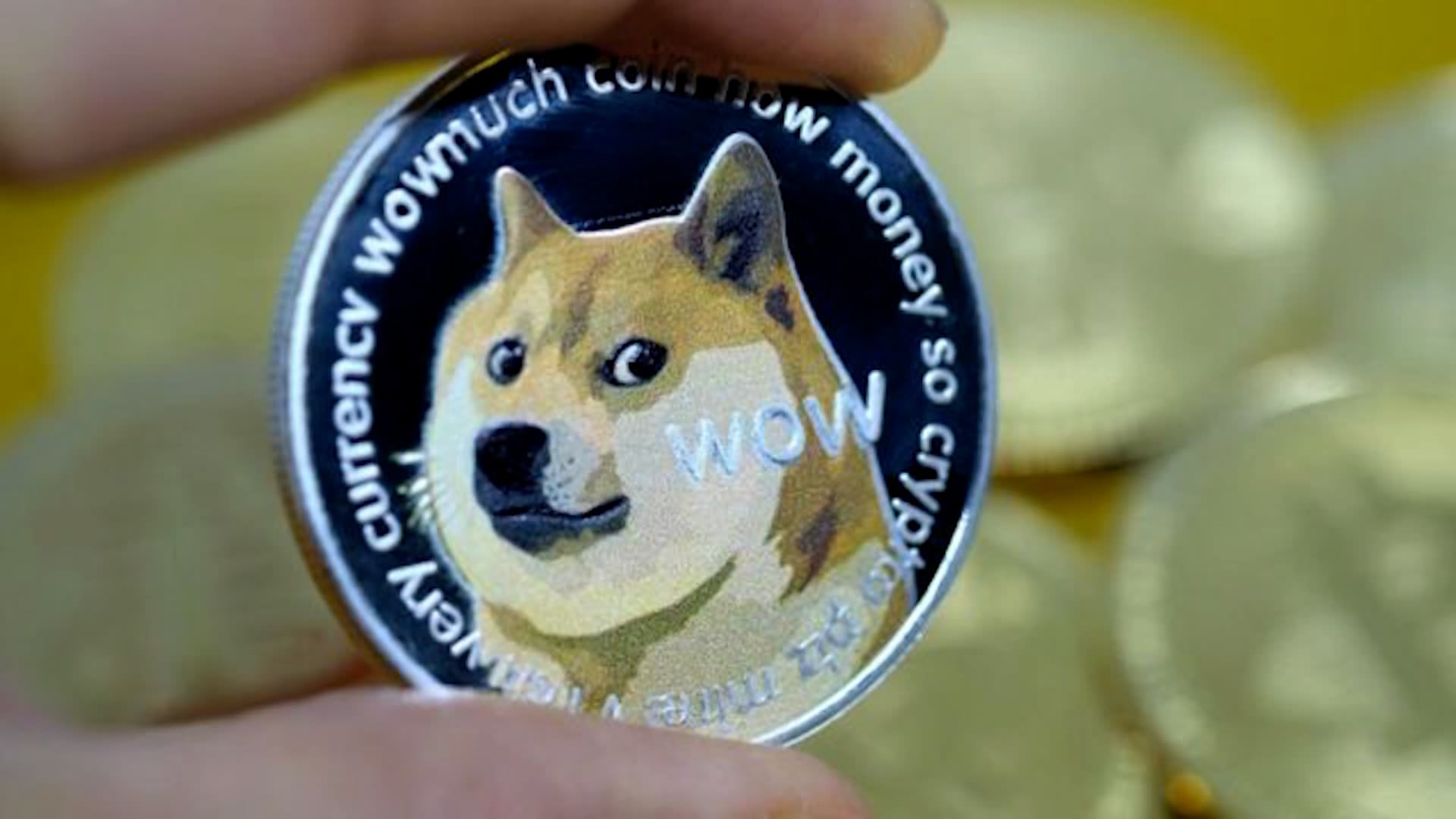
There seems to be no stopping the crypto craze, and this week has been no exception. Dogecoin surged after ‘Time Person of the Year' Elon Musk tweeted that Tesla will accept some payments in the digital token. Everett Millman, Crypto & Metals Analyst at Gainsville Coins, gives Cheddar insight into just how much influence Musk has over the crypto world.
As the world of crypto evolves, the need from investors for some type of stability within crypto is also growing. Enter stablecoins. Stablecoins serve as a crypto-equivalent which hold their value, and allow investors to quickly move their profits across currencies. Patrick McConlogue, CEO of Overline and former Citadel Investment Group engineer, explains what to expect ahead of the U.S. Senate Banking Committee’s stablecoin hearing, as regulatory tensions between the crypto market and the government continue to hover in limbo.
Carlo and Baker cover the latest data showing the Omicron wave has likely started, Pfizer's Covid pill, Jan. 6 and a box office rescue attempt courtesy of Spider-Man.