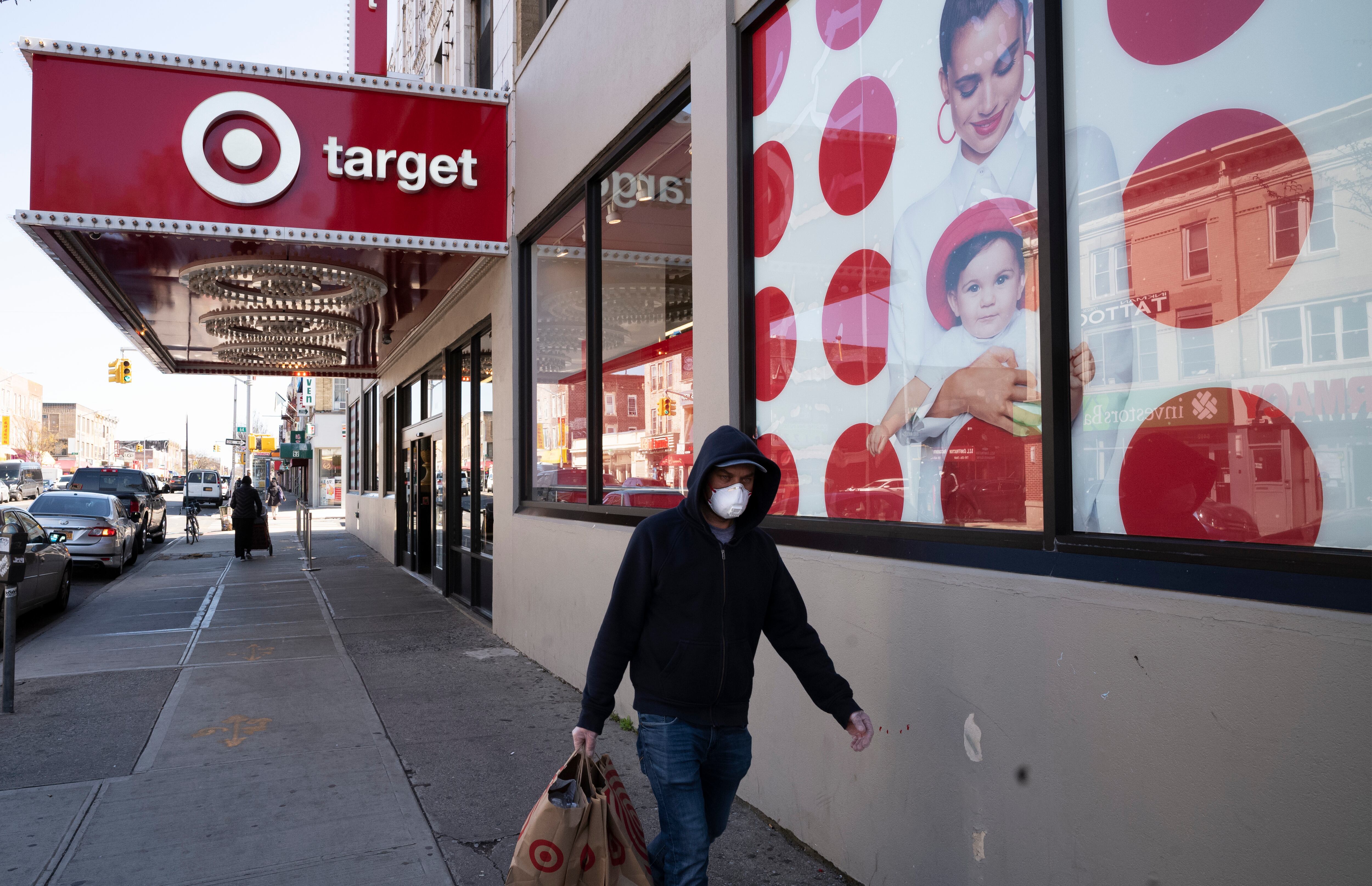
In this April 6, 2020 file photo, a customer wearing a mask carries his purchases as he leaves a Target store during the coronavirus pandemic in the Brooklyn borough of New York. Target has joined a growing list of major retailers that will require customers at all their stores to wear face coverings. The Minneapolis, Minnesota-based discounter said Thursday, July 16, that the policy will go into effect Aug. 1.(AP Photo/Mark Lennihan, File)
By Anne D'Innocenzio
Two major retailers on Thursday joined the growing list of national chains that will require customers to wear face masks regardless of where cities or states stand on the issue.
Target's mandatory face mask policy will go into effect Aug. 1, and all CVS stores will begin requiring them on Monday.
More than 80 percent of Target's 1,800 stores already require customers to wear masks due to local and state regulations. Target will hand out masks at entrances to those who need them.
The announcements come one day after the nation's largest retailer, Walmart, said that it would mandate face shields for all customers starting Monday.
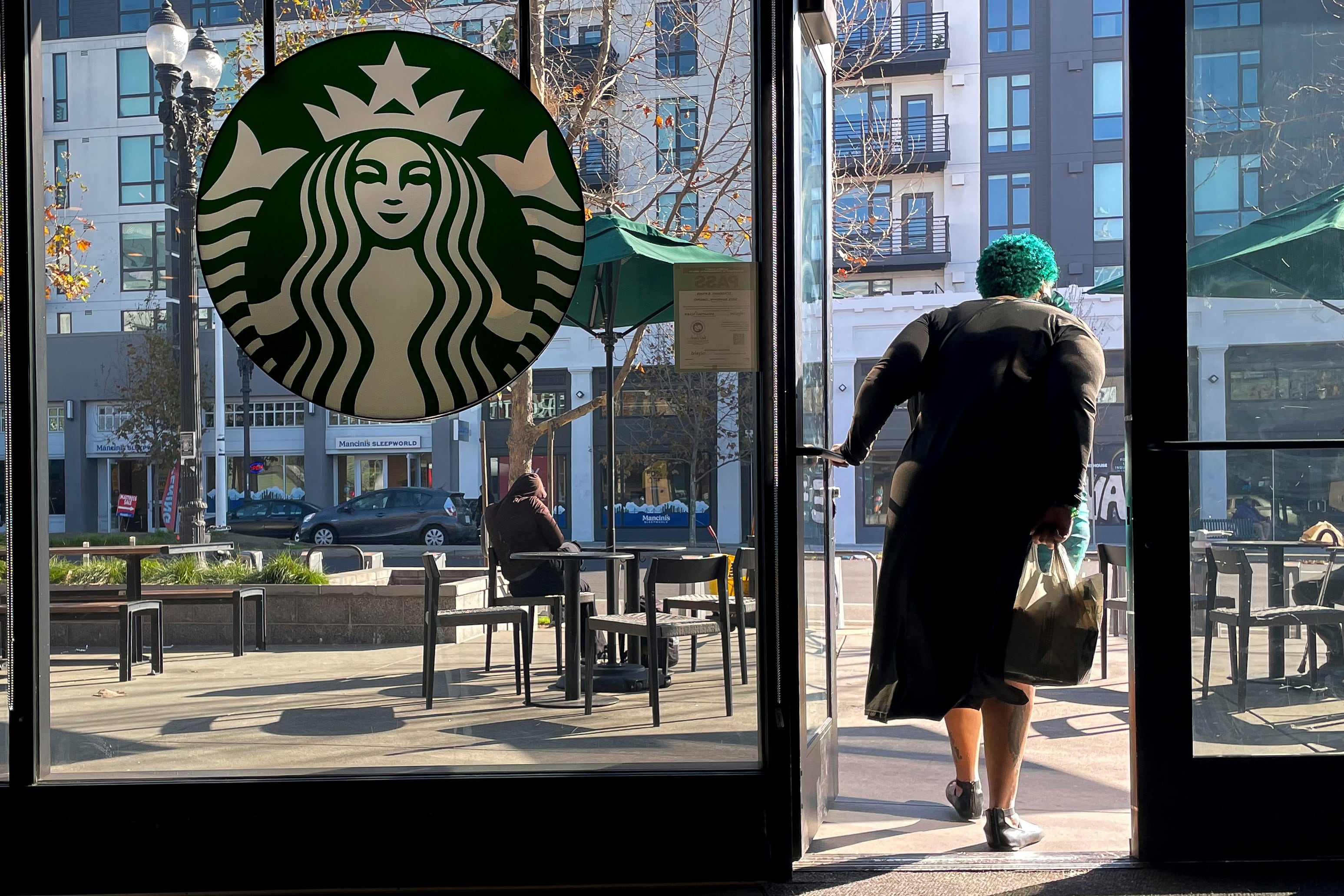
Starbucks, Best Buy, Kohl's, and Kroger Co. have also announced mandatory masks nationwide.
Retailers have hesitated to make masks mandatory nationwide out of fear of angering some customers over what, even in a pandemic, has become a political issue.
They have been reluctant to put employees in the position of becoming enforcers. Confrontations with customers and store employees have played out in multiple incidents caught on video.
It was difficult to enforce such rules even in states that mandate face masks. However, the recent surge of new virus cases — particularly in Florida, California, Texas, and Arizona — has left them with no choice, retail experts say.
"To be clear, we're not asking our store employees to play the role of enforcer, " said Jon Roberts, the chief operating officer at CVS. "What we are asking is that customers help protect themselves and those around them by listening to the experts and heeding the call to wear a face covering."
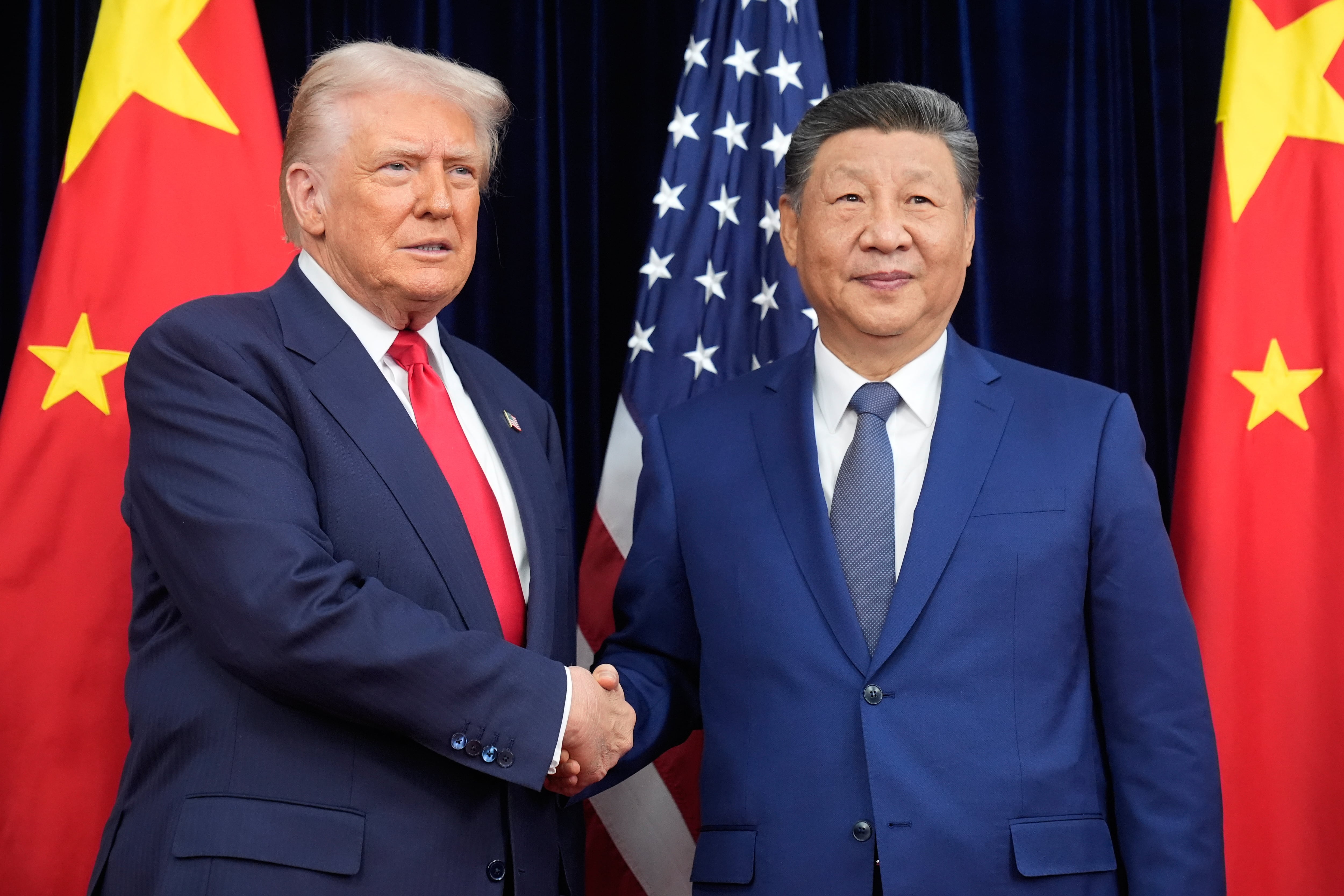
President Donald Trump said he has decided to lower his combined tariff rates on imports of Chinese goods to 47% after talks with Chinese leader Xi Jinping on curbing fentanyl trafficking.
Universal Music Group and AI platform Udio have settled a copyright lawsuit and will collaborate on a new music creation and streaming platform. The companies announced on Wednesday that they reached a compensatory legal settlement and new licensing agreements. These agreements aim to provide more revenue opportunities for Universal's artists and songwriters. The rise of AI song generation tools like Udio has disrupted the music streaming industry, leading to accusations from record labels. This deal marks the first since Universal and others sued Udio and Suno last year. Financial terms of the settlement weren't disclosed.
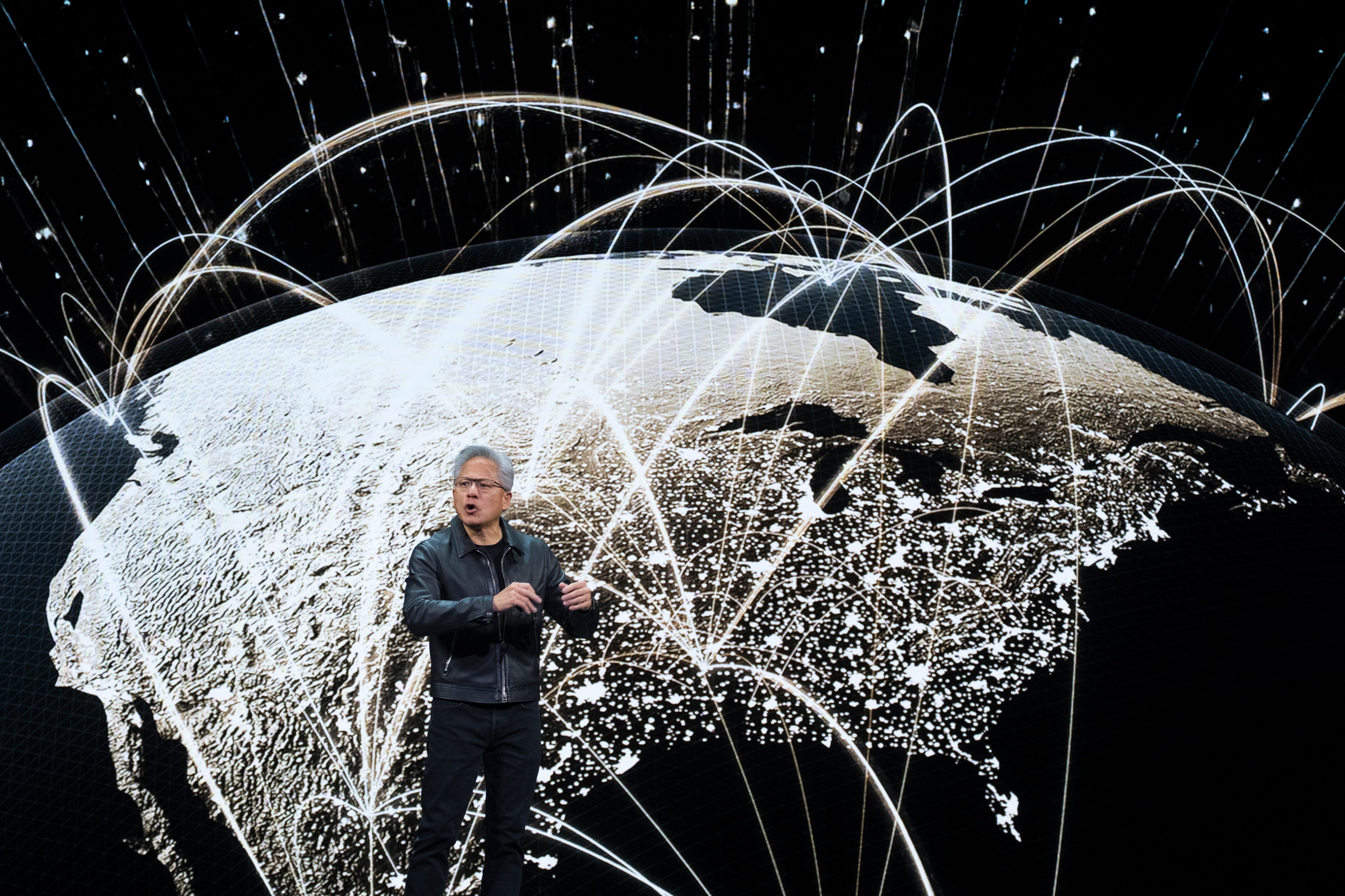
Nvidia on Wednesday became the first public company to reach a market capitalization of $5 trillion. The ravenous appetite for the Silicon Valley company’s chips is the main reason that the company’s stock price has increased so rapidly since early 2023.
Chris Williamson, Chief Business Economist at S&P Global, breaks down September’s CPI print and inflation trends, explaining what it means for markets.