In the construction industry, where traditionally cash is king, a payments app designed to help contractors just wrapped up a $30 million round of fundraising.
Scott Wolfe, CEO of Levelset, says that money will be going toward research and development to ultimately help streamline the payment process and allow contractors to easily stay in compliance.
"We get contractors paid faster today and we want them to get paid immediately after they do the work and we're innovating to get to that reality," he told Cheddar Thursday.
Levelset has been using a vast amount of data it can glean from users about payment behavior and is trying to use that to offer some clarity in what Wolfe says is a largely opaque industry.
"We touch about a hundred thousand new construction projects every month. We're basically seeing the financial transactions on almost every construction project in the nation and so we're seeing the payment behaviors," he said, adding, "We can take those payment behaviors and put that information into everyone's hand to empower them to make decisions, to know who they should be doing business with, what kind of payment terms to expect, what kind of payment terms they can negotiate."
Wolfe sees other industries with layered and fragmented systems where Levelset's platform may be able to someday expand, but he stressed that he believes there's a lot more room to grow within the construction industry.
As commercial options tighten, more travelers are turning to private aviation. Wheels Up CEO George Mattson breaks down capacity and demand challenges.
Layoffs, hiring slowdowns, and shifting skill demands dominate this year’s job talk. LinkedIn’s Kory Kantenga explains what workers should watch for next.
Retailers face tariffs and cost challenges this holiday season. Wells Fargo's Lauren Murphy shares insights on pricing, promotions, and shopping trends.
Dateability, founded by sisters Jacqueline and Alexa Child, is the only dating app for disabled and chronically ill communities, fostering love without limits.
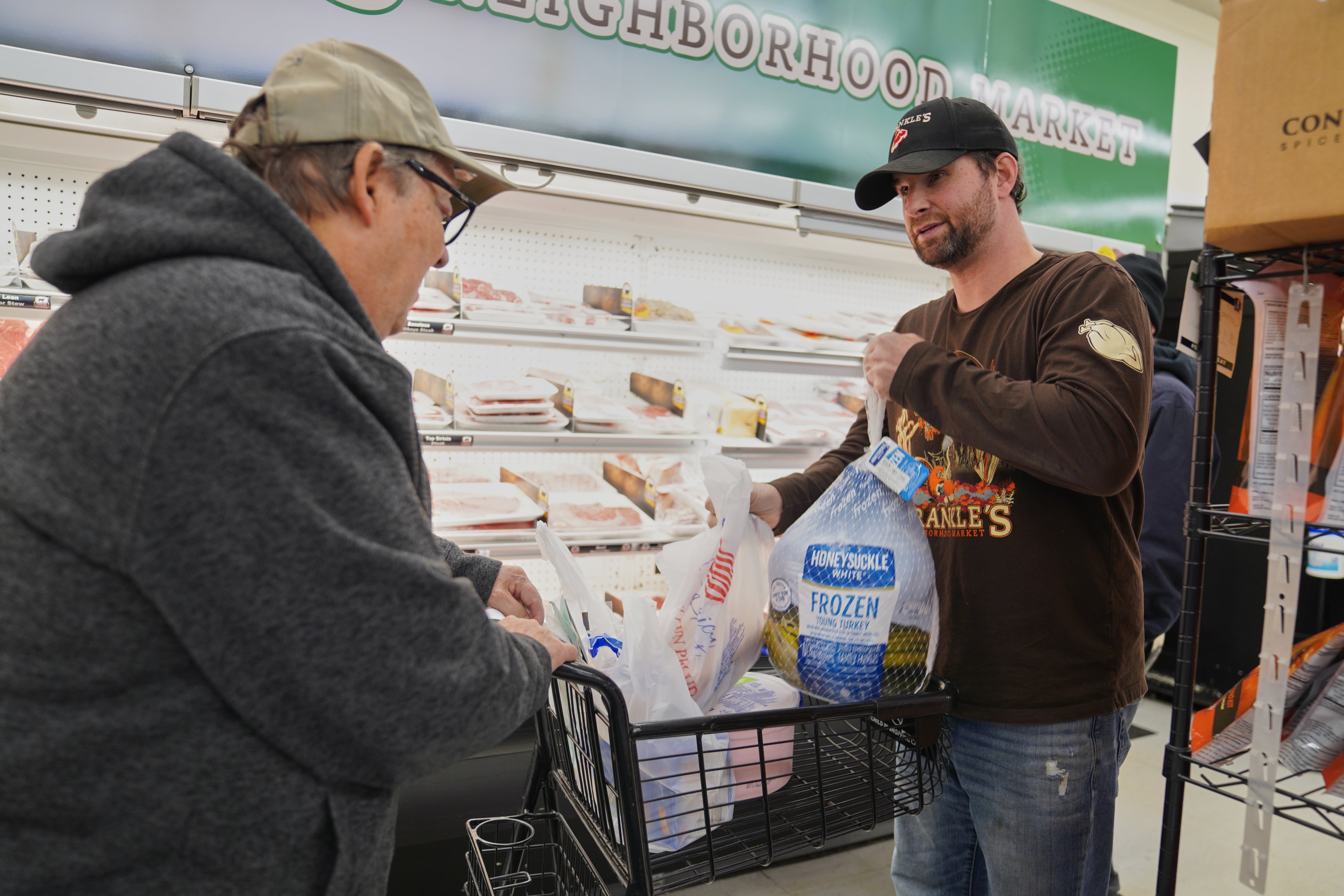
Some small grocery stores and neighborhood convenience stores are eager for the U.S. government shutdown to end and for their customers to start receiving federal food aid again. Late last month, the Trump administration froze funding for the SNAP benefits that about 42 million Americans use to buy groceries. The U.S. Department of Agriculture says about 74% of the assistance was spent last year at superstores like Walmart and supermarkets like Kroger. Around 14% went to smaller stores that are more accessible to SNAP beneficiaries. A former director of the United Nations World Food Program says SNAP is not only a social safety net for families but a local economic engine that supports neighborhood businesses.
Andy Baehr, Head of Product at CoinDesk Indices, breaks down crypto’s Black Friday crash, Bitcoin dipping under $100K, and what’s driving the market rout.