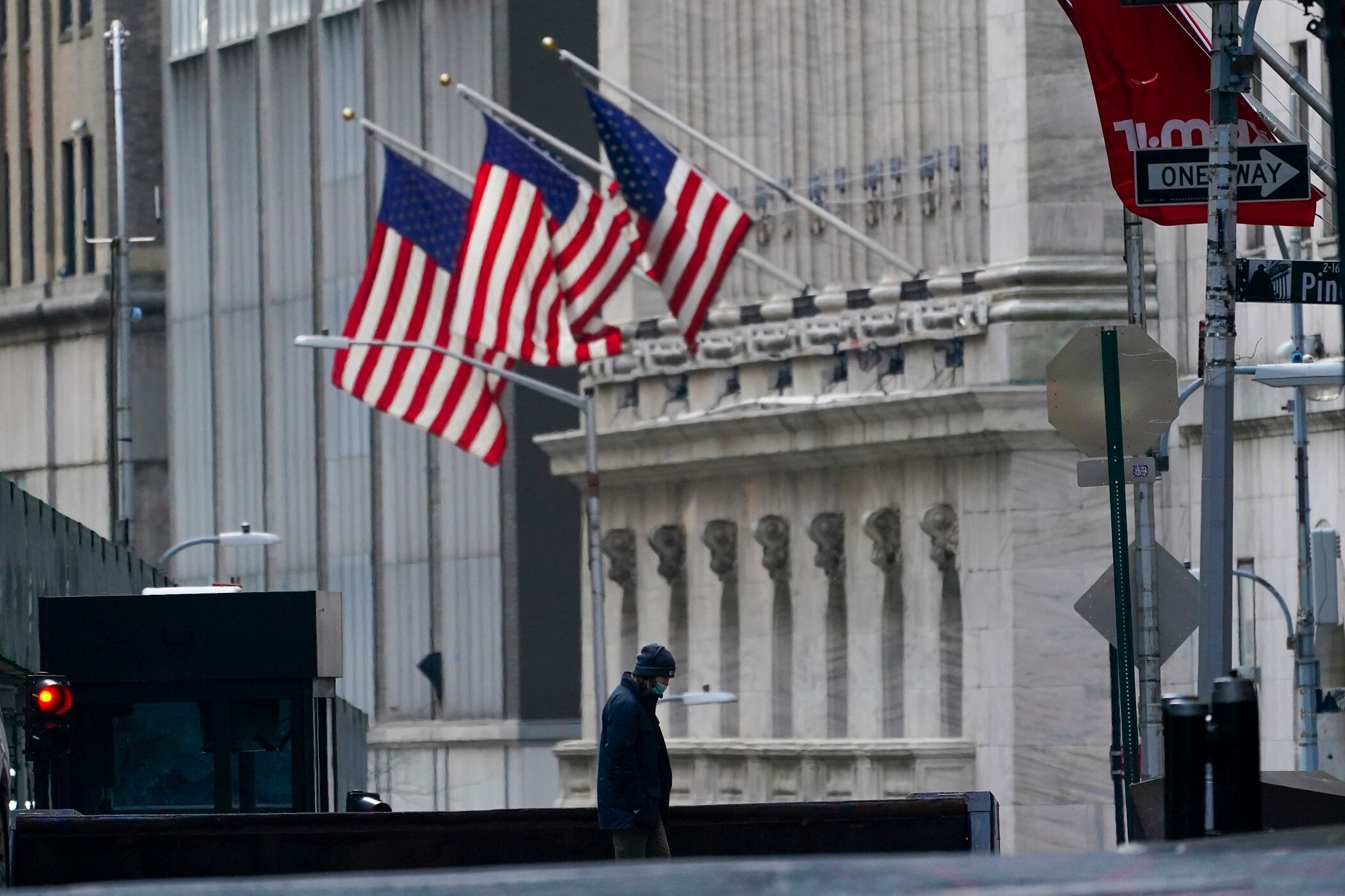
With the threat of holiday-related COVID-19 spread passed, restaurants across New York are reopening for indoor dining — except for restaurants in the state's biggest city. New York City restaurateurs are fighting back for their very survival. Seaport House owner and executive chef Kian Khatibi is pushing on with a lawsuit, filed in December, demanding immediate reopening of indoor dining.
Khatibi opened Seaport House, a seafood joint in the historic South Street Seaport district, on October 31 in the thick of the COVID-19 pandemic. Building out and opening a restaurant amid the pandemic was no cakewalk, but neither is operating.
"Right now, you know, we're running on an empty tank. Every day pays our bills. And that's about it," he said.
The new restaurant got to enjoy less than two months of indoor dining, albeit at significantly reduced capacity, before New York Gov. Andrew Cuomo cracked down again. As of mid-December, indoor dining closed down again, indefinitely, as COVID-19 cases spiked across the state and nation.
But the data behind the governor's decision didn't sit well with Khatibi, who is also a licensed attorney. According to data collected by the state, bars and restaurants are responsible for roughly 1.4 percent of new coronavirus infections. By contrast, the top contributor to spread, private gatherings, accounts for a whopping 74 percent of infections.
He decided to sue, arguing that indoor dining saves lives by giving people something to do other than gather in private homes.
"People are congregating," said Migir Ilganayev, Khatibi's co-council on the case. "By shutting down indoor dining, places that are safe, that are ventilated, that provide UVC lights in the ceilings, open windows — when you take that away from the people, especially during the holiday season, they'll find a place to go."
Although many cases questioning the constitutionality of lockdown orders have been slapped down by judges, Ilganayev said he thinks they have a chance because "numbers don't lie."
The case is heading to court for a preliminary injunction hearing on Jan. 21.
The coronavirus pandemic has been devastating to the restaurant industry, which even in the best of times is a business with very slim margins. More than 1,000 restaurants have shut down permanently in New York City, alone, according to Eater.
A relative newcomer to New York City's restaurant scene, Seaport House is getting by, thanks largely to an expensive outdoor seating installation. But even the optimistic Khatibi knows times ahead will be tough if indoor dining remains shut down amid winter.
"You know, we just have to make it to March," he said.
Catching you up on what you need to know on April 6, 2022, with updates on the FDA’s meeting to discuss a second COVID booster shot, more on the war in Ukraine, tornadoes on the Gulf coast, a third suspect arrested in connection to the mass shooting in California, Darwin’s lost notebooks mysteriously returned, and more.
General Motors and Honda are teaming up to produce more affordable electric vehicles. The two carmaking giant are looking to hit a price point of less than $30,000, a much lower price when compared to most other electric vehicles priced toward luxury buyers..
Stocks fell and bond yields rose on Wall Street Wednesday after details from last month’s Federal Reserve meeting showed the central bank intends to be aggressive in its efforts to fight inflation.
Tensions from the Russia-Ukraine war have spilled into space. The head of Russia's space agency has threatened to pull the country out of the International Space Station if sanctions aren't lifted on the country — but that doesn't seem to be happening any time soon. What would it mean if Russia really did leave the ISS, who would it harm the most, and what would the consequences be both for the other ISS partners, and private space travel? Casey Dreier, Chief Advocate & Senior Space Policy Adviser at The Planetary Society, joins Closing Bell to discuss.
If you've purchased groceries or ordered at a restaurant, you know that prices are going up across the board. You've probably made the switch to cheaper versions of the same products you'd normally buy in an effort to save a few dollars — but did you know that a consumer shift away from brand loyalty is closely followed by grocery chains and big brands? Both need to know where consumers are looking so they can stock shelves, lower prices, and market their products. Brian Mandelbaum, CEO of Klover, joins Closing Bell to discuss how inflation seems to be making brand loyalty disappear, why consumers aren't inclined to be loyal to certain brands or products, how this pattern impacts stores, and more.
Stocks closed near session lows Tuesday as investors digest potentially aggressive rate hikes, and a potential recession.
Both consumers and big banks are starting to think similarly on one topic: both groups think a recession is on the horizon. What does this mean for an American economy still struggling to gain its footing, and for the Federal Reserve which is just starting to implement rate hikes in an attempt to cool inflation? Sam Stovall, Chief Investment Strategist at CFRA, joined Closing Bell to discuss today's close, earnings season, whether a recession is on the horizon, and more.