With the threat of holiday-related COVID-19 spread passed, restaurants across New York are reopening for indoor dining — except for restaurants in the state's biggest city. New York City restaurateurs are fighting back for their very survival. Seaport House owner and executive chef Kian Khatibi is pushing on with a lawsuit, filed in December, demanding immediate reopening of indoor dining.
Khatibi opened Seaport House, a seafood joint in the historic South Street Seaport district, on October 31 in the thick of the COVID-19 pandemic. Building out and opening a restaurant amid the pandemic was no cakewalk, but neither is operating.
"Right now, you know, we're running on an empty tank. Every day pays our bills. And that's about it," he said.
The new restaurant got to enjoy less than two months of indoor dining, albeit at significantly reduced capacity, before New York Gov. Andrew Cuomo cracked down again. As of mid-December, indoor dining closed down again, indefinitely, as COVID-19 cases spiked across the state and nation.
But the data behind the governor's decision didn't sit well with Khatibi, who is also a licensed attorney. According to data collected by the state, bars and restaurants are responsible for roughly 1.4 percent of new coronavirus infections. By contrast, the top contributor to spread, private gatherings, accounts for a whopping 74 percent of infections.
He decided to sue, arguing that indoor dining saves lives by giving people something to do other than gather in private homes.
"People are congregating," said Migir Ilganayev, Khatibi's co-council on the case. "By shutting down indoor dining, places that are safe, that are ventilated, that provide UVC lights in the ceilings, open windows — when you take that away from the people, especially during the holiday season, they'll find a place to go."
Although many cases questioning the constitutionality of lockdown orders have been slapped down by judges, Ilganayev said he thinks they have a chance because "numbers don't lie."
The case is heading to court for a preliminary injunction hearing on Jan. 21.
The coronavirus pandemic has been devastating to the restaurant industry, which even in the best of times is a business with very slim margins. More than 1,000 restaurants have shut down permanently in New York City, alone, according to Eater.
A relative newcomer to New York City's restaurant scene, Seaport House is getting by, thanks largely to an expensive outdoor seating installation. But even the optimistic Khatibi knows times ahead will be tough if indoor dining remains shut down amid winter.
"You know, we just have to make it to March," he said.
Businesses are likely to increase salaries budgets in 2022 by 3.9 percent according to a study by The Conference Board. Gad Levanon, head of the Labor Market Institute at The Conference Board, joined Cheddar to provide additional details about the survey's findings. He attributed the anticipated salary hikes to companies looking to retain current employees, a desire to attract a new crop of workers, and surging inflation.
Fast AF, a premiere quick commerce retailer for products and brands just announced the close of its Series A investment round. That round puts the value of the company at $200 million. The company gets items to customers ranging from masks to sneakers and is now launching its own in-house delivery service. Lee Hnetinka, founder and CEO of FastAF joins Cheddar News to discuss the announcement.
Carolina Navas, Snap's head of AR product strategy and product marketing, joins Cheddar News to discuss how Snapchat's augmented reality is changing the shopping game this holiday season.
Steve Case, Revolution Ventures CEO, joined Cheddar to discuss progress venture capitalists have made over 2021 and where investors are looking beyond Silicon Valley. Other locations VC firms are exploring include Los Angeles, Philadelphia, and Chicago among others. "Historically there's been a brain drain in a lot of these cities, people leaving for opportunity elsewhere. Now, people are staying," he said of the emerging tech hubs. "There tends to be a collaborative effort in the community to really support startups to recognize the future of the community."
A new study by Pfizer-BioNTech found that a third dose of their COVID-19 vaccine is effective against the emerging omicron variant. The pharmaceutical giants also look to manufacture a vaccine specific to the omicron variant by March 2022.
Chamber of Progress CEO Adam Kovacevich joined Wake Up With Cheddar to break down what to expect from the cryptocurrency executives appearing on Capitol Hill and how it could impact future crypto regulation. "I think what most people want to see from regulation is essentially channeling the good and the potential and putting in place guardrails to minimize the bad," he said.
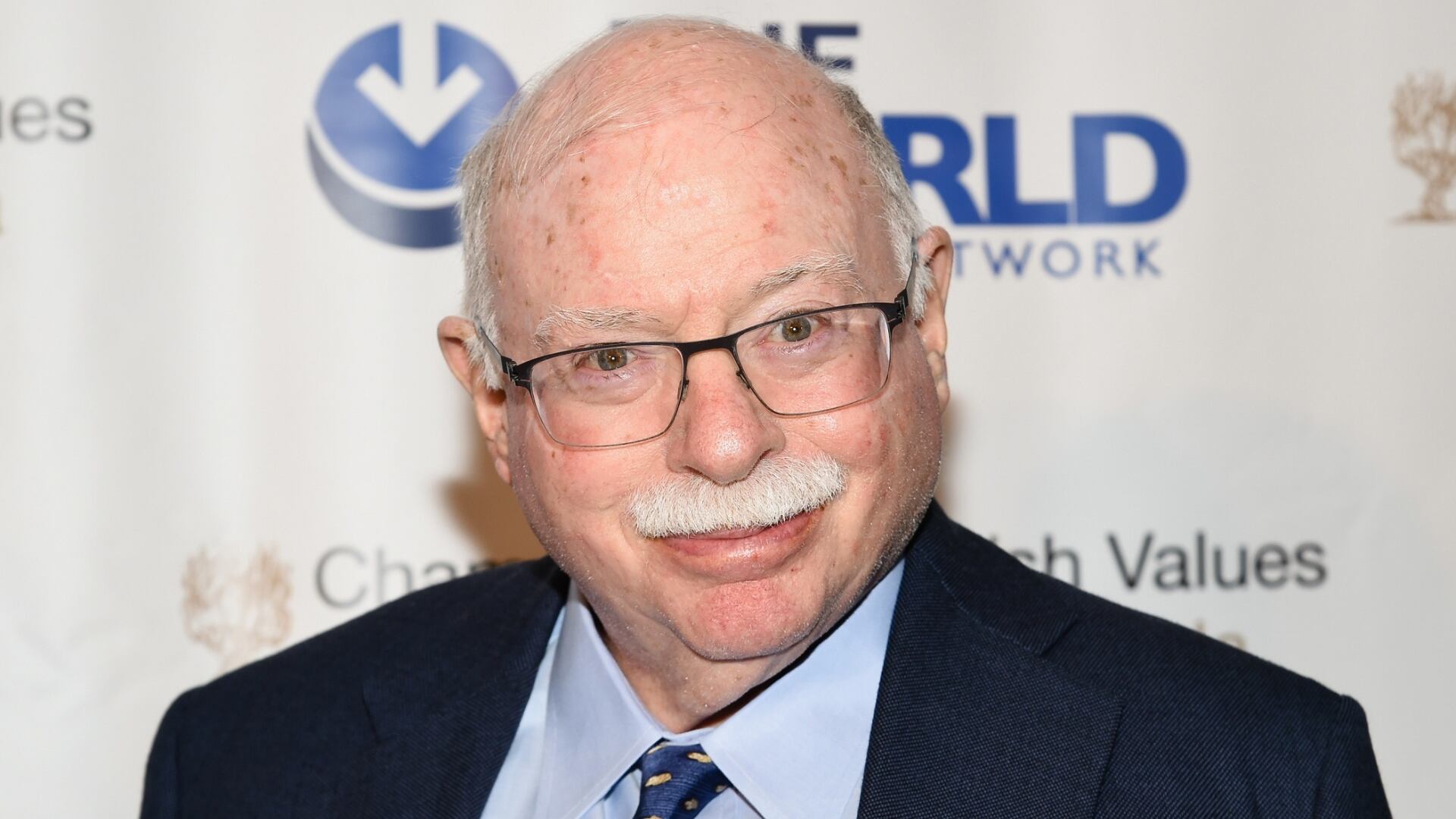
Michael Steinhardt, 81, has surrendered 180 stolen artifacts from 11 different countries worth $70 million. The former hedge fund manager has also received a lifetime ban from the antiquities market.
Kellogg will go forward with plans to permanently replace 1,400 union workers who have been on strike since October over pay and benefits disputes. The move comes after the union representing the striking staff declined the latest contract proposal.