Twenty-six questions into day one of questioning, senators have largely directed inquiries to their own sides, assisting respective legal teams in poking holes in the opposition's case.
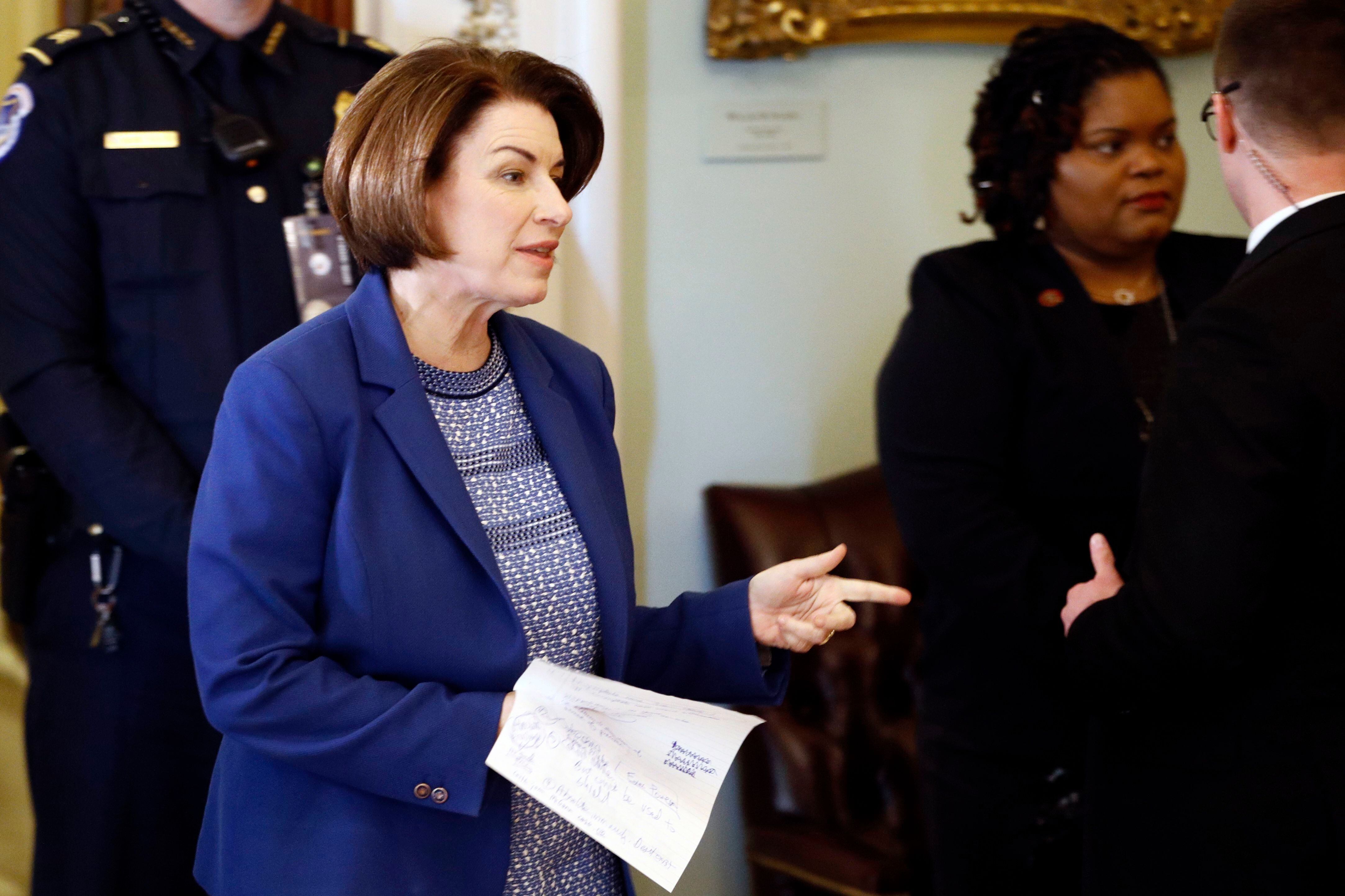
During the first break of the day, nearly three hours after questioning began, Sen. Amy Klobuchar (D-Minn.) told Cheddar she plans to ask a question about absolute immunity. The president has argued he has absolute immunity to bar testimony, though a federal judge ruled in November that former White House counsel Don McGahn must obey a subpoena compelling him to testify. The judge wrote at the time "with respect to senior-level presidential aides, absolute immunity from compelled congressional process simply does not exist."
The president's defense team has repeatedly sought to portray the president as needing the freedom to speak candidly with his advisors. However, House Managers have emphasized the president is not able to exercise blanket immunity.
"Some of the questions were planned ahead, but you can always adjust them," Klobuchar said. "I have one question that I want to focus on, on the absolute immunity issue, but if it's fully asked, maybe I'll switch to another one. You're not bound into what your question is. And then there's other questions that I have — you'll see that Senator Whitehouse is going to ask one of them. He and I shared the same question so he's asking on his behalf and my behalf."
Throughout the first portion of today's session, some senators appeared to have pre-written questions on cards while others, like Senators Lindsey Graham (R-S.C.) and Ted Cruz (R-Texas) exited the room to presumably discuss a question before posing one jointly. Others still, like Senators Martha McSally (R-Ariz.), Joni Ernst (R-Iowa), Richard Burr (R-N.C.), Jerry Moran (R-Kan.) and Kelly Loeffler (R-Ga.) seemed to have empty cards on their desks.
Senators must submit written questions to the Chief Justice and, alternating between parties, a Senator stands, asks Supreme Court Chief Justice John Roberts to hear his or her question, and a high school page carries the card to Roberts, who is facing the Senators from the elevated seat usually reserved for the Vice President. At one point Roberts paused while attempting to read a question from Republicans, as it seemed he was having trouble reading the hand-written question.
The Senate Press Gallery sits above the Republican side of the chamber, which allows better access to see the Republican Senators than the Democrat officials.
Alan Dershowitz, an attorney for the defense who came to today's session to answer questions about his testimony earlier this week, said anything a sitting president does to stay in power is in the national interest, emphasizing a very expansive view of presidential power. Lead House Manager and chairman of the House Intelligence Committee Rep. Adam Schiff (D-Calif 28th District) answered the final question of the early session pushing back against Dershowitz's argument and attempted to portray the president as believing himself to wield broad powers, accusing Trump of being a "president who identifies the state as being himself."
The school shooting in Texas that left 19 children and 2 teachers dead has reignited the debate over gun control.
The tragedy in Uvalde is the deadliest school shooting in nearly a decade and marks the latest in a string of mass shootings in the country. Jared Moskowitz, Broward County Commissioner and candidate for Congress in FL-23, joined Cheddar's Opening Bell to discuss why gun control measures are stalled in the Senate, and where legislation can move forward from here.
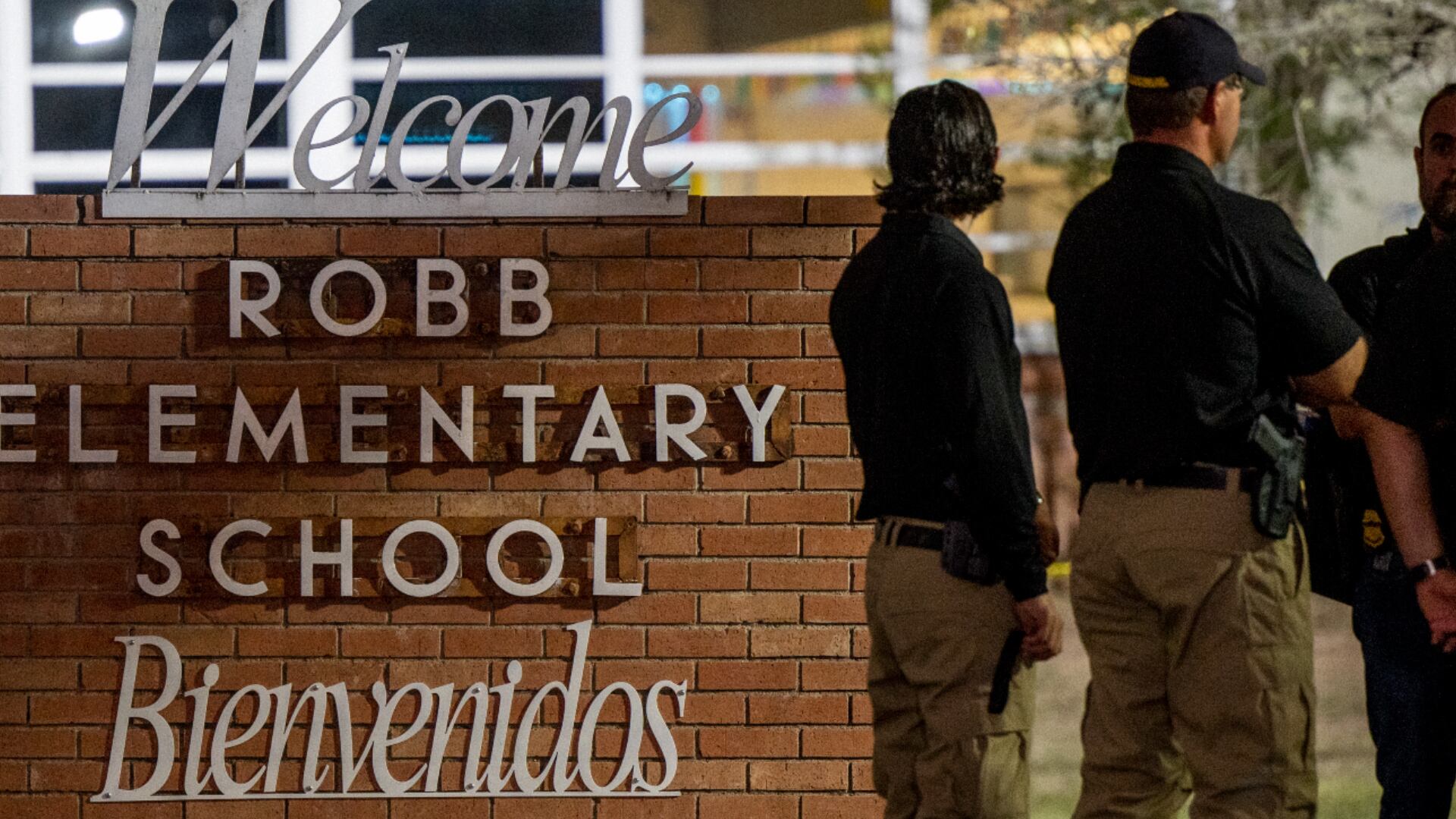
Police and detectives are still investigating the tragic school shooting in Uvalde, Texas that killed 19 children and two adults. Cheddar News was joined by Kirk Burkhalter, professor at New York Law School and former NYPD detective to gain some insight on what investigators are looking for and what comes next.
Texas authorities say the gunman who massacred 21 people at an elementary school was in the building for over an hour before he was killed by law enforcement officers.
Join Cheddar News as we break down the top headlines for Thursday, May 26 including updates on the Texas school shooting, President Joe Biden's executive order on police reform, and a recount in the Pennsylvania GOP Senate primary.
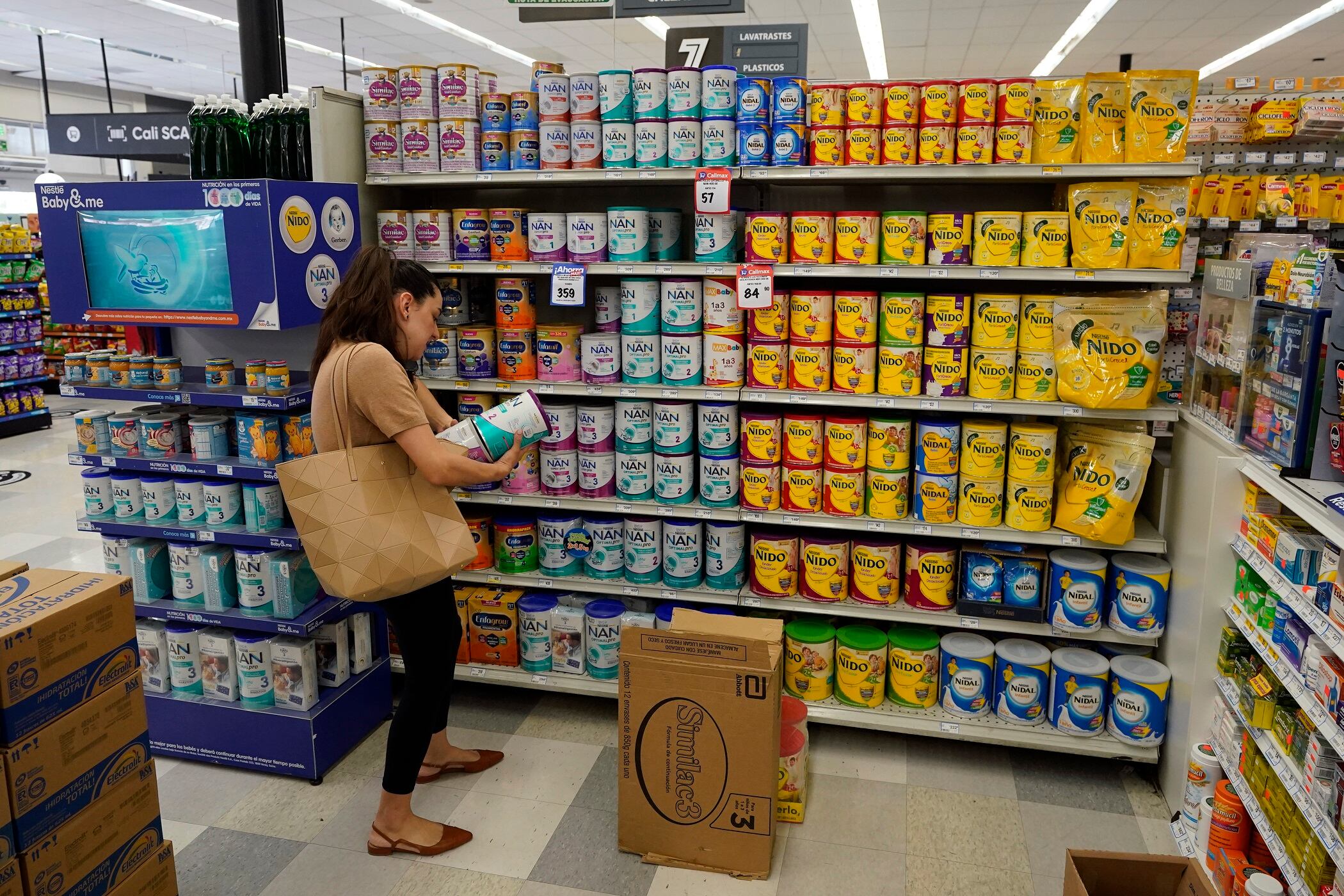
Representative Morgan Griffith of Virginia rebuked words from the FDA commissioner that could have been construed as blaming parents for stockpiling baby formula exacerbating the shortage.
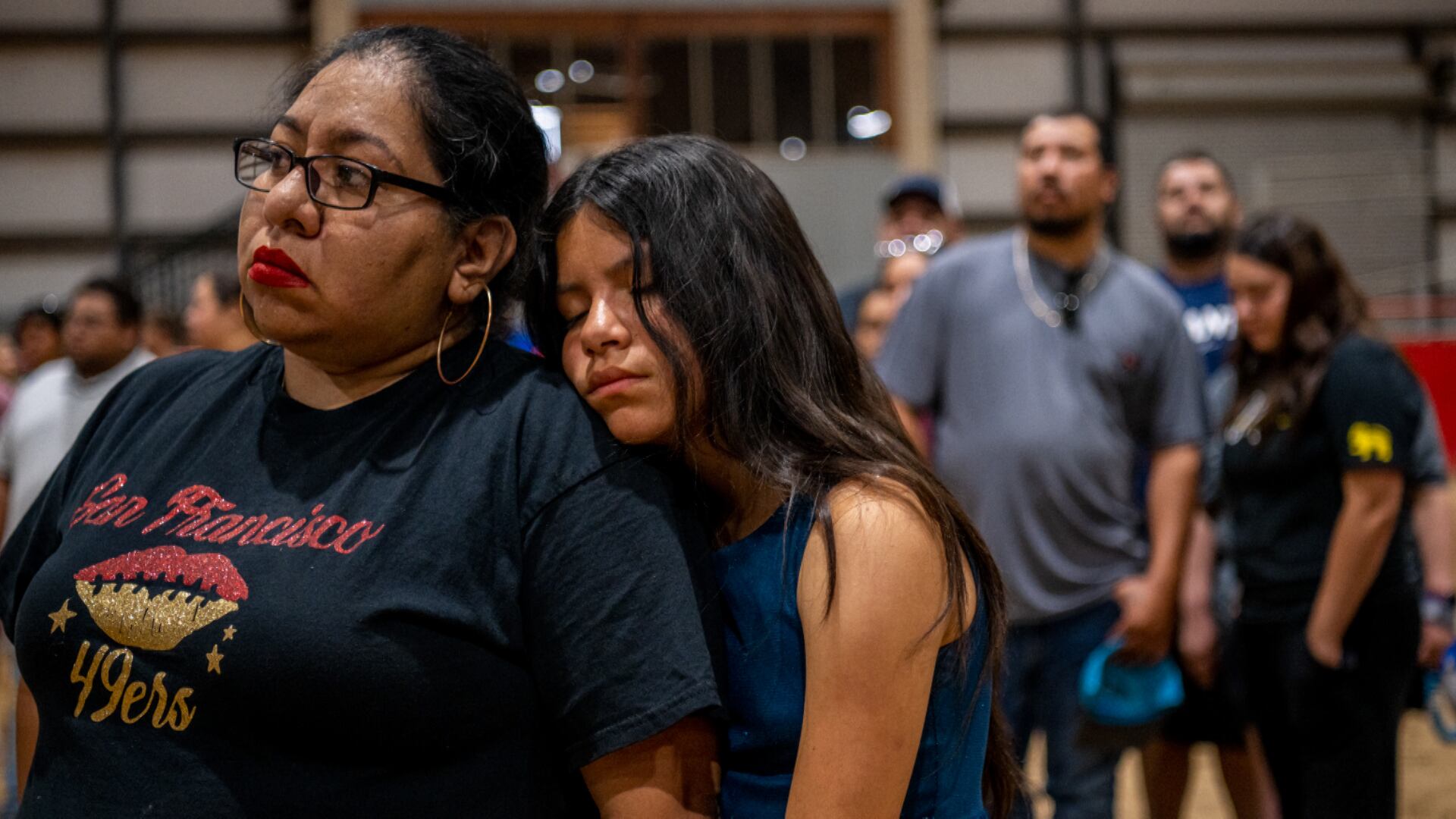
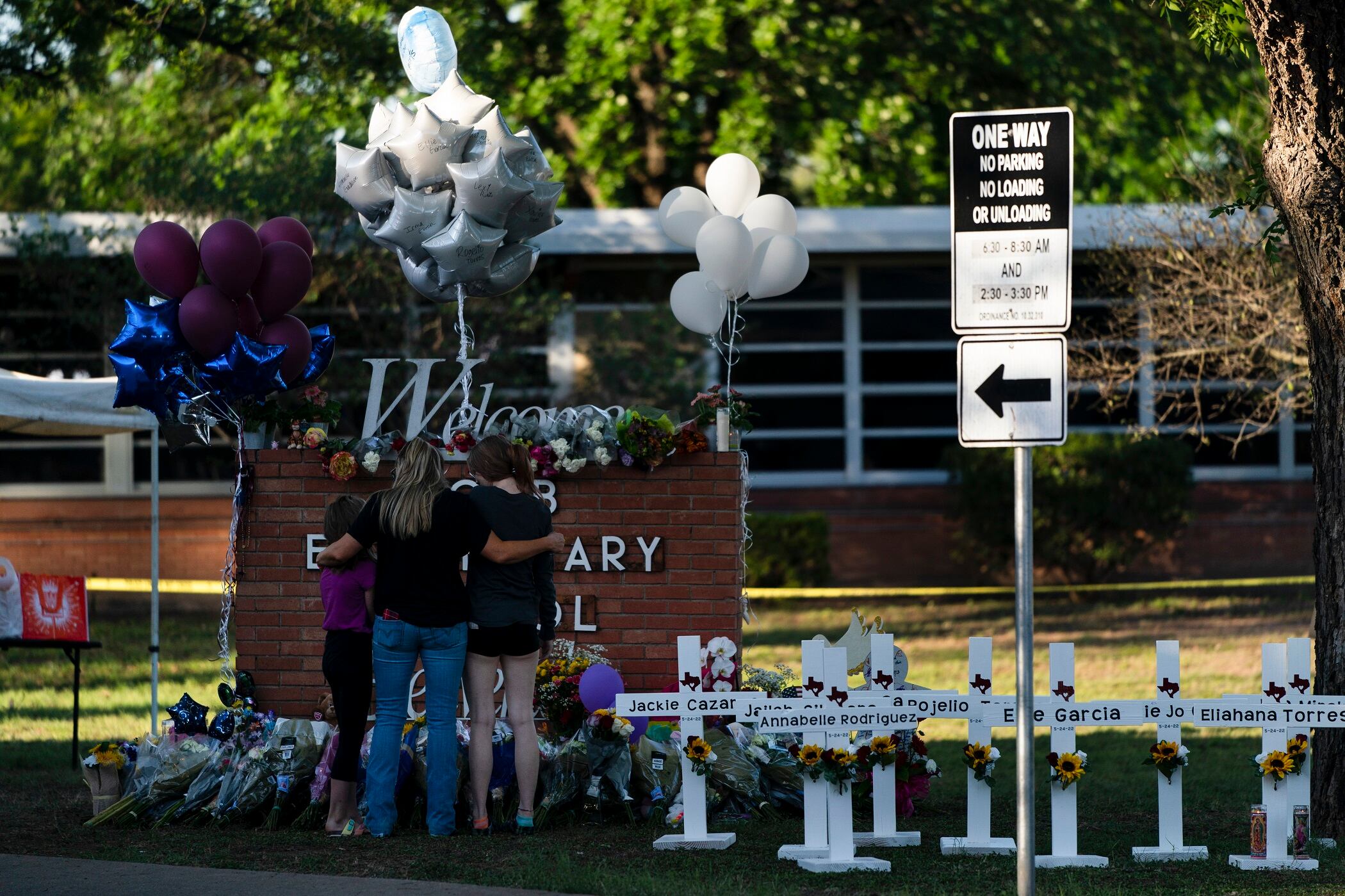
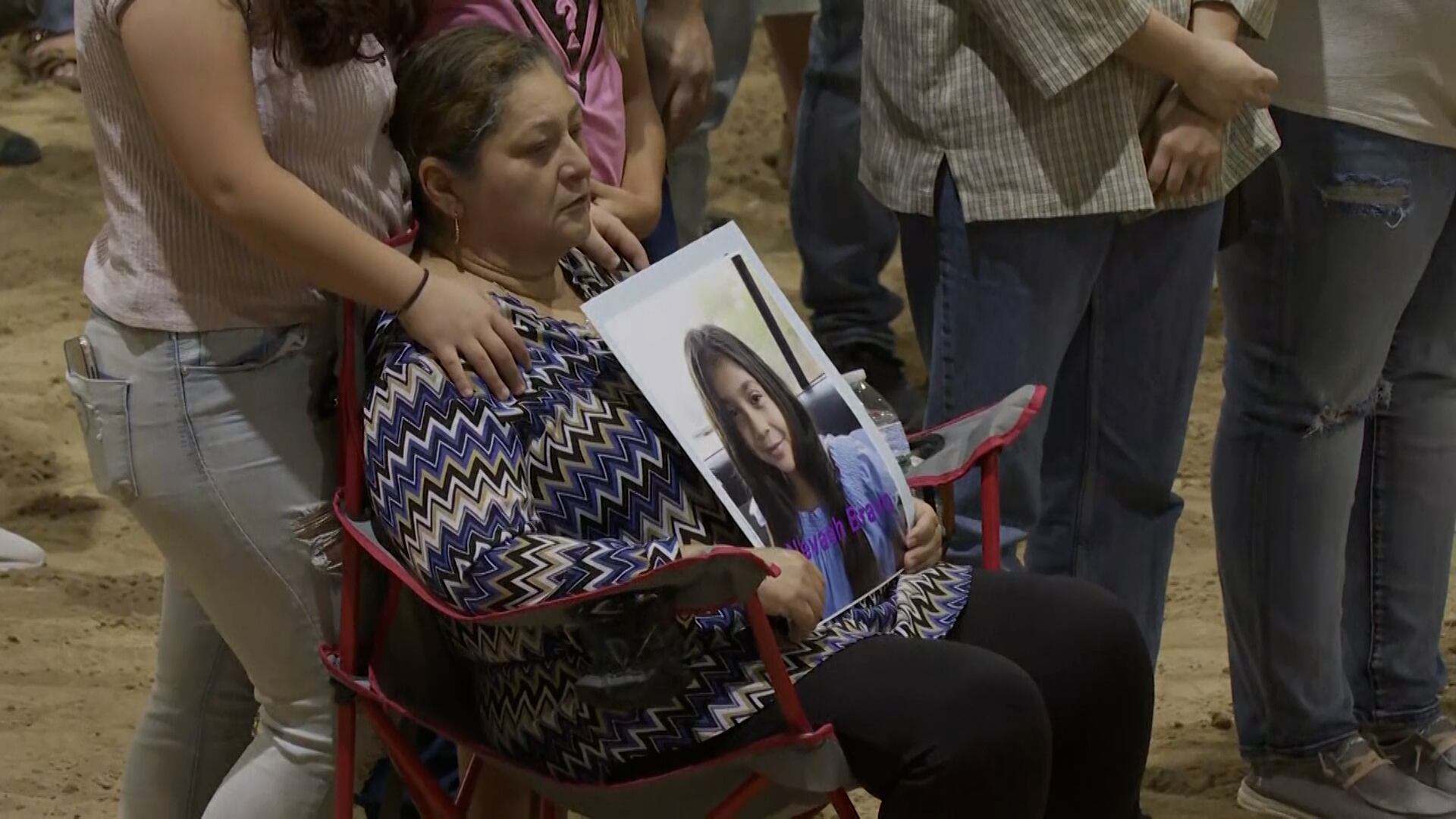
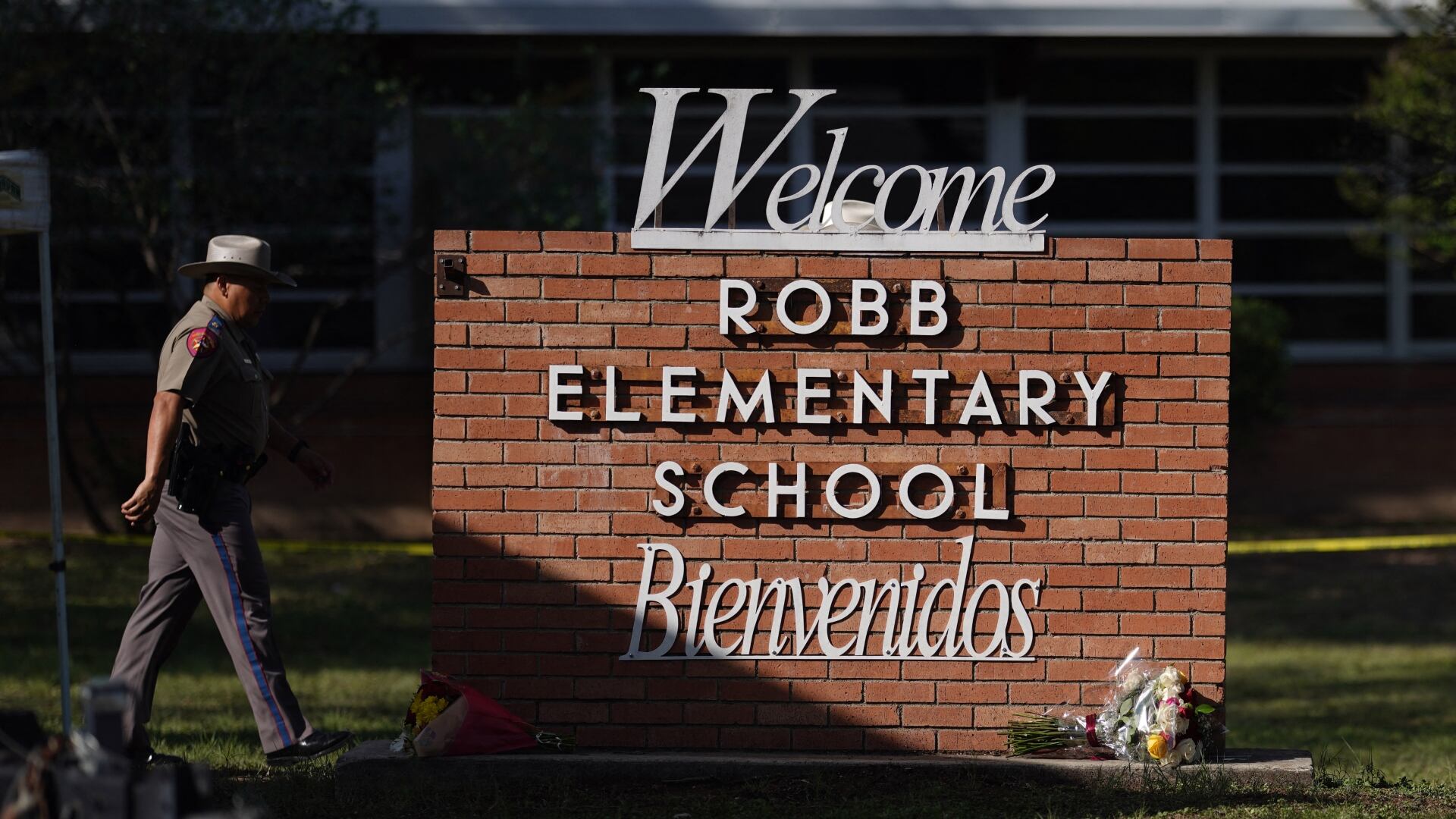
Cheddar News reporter Megan Pratz brings the latest from the scene of yesterday's horrific school shooting at a Robb Elementary School in Uvalde, Texas. Now the second-deadliest school shooting in U.S. history with 19 children and two adults killed, Pratz goes into comments by Texas Gov. Greg Abbott, details about the deceased shooter, and reactions from members of the community.
The Robb Elementary School mass shooting killing 19 children and two adults in Uvalde, Texas pm Tuesday was the deadliest school shooting since the 2012 Sandy Hook massacre in Newtown, Connecticut, and came just 10 days after the grocery store shooting in Buffalo, New York. Nelson Vergara, the founder and CEO of 360 Protective Solutions, joined Cheddar’s Opening Bell to discuss. "Right now what law enforcement is concentrating on is trying to trace his steps as to what motivated the gunman to act the way he did. What it boils down to just trying to figure out what led to his motivation to do such a horrific act.”
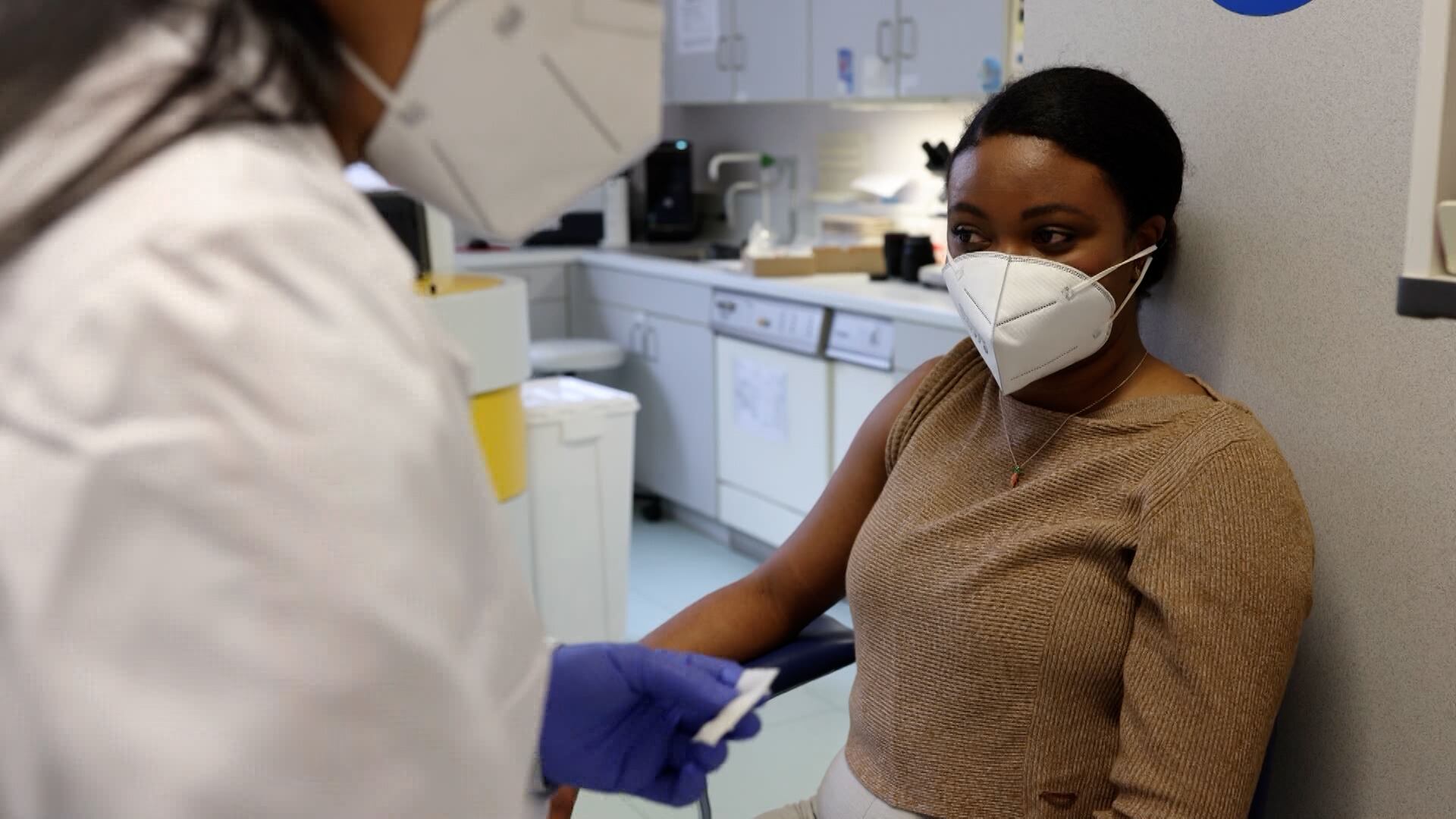
An recently conducted AP-NORC poll found that majorities of the Black and Hispanic populations in the U.S. still find themselves either somewhat worried or extremely worried over the pandemic, while more than half of white Americans responded with either being not too worried or not worried at all. Dr. Chris Pernell, the chief strategic integration and health equity officer at University Hospital, joined Cheddar News to talk about how perceptions of COVID-19 differ between groups of Americans. "We’re still seeing people get infected, and because of the toll of the disproportionate impact, we have concerns among the Black and brown community about whether or not they have an increased risk of exposure because of where they work, because of the use of public transportation, because they live in homes that they may not be able to safely quarantine and or isolate in, and because they have at baseline chronic health conditions that may make coronavirus more severe in those persons," she said.
Judith Enck, a former regional administrator for the EPA and the president of Beyond Plastics, joined Cheddar News to talk about the role of plastics in the climate crisis and California's investigation of ExxonMobil and other oil companies for misleading the public on the ability to recycle plastics. "The reason why petrochemical companies like Exxon have gotten away with selling more and more plastic is that they've lied to the public and told us don't worry about all those negative upstream impacts and downstream impacts of plastics. Just be sure to recycle it. Well, guess what? Plastics largely are not recycled," Enck said.