The Supreme Court ruled Wednesday that a Pennsylvania public school wrongly suspended a student from cheerleading over a vulgar social media post she made after she didn't qualify for the varsity team.
The court voted 8-1 in favor of Brandi Levy, who was a 14-year-old high school freshman when she expressed her disappointment over not making the varsity cheerleading squad with a string of curse words and a raised middle finger on Snapchat.
Levy, of Mahanoy City, Pennsylvania, was not in school when she made her post, but she was suspended from cheerleading activities for a year anyway. In an opinion by Justice Stephen Breyer, the high court ruled that the suspension violated Levy's First Amendment freedom of speech rights.
But the justices did not foreclose schools from disciplining students for what they say off campus. An earlier federal appeals court ruling in this case would have barred public schools from punishing off-campus speech.
Despite ruling in Levy's favor, Breyer wrote that “we do not believe the special characteristics that give schools additional license to regulate student speech always disappear when a school regulates speech that takes place off campus. The school’s regulatory interests remain significant in some off-campus circumstances.”
The case drew extra interest at a time of remote learning because of the coronavirus pandemic and a rising awareness of the harmful effects of online bullying.
The case arose from Levy's posts, one of which pictured her and a friend with raised middle fingers and included repeated use of a vulgarity to complain that she had been left off the varsity cheerleading squad.
“F——— school f——— softball f——— cheer f——— everything,” she wrote near the end of her freshman year, from a local convenience store and on a Saturday. Now 18, Levy recently finished her first year of college.
Levy's parents filed a federal lawsuit after the cheerleading coach suspended her from the junior varsity team for a year. Lower courts ruled in Levy's favor, and she was reinstated.
The school district appealed to the Supreme Court after the broad appellate ruling that said off-campus student speech was beyond schools' authority to punish.
The dispute is the latest in a line of a cases that began with Tinker v. Des Moines, the Vietnam-era case of a high school in Des Moines, Iowa, that suspended students who wore armbands to protest the war. In a landmark ruling, the Supreme Court sided with the students, declaring they don’t “shed their constitutional rights to freedom of speech or expression at the schoolhouse gate.”
The court also held then that schools retained the authority to restrict speech that would disrupt the school environment.
Breyer wrote that Levy's case seemed less serious than its Vietnam-era predecessor.
“It might be tempting to dismiss B. L.’s words as unworthy of the robust First Amendment protections discussed herein. But sometimes it is necessary to protect the superfluous in order to preserve the necessary,” he wrote, using Levy's initials because that was how she was identified in the original lawsuit. Levy has granted numerous interviews allowing her name to be used.
Justice Samuel Alito wrote in a concurring opinion that school officials in Mahanoy got “carried away” in seeking to discipline Levy. “If today’s decision teaches any lesson, it must be that the regulation of many types of off-premises student speech raises serious First Amendment concerns, and school officials should proceed cautiously before venturing into this territory,” Alito wrote.
In dissent, Justice Clarence Thomas wrote that he would have upheld Levy's suspension.
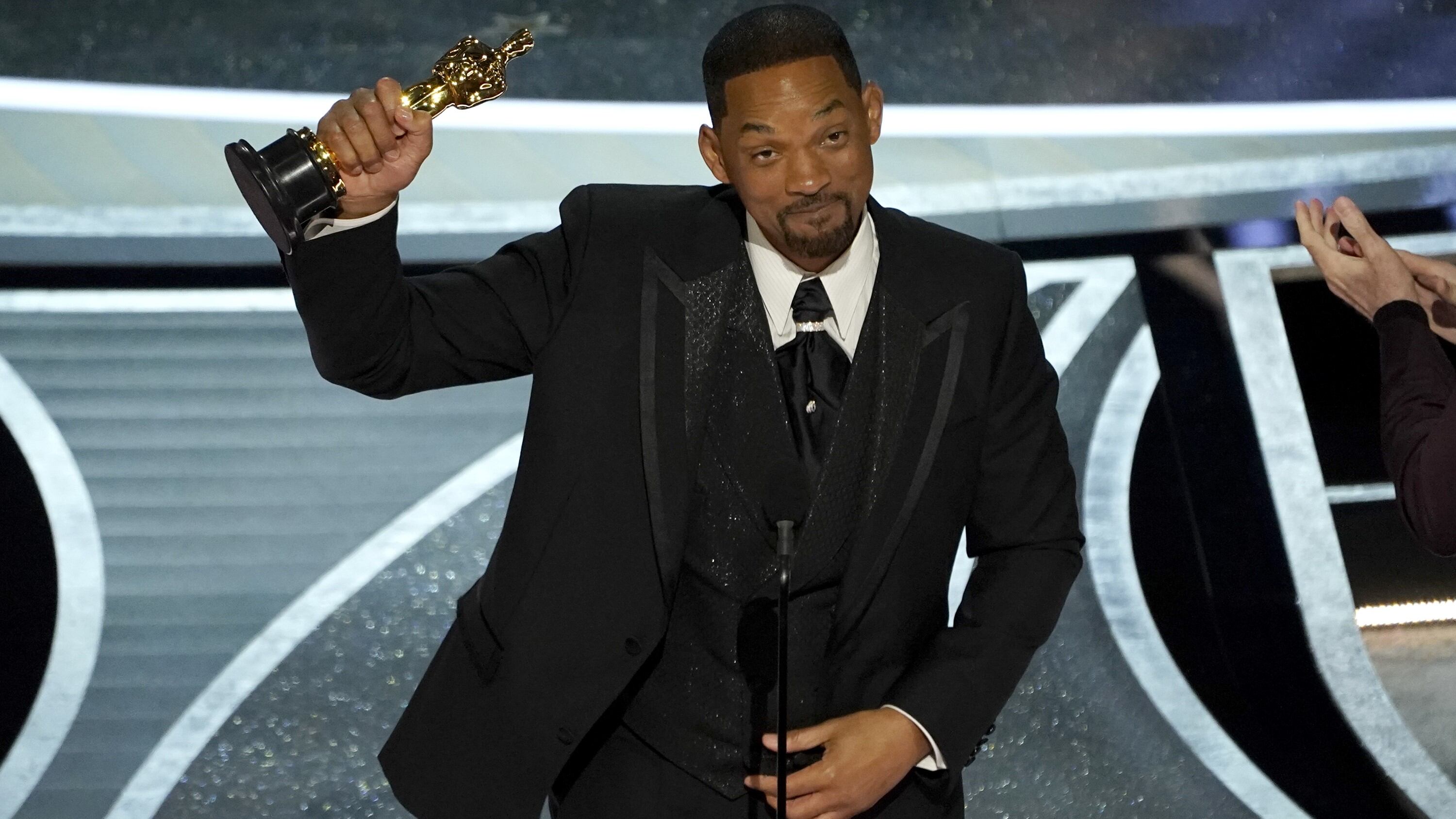
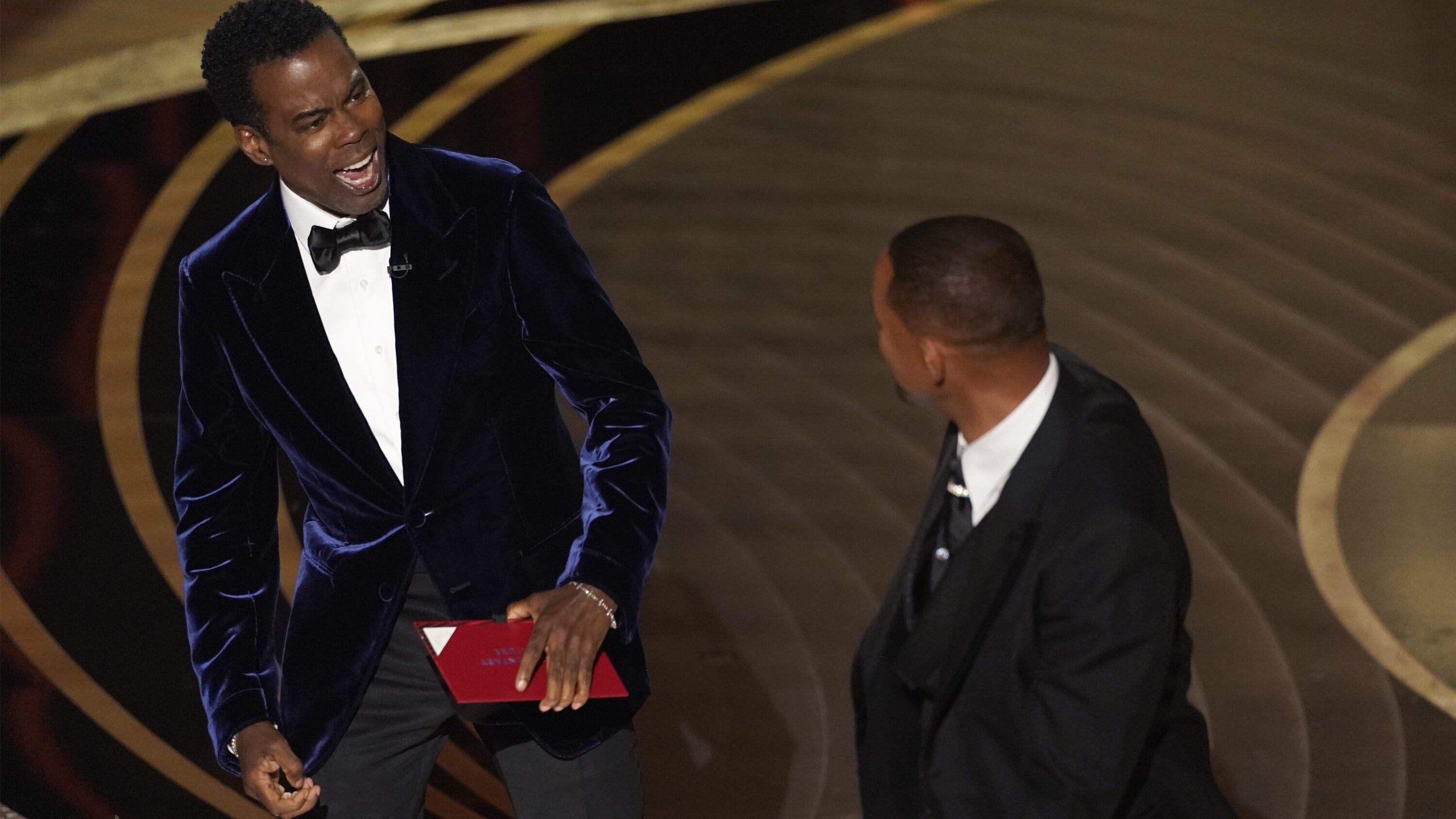
When Will Smith marched onto the Oscars stage and smacked Chris Rock, the unpredictable moment served as a jarring interruption to Hollywood’s feel-good celebration.
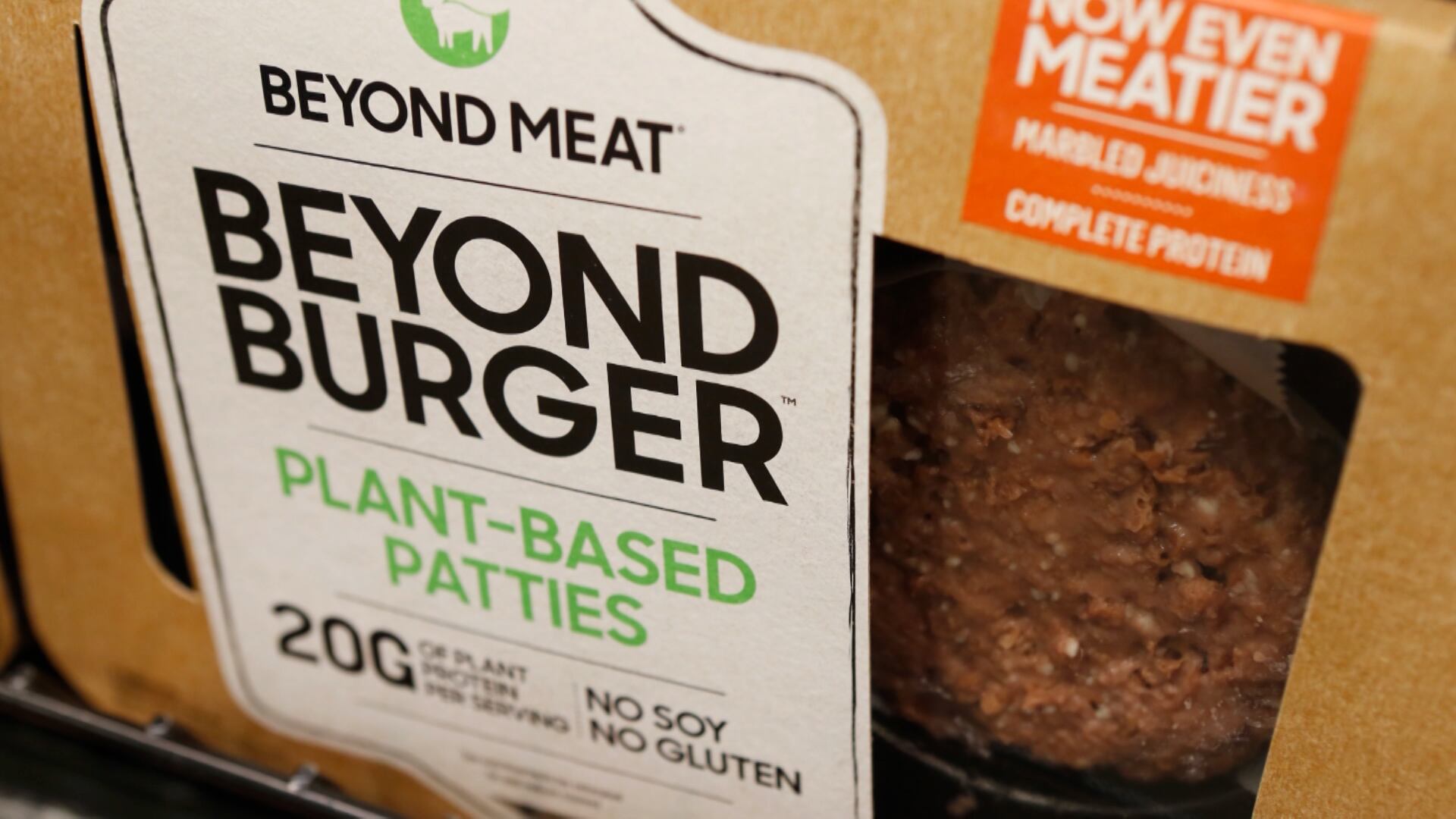
The U.S. market value of the plant-based food industry reached an all-time high last year. According to a new report from the Plant Based Food Association, retail sales of plant-based foods reached $7.4 billion, but questions are arising over whether the industry can sustain the levels of growth it had in the past few years. Julie Emmett, senior director of marketplace development at the Plant Based Food Association, joined Cheddar News' Closing Bell to discuss.
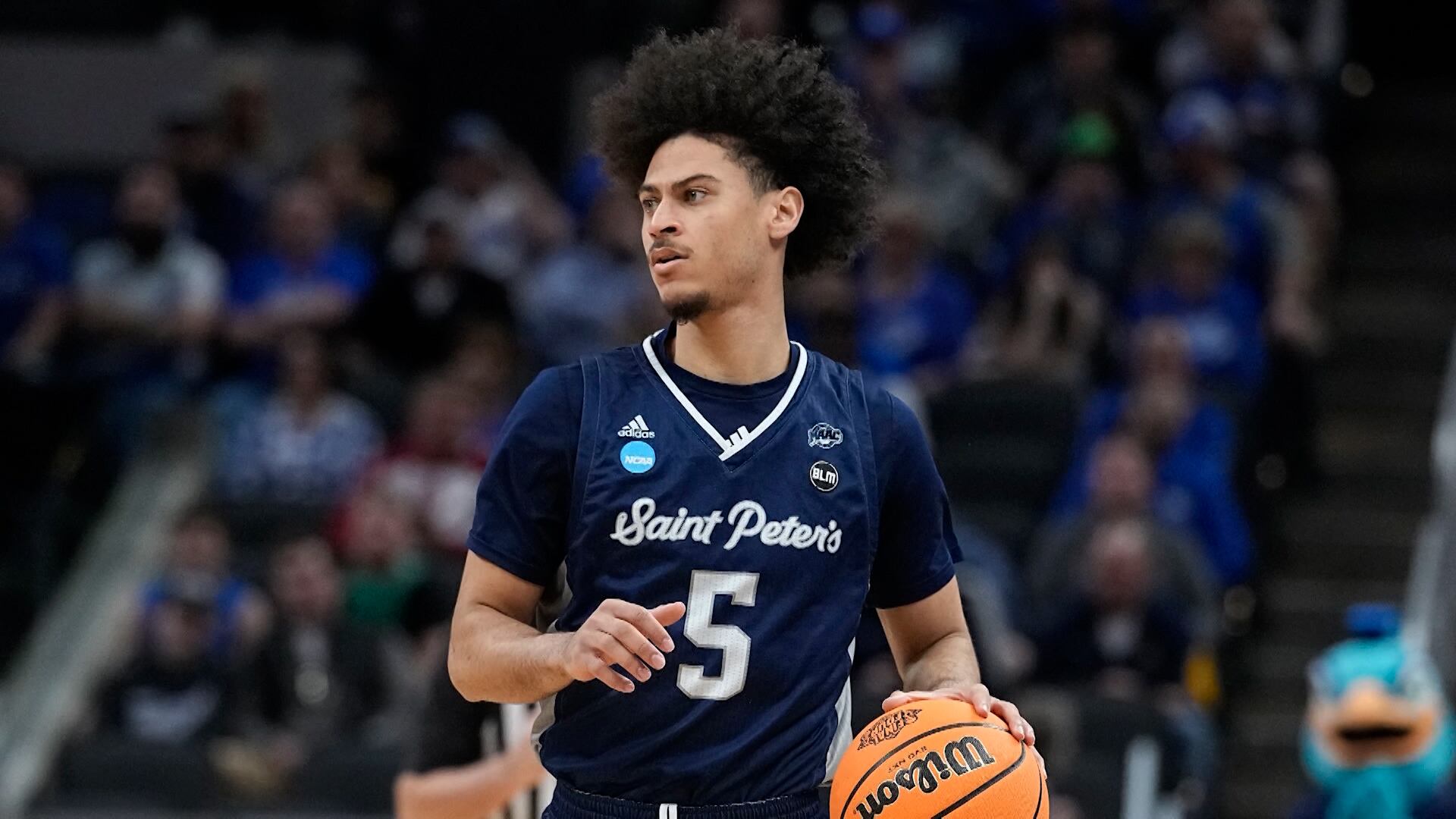
Saint Peter's University - a small school in New Jersey school - has skyrocketed to the center of the sports world in a 'Cinderella' story for the record books. The ultimate underdog of the men's March Madness tournament is just the third 15-seed to reach the Sweet 16, after beating Murray State and college basketball powerhouse Kentucky. Throughout the university's historic run, Saint Pete's has reportedly been earning what amounts to millions of dollars in publicity. Amanda Christovich, reporter for Front Office Sports, joins Cheddar News' Closing Bell to discuss.
Kyte, a company that delivers rental cars to customers on-demand, closed an asset-backed credit financing of up to $200 million from Goldman Sachs and the Ares Global Management Alternative Credit Team to accelerate the company's fleet growth and margin expansion. Kyte and its financing providers will create a more robust trip economy that services a more demanding customer with a shared vision of an electrified, autonomous future. Ludwig Schoenack, co-founder and co-CEO of Kyte, joins Cheddar News' Closing Bell to discuss.
Volatility continues to be the name of the game when it comes to crypto. Bitcoin, the most valuable digital token, saw a small jump today - one of several small rallies throughout the month of March. Caitlin Cook, vice president of crypto education company Onramp Academy, joins Cheddar News' Closing Bell to discuss.
Biden says Putin can't remain in power, Will Smith slaps Chris Rock at the Oscars, and a fashion show, just not IRL. Here is all the news you Need2Know for Monday, March 28, 2022.
After scrutiny over the negative impact on the mental health of children, social media apps have begun adding stricter limitations to parental controls. Jim Steyer, CEO of Common Sense Media, a nonprofit organization focusing on recommendations for entertainment platforms, joined Cheddar News to talk about the changes, why they might not be enough, and what parents can do to help. "It's almost that the companies — whether they're Snapchat, Instagram, YouTube, or whatever — have to start the process from the beginning of designing the product," he said. "They have to be much more clear about age verification so that a 12-year-old and 11-year-old can't get on there." Steyer also pushed for federal legislation to reign in the issue.
Tenicka Boyd is a digital creator making content that reflects her two passions: activism and style. The TikTok star joined Cheddar News to talk about her platform and new looks this Spring. Boyd admitted that at first she wanted to remain anonymous on the social media platform before finding her passion. "I just joined TikTok hoping that no one would find me, and I started creating colorful content," she said. "I didn't know that you could monetize this and really do it full time, and I just followed my passion because I realized that you can have multiple different lives and do multiple different things."