The Supreme Court ruled Wednesday that a Pennsylvania public school wrongly suspended a student from cheerleading over a vulgar social media post she made after she didn't qualify for the varsity team.
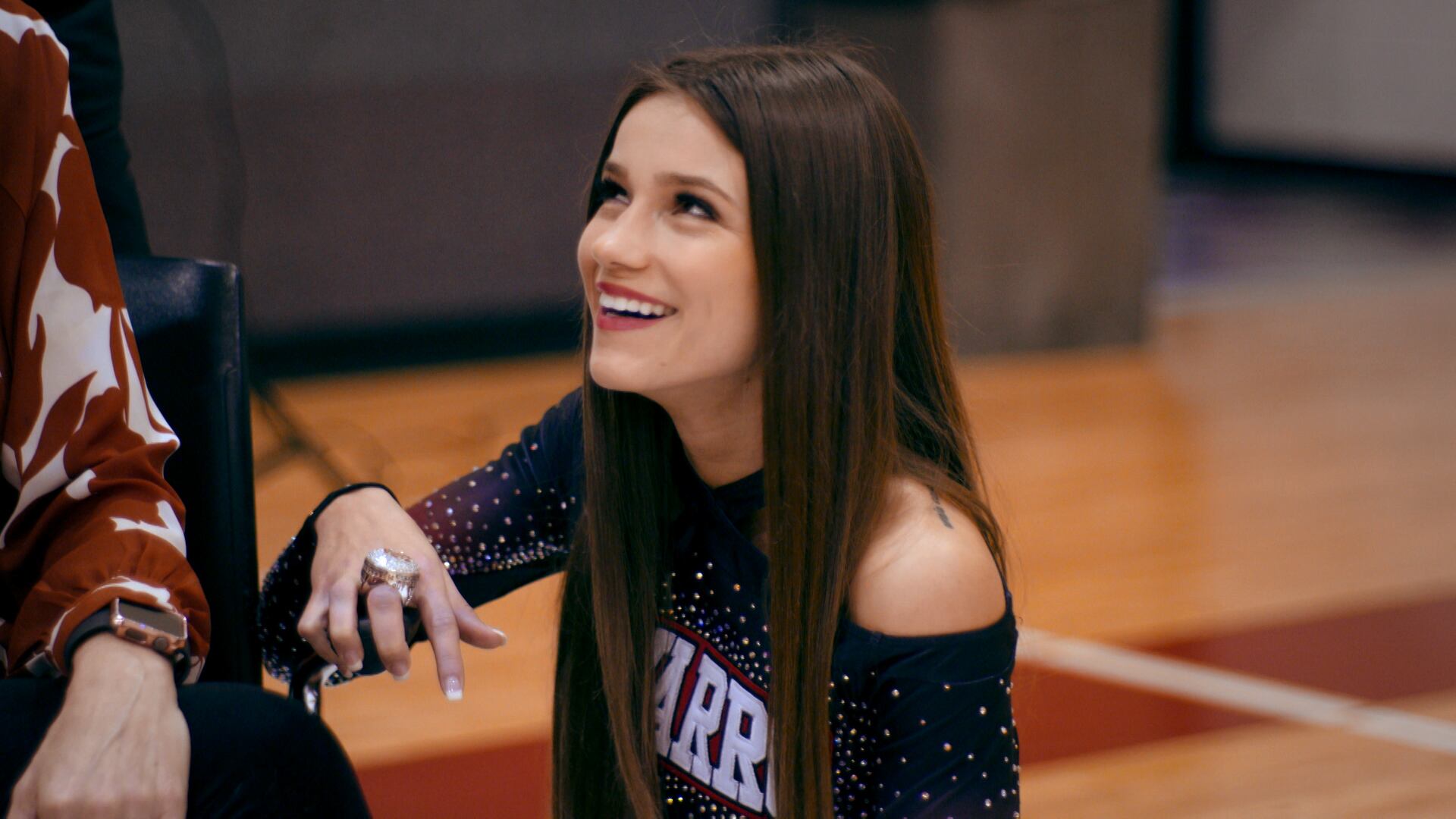
The court voted 8-1 in favor of Brandi Levy, who was a 14-year-old high school freshman when she expressed her disappointment over not making the varsity cheerleading squad with a string of curse words and a raised middle finger on Snapchat.
Levy, of Mahanoy City, Pennsylvania, was not in school when she made her post, but she was suspended from cheerleading activities for a year anyway. In an opinion by Justice Stephen Breyer, the high court ruled that the suspension violated Levy's First Amendment freedom of speech rights.
But the justices did not foreclose schools from disciplining students for what they say off campus. An earlier federal appeals court ruling in this case would have barred public schools from punishing off-campus speech.
Despite ruling in Levy's favor, Breyer wrote that “we do not believe the special characteristics that give schools additional license to regulate student speech always disappear when a school regulates speech that takes place off campus. The school’s regulatory interests remain significant in some off-campus circumstances.”
The case drew extra interest at a time of remote learning because of the coronavirus pandemic and a rising awareness of the harmful effects of online bullying.
The case arose from Levy's posts, one of which pictured her and a friend with raised middle fingers and included repeated use of a vulgarity to complain that she had been left off the varsity cheerleading squad.
“F——— school f——— softball f——— cheer f——— everything,” she wrote near the end of her freshman year, from a local convenience store and on a Saturday. Now 18, Levy recently finished her first year of college.
Levy's parents filed a federal lawsuit after the cheerleading coach suspended her from the junior varsity team for a year. Lower courts ruled in Levy's favor, and she was reinstated.
The school district appealed to the Supreme Court after the broad appellate ruling that said off-campus student speech was beyond schools' authority to punish.
The dispute is the latest in a line of a cases that began with Tinker v. Des Moines, the Vietnam-era case of a high school in Des Moines, Iowa, that suspended students who wore armbands to protest the war. In a landmark ruling, the Supreme Court sided with the students, declaring they don’t “shed their constitutional rights to freedom of speech or expression at the schoolhouse gate.”
The court also held then that schools retained the authority to restrict speech that would disrupt the school environment.
Breyer wrote that Levy's case seemed less serious than its Vietnam-era predecessor.
“It might be tempting to dismiss B. L.’s words as unworthy of the robust First Amendment protections discussed herein. But sometimes it is necessary to protect the superfluous in order to preserve the necessary,” he wrote, using Levy's initials because that was how she was identified in the original lawsuit. Levy has granted numerous interviews allowing her name to be used.
Justice Samuel Alito wrote in a concurring opinion that school officials in Mahanoy got “carried away” in seeking to discipline Levy. “If today’s decision teaches any lesson, it must be that the regulation of many types of off-premises student speech raises serious First Amendment concerns, and school officials should proceed cautiously before venturing into this territory,” Alito wrote.
In dissent, Justice Clarence Thomas wrote that he would have upheld Levy's suspension.
L’Oréal is doubling down on its investment in tech. The French beauty giant unveiled two new high-tech products ahead of CES 2022, aimed at simplifying the hair coloring process. Guive Balooch, global vice president of L’Oréal Technology Incubator, joined Cheddar's Opening Bell to discuss the company's innovations for hair coloring, including the Colorsonic application device and the Coloright AI diagnostic tool.
After meeting by chance in an airport, legendary actor Bill Murray and world-renowned cellist Jan Vogler joined forces to put out an album of poetry and music, go on a European concert tour, and release a feature documentary. Murray and Vogler joined Cheddar to dish about the experiences taking their “New Worlds: The Cradle of Civilization" on the road and filming the documentary that followed the pair, along with Mira Wang on violin and Vanessa Perez on piano, at their final show in Greece. "When this opportunity to play with Jan and Mira and Vanessa came along, I thought, well how bad can I be with these people behind me," Murray self-deprecatingly noted about his own musical talents.
On this episode of Cheddar Reveals: Director of Programs at Alpine Ascents breaks down how to mentally and physically prepare for climbing Mount Everest; American Himalayan Foundation's Vice President discusses Sherpa culture and ethos, and why they are so critical to the climb; A look at Curiosity Stream's 'History by the Numbers.'
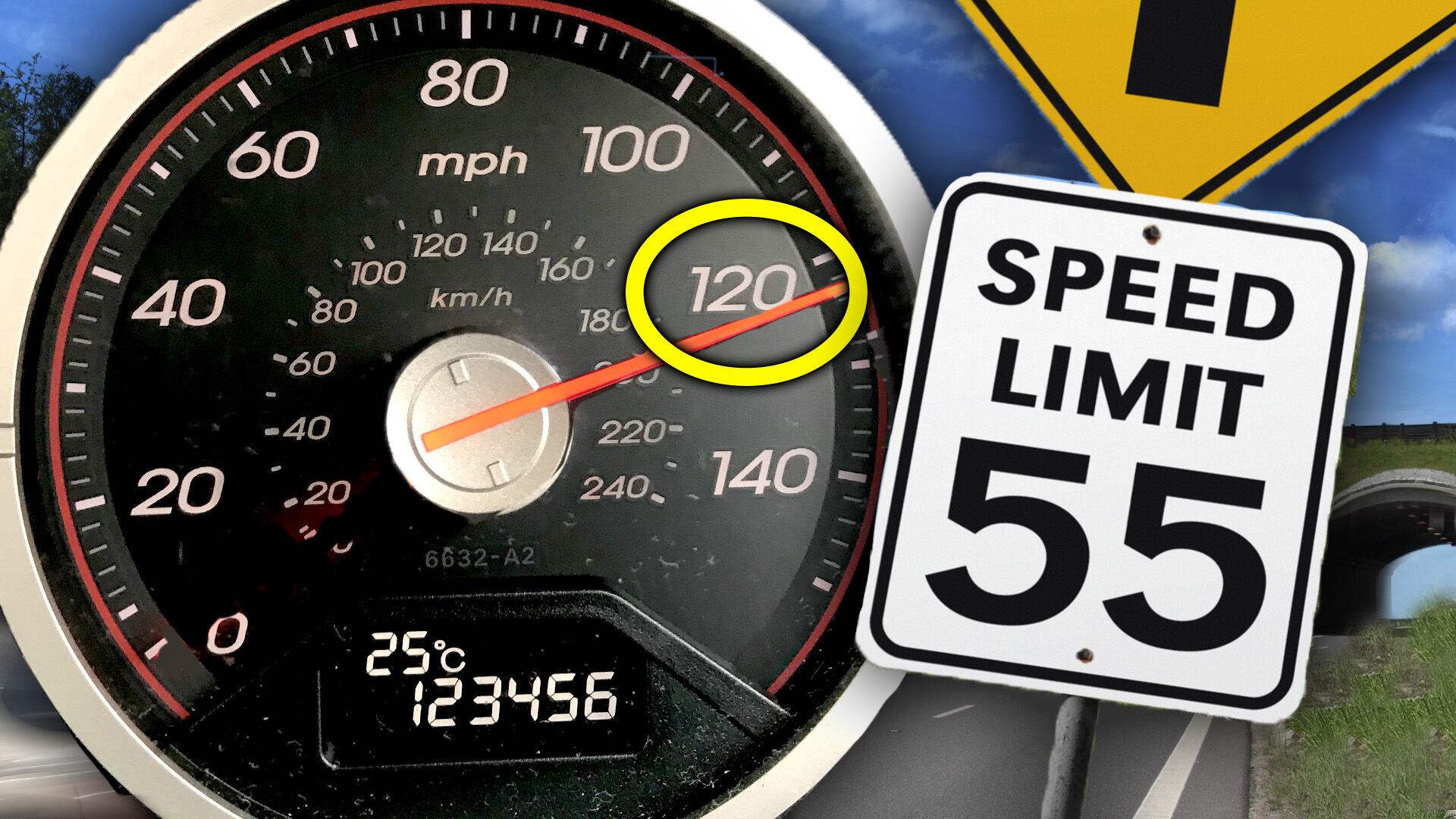
All around the world, speed limits are placed on public roads to promote car safety and save lives. In that same world, car manufacturers have continued to look for ways to build faster and faster cars. Despite the dangers of speeding, many drivers are guilty of pushing the pedal from time to time. With cars being such a prevalent culture in everyday life, especially in the US, it’s worth wondering what it would take for car companies to once and for all settle the argument of safety versus freedom.
A recent study by MSI uncovers a vast racial divide in influencer marketing. The research found a 35% racial pay gap between white and black influencers. This gap is extremely wider than the gap in other industries such as education, business, and finance. The research also suggests that brands and agencies have the power to close this gap. Tiffany Hardin, founder and CEO of Gild Creative Group, joins Cheddar News to discuss.
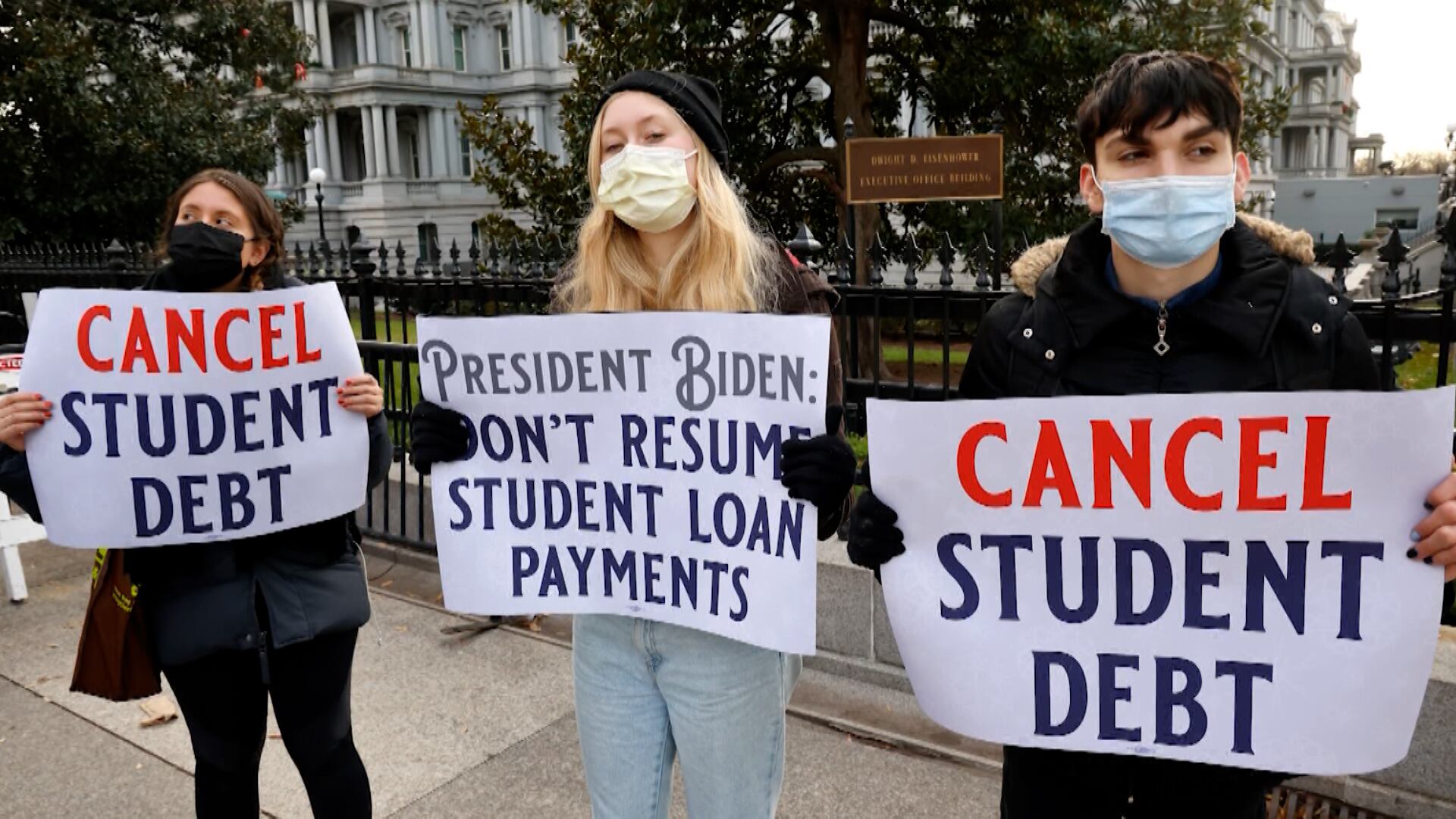
Student loan collection company Navient agreed to cancel $1.7 billion in debt and paid more than $140 million in other penalties to settle a lawsuit over abusive lending practices. Josh Shapiro, the attorney general of Pennsylvania who led negotiations in the settlement, joined Cheddar to go over the details of the company's predatory lending. "What Navient would do is charge [borrowers] these exorbitantly high rates, even though they knew people couldn't pay them or they would likely default on them," he explained.
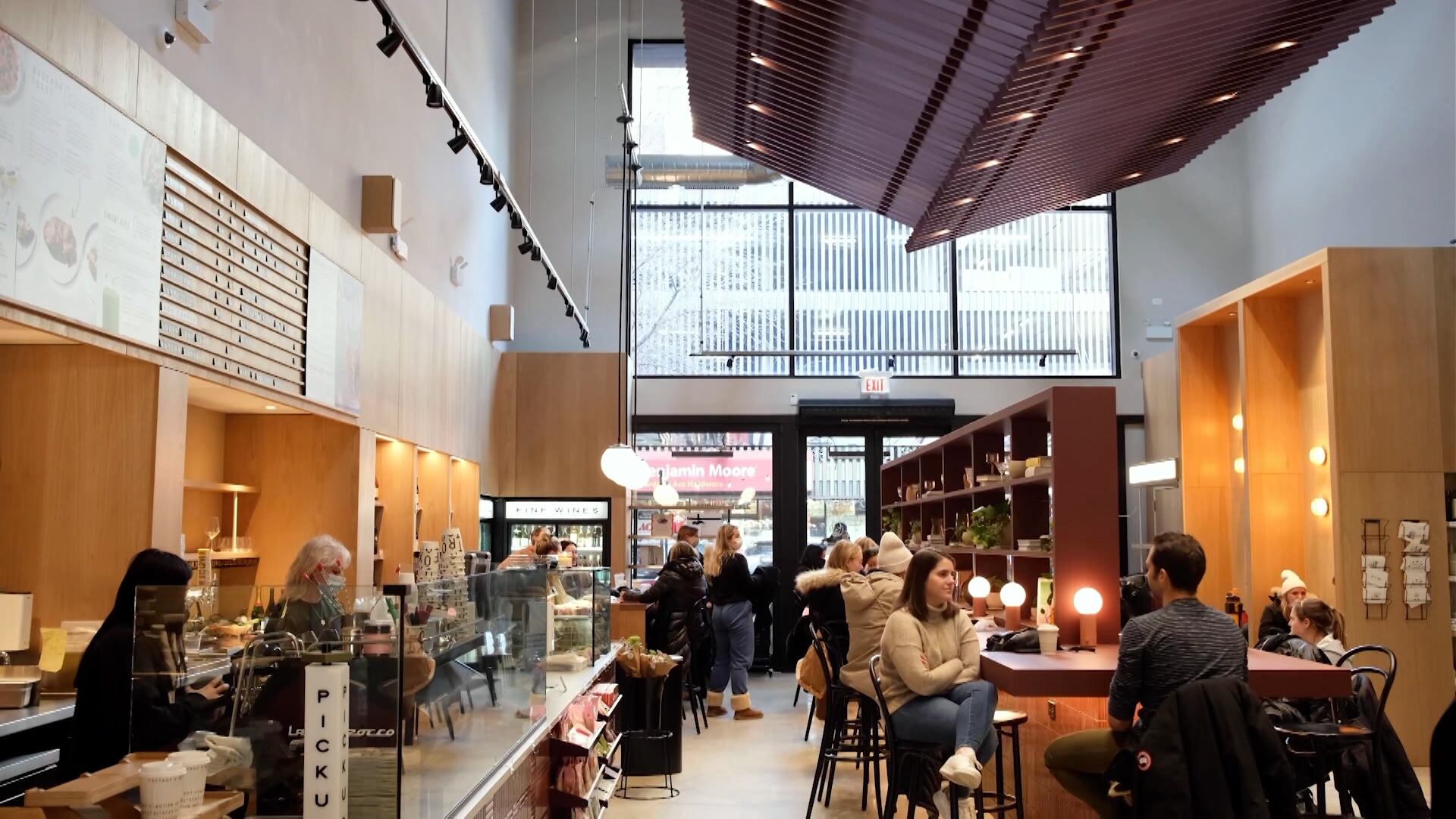
Retail platform operator and delivery company, Foxtrot,
raised $100 million in a Series C round led by D1 Capital Partners. Foxtrot bills itself as the modern convenience store that combines what it calls in-store curated discovery with 30-minute delivery and 5-minute pickup. Since launching first as a digital-only delivery service, the company has since grown into a popular local retailer, opening 16 brick and mortar locations across Chicago, Dallas, and Washington, DC. Foxtrot co-founder and CEO Michael LaVitola joined Cheddar News' Closing Bell to discuss.