By Amy Beth Hanson and Matthew Brown
A Montana judge on Monday sided with young environmental activists who said state agencies were violating their constitutional right to a clean and healthful environment by permitting fossil fuel development without considering its effect on the climate.
The ruling in the first-of-its- kind trial in the U.S. adds to a small number of legal decisions around the world that have established a government duty to protect citizens from climate change.
District Court Judge Kathy Seeley found the policy the state uses in evaluating requests for fossil fuel permits — which does not allow agencies to evaluate the effects of greenhouse gas emissions — is unconstitutional.
Julia Olson, an attorney representing the youth and with Our Children’s Trust, an Oregon environmental group that has filed similar lawsuits in every state since 2011, celebrated the ruling.
“As fires rage in the West, fueled by fossil fuel pollution, today’s ruling in Montana is a game-changer that marks a turning point in this generation’s efforts to save the planet from the devastating effects of human-caused climate chaos,” Olson said in a statement. “This is a huge win for Montana, for youth, for democracy, and for our climate. More rulings like this will certainly come.”
Judge Seeley wrote in the ruling that “Montana’s emissions and climate change have been proven to be a substantial factor in causing climate impacts to Montana’s environment and harm and injury” to the youth.
However, it's up to the state Legislature to determine how to bring the policy into compliance. That leaves slim chances for immediate change in a fossil fuel-friendly state where Republicans dominate the statehouse.
Attorneys for the 16 plaintiffs, ranging in age from 5 to 22, presented evidence during the two-week trial in June that increasing carbon dioxide emissions are driving hotter temperatures, more drought and wildfires and decreased snowpack. Those changes are harming the young people's physical and mental health, according to experts brought in by the plaintiffs.
The state argued that even if Montana completely stopped producing C02, it would have no effect on a global scale because states and countries around the world contribute to the amount of C02 in the atmosphere.
A remedy has to offer relief, the state said, or it’s not a remedy at all.
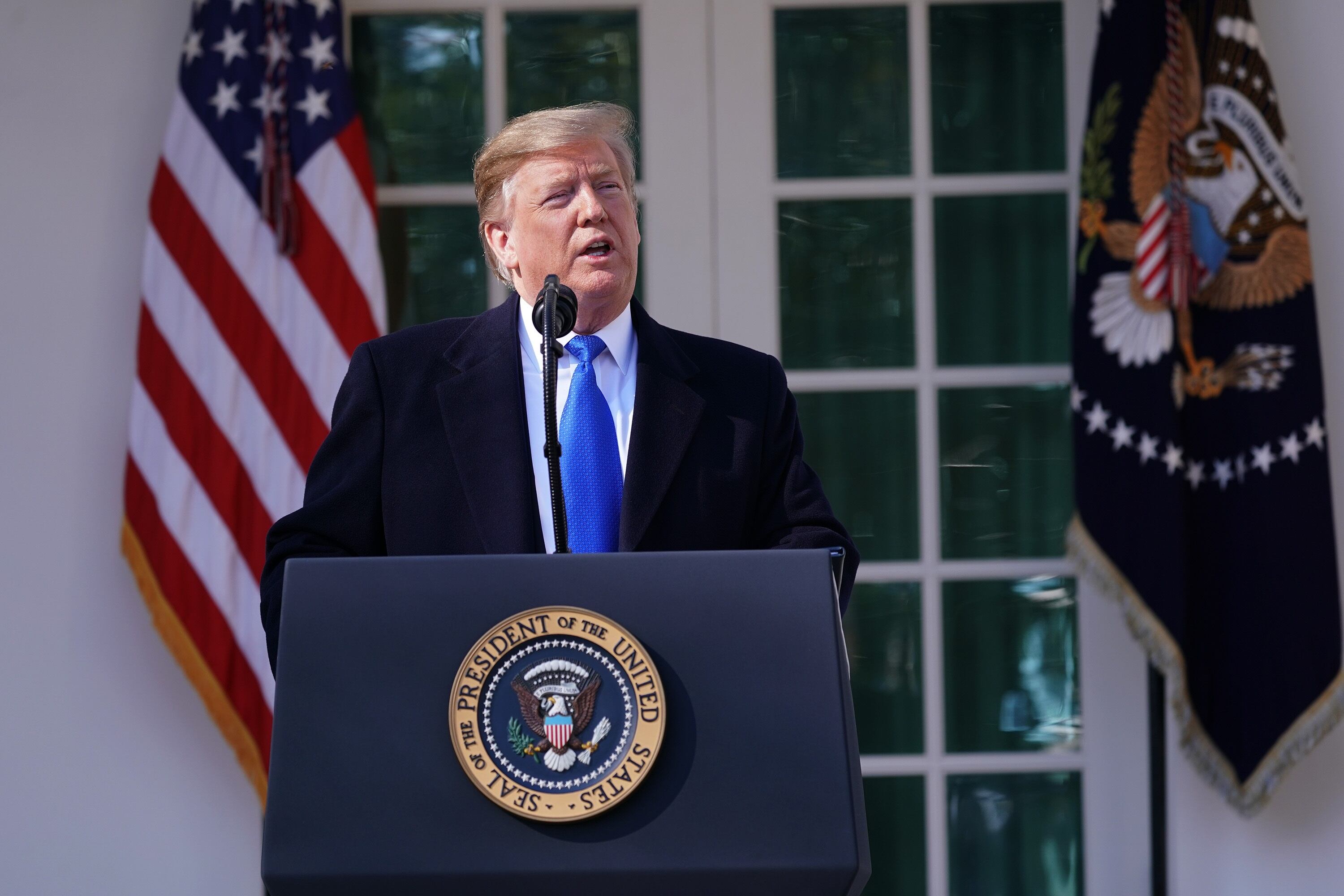
The National Emergencies Act of 1976 was passed in an attempt to regulate the president's ability to declare open-ended national emergencies. The point of the law, commentators said at the time, was to give Congress the power of oversight on matters of national urgency. It is perhaps ironic then that President Trump announced he will, under the provisions of that law, declare a national emergency as a way to circumvent Congress and build a border wall.
These are the headlines you Need 2 Know for Friday, Feb, 15, 2019.
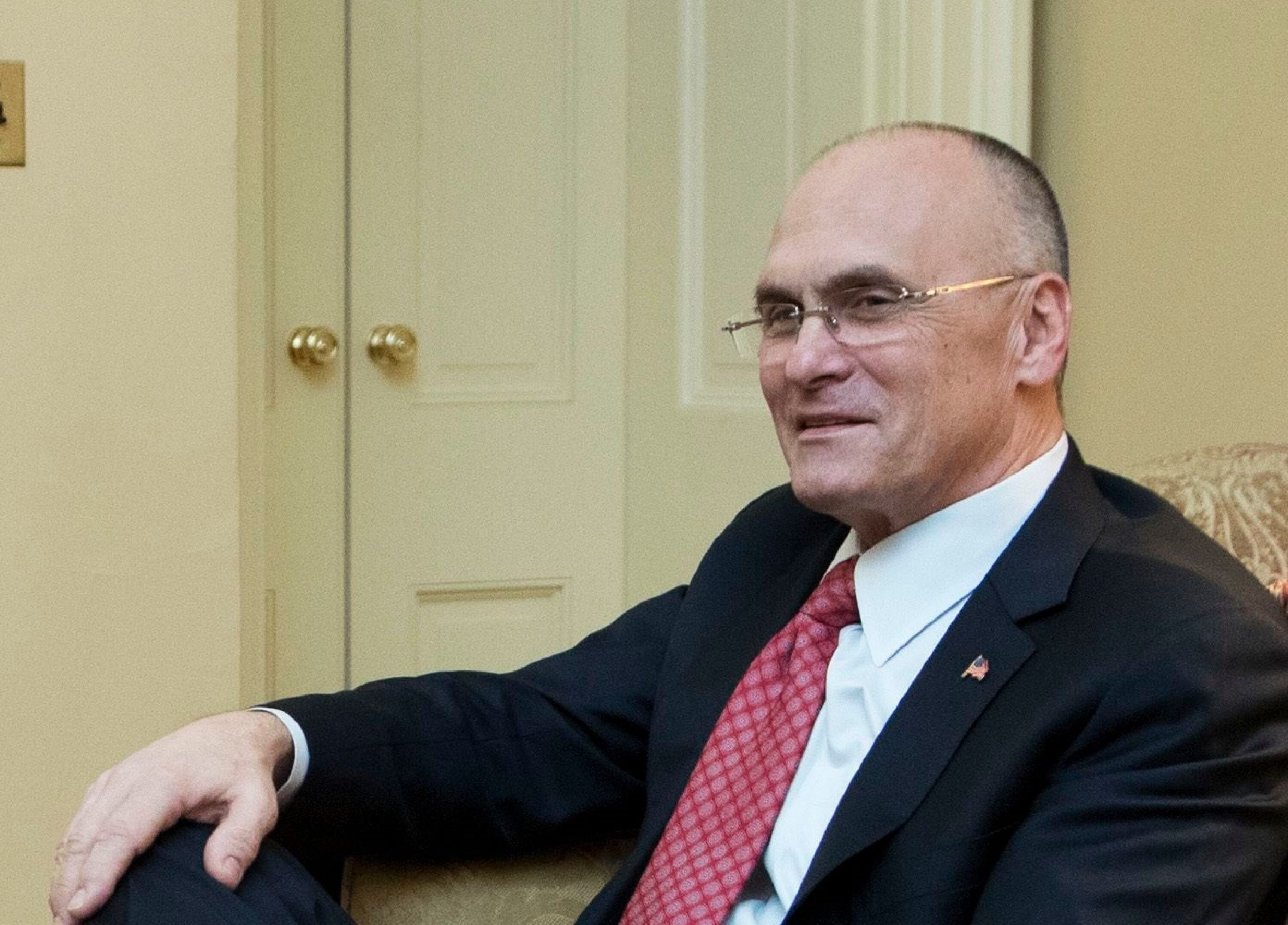
Amazon's decision to pull its new HQ2 out of New York City is very bad for the city ー and a sign that the home of Wall Street is falling victim to anti-business attitudes, according to former CKE Restaurants CEO Andy Puzder. "I think it's a hit to the New York economy. New York is a big city, it's a strong city, but it used to be the home to capitalism. Now it's coming under some of these socialist policies and it's going to lose companies like Amazon ($AMZN)," Puzder told Cheddar on Thursday.
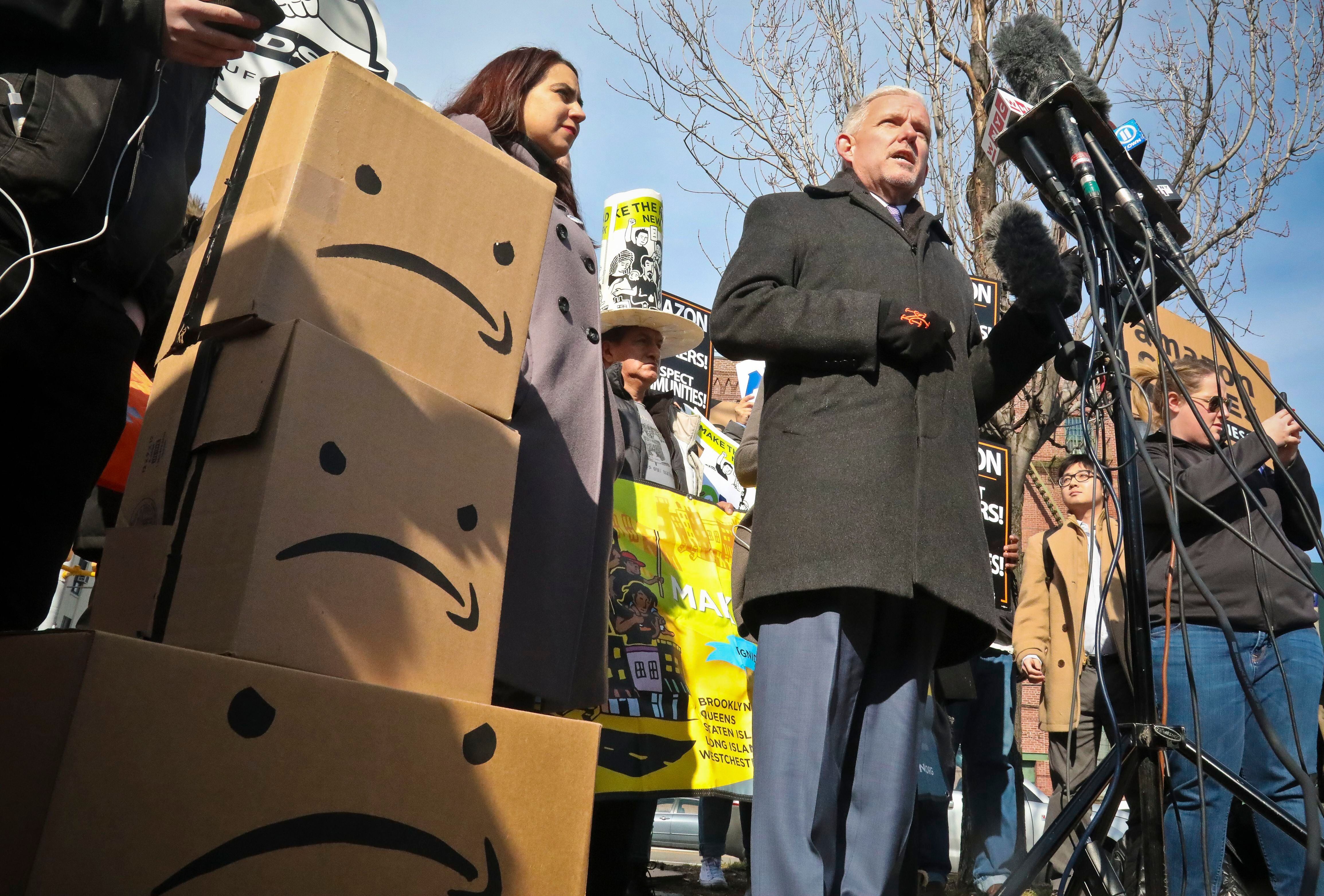
Amazon has backed out of its plan to build a second headquarters in Queens, New York. The abrupt decision shocked even those who opposed Amazon's planned expansion in Long Island City. Cheddar spoke with Jimmy Van Bramer, deputy leader of the New York City Council.
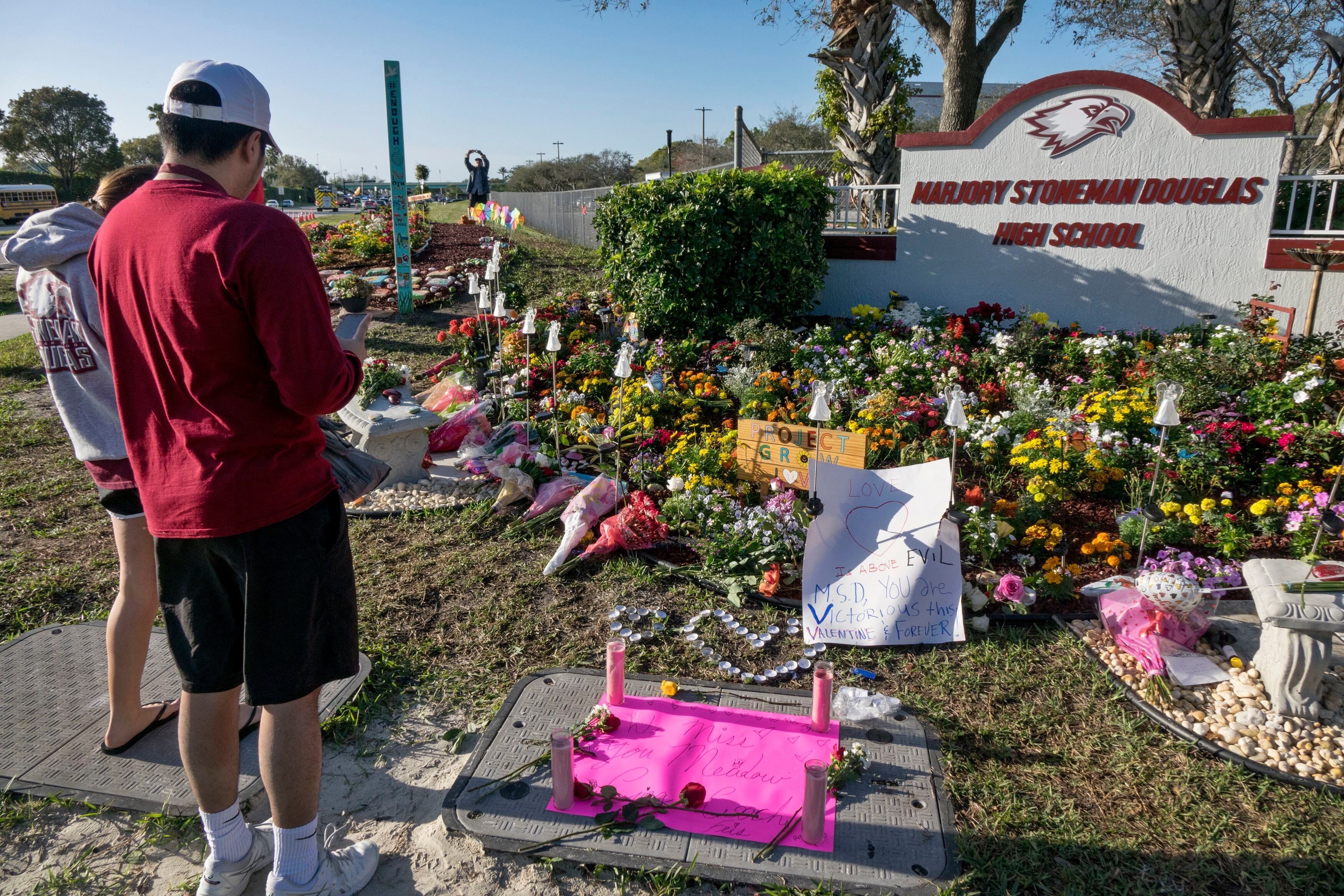
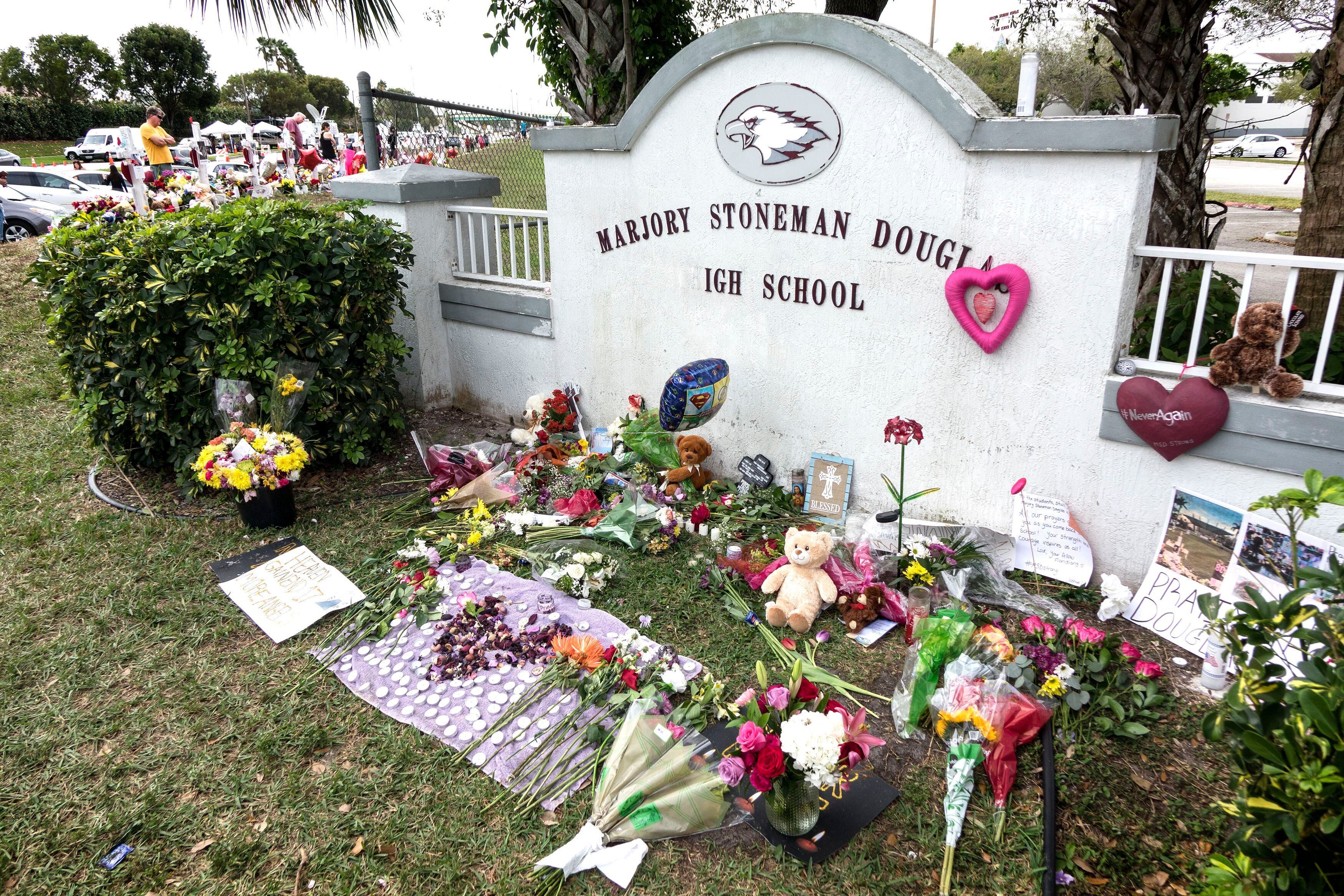
A day before the anniversary of the Parkland shooting, a massacre that re-framed the debate over gun control as a defining cause of Gen Z, Congress advanced its first piece of gun legislation in decades. Rep. Debbie Mucarsel-Powell, a newly elected Democrat from a Parkland-adjacent district who sits on that committee, discussed the victory with Cheddar.
These are the headlines you Need 2 Know for Thursday, Feb. 14, 2019.
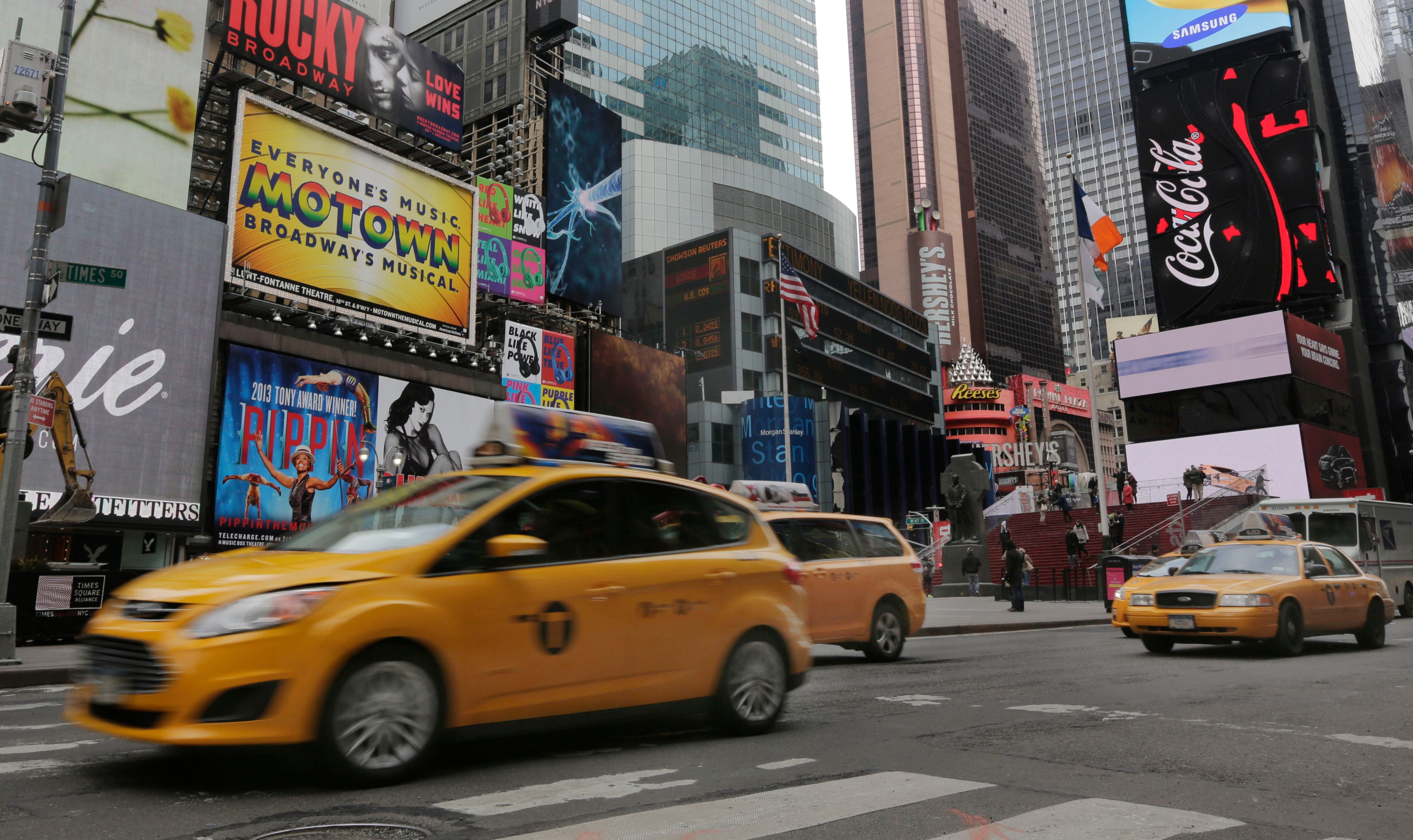
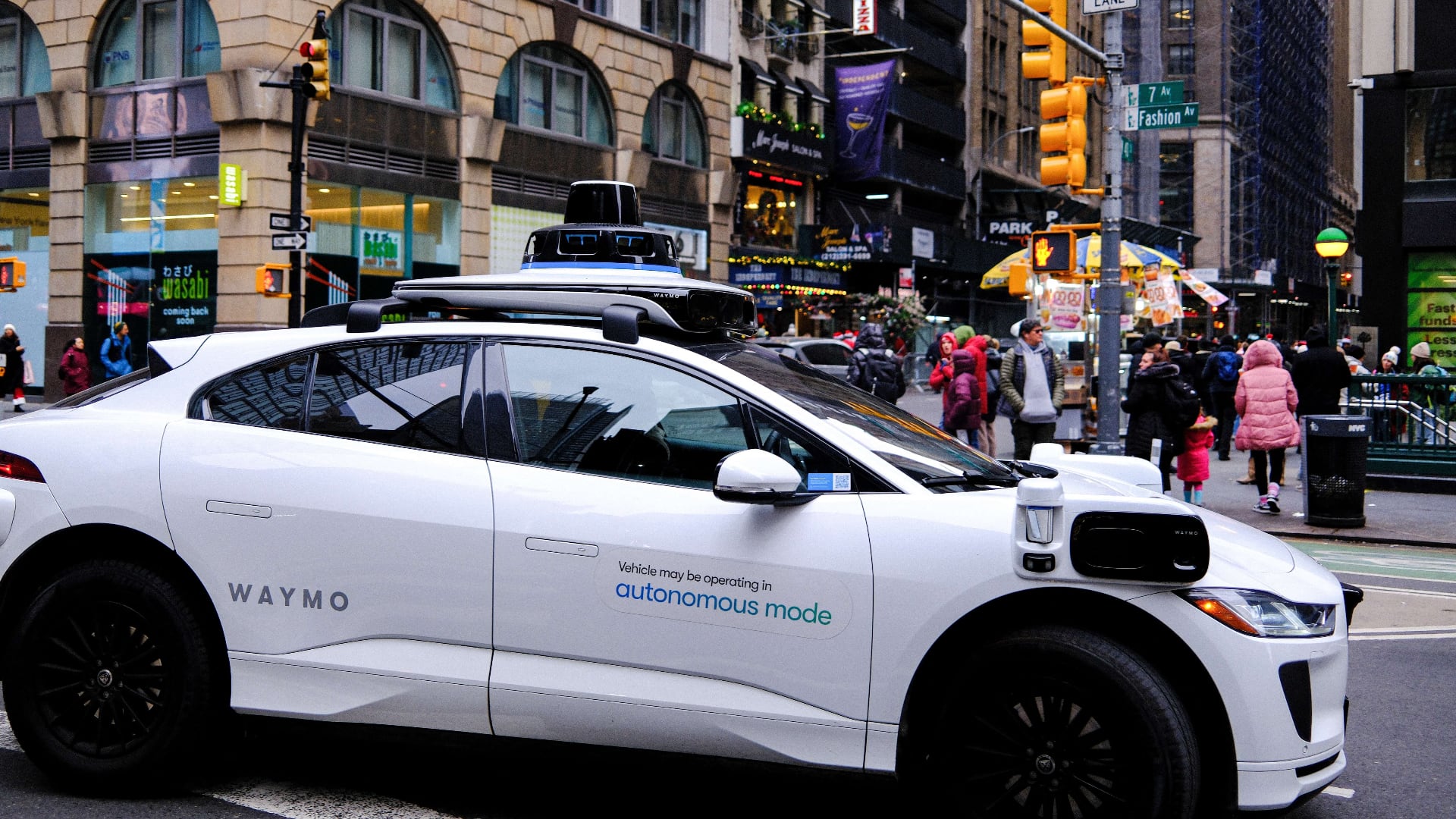
Catching a ride in New York just got more expensive, and passengers aren't the only ones complaining. "It's a problem for the drivers," Aleksey Medvedovskiy, the president of NYC Taxi Group, told Cheddar Wednesday. "It's a problem for the general public."
These are the headlines you Need 2 Know for Wednesday Feb. 13, 2019.
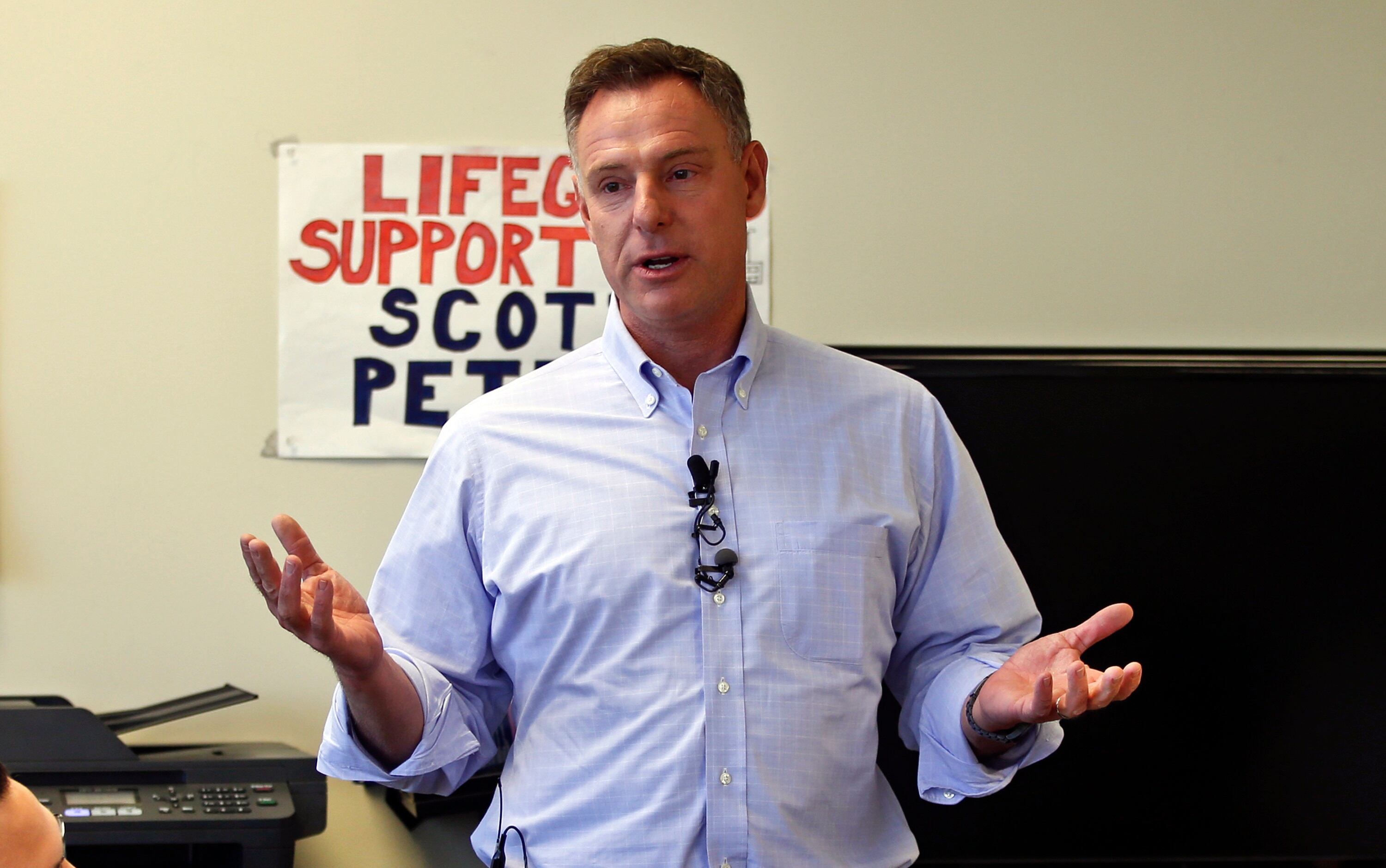
The daunting task of paying back astronomical student loans may soon be less taxing, California Congressman Scott Peters tells told Cheddar Tuesday. Rep. Peters (D-Calif.) has received 99 co-sponsors on his bipartisan Employer Participation in Repayment Act, which would allow employers to contribute to their employees' student loan payments, tax-free.
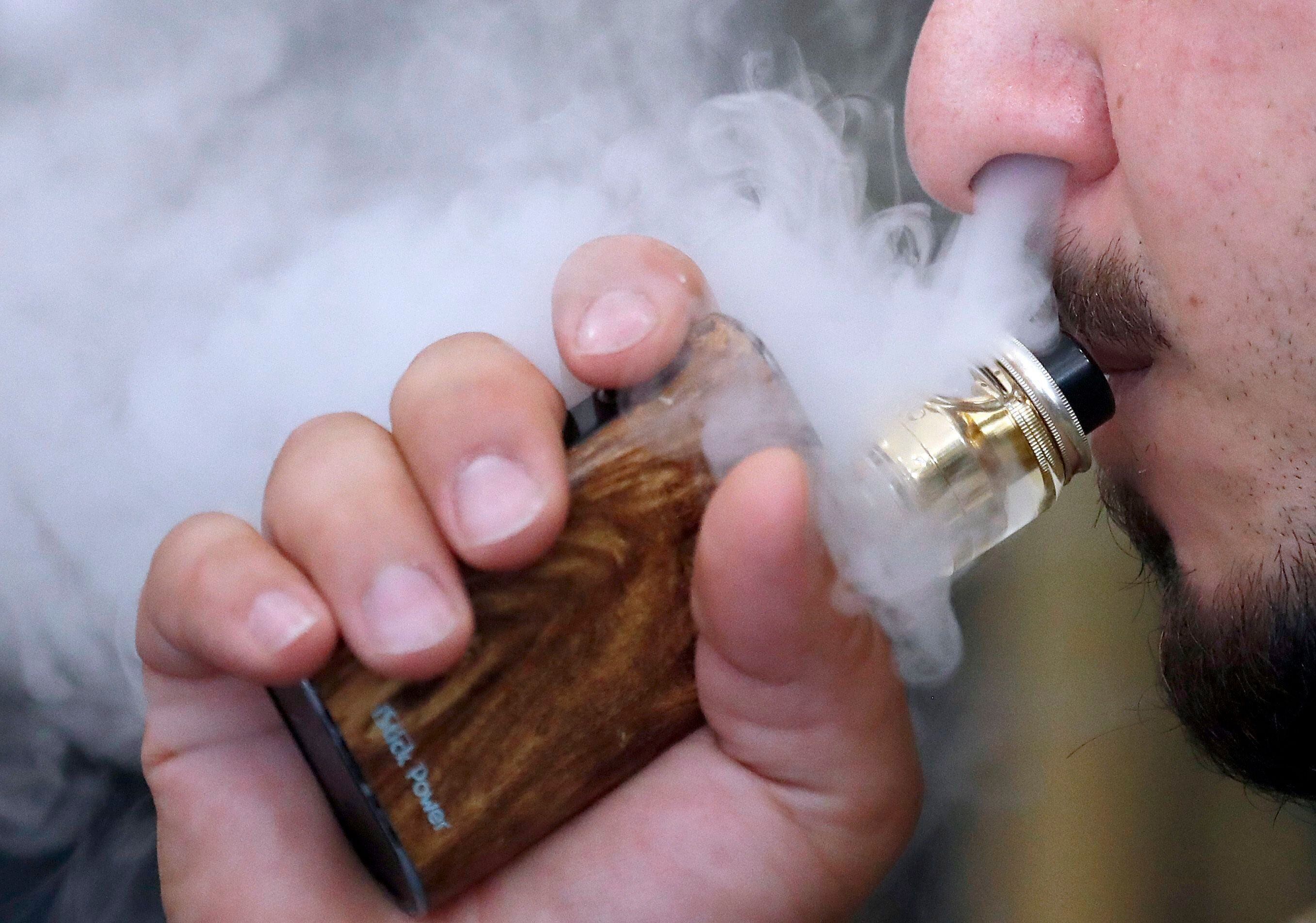
The shocking rise in teen vaping is a public health crisis that the FDA has been slow to address, according to a nationally recognized cardiologist. Dr. Kevin Campbell, who is also CEO of Pace Mate, a digital cardiac monitoring service, said the recent study from the CDC that linked vaping to a spike in teen tobacco use shows that more serious steps need to be take. The first step? Get rid of the flavored nicotine "pods," which Campbell said are acting as a gateway for teenage beginner vapers to get hooked on nicotine.