A Montana judge on Monday sided with young environmental activists who said state agencies were violating their constitutional right to a clean and healthful environment by permitting fossil fuel development without considering its effect on the climate.
District Court Judge Kathy Seeley found the policy the state uses in evaluating requests for fossil fuel permits — which does not allow agencies to evaluate the effects of greenhouse gas emissions — is unconstitutional.
Julia Olson, an attorney representing the youth and with Our Children’s Trust, an Oregon environmental group that has filed similar lawsuits in every state since 2011, celebrated the ruling.
“As fires rage in the West, fueled by fossil fuel pollution, today’s ruling in Montana is a game-changer that marks a turning point in this generation’s efforts to save the planet from the devastating effects of human-caused climate chaos,” Olson said in a statement. “This is a huge win for Montana, for youth, for democracy, and for our climate. More rulings like this will certainly come.”
Judge Seeley wrote in the ruling that “Montana’s emissions and climate change have been proven to be a substantial factor in causing climate impacts to Montana’s environment and harm and injury” to the youth.
However, it's up to the state Legislature to determine how to bring the policy into compliance. That leaves slim chances for immediate change in a fossil fuel-friendly state where Republicans dominate the statehouse.
Attorneys for the 16 plaintiffs, ranging in age from 5 to 22, presented evidence during the two-week trial in June that increasing carbon dioxide emissions are driving hotter temperatures, more drought and wildfires and decreased snowpack. Those changes are harming the young people's physical and mental health, according to experts brought in by the plaintiffs.
The state argued that even if Montana completely stopped producing C02, it would have no effect on a global scale because states and countries around the world contribute to the amount of C02 in the atmosphere.
A remedy has to offer relief, the state said, or it’s not a remedy at all.
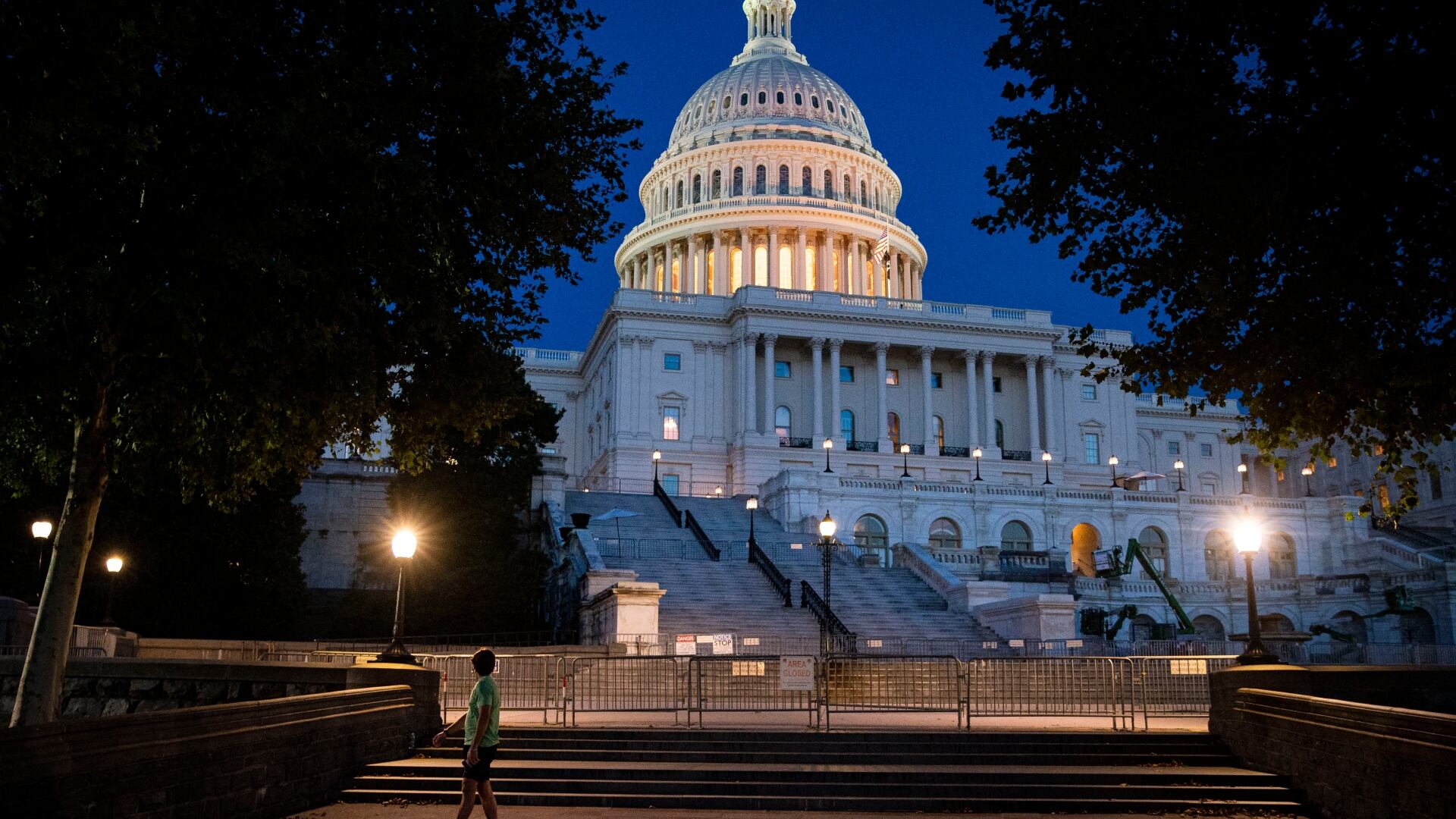
As negotiations drag on in Washington, DC over President Biden's social spending bills, Senate Democrats have introduced a new idea to fund Biden's plans: taxing the unrealized capital gains held by billionaires. Barron's reporter Sabrina Escobar joins Cheddar News' Closing Bell, where she explains what's in the billionaire tax proposal, who it will impact, and why it's on the table.
Hunter Walker joins Cheddar News to talk about his report in Rolling Stone that revealed how members of Congress and the White House helped plan the protest that turned violent on January 6.
Jill and Carlo discuss the pending approval for Pfizer's vaccine for kids, the state of anti-Semitism three years after Tree of Life, potential criminal charges in the 'Rust' prop gun shooting and more.
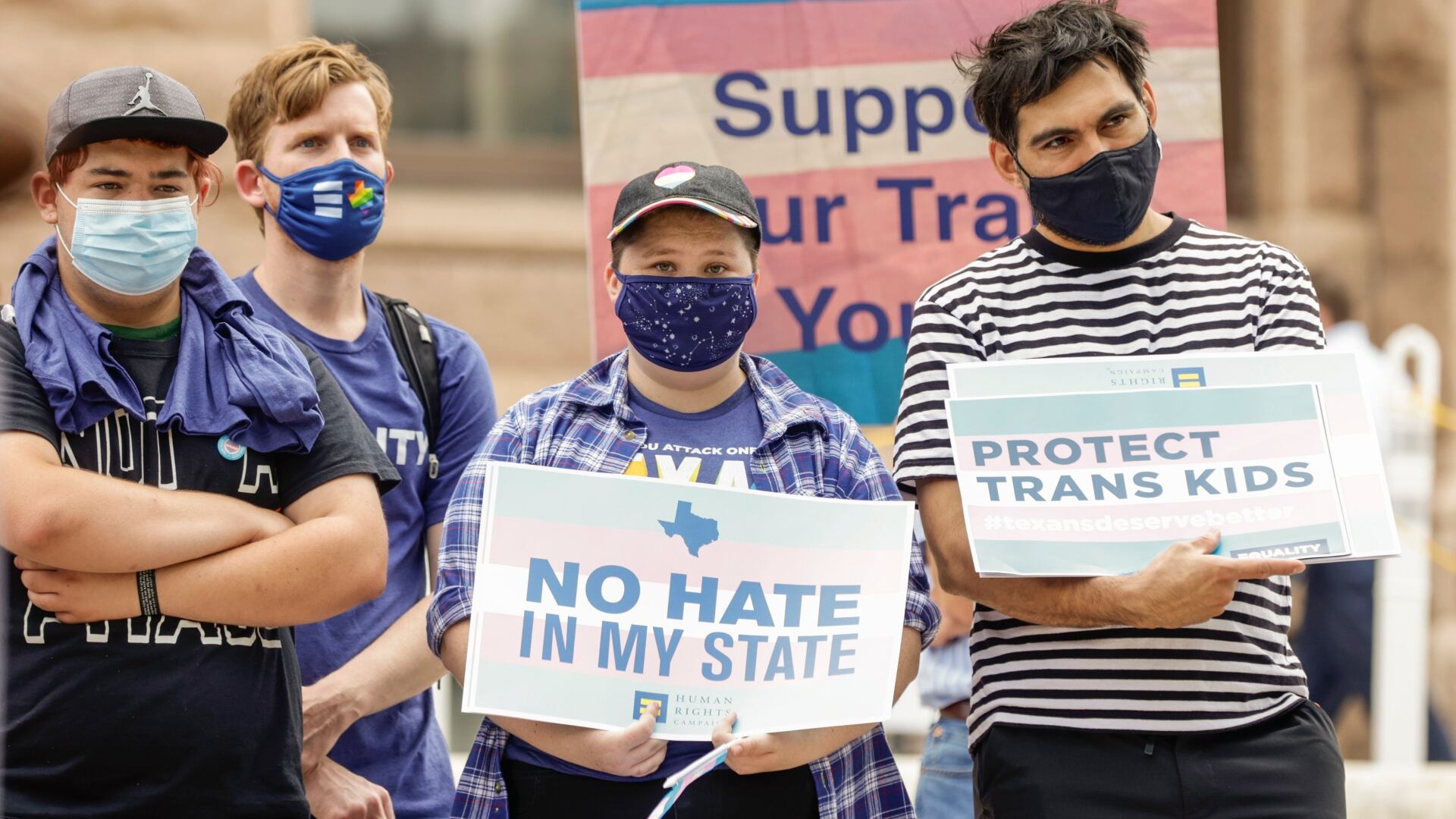
Texas Governor Greg Abbott, a Republican, signed a bill into law on Tuesday that restricts transgender students from playing on sports teams that correspond with their gender identity. Democratic State Representative Mary E. Gonzalez joined Cheddar to discuss the ramifications for transgender youth the new law represents. She also disputed the bill's proponents who argue that the measure is a matter of fairness for girls in sports, noting that various medical groups have affirmed that transgender athletes do not inherently hold an advantage over cisgender ones.
COP26 been dealt a blow as Chinese President Xi Jinping and Russian President Vladimir Putin, whose countries are responsible for a third of the world's annual greenhouse gas emissions, will not be in attendance. Bertrand Piccard, Chairman and Founder of the Solar Impulse Foundation, joins Cheddar Climate, where he discusses what he expects to see when the summit commences in Glasgow.
Social media platforms TikTok, Snapchat, and YouTube are facing questions in DC about consumer protections, data security, and product safety for young users. Emily Birnbaum, tech lobbying and influence reporter at Politico, joined Cheddar to provide some background into what led to the congressional hearing and the potential outcome. Birnbaum noted that social media platforms have been attempting to distance themselves from Facebook and the ongoing bad press it garnered in recent months.