Ex-Cisco CEO John Chambers: Big Tech Has to Regulate Itself, or Govt. Will
*By Michael Teich*
Big Tech has got to learn to regulate itself, or else the government will do it for them.
That's according to John Chambers, the former CEO and executive chairman of networking giant Cisco ($CSCO).
"I think it's so much more important to say how does tech come together and say how do we solve the problems," Chambers said Thursday in an interview on Cheddar.
"If they don't, the government will act. And that's the danger," he added.
His statements come after representatives from six major tech companies testified at a Commerce Hearing on Capitol Hill this week. During the proceedings, many execs from the likes of Google, Amazon, and Apple complained that the government may be overstepping its legal bounds with its latest initiatives to regulate privacy, competition, and overall reach.
One topic on the docket ー the latest privacy bill in California, the California Consumer Privacy Act, which would restrict the collection of data and give users more autonomy over their own information. The bill has already passed at the state level, but the question remains whether federal law will follow suit. There was little resolution after the hearing.
Chambers has had a long history in Silicon Valley ー he joined Cisco in 1990 and became CEO fives years later. Under his leadership, revenue grew from $2.2 billion annually to nearly $50 billion in 2015, when he stepped down. While the company's stock hasn't quite recovered from the dot-com boom and bust, it has lived through several tech cycles, including the rise of the internet and social media.
Now Chambers is looking for the next big thing.
Last year he launched JC2 Ventures, a self-funded investment firm that's already backed start-ups in industries like drones and cloud software. He also penned a new book on leadership in business, "Connecting the Dots: Lessons for Leadership in the Startup World."
"Disrupt or be disrupted. The future of our country is around start-ups," he said.
And despite what may seem like a slew of high profile IPOs and free-flowing venture capital funding, Chambers said the country is close to a 20-year low in start-up foundings and IPOs. He's worried that if the rate of new company creation in the U.S. does not accelerate, the economy might suffer.
"Unfortunately, the U.S. is behind."
"We're going to hit 230 this year," he said of newly-founded companies. "But if we're going to generate 25 to 30 million new jobs in the next 10 years, which is what we need, we probably need 400 to 500."
"Connecting the Dots" is available in stores and online.
For full interview [click here](https://cheddar.com/videos/former-cisco-ceo-john-chambers-big-tech-has-to-regulate-itself-or-govt-will).
At-home medical labs company Getlabs raised $20 million in a Series A round, led by Emerson Collective and the Minderoo Foundation. Getlabs aims to be the boots-on-the-ground partner to telehealth. The company says more than 70% of medical decisions still require collecting diagnostic tests in person, and that it fills that void by delivering health care directly to their patients' homes. Founder & CEO of Getlabs Kyle Michelson joined Cheddar News' Closing Bell to discuss.
The White House laid out plans for a $5 billion investment into a national network of charging stations to ease EV driving anxiety. Bruce Brimacombe, CEO of EV infrastructure GOe3 joined Cheddar News to discuss how much needs to be done for drivers to get over the fear of running out of energy. "People need to be able to do what they're doing now," he said. "But that is the way that if you're going to buy an electric car, you got to feel like you're not changing your world." Brimacombe noted that building out the infrastructure between cities was GOe3's own focus.
U.S. automakers are saying that the blockade of the Ambassador Bridge, a crucial border crossing between the U.S. and Canada, is affecting their production lines. Michelle Krebs of Cox Automotive warns that the disruption "couldn't come at a worst time," amid chip and labor shortages in Detroit.
AND DETROIT-BASED AUTO MAKERS SAY THEY ARE SHUTTING DOWN PLANTS OR SCALING BACK PRODUCTION BECAUSE OF PARTS SHORTAGES.
Sonos reported better than expected Q1 earnings amid chip shortage with the release of its Roam product. CFO Brittany Bagley joined Cheddar News to discuss the smart speaker maker's successful report and its plans to hit its 2024 targets as people leave their homes as pandemic restrictions ease. "Even as people head out in the world, it doesn't mean they don't like to listen to music at home or watch a streaming movie at home," she said. "So there's still a real role for us and our products in peoples lives, sort of, no matter what else they're doing."
Lynn Martin, president of the NYSE Group, explains why investors at the New York Stock Exchange should still feel confident despite the recent Wall Street volatility and discusses the landscape for 2022 when it comes to IPOs and retail investors.
The merger of WarnerMedia and Discovery received Justice Department approval on Wednesday, and Patty Hirsch, EVP of consumer and digital platforms at WarnerMedia, joined Cheddar News to discuss current and future offerings from the media conglomerate that will control both HBO Max and Discovery+. "Content really drives so much, and CNN has always had a very long history of creating an incredible documentaries, incredible content … and this service I think is going to ultimately provide the kind of content consumers want and the kind of content that consumers are going are going to pay for," she said. Hirsch also discussed NFTs in use through its Turner Sports and DC brands.
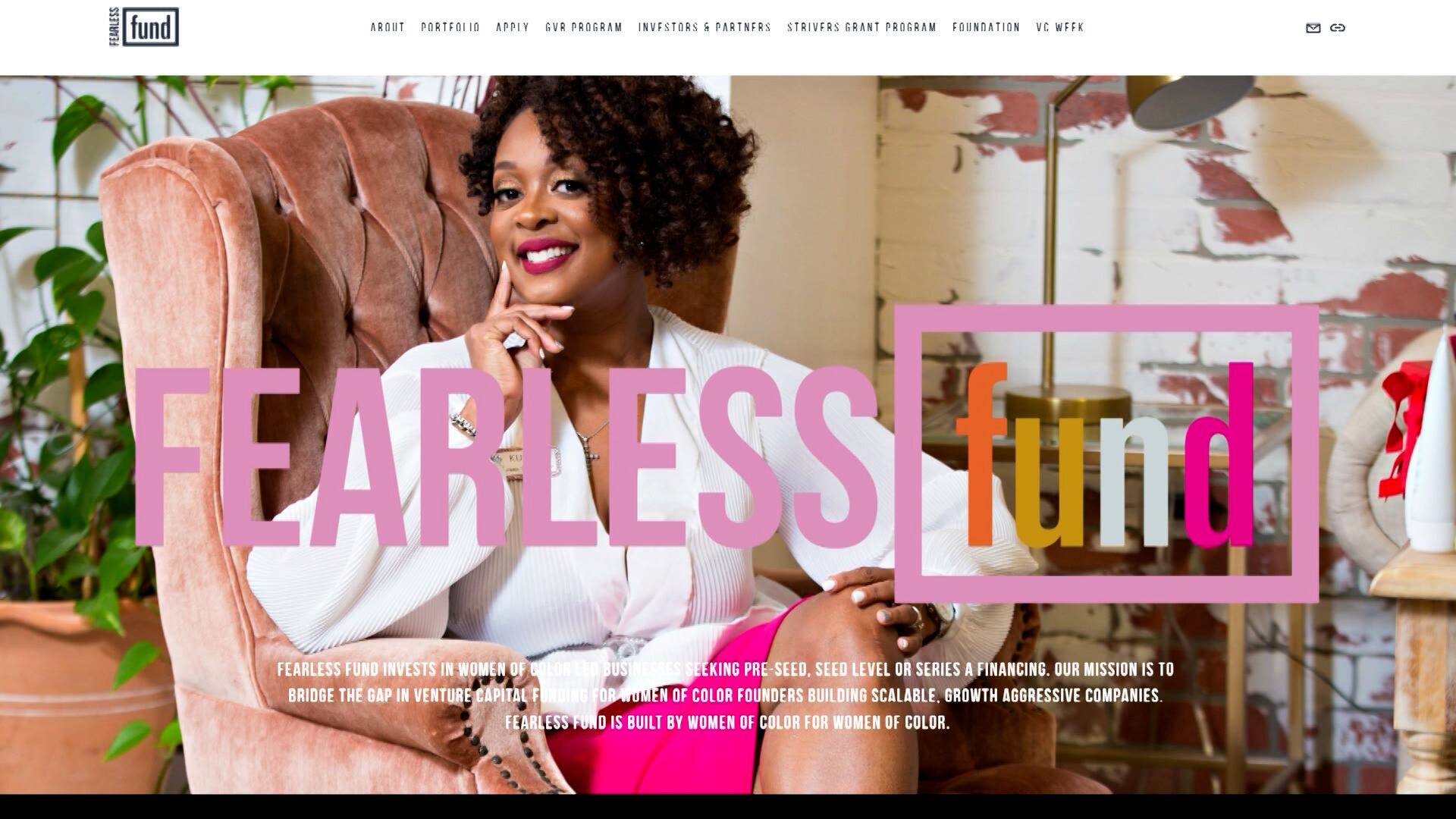
Black entrepreneurs lead the way in the creation of new businesses, but they often cannot get the necessary funding to get their business off the ground. The Fearless Fund is on a mission to change that, and help Black business owners get venture capital. The fund also offers a unique grant program meant to help entrepreneurs with growth, peer coaching, and more, including grants between $10,000 and $20,000. Arian Simone, Co-Founder and General Partner of Fearless Fund, joins Closing Bell to discuss the Fund's mission, how it helps Black entrepreneurs, and more.
Multinational food company Kellogg’s reported an earnings beat amid supply chain issues and an extended labor strike. Kellogg’s Chairman and CEO c joined Cheddar News to discuss overcoming the obstacles and what's to come for the company. "The first half of the year is really going to be one about rebuilding inventory, and into the second quarter, starting to reestablish promotional activity for our customers and our consumers," Cahillane said. "And then the back half of the year, obviously, we're really much more back in business, and we expect to exit the year with our business in cereal being just as strong as it's ever been."
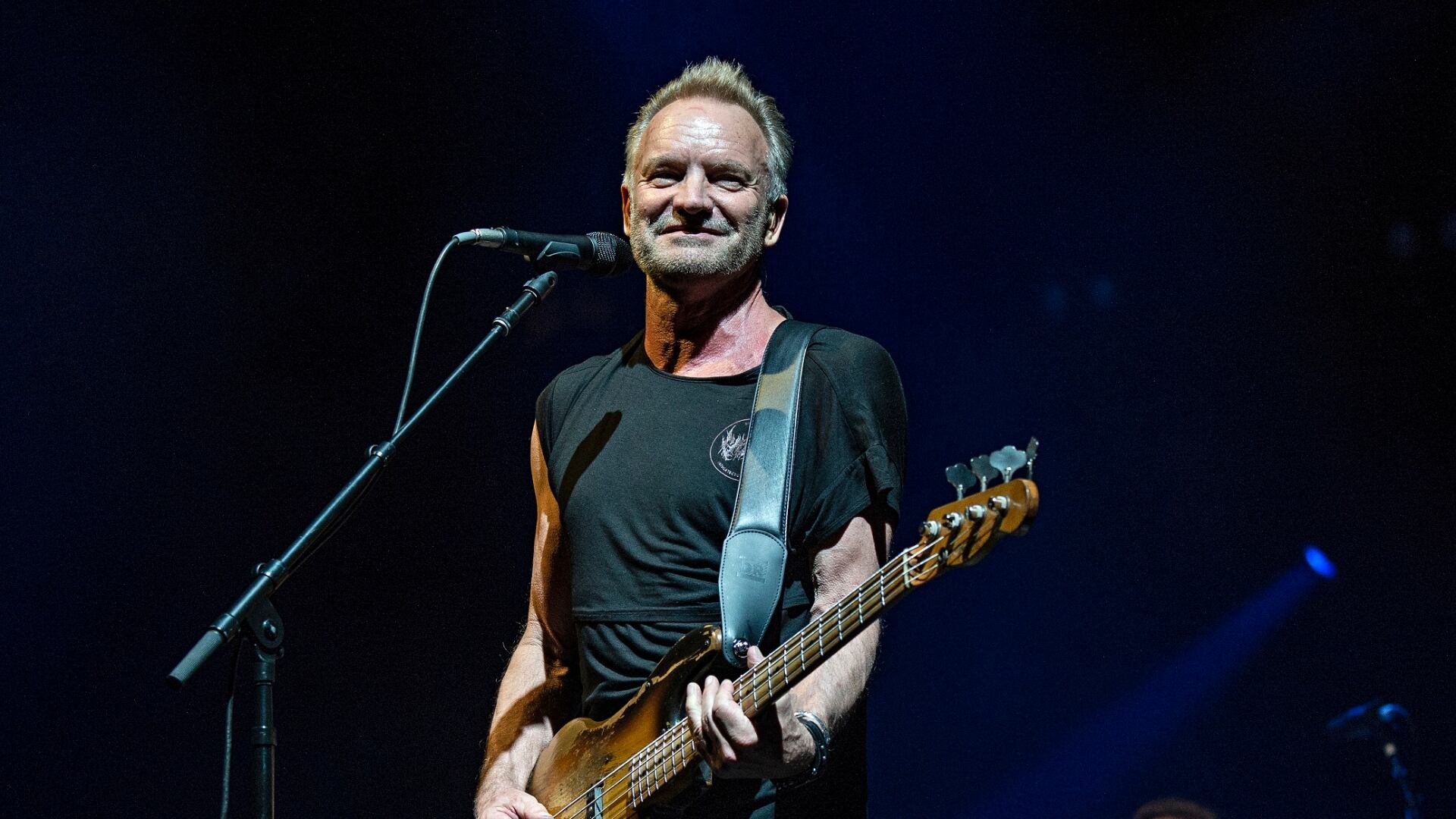
Sting has sold his catalog of more than 600 songs for $300 million to Universal Music. The deal gives the label the rights to all of his work, including “Every Breath You Take," as well as all future royalties.
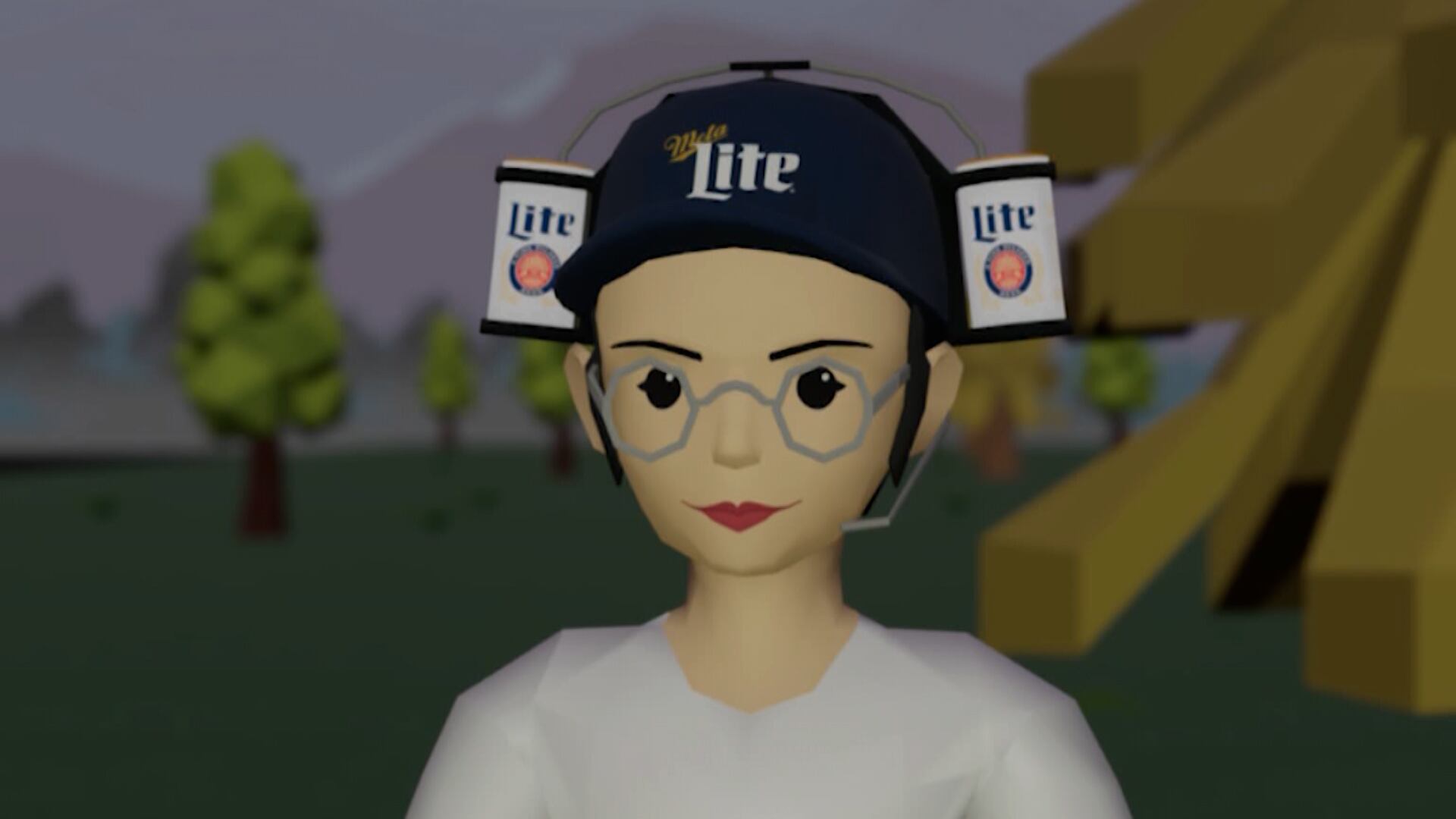
Miller Lite is opening the first branded bar in the metaverse, by way of Decentraland, as a way to advertise during the Super Bowl this year without buying an expensive TV commercial slot. Sofia Colucci, global vice president of Miller Family of Brands, joined Cheddar to talk about the new marketing concept. "We have a lot of great partnerships with NFL teams throughout the year but were shut out of advertising during the Super Bowl game, so this pushes us to think creatively and also think of what feels really relevant right now," Colucci said. "There's no question that there's a lot of excitement with the metaverse, and we wanted to participate but in a way that felt right for Miller Lite."